
Affordable Transformation: Discover the Cost of Gastric Sleeve in Izmir, Turkey!
For many patients struggling with obesity, bariatric surgery offers a pathway to long-term health improvements. As healthcare costs continue to rise in many Western nations, exploring alternative destinations for treatment has become a practical option. Receiving a gastric sleeve in Izmir, Turkey has gained attention due to the availability of modern facilities and experienced medical professionals.
However, planning for international surgery requires careful consideration of medical safety, total expenses, and the complexities of postoperative care. Understanding the full financial picture—beyond just the initial sticker price—is vital for making an informed, medically responsible decision.
Key Takeaways
- The average cost for a gastric sleeve in Izmir generally falls between $3,500 and $5,500, though this is an estimate.
- Initial quotes usually cover the hospital stay, surgery, and pre-op tests, but patients should confirm exact inclusions.
- Patient safety and facility accreditation must be prioritized over finding the lowest possible price.
- Follow-up care in your home country is essential and may incur additional out-of-pocket costs.
- Not everyone is a suitable candidate; an individualized medical assessment is necessary before booking any procedure.
1. What exactly is included in the cost of a gastric sleeve in Izmir?
When reviewing the gastric sleeve cost in Izmir, Turkey, it is important to request an itemized breakdown. Standard packages frequently include preoperative blood work, an electrocardiogram (ECG), an endoscopy to check stomach health, and two to three nights in the hospital for monitoring.
They may also cover an initial consultation with an anesthesiologist and a dietitian. However, long-term postoperative medications, special protein supplements, and extended hotel stays for the recovery period before flying are often excluded and must be budgeted for separately.
2. Why is the price of weight loss surgery lower in Turkey compared to other countries?
It is a common misconception that a lower price automatically indicates inferior medical care. In reality, the economic structure of a country heavily influences private healthcare pricing. Administrative costs, medical malpractice insurance premiums, and staff salaries are generally lower in Turkey compared to the United States or Western Europe.
While these economic factors allow facilities to offer more affordable pricing, standards of care can vary widely from one hospital to another. Patients must still conduct thorough research to ensure the facility meets international safety and hygiene standards.
3. What factors can increase the total cost of a gastric sleeve procedure?
Several variables can shift the financial scope of your treatment:
- Body Mass Index (BMI): Patients with a very high BMI may require specialized equipment, extra surgical time, or an extended stay in the intensive care unit (ICU) for observation.
- Co-morbidities: Existing conditions such as severe sleep apnea, heart disease, or diabetes may necessitate additional preoperative clearances or specialist consultations.
- Revisional Surgery: If you have had previous bariatric surgery (like a lap band) that needs to be revised or removed, the procedure is more complex and typically more expensive.
- Complications: While no one plans for complications, issues like bleeding or infections can result in longer hospital stays and require extra medical intervention.
4. Am I a suitable candidate for a gastric sleeve?
Generally, medical guidelines suggest that candidates for a gastric sleeve have a BMI of 40 or higher, or a BMI of 35 or higher accompanied by obesity-related health conditions such as type 2 diabetes or severe hypertension.
Physical qualifications are only part of the assessment. Candidates must also demonstrate an understanding of the procedure and a willingness to commit to lifelong dietary and lifestyle changes. Psychological readiness is often evaluated to ensure patients can cope with the dramatic changes in eating habits and body image following the surgery.
5. How do I evaluate a gastric sleeve clinic in Izmir, Turkey?
When researching a gastric sleeve clinic in Izmir, Turkey, you should prioritize medical safety over aesthetic appeal or low prices. Look for facilities that hold recognized international accreditations, such as from the Joint Commission International (JCI), which signifies adherence to strict quality and safety standards.
Additionally, inquire about the surgeon's specific experience with laparoscopic bariatric surgery. Memberships in professional organizations, such as the International Federation for the Surgery of Obesity and Metabolic Disorders (IFSO), often indicate a commitment to ongoing education and adherence to global medical guidelines. Ensure the facility has a fully equipped ICU on-site in case immediate intensive care is required.
6. What does the recovery timeline look like after gastric sleeve surgery?
Immediately following the operation, you will be closely monitored for pain, hydration, and potential immediate complications. Most patients are encouraged to walk within a few hours of surgery to promote blood circulation and reduce the risk of blood clots.
The dietary transition is strict and gradual. You will typically start with clear liquids, move to thicker liquids, progress to pureed foods, and eventually reintroduce soft solid foods over a period of 4 to 6 weeks. Taking adequate time off work—usually 2 to 4 weeks, depending on the physical demands of your job—is crucial for a safe recovery.
7. What are the potential risks and complications of this procedure?
No surgical procedure is without risk, and bariatric surgery alters the function of a healthy organ. Immediate postoperative risks include adverse reactions to anesthesia, deep vein thrombosis (DVT), and potentially life-threatening staple line leaks where stomach contents may enter the abdominal cavity.
Long-term risks require lifelong management. Because the size of the stomach is dramatically reduced, patients are at risk for nutritional deficiencies and must take specialized bariatric vitamins indefinitely. Acid reflux or gastroesophageal reflux disease (GERD) can also develop or worsen in some patients following a gastric sleeve.
8. How long do I need to stay in Izmir for my surgery and initial recovery?
After your 2 to 3-night hospital stay, you will likely move to a hotel. During this time, the medical team will schedule follow-up appointments to check your incisions, assess your hydration levels, and ensure there are no signs of early complications.
Air travel too soon after abdominal surgery increases the risk of DVT and pulmonary embolism. You must receive explicit clearance from your surgical team before boarding a flight. Rushing the return home is highly discouraged as it can jeopardize your safety if a delayed complication arises mid-flight.
9. What long-term lifestyle changes are required after a gastric sleeve?
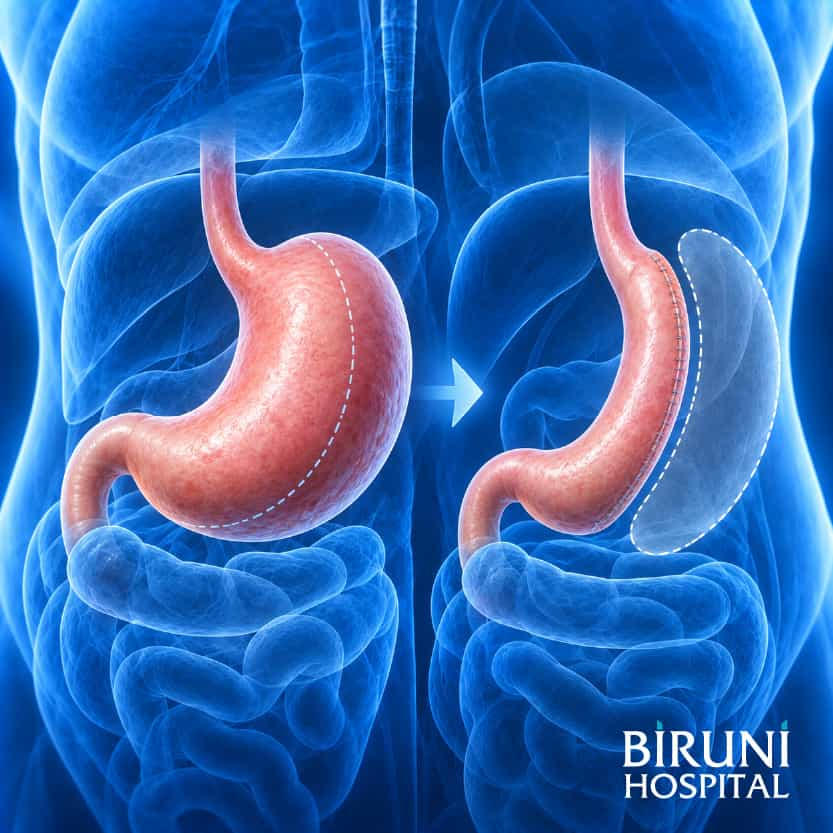
A gastric sleeve is a tool, not a standalone cure for obesity. Because the stomach capacity is reduced by approximately 75-80%, meals will be significantly smaller. Patients must eat slowly, chew food thoroughly, and avoid drinking liquids during meals to prevent flushing food too quickly through the digestive system.
Inadequate protein intake can lead to muscle loss and hair thinning during the rapid weight loss phase. Therefore, adhering to a high-protein diet is critical. Furthermore, because you are eating less, getting adequate nutrients from food alone is difficult, necessitating a lifelong commitment to taking specialized multivitamins, calcium, and B12 supplements.
10. How does medical tourism in Turkey impact aftercare and follow-up?
One of the biggest challenges in medical tourism is the discontinuity of care. While clinics in Izmir often provide online follow-ups and dietary guidance via messaging apps, physical examinations and emergency interventions cannot be done remotely.
Before traveling, you must have a plan in place with a primary care physician or a local bariatric specialist in your home country. You will need routine blood tests at 3, 6, and 12 months post-op to monitor for vitamin deficiencies. Additionally, if you develop a severe complication, such as a late leak or stricture, you must have immediate access to local emergency healthcare, which may result in significant out-of-pocket costs if not covered by your domestic insurance.
Why Choose PlacidWay for Medical Tourism in Turkey?
PlacidWay provides resources and information to help patients navigate international healthcare options.
Frequently Asked Questions
Is a consultation included in the initial quoted price?
Many clinics include an initial online or in-person consultation in their overall package. However, you should always verify this beforehand, as some facilities may charge a separate fee for extensive pre-operative assessments.
Do I need to pay for medications separately?
Medications needed during your hospital stay are usually included in the surgical package. Prescription medications, pain relievers, and supplements required after discharge typically incur additional out-of-pocket costs.
Are translation services usually part of the medical package?
Facilities catering to international patients often provide a patient coordinator or translator as part of their standard services. It is important to confirm this with the clinic to ensure clear communication during your medical journey.
How do revisions or complication treatments affect the overall cost?
Treating unforeseen complications, such as leaks or infections, can significantly increase the total cost. Most initial quotes cover standard procedures, so patients should ask if the facility offers complication coverage or if they need specialized medical travel insurance.
Can I use medical insurance for weight loss surgery in Izmir?
Standard domestic health insurance plans rarely cover elective procedures performed internationally. Patients usually pay out of pocket or utilize specialized medical financing, though some may qualify for specific medical travel insurance policies.
What type of anesthesia is used for a gastric sleeve?
Gastric sleeve surgery is performed under general anesthesia. This means you will be completely unconscious and pain-free during the procedure, requiring an anesthesiologist to monitor your vital signs throughout.
Is a special diet required before traveling for surgery?
Yes, surgeons typically require a preoperative liver-shrinking diet lasting one to two weeks before the operation. This high-protein, low-carbohydrate diet helps reduce the size of the liver, making the surgical procedure safer and more accessible.
How soon after surgery can I fly back home?
Most surgeons recommend staying in the country for at least 7 to 10 days post-surgery. This allows the medical team to monitor your initial recovery, manage your diet transition, and ensure you are stable enough for air travel.
Are pre-operative tests performed in Izmir or in my home country?
While you may need to submit basic medical records beforehand, comprehensive pre-operative testing—such as blood work, ECG, and endoscopy—is almost always conducted at the clinic or hospital in Izmir just before the surgery.
Can I bring a companion with me to the hospital?
Many hospitals accommodate a companion by providing a guest bed or sleeper sofa in your private room. Policies vary by facility, so it is important to confirm visitor rules and any associated meal or accommodation costs in advance.
Compare Treatment Options
Gather information, compare facility credentials, and request personalized treatment details to help you make an informed decision about your healthcare journey.
Request Treatment InformationReferences
- Bariatric Surgery – National Institute of Diabetes and Digestive and Kidney Diseases (NIDDK)
- Bariatric Surgery Procedures – American Society for Metabolic and Bariatric Surgery (ASMBS)
- Medical Tourism: Travel Health – Centers for Disease Control and Prevention (CDC)
- Weight Loss Surgery Overview – National Health Service (NHS)
- Patient Information and Guidelines – International Federation for the Surgery of Obesity and Metabolic Disorders (IFSO)
- Obesity and Overweight Fact Sheet – World Health Organization (WHO)

























Share this listing