


India's Lead in Regenerative Medicine Innovation
Regenerative medicine in India combines advanced stem cell therapies and tissue engineering at costs 60 to 80 percent lower than Western nations. Treatments typically range from $3,000 to $12,000, offering world-class care in accredited facilities.
Key Takeaways: Advanced Cellular Healing
- Rapid Translation: Indian laboratories excel at moving biological discoveries quickly from research benches to patient bedsides.
- Cost Effectiveness: Patients save thousands of dollars without compromising on laboratory standards or clinical expertise.
- Holistic Integration: Leading centers combine biological treatments with extensive physical rehabilitation and nutritional support.
- Ethical Compliance: Treatments follow strict national guidelines to ensure cellular purity and patient safety.
Why do international patients choose regenerative medicine in India for complex therapies?
International patients travel for these treatments because they seek rapid access to innovative therapies that are often restricted by lengthy bureaucratic approvals in their home countries. Regenerative medicine in India provides a unique blend of cutting-edge technology and immediate clinical availability.
The primary driver for this influx of global patients is the presence of state-of-the-art biological laboratories co-located within massive tertiary care hospitals. This bench-to-bedside infrastructure allows medical professionals to harvest, process, and administer biological materials within the same facility. This localized approach drastically reduces the risk of cellular degradation that often occurs during long-distance biological transport, ensuring that patients receive the highest possible concentration of viable cells.
Furthermore, the clinical expertise available across major metropolitan hubs is globally competitive. Many senior medical consultants and laboratory directors have trained extensively at premier institutions across North America and Europe before returning to establish highly specialized cellular therapy departments. Their deep understanding of global medical standards ensures that international patients receive care that meets or exceeds Western clinical expectations.
Lastly, the comprehensive nature of the care programs sets this destination apart. Rather than simply administering an injection and sending the patient home, elite centers offer multidisciplinary care pathways. A single patient might be evaluated by an orthopedist, a neurologist, an immunologist, and a dedicated rehabilitation specialist to ensure the biological application is supported by an optimal healing environment inside the body.
What is the average regenerative medicine cost in India compared to Western alternatives?
The regenerative medicine cost in India is highly competitive, generally running between $3,000 and $12,000 for comprehensive treatment protocols. This represents a massive financial advantage compared to similar procedures in North America or Europe.
| Treatment Type | Estimated Cost (USA/UK) | Estimated Cost (India) |
|---|---|---|
| Joint Regeneration Protocol | $10,000 - $25,000 | $3,000 - $6,000 |
| Neurological Cellular Therapy | $25,000 - $40,000 | $7,000 - $12,000 |
| Advanced PRP (Multiple Sessions) | $3,000 - $6,000 | $800 - $2,000 |
- Lower Overhead Expenses: Hospital administrative costs and laboratory operational expenses are substantially lower, allowing facilities to pass these significant savings directly to the patient without reducing clinical quality.
- Domestic Equipment Manufacturing: The rapidly growing domestic biomedical engineering sector provides high-quality centrifuges and incubation equipment at lower price points than imported Western machinery.
- Economical Professional Fees: While the medical professionals are highly trained and globally recognized, standard consultation and surgical fees remain adjusted to the regional economic landscape.
- Bundled Care Packages: Treatment centers frequently bundle the biological procedure, hospital stay, physical therapy, and diagnostic imaging into a single transparent price, eliminating the surprise billing often experienced elsewhere.
- Affordable Extended Stays: Because complex treatments require prolonged observation, the exceptionally low cost of long-term luxury hospital suites makes extended recovery financially viable.
How do you select the safest regenerative medicine clinic in India?
Choosing the right facility requires verifying their international quality accreditations and ensuring they maintain dedicated Good Manufacturing Practice certified laboratories. A premier regenerative medicine clinic in India will always prioritize transparent ethical protocols.
The first critical factor in your selection process should be investigating the laboratory infrastructure. Advanced biological treatments require strictly controlled environments known as clean rooms. These specialized laboratories filter airborne particles to prevent any bacterial contamination while cells are being processed or multiplied. Facilities that outsource their cellular processing to third-party offsite labs often expose biological materials to temperature fluctuations during transit, which can severely compromise the clinical outcome.
Secondly, international patients must verify that the chosen hospital strictly adheres to the ethical guidelines established by national medical research councils. Reputable centers will only offer therapies that have demonstrable scientific backing and will never promise guaranteed miraculous cures for terminal conditions. They should provide clear, data-driven explanations regarding realistic success rates, potential side effects, and the exact source of the biological material being utilized.
Finally, examine the multidisciplinary capability of the institution. Safely administering advanced biological treatments requires a team approach. An outstanding center will have critical care units, advanced diagnostic imaging machines, and comprehensive rehabilitation departments all under one roof. This integrated hospital infrastructure guarantees that if any unexpected medical complications arise, an entire network of specialists is immediately available to intervene.
Many elite biomedical facilities across South Asia utilize proprietary closed-loop processing systems. This means from the moment biological tissue is extracted to the moment it is injected back into the patient, the material never touches the outside air, virtually eliminating the risk of hospital-acquired infections.
Which orthopedic conditions benefit from regenerative medicine in India?
Orthopedic applications are currently the most successful and widely requested procedures available to visiting patients. Regenerative medicine in India offers profound relief for individuals suffering from severe joint degeneration and sports-related injuries.
- Osteoarthritis Degeneration: Biological injections into the knee or hip joints help modulate the aggressive inflammatory response and can stimulate localized cartilage repair, significantly delaying the need for total joint replacement surgeries.
- Avascular Necrosis: This condition, involving bone death due to poor blood supply, is effectively treated using core decompression surgery combined with concentrated biological materials to stimulate new blood vessel formation.
- Chronic Tendinopathy: Stubborn conditions like severe tennis elbow or Achilles tendon wear respond exceptionally well to targeted cellular applications that trigger microscopic tissue remodeling.
- Spinal Disc Degeneration: Minimally invasive biological injections into intervertebral discs are being utilized to rehydrate damaged tissue and reduce chronic lower back pain without requiring invasive spinal fusion hardware.
- Meniscus Tears: Rather than surgically removing torn cartilage, specialized biological applications are injected directly into the meniscal tear to encourage natural bridging and structural healing.
How does medical tourism in India facilitate advanced stem cell treatments?
The robust infrastructure designed specifically for international travelers streamlines the entire clinical journey. Medical tourism in India creates a supportive ecosystem that handles complex logistics so patients can focus entirely on cellular healing.
The governmental support for healthcare travelers is immense. Fast-tracked medical visas specifically designed for individuals seeking clinical care allow for rapid entry and extended stays. Dedicated immigration counters at major airports ensure that patients arriving with severe mobility issues or chronic pain bypass standard customs queues and receive immediate physical assistance upon landing.
Furthermore, major hospitals feature dedicated international patient lounges that function like luxury hotel concierges. These departments are staffed by multilingual coordinators who manage everything from translating diagnostic reports to scheduling multiple specialist appointments on the same day. This high level of coordination is crucial for biological therapies, where lab extraction, processing times, and clinical administration must be synchronized perfectly.
The surrounding hospitality infrastructure is heavily integrated with the healthcare system. Recovery hotels located adjacent to major treatment centers offer specialized dietary menus, wheelchair-accessible suites, and nursing-on-call services. This seamless integration ensures that the delicate post-procedure recovery window is managed in a stress-free environment, maximizing the potential for cellular integration.
What specific bench-to-bedside technologies are utilized for regenerative medicine in India?
Innovations focus on isolating highly potent biological material and delivering it with extreme precision. The integration of advanced diagnostics ensures that regenerative medicine in India is highly targeted and scientifically optimized.
The bench aspect relies heavily on flow cytometry and automated cellular expansion bioreactors. Flow cytometry allows scientists to count and verify the exact number of living, active cells in a specific sample before it is cleared for patient use. This quality control step is critical because injecting dead or inactive biological matter yields zero clinical benefit. Bioreactors allow for safe multiplication of cells in a completely enclosed, automated environment.
On the bedside delivery front, precision imaging is mandatory. Gone are the days of blind injections based on anatomical landmarks. Today, specialists utilize high-definition musculoskeletal ultrasound and live fluoroscopy machines to guide the delivery needle in real-time. This ensures that the costly biological material is deposited precisely at the microscopic site of tissue damage, rather than being wasted in surrounding healthy muscle.
Additionally, cutting-edge bio-scaffolding techniques are being integrated into surgical repairs. Surgeons use natural collagen matrices or synthetic biodegradable meshes to hold applied biological cells in place over a large tissue defect. This prevents the cells from washing away in the bloodstream and gives them a structural framework upon which they can multiply and rebuild damaged human tissue.
How are cellular therapies customized for neurological disorders in India?
Treating brain and spinal conditions requires highly sophisticated administration techniques to bypass natural biological barriers. Specialized centers adapt their protocols to directly address the specific neural pathway damage of each patient.
- Intrathecal Administration: To bypass the blood-brain barrier, biological materials are carefully injected into the cerebrospinal fluid through a lumbar puncture, allowing therapeutic agents direct access to the central nervous system.
- Autism Spectrum Protocols: Customized cellular applications aim to reduce neuroinflammation and improve blood perfusion in specific brain regions, which may assist in improving developmental milestones.
- Spinal Cord Injury Management: Specialists combine targeted biological injections directly at the injury site with intensive robotic gait training to stimulate dormant neural pathways and encourage microscopic nerve sprouting.
- Multiple Sclerosis Supportive Care: Advanced biological protocols are utilized to modulate the aggressive autoimmune response, aiming to slow disease progression and encourage the repair of damaged myelin sheaths.
What ethical guidelines govern regenerative medicine in India?
The national medical framework strictly regulates all biological procedures to protect patient safety. Authorized clinical centers operate under the direct oversight of powerful governmental medical research councils.
The regulatory environment explicitly distinguishes between proven medical procedures and experimental clinical trials. Standardized therapies utilizing autologous cells for orthopedic issues are widely accepted and practiced safely under standard surgical protocols. However, applying unproven biological treatments for complex genetic or terminal illnesses must be conducted strictly within registered clinical trials monitored by institutional ethics committees.
Furthermore, the commercial manipulation of embryonic biological material is heavily restricted and strictly monitored. Reputable centers rely entirely on ethically sourced adult biological materials or non-controversial umbilical cord tissues obtained from healthy, voluntary donors post-childbirth. This strict adherence to global ethical norms reassures international patients that they are receiving morally sound healthcare.
Finally, patient consent protocols are extremely rigorous. Before any cellular material is harvested or processed, the patient undergoes thorough counseling. Medical specialists must transparently document that the patient fully understands the experimental nature of certain advanced therapies, the anticipated biological mechanisms, and the realistic timeline for observing clinical improvements.
What post-treatment rehabilitation is available for regenerative medicine patients in India?
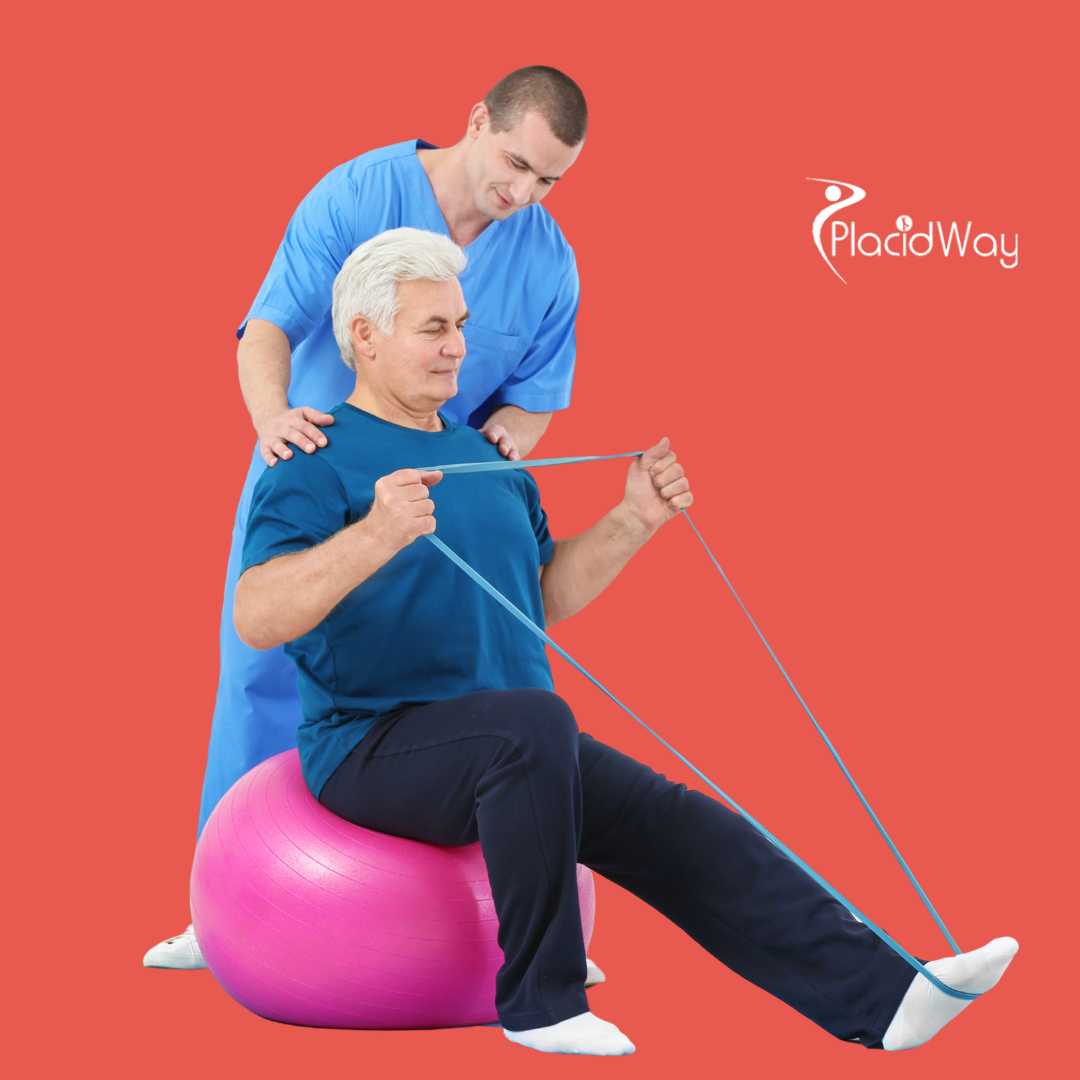
Successful biological healing depends heavily on specialized physical movement after the procedure. Elite clinical facilities provide extensive, customized physical therapy regimens to ensure the new cellular growth aligns correctly with existing bodily tissues.
For orthopedic patients, the immediate post-procedure period involves careful joint offloading followed by controlled range-of-motion exercises. Rehabilitation specialists use advanced hydrotherapy pools to allow patients to exercise newly treated knee or hip joints without bearing their full body weight. This gentle mechanical stress signals the injected biological material to differentiate into tough, resilient cartilage rather than soft, non-functional scar tissue.
Neurological patients experience highly intensive rehabilitation programs utilizing advanced technology. Virtual reality systems and robotic exoskeletons are frequently employed to force repetitive, precise movements. This intense physical stimulation provides the necessary functional demands required to help newly administered biological agents establish functional connections within the damaged nervous system.
Nutritional counseling is also a major component of the recovery phase. Clinical dietitians design customized anti-inflammatory dietary plans rich in specific micronutrients required for optimal cellular multiplication. This holistic approach ensures that the systemic environment within the patient's body actively supports the localized biological treatment they just received.
Why Choose PlacidWay to schedule regenerative medicine in India?
PlacidWay provides a highly secure pathway to top-tier healthcare by connecting you directly with ethically verified and internationally accredited medical facilities. Our dedicated platform ensures seamless communication and fully transparent pricing for your entire biological therapy journey.
- Rigorous Medical Facility Vetting: We exclusively partner with elite hospital networks that maintain pristine international accreditations and adhere strictly to global ethical guidelines concerning advanced cellular therapies.
- Absolute Price Transparency: Patients receive highly detailed financial quotes covering clinical consultation fees, laboratory processing charges, and facility costs with zero hidden administrative surprises upon arrival.
- Direct Specialist Access: We facilitate comprehensive pre-treatment virtual consultations between prospective patients and board-certified medical professionals to thoroughly discuss clinical suitability and expected therapeutic outcomes.
- Comprehensive Medical Record Review: Our secure digital system allows your local diagnostic reports and imaging to be carefully evaluated by leading international specialists to formulate a precise pre-arrival treatment protocol.
- Stringent Quality Control: We continuously monitor our extensive partner network to ensure all associated facilities utilize certified Good Manufacturing Practice laboratories for all sensitive biological processing and storage.
- Dedicated Patient Advocacy: Every individual receives continuous, personalized support from our specialized medical coordinators who prioritize clinical safety, medical ethics, and overall patient satisfaction above all else.
Frequently Asked Questions About Regenerative Medicine in India
Is an e-Medical Visa required to undergo regenerative therapies in India?
Yes, international patients seeking clinical treatments must apply for a specific medical visa rather than a standard tourist visa. The medical visa ensures you have legal permission to receive hospital care and allows for visa extensions if your cellular therapy protocol requires a longer recovery period.
How long do I need to stay in India for a complete stem cell therapy protocol?
The required length of stay depends entirely on your specific medical condition and the type of biological application required. Most standard orthopedic protocols require a ten to fourteen day stay, while complex neurological treatments might necessitate three to four weeks for comprehensive administration and initial physical rehabilitation.
Can I combine traditional orthopedic surgery with cellular therapy in India?
Absolutely. Many leading hospitals integrate biological applications with conventional orthopedic surgeries like joint replacements or ligament repairs. Administering platelet-rich plasma or concentrated bone marrow aspirate during surgery significantly accelerates tissue healing and reduces postoperative inflammation.
Do Indian hospitals strictly use autologous or allogeneic stem cells?
Top-tier healthcare facilities utilize both types depending on clinical indications. Autologous cells are harvested directly from the patient to eliminate rejection risks. Allogeneic cells, typically derived from ethically sourced umbilical cord tissue, are utilized when a patient lacks sufficient healthy cells for auto-harvesting.
Are there specialized rehabilitation centers for neurological patients in major Indian cities?
Yes, major healthcare hubs like Delhi, Mumbai, and Bangalore host advanced neuro-rehabilitation centers. These facilities work in tandem with cellular therapy units to provide intensive physical therapy, occupational training, and robotic-assisted mobility exercises to maximize the regenerative benefits of the primary treatment.
Will my domestic health insurance cover regenerative treatments performed in India?
Most Western domestic health insurance plans do not cover international medical travel or investigational biological therapies. Patients typically fund these procedures out of pocket. However, the significantly lower procedural costs in South Asia often make self-funding more affordable than paying domestic insurance deductibles.
What are the primary sources of biological material used in Indian regenerative clinics?
Clinical professionals primarily source biological materials from three safe areas. Bone marrow is extracted from the hip bone, adipose tissue is collected via minor abdominal liposuction, and ethically donated umbilical cord tissue is processed in highly regulated laboratories following strict biological safety protocols.
Is it possible to undergo anti-aging regenerative therapies during a short trip to India?
Yes, localized biological applications for aesthetic and anti-aging purposes, such as facial rejuvenation or hair restoration, can usually be completed within three to five days. These minimally invasive procedures require minimal downtime, making them highly suitable for shorter international visits.
Are English translators necessary when visiting top-tier Indian hospitals?
Translators are generally not required for English-speaking patients. The entire medical education system in the country is conducted in English, meaning all senior consultants, laboratory technicians, and nursing staff are highly proficient. For non-English speakers, accredited hospitals provide dedicated language interpreters.
How do Indian medical facilities transport and store sensitive biological products?
Accredited facilities utilize advanced cryopreservation technologies to store biological materials at sub-zero temperatures using liquid nitrogen tanks. Transportation between laboratories and operating theaters is conducted using specialized temperature-controlled medical couriers equipped with real-time thermal monitoring to ensure absolute cellular viability.
Unlock Your Body's Healing Potential Today
* Secure medical record review. Complete privacy guaranteed.




.png)




.png)









Share this listing