


How China is Transforming CAR T-Cell Therapy and Cancer Treatment
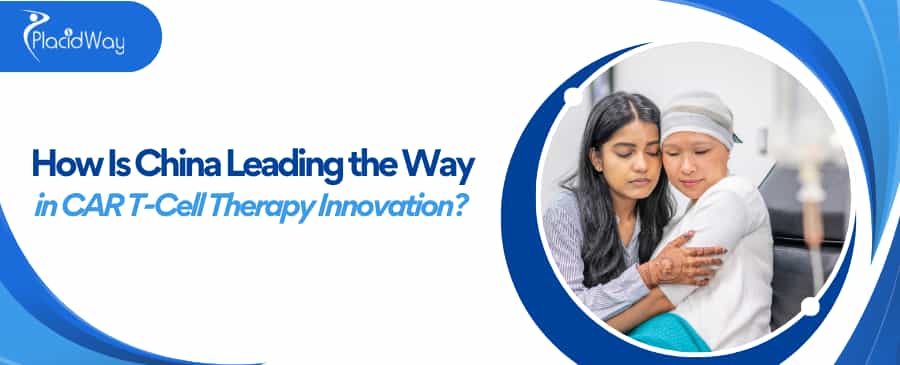
China leads CAR T-Cell Therapy innovation through rapid clinical trials and dual-targeting treatments for solid tumors. Advanced technology means a CAR T-Cell Therapy clinic in China offers world-class cancer care at highly accessible costs today.
Key Takeaways: Oncology Innovation & Accessibility
- Clinical Trial Dominance: The nation hosts a massive volume of active cellular therapy trials globally.
- Unprecedented Affordability: Out-of-pocket expenses are significantly lower than equivalent treatments in Western healthcare systems.
- Next-Generation Science: Researchers are successfully pioneering therapies that target solid tumors, not just blood cancers.
- Rapid Turnaround Times: Advanced biotechnology parks ensure faster laboratory processing of genetically modified immune cells.
- Global Standards: Top facilities maintain stringent international accreditations for maximum patient safety and treatment efficacy.
The landscape of global oncology has shifted dramatically over the past decade. Previously, patients seeking breakthrough immunotherapies had very limited geographic options. Today, the integration of extensive government funding, brilliant medical research, and state-of-the-art laboratory infrastructure has transformed Asia into a premier destination for life-saving cellular treatments. Understanding the nuances of this medical revolution is essential for anyone exploring advanced oncological care abroad.
Why is CAR T-Cell Therapy in China considered highly advanced for cancer treatment?
The nation rapidly accelerates clinical trials and invests heavily in biotechnology research. This progressive environment allows medical professionals to develop cutting-edge solutions faster than many Western counterparts.
The fundamental reason behind this rapid advancement lies in the sheer volume of clinical trials currently underway. While many countries face lengthy bureaucratic delays when transitioning new medical discoveries from the laboratory to the hospital bedside, local regulatory bodies have established highly streamlined pathways for promising oncological breakthroughs. This efficiency means that once a new genetic modification shows efficacy against cancer cells in a controlled environment, it can quickly reach the patients who desperately need it.
Furthermore, massive investments in specialized biotechnology parks across major cities like Shanghai and Beijing have created centralized hubs of scientific excellence. These biomedical campuses house some of the most sophisticated genome sequencing equipment available worldwide. By fostering a highly collaborative environment between university researchers, pharmaceutical companies, and clinical oncologists, the pace of continuous improvement remains unmatched.
Lastly, the sheer diversity and size of the patient population allow researchers to gather comprehensive data rapidly. When medical professionals conduct clinical trials involving hundreds of participants, they can identify subtle efficacy trends and minor side effects much faster than a trial involving only a handful of patients. This expansive data pool directly contributes to refining the genetic engineering process, resulting in a significantly more potent and reliable cellular therapy for international patients.
What is the average CAR T-Cell Therapy cost in China compared to Western countries?
Patients typically save over sixty percent when choosing this Asian destination for their treatment. The overall CAR T-Cell Therapy cost in China remains highly competitive while maintaining strict international medical standards.
Understanding the financial aspects of cellular immunotherapy is crucial for prospective patients. In many Western nations, the price tag for this life-saving procedure can easily exceed half a million dollars, excluding extended hospital stays and managing complications. However, the pricing structure in Asia presents a much more accessible reality without compromising on the underlying science or safety protocols.
- Initial Leukapheresis: The highly specialized process of extracting the patients blood and isolating the specific white blood cells is completed using advanced apheresis machines at a fraction of standard international rates.
- Cellular Engineering: The laboratory phase where T-cells are genetically modified using viral vectors benefits from immense economies of scale and localized production of biotechnology reagents.
- Bridging Chemotherapy: While waiting for cell modification, patients receive precisely targeted bridging therapy to keep the disease at bay, which is incredibly affordable within the local medical system.
- Intensive Care Monitoring: Post-infusion hospital stays, including potential time in the intensive care unit for close observation, cost remarkably less per day than equivalent international care.
- Holistic Package Models: Many facilities provide transparent package pricing that bundles medical translator services, daily consultations, and necessary medications into one predictable sum.
The dramatic reduction in manufacturing costs is largely due to domestic innovation in vector production. By producing the essential genetic delivery systems locally rather than importing them, specialized clinics pass enormous savings directly to the patient.
How do I choose a reliable CAR T-Cell Therapy clinic in China for my treatment?
Selecting a premier CAR T-Cell Therapy clinic in China requires verifying international accreditations and reviewing specific oncological success rates. Patients must prioritize facilities with dedicated international patient departments.
The selection process for a major oncological intervention should never be taken lightly. The foremost indicator of a trustworthy facility is comprehensive international accreditation, such as the Joint Commission International standard. When a hospital achieves this rigorous certification, it proves that their protocols regarding infection control, medication safety, and patient rights precisely mirror the most demanding hospitals globally.
Another critical factor is the dedicated infrastructure for cellular manipulation. You want to ensure the facility possesses its own integrated Good Manufacturing Practice laboratory on-site or works closely with top-tier biotech partners. Facilities that handle the entire process internally from cell collection to genetic engineering and final infusion often experience fewer logistical delays, maximizing the viability of the modified immune cells.
Finally, evaluate the experience of the multidisciplinary team. A successful outcome relies not only on the chief hematologist but also on expert intensive care specialists who manage potential immune reactions. Reviewing the historical data of the specific department, ensuring they have treated a high volume of complex cases, provides invaluable peace of mind before making your final decision.
What types of cancer can be treated with CAR T-Cell Therapy in China?
This innovative treatment primarily targets blood cancers like leukemia and lymphoma with unprecedented success rates. Recently, researchers are making breakthrough strides against various solid tumors as well.
The scope of cellular immunotherapy is expanding rapidly. Initially designed for extremely difficult hematological malignancies, the indication spectrum continues to broaden thanks to aggressive local clinical research programs. Here are the primary conditions currently being addressed:
- Relapsed Acute Lymphoblastic Leukemia: Patients who have exhausted traditional chemotherapy options often find incredible remission rates through targeted CD19 therapies.
- Diffuse Large B-Cell Lymphoma: This aggressive form of non-Hodgkin lymphoma shows tremendous responsiveness when treated with highly customized modified immune cells.
- Multiple Myeloma: Emerging BCMA-targeted treatments are fundamentally changing the survival trajectory for patients suffering from persistent bone marrow plasma cell cancer.
- Mantle Cell Lymphoma: Highly specialized clinical protocols offer new hope for individuals diagnosed with this historically challenging and frequently relapsing blood disorder.
- Emerging Solid Tumors: Groundbreaking clinical trials are currently pushing the boundaries by engineering cells to attack gastrointestinal, liver, and specific lung cancer markers.
Is medical tourism in China safe for international cancer patients seeking CAR T-Cell Therapy?
Engaging in medical tourism in China is extremely safe due to strict government regulations on healthcare quality. Top-tier oncology centers offer dedicated support teams to ensure international patients receive exceptional care.
Safety is invariably the ultimate concern for anyone traveling abroad with a compromised immune system. The local government places extreme emphasis on regulating medical facilities that cater to an international demographic. To maintain their operating licenses, these highly specialized hospitals must pass grueling bi-annual inspections covering everything from blood product safety to surgical sterilization techniques.
Beyond strict clinical regulations, the logistical safety nets provided by international patient departments are phenomenal. Before a patient even boards an airplane, their complete medical history is comprehensively reviewed by a panel of expert hematologists. Special medical visa documentation is rapidly prepared to ensure smooth border entry, allowing patients to focus entirely on their upcoming healing journey.
Once admitted, safety protocols reach exceptional levels. Immunocompromised patients are housed in state-of-the-art positive pressure isolation rooms that filter out airborne pathogens completely. Continuous monitoring technology tracks vital signs twenty-four hours a day, and highly trained rapid-response teams are permanently stationed on the oncology floor to handle any sudden physiological changes instantly.
Standard Treatment Timeline Overview
| Treatment Phase | Estimated Duration | Key Patient Activity |
|---|---|---|
| Phase 1: Evaluation & Apheresis | 3 to 5 Days | Comprehensive screening, diagnostic imaging, and white blood cell extraction. |
| Phase 2: Cellular Engineering | 14 to 21 Days | Resting, receiving bridging chemotherapy if required, while laboratory modifies T-cells. |
| Phase 3: Conditioning & Infusion | 4 to 6 Days | Mild chemotherapy to prepare the body, followed by the actual reintroduction of modified cells. |
| Phase 4: Acute Monitoring | 14 to 28 Days | Strict hospital observation for immune responses and intensive recovery management. |
How long does the entire process take for CAR T-Cell Therapy in China?
The complete treatment timeline usually spans four to six weeks from initial cell collection to final infusion. International patients should plan for an extended stay to accommodate necessary monitoring phases.
A successful cellular modification protocol is a marathon rather than a sprint. Preparing for the timeline properly reduces stress and allows the patient to focus on their healing. Here is an essential breakdown of the temporal commitment required:
- Initial Diagnostic Days: The first week is heavily concentrated on ensuring the patient is fit for the procedure via advanced cardiological and oncological assessments.
- The Collection Process: Patients spend several hours connected to an apheresis machine, a process functionally identical to donating plasma, to gather the vital baseline T-cells.
- The Manufacturing Wait: While the laboratory meticulously engineers the cells, patients typically rest at their specialized accommodation, supported by comprehensive medical tourism amenities.
- Lymphodepletion Prep: Before receiving the new supercharged cells, a brief cycle of conditioning chemotherapy is administered over three days to make room in the immune system.
- Post-Infusion Observation: A mandatory hospitalization period follows the infusion, lasting approximately two to three weeks to manage expected inflammatory responses carefully.
What makes the dual-targeting CAR T-Cell Therapy in China so revolutionary?
Dual-targeting techniques engineer immune cells to recognize two distinct cancer antigens simultaneously rather than just one. This innovation significantly reduces the risk of cancer relapse and improves long-term survival rates.
One of the most profound challenges in early cellular therapies was the phenomenon of antigen escape. Cancer is remarkably adaptable; if a modified T-cell is programmed to hunt down tumors bearing solely the CD19 protein, the cancer might mutate, drop the CD19 protein, and become invisible to the immune system again. This mutation process frequently led to frustrating relapses.
Biotechnology researchers addressed this directly by developing bispecific, or dual-targeting, cellular modifications. By programming the immune cells to lock onto both CD19 and CD22 proteins simultaneously, the cancer cells are effectively trapped. Even if the tumor mutates to hide one protein, the engineered immune cell will still recognize and destroy it based on the presence of the second marker.
The clinical implementation of this dual-targeting approach represents a massive leap forward in global oncology. Top-tier medical institutions across the region have perfected this complex genetic engineering, drastically lowering the relapse rate for difficult cases. For international patients suffering from highly mutated or aggressive malignancies, this specific technological advantage is absolutely invaluable.
What aftercare and monitoring are provided after CAR T-Cell Therapy in China?
Comprehensive monitoring follows the infusion to manage potential side effects like cytokine release syndrome. Top hospitals utilize advanced intensive care units to ensure patient stability during the critical recovery period.
The administration of genetically modified immune cells is meant to trigger a massive war inside the body against cancer. The byproduct of this intense biological battle is acute inflammation, commonly referred to as cytokine release syndrome. To manage this safely, patients remain strictly confined to specialized intensive monitoring units where heart rate, oxygen levels, and body temperatures are charted constantly.
Neurological monitoring forms another crucial pillar of the aftercare protocol. Because immense immune activity can temporarily affect the nervous system, specialists perform daily cognitive tests. Simple activities like writing a specific sentence or answering baseline questions allow neurologists to detect the earliest signs of neurotoxicity and intervene swiftly with targeted medications like specialized steroids.
Once the patient stabilizes and the acute phase passes, the long-term aftercare program begins. Before discharging the patient back to their home country, oncologists conduct thorough final evaluations and coordinate seamlessly with the patients local physician. A detailed discharge summary, complete with all imaging and laboratory results translated into English, ensures continuity of care upon arriving home.
Why Choose PlacidWay for CAR T-Cell Therapy in China?
PlacidWay serves as your trusted advocate in navigating complex international medical systems for life-saving treatments. We connect patients with fully vetted oncology centers to ensure absolute safety, transparency, and clinical excellence.
Facing a critical oncological diagnosis is overwhelming, and attempting to coordinate advanced biotechnology treatments overseas alone adds unnecessary stress. PlacidWay exists to remove these obstacles by providing a deeply researched, heavily vetted network of exceptional medical partners. Here is why patients implicitly trust our expertise:
- Strict Oncological Vetting: We perform rigorous background checks on every partner facility, ensuring they hold current international accreditations and verifiable success rates in cellular immunology.
- Financial Transparency Models: We demand complete pricing clarity from our partners, preventing unexpected hospital fees by outlining exact laboratory and treatment costs upfront.
- Direct Medical Integration: We facilitate secure, encrypted transfers of complex bone marrow and imaging reports directly between your local oncologist and the receiving international hematology department.
- Dedicated Patient Coordination: We ensure that every patient is assigned a specialized international medical coordinator within the hospital to handle daily translation and procedural explanations seamlessly.
- Comprehensive Post-Treatment Support: Our involvement does not end at hospital discharge; we actively maintain communication channels for long-term follow-up consultations and prescription guidance.
Frequently Asked Questions About CAR T-Cell Therapy in China
What is the success rate of CAR T-Cell Therapy in China for relapsed leukemia?
The success rate for treating relapsed or refractory acute lymphoblastic leukemia using this advanced cellular therapy is exceptionally high, often demonstrating complete remission rates exceeding eighty percent. Specialized oncology centers consistently achieve these remarkable outcomes by utilizing highly customized cellular engineering tailored to the specific genetic profile of the patient.
How does the waiting time for CAR T-Cell Therapy in China compare to Western countries?
Due to a vast network of dedicated biotechnology laboratories and specialized hospitals, the waiting time is significantly reduced. While patients in other nations might wait several months for cell processing, top-tier facilities in major Asian metropolitan centers can often engineer and return the customized T-cells within a highly efficient three to four week timeframe.
Are the laboratory standards for CAR T-Cell Therapy in China globally recognized?
Yes, the laboratories handling cellular extraction and genetic modification operate under strict international Good Manufacturing Practice guidelines. Furthermore, many premier oncology centers hold prestigious global accreditations, ensuring that every step of the genetic modification process adheres to the absolute highest levels of sterilization, safety, and scientific rigor.
Can international patients access experimental CAR T-Cell Therapy in China for solid tumors?
International individuals absolutely have pathways to access cutting-edge clinical trials focused on solid tumors such as liver, lung, and gastrointestinal cancers. Because the nation leads the world in the sheer volume of active clinical trials, eligible overseas patients can frequently find innovative protocols that are not yet available in their home healthcare systems.
What happens if I experience cytokine release syndrome during CAR T-Cell Therapy in China?
Cytokine release syndrome is a well-documented immune response, and the medical teams are exceptionally trained to manage it. Hospitals utilize specialized intensive care units equipped with advanced immunosuppressive medications to rapidly neutralize severe inflammatory responses, ensuring absolute patient stability throughout the critical post-infusion recovery phase.
Is advanced age a restricting factor for receiving CAR T-Cell Therapy in China?
Chronological age alone is rarely a strict disqualifier; instead, oncologists focus heavily on overall physiological health and organ function. Comprehensive pre-treatment cardiovascular and pulmonary assessments determine eligibility, meaning many healthy older adults successfully undergo the treatment and achieve long-lasting remission under careful medical supervision.
How do specialized oncology hospitals handle language barriers during CAR T-Cell Therapy in China?
Premier healthcare facilities established specifically for international visitors maintain robust international patient departments staffed by fluent medical interpreters. These dedicated professionals accompany patients to every single consultation, diagnostic test, and treatment session, ensuring flawless communication between the patient and the lead oncology team.
Do international medical insurance plans cover the CAR T-Cell Therapy cost in China?
Coverage depends entirely on the specific terms of your global health insurance policy. While some premium international providers cover treatments performed at accredited overseas hospitals, many patients currently self-fund their care due to the highly affordable out-of-pocket expenses compared to equivalent domestic treatment options.
What pre-treatment testing is required before undergoing CAR T-Cell Therapy in China?
Patients must undergo an exhaustive diagnostic battery including advanced PET scans, bone marrow biopsies, echocardiograms, and comprehensive blood panels. These rigorous evaluations ensure the patient possesses an adequate baseline immune system and sufficient organ strength to safely tolerate the intense cellular engineering and subsequent immune response.
How has medical tourism in China adapted to support complex cancer treatments?
The healthcare infrastructure has evolved dramatically to support long-term, highly complex medical stays by integrating multidisciplinary care teams and specialized recovery wards. Facilities now offer holistic support ranging from nutritional counseling tailored to immune-compromised individuals to comprehensive psychological support during the extended treatment timeline.
Discover Your Life-Saving Treatment Options Today
Strictly confidential. Our medical coordination team responds within 24 hours.



.png)
.png)









Share this listing