


Why Choose Costa Rica for Dental Veneers
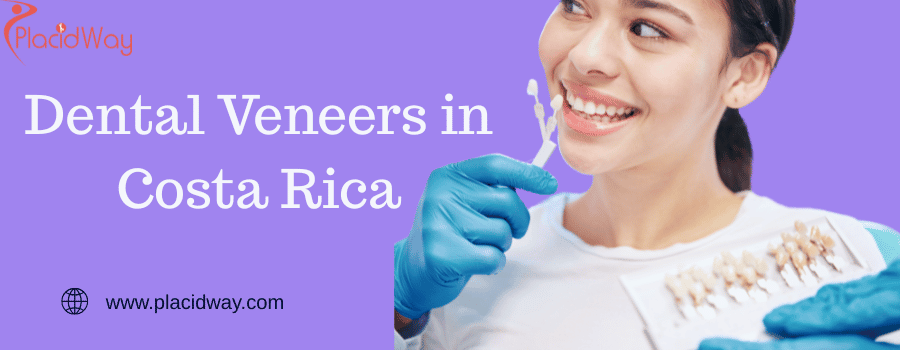
A full set of veneers in Costa Rica typically costs between $4,000 and $8,000, depending on materials like porcelain or composite. This price represents a savings of up to seventy percent compared to average dental prices in the United States.
Key Takeaways: Dental Enhancements in Central America
- Massive Cost Savings: Patients save thousands of dollars on full mouth restorations while maintaining premium material quality.
- Premium Materials: Access to world-renowned brands like E-max and highly durable Zirconia ceramics.
- Rapid Turnaround: Advanced CAD/CAM technology allows for complete smile makeovers in under a week.
- Specialized Experts: Treatments are performed by highly trained prosthodontists with international certifications.
- Vacation Environment: Recover in a tropical paradise known for its pristine beaches and eco-tourism.
Achieving a flawless, Hollywood-style smile is a dream for many, but the exorbitant prices of cosmetic dentistry in North America and Europe often put this goal out of reach. Recently, thousands of patients have discovered that combining world-class dental care with a tropical vacation is not only possible but incredibly cost-effective. Seeking veneers in Costa Rica has become a premier choice for those wanting top-tier aesthetic improvements without the crushing financial burden.
The landscape of international healthcare has shifted dramatically over the past decade. Central American medical hubs now boast state-of-the-art facilities that rival, and sometimes surpass, local neighborhood clinics in the US or UK. From 3D panoramic imaging to in-house porcelain milling machines, the technological advancements available south of the border are astounding. This guide will walk you through every aspect of securing a beautiful new smile abroad.
What factors influence the veneers cost in Costa Rica?
The total price depends largely on the number of teeth being treated and the specific material chosen. Additional preliminary treatments like teeth cleaning or contouring also impact the final bill.
- • Number of Units: A full smile makeover typically requires treating the visible teeth in your smile line. This usually means six to eight teeth on the top arch and occasionally the same number on the bottom, drastically multiplying the single-tooth rate.
- • Material Quality: The choice between direct composite resin and premium laboratory-milled porcelain makes the biggest difference in pricing. High-end E-max ceramics will always carry a higher price tag than basic resin.
- • Preliminary Dental Health: If a patient has active gum disease, cavities, or requires a root canal prior to cosmetic placement, these functional health issues must be addressed and billed before any aesthetic work begins.
- • Manufacturing Method: Clinics that outsource their dental molds to third-party laboratories might have different fee structures compared to elite centers equipped with their own in-house milling technology.
- • Specialist Credentials: Selecting a board-certified prosthodontist who exclusively handles complex cosmetic rehabilitations may cost slightly more than visiting a general dentist, but it ensures masterful aesthetic results.
Which materials are best for veneers in Costa Rica?
Porcelain and zirconia are considered the top materials due to their incredible durability and natural translucency. Composite resin is a budget-friendly alternative but may require replacement sooner.
When investing in a permanent smile transformation, selecting the right material is paramount to achieving a natural look. E-max porcelain is the reigning champion in the world of cosmetic dentistry. Crafted from lithium disilicate glass-ceramic, E-max offers an unparalleled combination of strength and beauty. It perfectly mimics the light-reflecting properties of natural human enamel, ensuring that the teeth do not look flat or artificial under harsh lighting.
Zirconia is another highly requested premium option. Known for its indestructible nature, zirconia is often utilized for patients who have a history of heavy teeth grinding or clenching. While slightly less translucent than E-max, modern layered zirconia provides phenomenal aesthetics while offering maximum resistance against chipping and fracturing over time.
For patients on a strict budget, composite resin offers a viable alternative. This material is applied directly to the tooth layer by layer and sculpted by the dentist in a single visit. While composite provides immediate aesthetic improvements and costs significantly less, it is more prone to staining from coffee or red wine and generally has a shorter lifespan than its ceramic counterparts.
Many Central American laboratories import their raw ceramic blocks directly from Germany and Switzerland. This means the physical material bonded to your teeth is exactly the same premium product used by luxury dentists in Beverly Hills or London.
How long does the procedure take at a veneers clinic in Costa Rica?
Most international patients need to stay for five to seven days to complete a full set of dental restorations. Clinics with on-site milling technology can sometimes finish the process in just three days.
The journey to a perfect smile begins on the very first day of your arrival. During the initial consultation, the specialist will take digital x-rays, perform a comprehensive oral examination, and capture 3D impressions of your mouth. Following a collaborative discussion about your desired tooth shape and shade, the dentist will carefully prepare your natural teeth by removing a microscopic layer of enamel to make room for the ceramic shells.
Once the teeth are prepped, you will be fitted with temporary acrylic covers. The digital impressions are then sent to the laboratory where master ceramists begin crafting your customized smile. This manufacturing phase usually takes two to four days. During this waiting period, patients have the perfect opportunity to relax by the hotel pool, explore local museums, or enjoy the world-renowned biodiversity of the surrounding region.
The final appointment involves removing the temporaries and performing a meticulous try-in of the permanent porcelain. The dentist will evaluate the fit, bite alignment, and color harmony. Once you approve the stunning new look, the ceramics are permanently bonded to your teeth using a specialized light-cured dental cement, instantly completing your transformation.
How do the prices compare between North American clinics and international dental centers?
Patients typically save between fifty and seventy percent when traveling south for cosmetic dentistry. A single porcelain unit in North America costs around two thousand dollars, whereas it is roughly four hundred dollars internationally.
The stark contrast in medical pricing is the primary catalyst driving the explosive growth of healthcare travel. In the United States, exorbitant overhead costs, predatory malpractice insurance rates, and high laboratory fees force dentists to charge a premium for cosmetic treatments. By crossing borders, patients escape this inflated pricing structure while retaining high clinical quality.
| Procedure Type | Average Cost in USA | Average Cost Abroad |
|---|---|---|
| Single Porcelain Unit | $1,800 - $2,500 | $350 - $450 |
| Single Composite Unit | $800 - $1,200 | $150 - $250 |
| Full Set (16 Porcelain) | $28,800 - $40,000 | $5,600 - $7,200 |
As demonstrated in the table, opting for a comprehensive smile makeover internationally leaves plenty of room in the budget to cover a luxurious hotel stay and high-end dining experiences, all while still returning home with thousands of dollars in savings.
How do I choose the best veneers clinic in Costa Rica?
You should look for board-certified prosthodontists who specialize in cosmetic smile makeovers and utilize modern CAD/CAM technology. Reading international patient reviews and verifying clinic accreditations are also vital steps.
- • Verify Accreditations: Ensure the facility holds certifications from recognized international bodies, such as the AAAHC or global ISO quality standards, guaranteeing strict hygiene and operational protocols.
- • Demand Portfolio Evidence: A reputable specialist will have an extensive gallery of high-resolution before-and-after photographs showcasing their artistic ability on previous foreign patients.
- • Check Technological Capabilities: The best centers employ panoramic 3D CBCT scanners, intraoral digital cameras, and advanced sterilization autoclaves to ensure precision and ultimate safety.
- • Assess Communication Skills: Clear communication is non-negotiable. The medical staff must be highly proficient in English to perfectly understand your aesthetic goals and alleviate any pre-treatment anxieties.
- • Evaluate Warranty Offers: Elite practitioners stand firmly behind their craftsmanship. Look for centers that offer long-term guarantees against material defects or structural failures in their ceramic restorations.
Is medical tourism in Costa Rica safe for dental procedures?
Yes, undergoing cosmetic dentistry in this Central American destination is highly safe when visiting accredited facilities. The country boasts world-class healthcare infrastructure and stringent sanitation protocols.
Safety is the primary concern for anyone seeking treatment abroad, and rightfully so. This tropical nation has spent decades solidifying its reputation as a safe, highly regulated sanctuary for health travelers. The Ministry of Health mandates strict licensing requirements for all practitioners and clinical facilities, ensuring that cross-contamination protocols and sterilization standards match those found in premium North American hospitals.
Furthermore, the geographic concentration of top-tier facilities creates an environment of excellence. Premium districts are home to exclusive healthcare corridors where state-of-the-art clinics operate side-by-side. These areas are incredibly safe, heavily policed, and entirely tailored to the needs of international visitors seeking high-end surgical and cosmetic interventions.
Beyond clinical safety, the overarching environment of the country contributes to a stress-free recovery. Known for its peaceful culture and abolition of a standing army, the local population is exceptionally welcoming. The combination of advanced clinical safety measures and a serene recovery atmosphere makes it one of the most trusted locations on the globe for health-based travel.
Many lead specialists in major international hubs complete continuous education courses at prestigious institutions like the American Dental Association. This cross-border education guarantees they remain updated on the absolute latest bonding techniques and cosmetic trends.
How long will my new dental restorations last after treatment?
High-quality porcelain restorations can last anywhere from ten to fifteen years with proper oral hygiene and regular dental checkups. Composite alternatives generally have a lifespan of five to seven years.
The longevity of your aesthetic investment depends entirely on two factors: the material chosen during your trip and how well you care for your teeth once you return home. Premium E-max and zirconia ceramics are highly resistant to structural wear and tear. Unlike natural enamel, they do not easily stain from dark liquids like coffee or tea, meaning your bright smile will remain radiant for over a decade if properly maintained.
Maintenance requires treating your new restorations with the same care as natural teeth. Brushing twice a day with non-abrasive toothpaste and flossing daily is mandatory to prevent gum disease around the margins of the ceramic. While the porcelain itself cannot decay, the natural tooth structure underneath is still susceptible to cavities if plaque is allowed to accumulate at the gum line.
Finally, mechanical protection is crucial. Dentists strongly advise against using your newly restored teeth as tools to open packages or bite fingernails. If you have a known history of bruxism or grinding your teeth during sleep, your specialist will fabricate a custom acrylic night guard. Wearing this protective appliance religiously every night is the absolute best way to protect your new investment from unnecessary chipping or fracturing.
What is the difference between crowns and a full set of veneers?
Veneers only cover the front surface of the tooth to improve aesthetics, while crowns encase the entire tooth structure for added strength. Your dentist will recommend the best option based on your existing tooth health.
Understanding the structural difference between these two treatments is essential for managing expectations. A veneer is essentially an ultra-thin cosmetic shield, usually about the thickness of a contact lens. It is designed solely to alter the shape, size, and color of the tooth. Because it only bonds to the front-facing enamel, the natural core of the tooth remains largely intact, making it a highly conservative procedure.
Crowns, conversely, serve a profound restorative purpose. If a tooth has suffered severe decay, has large existing fillings, or has undergone a root canal, a thin front shield will not provide enough structural support. In these cases, the tooth must be shaped down into a small peg, and a thick porcelain crown is placed entirely over it, capping it completely to restore massive biting strength and function.
During your international consultation, it is incredibly common for the specialist to recommend a hybrid approach. For example, a patient might receive thin cosmetic shields on their healthy front incisors to create a beautiful smile line, while receiving full crowns on their back molars to withstand heavy chewing forces. This customized approach ensures both flawless aesthetics and long-term functional stability.
Why choose PlacidWay for veneers in Costa Rica?
PlacidWay connects you with top-tier, rigorously vetted dental professionals worldwide to ensure a safe and successful smile makeover. We provide transparent pricing, dedicated support, and access to elite clinics.
- Strict Clinic Vetting Process We never partner with unverified facilities. PlacidWay ensures every listed clinic holds proper governmental licenses, international accreditations, and maintains an impeccable record of patient safety.
- Absolute Price Transparency Medical pricing should never be a mystery. We provide clear, comprehensive quotes before you ever make a decision, protecting you from hidden clinical fees or unexpected laboratory upcharges.
- Dedicated Consultation Coordination Our team facilitates direct communication between you and the foreign specialist. We help securely transfer your local x-rays and medical records so the doctor can evaluate your case remotely.
- Access to Verified Patient Reviews We believe in the power of shared experiences. PlacidWay provides access to testimonials and extensive visual portfolios from real international patients who have completed similar smile transformations.
- Continuous Patient Support From the moment of your initial inquiry until long after your medical treatment is finalized, our customer service team acts as your dedicated advocate, ensuring every clinical concern is promptly addressed.
Frequently Asked Questions About Dental Tourism
Are temporary restorations provided while waiting for the final set in San Jose?
Yes, after your teeth are prepared, the dentist will place temporary acrylic resin shells over your teeth. This protects the exposed enamel and allows you to eat and speak normally while the permanent porcelain restorations are being milled in the dental laboratory. You will never have to leave the clinic with exposed or sensitive teeth.
Can I get my teeth whitened before placing veneers in Costa Rica?
It is highly recommended to undergo professional teeth whitening before selecting the shade for your new smile. Because porcelain does not respond to bleaching agents, you want your natural teeth to be at their brightest so the custom shells can be matched perfectly to your ideal, brightened natural tooth color.
Is anesthesia used during the preparation phase in a Costa Rican dental clinic?
Yes, local anesthesia is standard protocol to ensure you are completely comfortable during the enamel preparation phase. The dentist will numb the gums and surrounding tissues before removing the micro-layer of enamel, making the entire procedure virtually painless for the patient.
Will I need a passport or visa for dental tourism in Costa Rica?
International patients traveling from the United States, Canada, and most European countries need a valid passport to enter the country. Most of these nationalities do not require a special medical visa for stays under ninety days, which is more than enough time to complete extensive cosmetic dentistry.
Are there age restrictions for getting cosmetic dentistry in Central America?
While there is no upper age limit for cosmetic dental enhancements, dentists typically advise against placing them on teenagers or individuals under the age of eighteen. The jawbone and teeth must be fully developed, and the patient must have healthy gums without active periodontal disease before undergoing the procedure.
What happens if a veneer chips after I return from my medical tourism trip?
High-quality porcelain is incredibly durable, but accidents can happen. Many top-tier international clinics offer warranties or guarantees on their lab work for several years. If a chip occurs, you can often have it repaired locally, or if it falls under warranty, the international clinic may provide a replacement during a future visit.
Can I eat normally after getting my new smile in Escazu?
Once the final porcelain shells are permanently cemented and the anesthesia wears off, you can resume a normal diet. However, dentists advise cutting hard foods like apples or crusty bread into smaller pieces and avoiding biting directly into very hard items like ice or hard candies to preserve the integrity of the ceramic.
Do Costa Rican dentists speak English fluently?
The vast majority of specialists working in the medical travel sector are bilingual. Many have completed advanced training, fellowships, or specialized degrees in the United States or the United Kingdom, ensuring that clinical communication, treatment planning, and post-operative instructions are delivered in perfect English.
Are payment plans available for international dental patients?
Direct in-house financing is generally not provided to foreign citizens due to international credit restrictions. However, major clinics accept all standard international credit cards. Patients often utilize third-party medical financing companies based in their home countries to cover the upfront costs of the trip.
How soon can I swim or exercise after my dental appointments in San Jose?
Because cosmetic dentistry is minimally invasive, you can usually return to light activities and sightseeing the very next day. However, it is recommended to avoid heavy cardiovascular exercise or swimming in chlorinated pools for the first twenty-four hours after local anesthesia and gum contouring to prevent unnecessary bleeding or irritation.
Transform Your Smile & Your Life Today
Do not let the overwhelming cost of domestic dental care hold you back from achieving the brilliant smile you deserve. PlacidWay connects you with globally recognized specialists. Request a personalized, no-obligation evaluation and discover how affordable luxury dentistry can truly be.
* Patient privacy is guaranteed. Our medical coordination team typically responds within 24 hours.





.png)

.png)










Share this listing