
Affordable Gastric Bypass in Istanbul: Full Guide
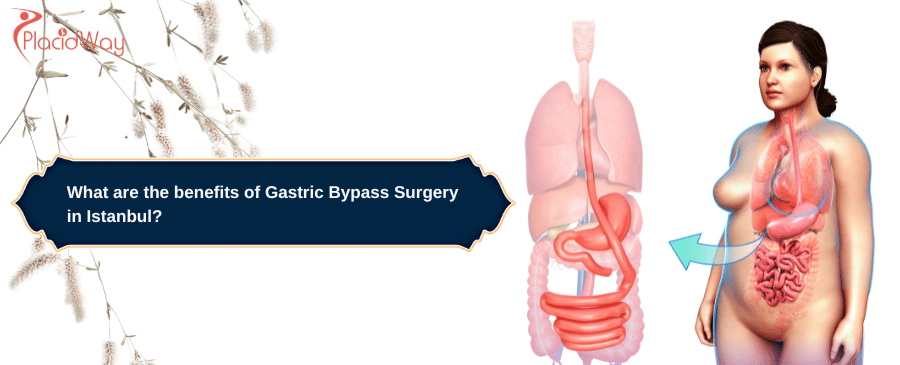
Navigating the decision to undergo bariatric surgery involves understanding how the procedure works, what lifestyle changes it demands, and where to seek care. Exploring Gastric Bypass Surgery in Istanbul has become a common consideration for individuals seeking surgical intervention for obesity. Often known medically as Roux-en-Y gastric bypass, this procedure involves creating a small pouch from the stomach and connecting it directly to the small intestine. This structural change alters how the body digests food and absorbs calories.
Many patients consider combining their treatment with a trip abroad to manage expenses without compromising on facility standards. However, traveling for medical reasons requires careful planning, a clear understanding of potential complications, and a strong commitment to long-term aftercare. This guide breaks down the essential aspects of the procedure, what international patients should anticipate, and how to approach this significant health decision responsibly.
Key Takeaways
- Gastric bypass works through both restriction of food intake and malabsorption of calories.
- The procedure can aid in the remission or improvement of conditions such as high blood pressure and type 2 diabetes in suitable patients.
- Treatment costs in Istanbul are often more accessible for international patients, though prices vary by individual needs.
- Bariatric surgery carries inherent risks, including nutritional deficiencies and surgical complications.
- Lifelong commitment to dietary changes and local follow-up care in your home country is crucial for long-term success.
How does a gastric bypass procedure promote weight loss
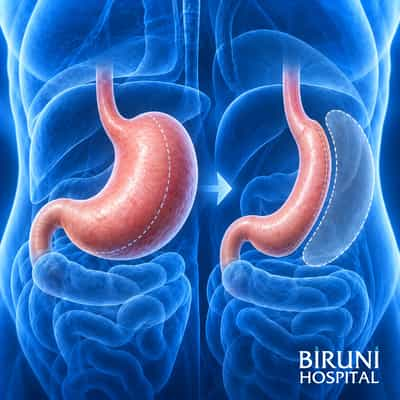
The Roux-en-Y procedure employs two primary mechanisms to help patients lose excess weight. First, it involves significant restriction. A surgeon creates a small pouch at the top of the stomach, roughly the size of a walnut. Because this new stomach holds very little food, you feel full much faster and eat significantly smaller portions than before.
The second mechanism is malabsorption. The surgeon attaches this small pouch directly to the middle section of the small intestine, bypassing the rest of the stomach and the upper portion of the small intestine. When food travels through this newly routed digestive tract, it skips the areas where many calories and nutrients are typically absorbed into the bloodstream. This combined approach often leads to substantial initial weight loss, provided the patient adheres to post-operative dietary protocols.
What health conditions can improve after gastric bypass
Bariatric surgery is frequently sought not just for weight reduction, but for its metabolic benefits. Beyond physical weight loss, gastric bypass surgery causes changes in gut hormones that promote satiety and suppress hunger. These hormonal shifts can also significantly improve how the body metabolizes sugar, leading to rapid improvements in type 2 diabetes, sometimes even before significant weight loss occurs.
Other conditions often affected by severe obesity also tend to improve. Many patients report relief from obstructive sleep apnea, allowing for better sleep quality and reduced strain on the heart. High blood pressure and elevated cholesterol levels may normalize, potentially reducing cardiovascular risks over time. Additionally, shedding excess weight drastically reduces the mechanical stress placed on weight-bearing joints like the knees and hips, which can improve mobility and decrease chronic osteoarthritis pain. However, these improvements are not guaranteed, and regular medical monitoring remains necessary.
How does the Gastric Bypass Surgery cost in Istanbul compare globally
One of the driving factors for patients looking abroad is the significant difference in medical pricing. In the United States, an uninsured or underinsured patient might face bariatric surgery costs upwards of $20,000 to $25,000. By contrast, the Gastric Bypass Surgery cost in Istanbul is often a fraction of that amount. This lower price point is primarily due to differences in operational overhead, local currency valuations, and overall cost of living, rather than a reduction in surgical capability.
When reviewing financial estimates, it is critical to ask what is included. Many facilities provide treatment packages that bundle the surgical fee, anesthesia, hospital stay, pre-operative testing, and sometimes initial post-operative medications. However, patients must also budget for long-term expenses that are rarely included, such as lifelong vitamin supplements, local follow-up consultations back home, potential complication management, and travel expenses.
What makes someone a suitable candidate for bariatric surgery
Gastric bypass is not appropriate for individuals who need to lose a small amount of weight or those who have not previously attempted medically supervised diet and exercise programs. The criteria set by international medical guidelines suggest that candidates must demonstrate a severe level of obesity that poses significant health risks.
Beyond physical measurements, a suitable candidate must undergo a comprehensive medical and psychological evaluation. Healthcare providers assess heart health, lung function, nutritional status, and mental readiness. The surgery demands extreme, lifelong changes to eating habits. Individuals with untreated eating disorders, unmanaged psychiatric conditions, or active substance abuse issues are typically contraindicated for the procedure because these conditions can severely compromise recovery and long-term health.
What should you look for in a Gastric Bypass Surgery clinic in Istanbul
When selecting a Gastric Bypass Surgery clinic in Istanbul, patients should prioritize safety, credentials, and comprehensive care over marketing claims or rock-bottom prices. Bariatric surgery is a major medical event requiring extensive expertise. You should look for facilities that hold international accreditations or meet strict national health regulations, indicating they undergo regular quality and safety audits.
Equally important is the team approach to care. The most responsible facilities utilize a multidisciplinary team that includes the operating surgeon, specialized anesthesiologists, registered dietitians, internal medicine physicians, and psychological support staff. Ensure the clinic is transparent about complication rates, provides written communication in a language you fully understand, and is willing to collaborate with your primary care doctor at home.
What are the risks and potential complications of this surgery
It is vital to understand that gastric bypass is a major abdominal surgery, and no surgical procedure is entirely risk-free. Immediate post-operative risks can include adverse reactions to general anesthesia, wound infections, blood clots (deep vein thrombosis or pulmonary embolism), and breathing difficulties. One of the more severe early complications is an anastomotic leak, which occurs if the surgical connections between the stomach and intestines fail to heal properly, potentially leading to widespread abdominal infection.
Long-term risks are heavily tied to the altered digestive anatomy. Because the body can no longer absorb nutrients efficiently, patients face a high risk of developing severe deficiencies in vitamin B12, iron, calcium, and folate if they do not adhere to lifelong supplementation. Additionally, patients may experience dumping syndrome, which causes nausea, weakness, sweating, and diarrhea when consuming foods high in sugar or simple carbohydrates. Gallstones and bowel obstruction are also potential long-term complications that may require subsequent medical intervention.
What does the typical recovery timeline look like
Recovery from bariatric surgery is a gradual process that demands patience and strict adherence to medical advice. Immediately following the operation, you will be monitored in the hospital to ensure your surgical connections are secure and that you can safely consume liquids without severe nausea. Pain and fatigue are common in the initial days. Medical staff will encourage early, gentle walking to promote blood circulation and reduce the risk of clot formation.
The dietary recovery timeline is strictly structured to allow the stomach pouch to heal. Adhering to this phased approach is non-negotiable for safety.
| Recovery Phase | Typical Timeline | Dietary Focus |
|---|---|---|
| Phase 1 | Days 1 - 7 | Clear liquids only (water, broth, sugar-free gelatin). Sip slowly. |
| Phase 2 | Weeks 2 - 3 | Full liquids (protein shakes, thin strained soups). |
| Phase 3 | Weeks 4 - 5 | Pureed, smooth foods with no solid chunks. Focus on protein. |
| Phase 4 | Week 6 onward | Gradual introduction of soft solid foods, prioritizing protein and chewing thoroughly. |
Why is medical tourism in Istanbul popular for weight loss procedures
The growth of medical tourism in Istanbul is largely driven by the region's focus on healthcare infrastructure development over the past decade. Many medical facilities have invested heavily in modern surgical technologies and specialized in treating foreign visitors. Consequently, patients often find that medical staff and coordination teams speak multiple languages, easing communication barriers during a vulnerable time.
Furthermore, surgeons operating in these major city centers often perform a high volume of bariatric cases annually, which can contribute to their surgical proficiency. Despite these advantages, medical tourism carries unique challenges. Traveling shortly after surgery can be physically exhausting and increases the risk of travel-related complications like deep vein thrombosis. Patients must carefully weigh the financial advantages against the logistical complexities of receiving care far from home.
What dietary and lifestyle changes are required long-term
Gastric bypass is not a standalone cure for obesity; it is a clinical tool that requires ongoing effort to be effective. Because the new stomach pouch holds very little food, patients must learn to eat small meals throughout the day. Drinking liquids with meals can quickly flush food out of the pouch, leaving you hungry or causing nausea, so patients must learn to separate eating and drinking by at least 30 minutes.
Protein intake becomes the daily dietary priority to maintain muscle mass during rapid weight loss. Sugary, high-fat, and heavily processed foods must be avoided, not only because they can cause dumping syndrome, but because they can lead to weight regain over time. Regular physical activity must be integrated into your lifestyle to support cardiovascular health and metabolic stability.
How should international patients plan for post-operative aftercare at home
One of the most critical aspects of traveling for surgery is ensuring continuity of care upon return. When you leave the country where the procedure was performed, your operating surgeon can no longer provide direct physical examinations or immediate intervention if something goes wrong. Therefore, establishing a relationship with a local general practitioner, and ideally a local bariatric dietitian, before you travel is essential.
Your local healthcare team will be responsible for drawing blood to check for nutritional deficiencies, monitoring your weight loss trajectory, and intervening if issues like gallstones, strictures, or ulcers develop months or years later. Always request complete, translated copies of your surgical notes, discharge summaries, and implant details from the clinic abroad to provide to your local doctor.
Why Choose PlacidWay for Medical Tourism Exploration
Navigating international healthcare options can be complex. PlacidWay acts as an informational platform to help individuals research their options abroad. When considering treatment locations, PlacidWay offers several resources:
Global Connections: Connects patients directly with internationally recognized healthcare facilities and clinics.
Provider Details: Provides public access to detailed hospital profiles and professional medical credentials.
Cost Comparisons: Offers a consolidated platform to compare initial treatment estimates across different countries.
Direct Communication: Facilitates direct messaging between patients and their chosen medical centers for pre-screening inquiries.
Educational Resources: Supplies articles, guides, and information to help patients make informed decisions regarding medical travel.
Frequently Asked Questions
How long does the gastric bypass surgery procedure take?
The surgery typically takes between two to three hours to complete, depending on the patient's specific anatomy and the complexity of the procedure.
Will I need to take vitamins for the rest of my life?
Yes, because the surgery alters your digestive tract and reduces nutrient absorption, lifelong supplementation of vitamins and minerals like B12, iron, and calcium is medically required.
How much weight can I expect to lose?
While results vary significantly by individual, many patients lose 60 to 80 percent of their excess body weight within the first 12 to 18 months, provided they strictly follow dietary guidelines.
What is dumping syndrome?
Dumping syndrome occurs when food, especially sugar, moves too quickly from the stomach into the small bowel. It can cause nausea, sweating, dizziness, and diarrhea after eating.
Can a gastric bypass be reversed?
Although it is technically possible to reverse a gastric bypass in life-threatening medical emergencies, it is considered a permanent procedure and reversal is highly complex and rarely performed.
How soon after surgery can I fly home from Istanbul?
Most bariatric surgeons recommend staying in the country for at least 7 to 10 days post-surgery to ensure initial healing and to be monitored for any early complications before taking a long flight.
Will I have excess skin after significant weight loss?
Many patients who experience rapid and substantial weight loss do develop loose or excess skin. Depending on the severity, some may choose body contouring surgery later on.
Can I get pregnant after gastric bypass surgery?
Pregnancy is possible, but medical professionals strongly advise waiting 12 to 18 months after surgery until your weight stabilizes to ensure proper nutrition for both mother and baby.
What kind of diet is required immediately after surgery?
Patients must follow a strict, phased dietary progression starting with clear liquids, moving to full liquids, then pureed foods, and eventually soft solid foods over several weeks.
Are there age limits for undergoing bariatric surgery in Turkey?
Surgery is generally performed on adults between 18 and 65 years old. Cases falling outside this range require extensive specialized medical evaluation to determine safety and suitability.
Compare Treatment Options
Gather the information you need to make an informed decision about your health and medical travel.
Request Treatment InformationReferences
- Bariatric Surgery Procedures – American Society for Metabolic and Bariatric Surgery (ASMBS)
- Bariatric Surgery – National Institute of Diabetes and Digestive and Kidney Diseases (NIDDK)
- Medical Tourism Guidelines – Centers for Disease Control and Prevention (CDC)
- Gastric Bypass (Roux-en-Y) – Mayo Clinic
- Gastric Bypass Surgery – MedlinePlus Medical Encyclopedia
- Obesity and Overweight Fact Sheet – World Health Organization (WHO)



























Share this listing