
Accessing Knee Surgery Services in Cancun

For many patients suffering from chronic joint pain, restricted mobility, or sports injuries, orthopedic surgery is a life-changing necessity. However, high healthcare costs, lack of insurance coverage, or long waiting lists often lead individuals to explore options outside their home countries. If you are considering traveling for joint care, understanding the logistics, costs, and safety considerations is absolutely essential before making a decision.
Key Takeaways
- Cancun offers a variety of orthopedic procedures, including total joint replacements, partial replacements, and minimally invasive arthroscopy.
- Patients typically travel to Mexico to access healthcare at a lower out-of-pocket cost or to bypass prolonged wait times at home.
- Thoroughly verifying hospital accreditation and surgeon board certifications is a critical step for protecting patient safety.
- Recovery requires a mandatory, multi-day stay in Cancun to monitor healing and prevent dangerous travel-related blood clots.
- Securing a local physical therapist for long-term rehabilitation back home is vital for restoring joint function.
1. What types of knee surgery are commonly performed in Cancun?
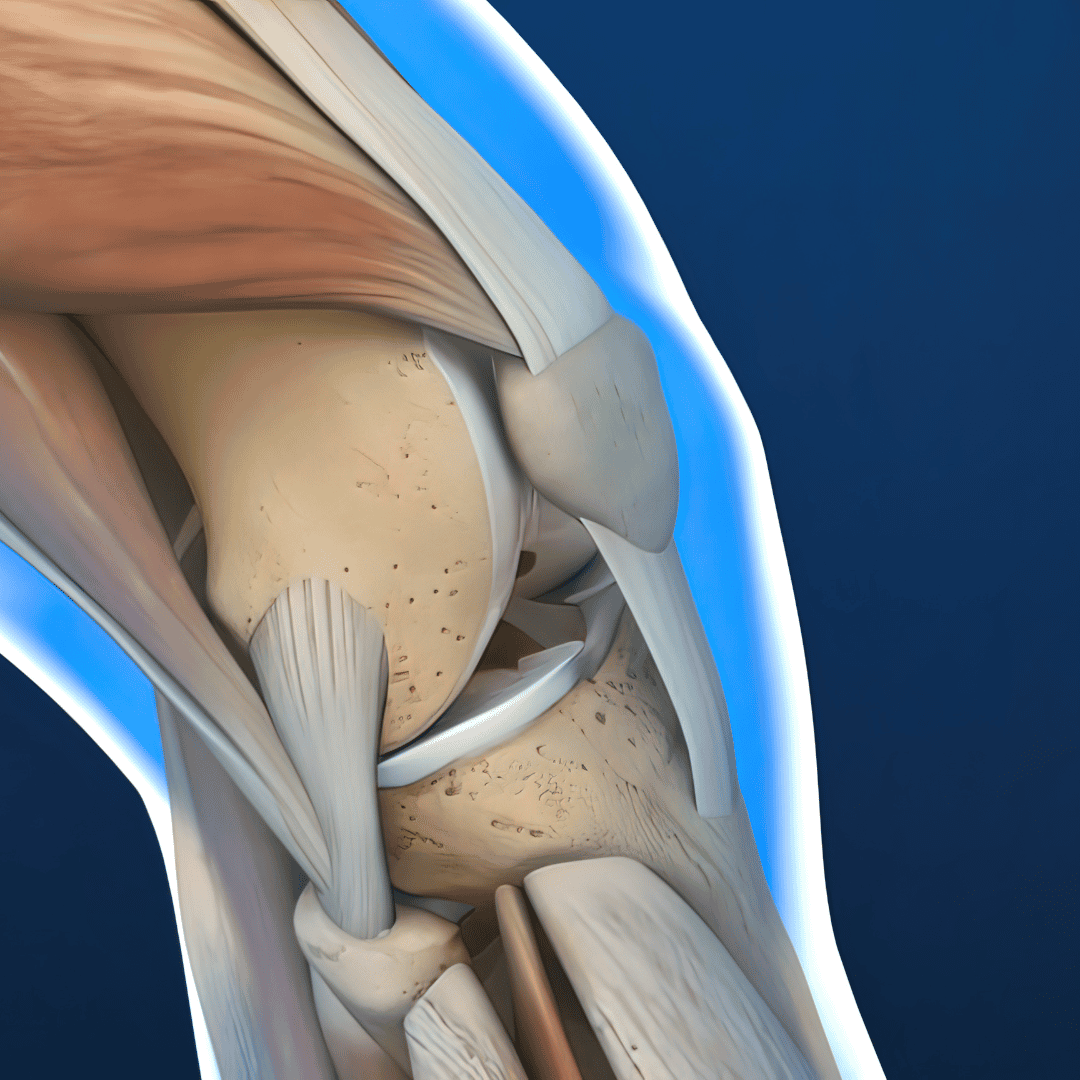
Medical facilities in Cancun cater to a variety of orthopedic needs. The most commonly requested procedure by international patients is Total Knee Arthroplasty (TKA), or total knee replacement. This surgery involves removing damaged cartilage and bone from the joint and replacing it with an artificial implant, usually made of metal alloys and high-grade plastics. It is frequently recommended for patients with severe osteoarthritis that no longer responds to conservative treatments.
In addition to total replacements, many facilities offer partial knee replacements, which are less invasive and target only the most damaged compartment of the knee. For sports injuries, surgeons in Cancun also perform Anterior Cruciate Ligament (ACL) reconstructions and meniscus repairs. Diagnostic and therapeutic knee arthroscopy, a procedure using a tiny camera and small instruments to repair minor joint damage, is also widely available.
2. How much does knee surgery cost in Mexico compared to the US?
The primary driver for seeking medical care abroad is often the financial savings. In the United States, an uninsured or underinsured patient might face out-of-pocket costs exceeding $30,000 to $40,000 for a total knee replacement, not including hospital stays, anesthesia, and extensive physical therapy. In contrast, estimates for the same procedure in Mexico typically range between $7,000 and $12,000.
It is crucial to understand that these figures are estimates. The final cost can fluctuate based on the specific brand of the prosthetic implant, the complexity of your joint disease, the duration of your hospital admission, and the surgeon's fee structure. When reviewing cost estimates, always ask for an itemized breakdown to confirm whether the price includes pre-operative testing, post-operative physical therapy in the hospital, medications, and medical follow-up.
3. How do I find a reputable knee surgery clinic in Mexico?
Patient safety should always be the priority when selecting a healthcare provider abroad. Start by looking for hospitals that hold recognized accreditations. In Mexico, the highest national standard is accreditation by the Consejo de Salubridad General (CSG), which models its guidelines after international safety standards. Additionally, some facilities carry Joint Commission International (JCI) accreditation, a global benchmark for healthcare quality and patient safety.
Equally important is the surgeon's individual credentials. Verify that the physician is board-certified in orthopedics in Mexico, often indicated by membership in the Mexican Council of Orthopedics and Traumatology. You can also ask where they completed their surgical training and fellowships, as many top specialists in medical tourism hubs have undergone additional training in the United States, Canada, or Europe.
4. Am I a good candidate for traveling for knee surgery?
Undergoing major joint surgery is a significant physical stressor, and adding international travel to the process complicates recovery. Suitable candidates are generally in stable overall health, aside from their joint issues. They should not have uncontrolled systemic diseases that could increase the risk of surgical complications or anesthesia reactions.
Certain medical histories may disqualify a patient from safely traveling for surgery. If you have severe cardiovascular disease, a history of deep vein thrombosis (DVT) or pulmonary embolisms, unmanaged diabetes, or a very high Body Mass Index (BMI), the risks of flying and operating may outweigh the benefits. It is highly recommended that you consult your primary care physician at home before making any concrete travel plans.
5. What are the risks of traveling to Cancun for knee surgery?
Any surgical intervention, regardless of where it is performed, involves potential complications. Standard orthopedic risks include surgical site infections, bleeding, nerve damage, stiffness in the joint, and in rare cases, failure or loosening of the prosthetic implant. You must discuss these general risks extensively during your consultation.
The unique risk associated with medical tourism is travel-related. Flying, particularly on flights longer than four hours, naturally increases the risk of Deep Vein Thrombosis (DVT). Combining the immobility of a flight with the trauma of lower-extremity surgery creates a compounding risk factor. Surgeons mitigate this by prescribing prophylactic blood thinners, utilizing compression stockings, requiring early walking after surgery, and enforcing a strict no-fly period immediately following the operation.
6. How long do I need to stay in Cancun after the procedure?
- Hospital Stay: Patients typically spend 2 to 4 nights in the hospital immediately following a knee replacement for monitoring and pain management.
- Hotel Recovery: After discharge, you will move to a local hotel to continue early recovery for an additional 7 to 10 days.
- Initial Therapy: During this time, you may attend light physical therapy sessions or do prescribed exercises in your room.
- Wound Check: The surgeon will need to assess the incision site, remove staples or sutures if applicable, and ensure there are no early signs of infection.
- Flight Clearance: Only when the surgeon is satisfied with your healing and mobility will you be cleared to endure the physical strain of an international flight.
7. How is post-operative rehabilitation handled?
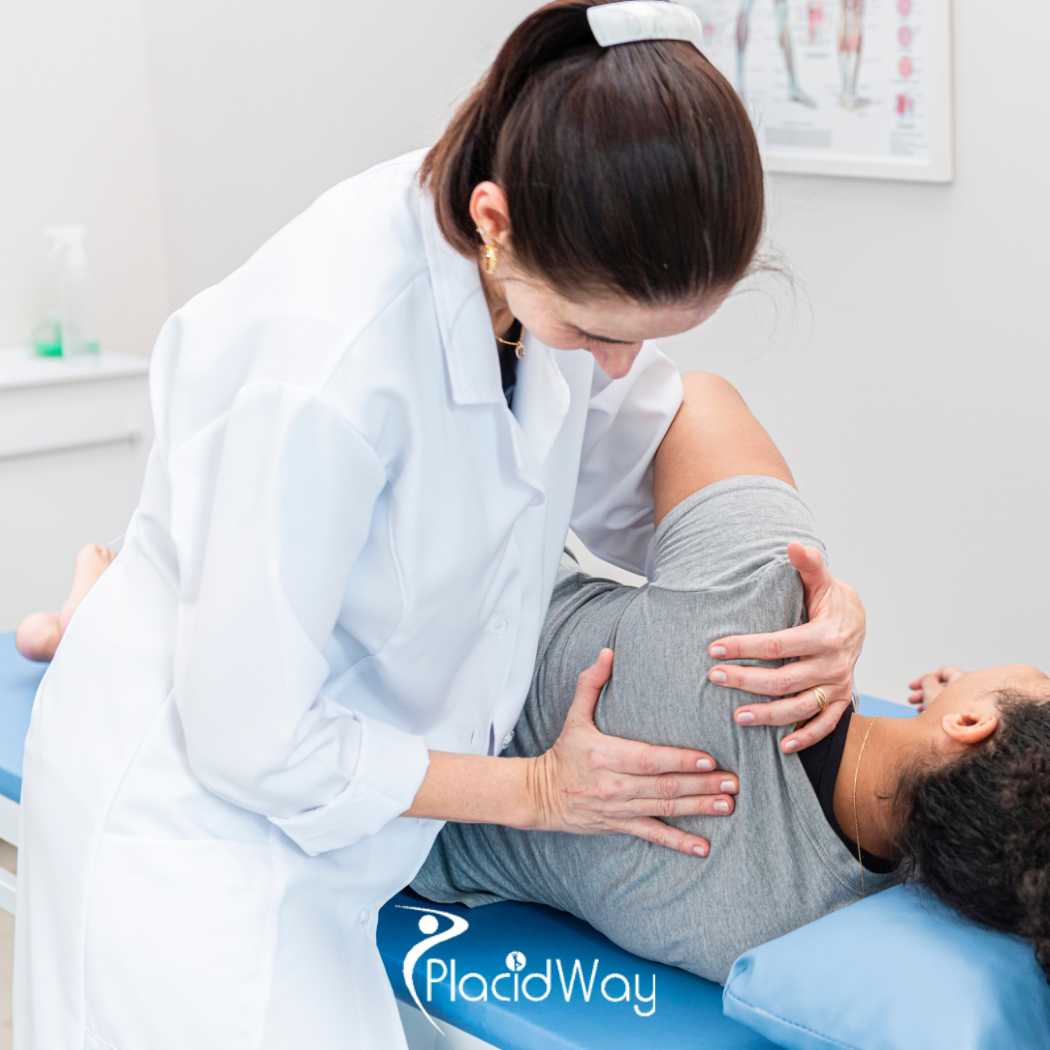
The success of a knee replacement relies heavily on strict adherence to a physical therapy protocol. In Cancun, your therapy will start almost immediately. A physical therapist will likely visit your hospital room to help you stand, bear weight on the new joint, and begin gentle range-of-motion exercises. This early mobilization is critical to prevent scar tissue formation and reduce blood clot risks.
However, a full recovery from a knee replacement takes several months. Before you travel to Mexico, you should schedule appointments with a physical therapist in your hometown. Your surgeon in Cancun should provide you with a detailed operative report and a recommended rehabilitation protocol to share with your local physical therapist, ensuring a smooth transition of care once you arrive home.
8. What happens if I experience complications after returning home?
One of the main challenges of seeking surgery abroad is managing delayed complications. If you develop a fever, excessive swelling, severe pain, or discharge from the incision site weeks after returning home, you cannot simply visit your operating surgeon. You must have a plan in place to be evaluated by a local physician.
To facilitate this, ensure you leave Mexico with comprehensive medical records, including pre-operative and post-operative X-rays, detailed surgical notes, and information on the exact make and model of your knee implant, all translated into English. Additionally, consider purchasing specialized medical complications insurance before your trip, as standard domestic health insurance may sometimes challenge claims related to complications from unapproved overseas procedures.
9. How does medical tourism in Mexico work for joint replacements?
The pathway for an international patient generally begins with a virtual consultation. You will send your medical history and recent imaging (like X-rays or MRIs) to the clinic in Cancun. The medical team reviews these documents to provide a preliminary assessment of your candidacy and an estimated treatment plan.
Once you agree to proceed, you travel to Cancun a few days prior to the surgery. Upon arrival, you will undergo in-person pre-operative testing, which usually includes blood work, an EKG, and a physical examination by an internal medicine specialist to ensure you are fit for anesthesia. After the surgery and your mandatory recovery stay in a local hotel, you will have a final clearance consultation before heading to the airport.
10. Can I enjoy a vacation in Cancun while recovering from knee surgery?
It is a common misconception that combining surgery with a tropical holiday is a seamless experience. In reality, recovering from major joint surgery is painful and exhausting. Your mobility will be severely restricted, and you will rely on a walker or crutches to get around your hotel room.
Furthermore, surgeons have strict post-operative rules to prevent infections and promote proper healing. You will not be allowed to submerge your healing incision in swimming pools, hot tubs, or the ocean. Sun exposure to the surgical site is also strongly discouraged. Your time in Cancun will be heavily focused on resting, taking medications, managing pain, and performing physical therapy exercises.
Why Choose PlacidWay for Medical Tourism in Mexico?
Navigating the landscape of international healthcare can be complex. PlacidWay serves as a resource for patients exploring cross-border medical options.
- PlacidWay provides access to directories of internationally accredited medical centers and hospitals.
- The platform allows patients to browse detailed profiles highlighting provider credentials, education, and facility standards.
- Users can compare estimated pricing structures for orthopedic procedures across different clinics and regions.
- PlacidWay facilitates the initial communication process, connecting patients directly with international medical teams for consultations.
- The directory includes educational resources to help patients understand the clinical and logistical aspects of seeking healthcare abroad.
Frequently Asked Questions
Can I get a bilateral knee replacement in Cancun?
Some orthopedic surgeons in Cancun perform bilateral (both knees) replacements, but this depends entirely on your overall health, cardiovascular fitness, and age. Bilateral surgery carries a higher risk of complications and requires a more intensive recovery, so a thorough medical evaluation is required.
What type of implants are used by orthopedic surgeons in Mexico?
Many reputable facilities in Mexico use the same FDA-approved, globally recognized implant brands (such as Zimmer Biomet, Stryker, or Smith & Nephew) that are used in the US and Canada. You should always ask the clinic to confirm the specific brand and material of the implant before committing to surgery.
Will my home health insurance cover knee surgery in Cancun?
Standard US and Canadian domestic health insurance plans, including Medicare, typically do not cover planned elective surgeries performed abroad. Some specialized medical tourism insurance policies or progressive employer self-funded plans may offer coverage, but you should verify this directly with your provider.
Is it safe to fly after having a knee replacement?
Flying immediately after major joint surgery significantly increases the risk of deep vein thrombosis (DVT), a dangerous blood clot. Surgeons generally require patients to wait 10 to 14 days before flying and often prescribe blood thinners and compression stockings for the journey.
Do orthopedic surgeons in Cancun speak English?
Because Cancun is a major hub for international patients, many orthopedic surgeons and key medical staff at hospitals catering to medical tourists speak fluent English. However, it is always wise to confirm language capabilities or the availability of medical translators during your initial consultation.
How do I transport my medical records to Mexico?
You can usually share digital copies of your medical records, including X-rays, MRI scans, and blood work, via a secure online portal provided by the clinic prior to your trip. You should also bring physical copies and a CD or thumb drive containing your imaging files when you travel.
What should I pack for a medical trip for knee surgery?
Pack loose-fitting shorts, wide-leg trousers, and slip-on shoes with good traction to accommodate bandages and swelling. You will also need all current prescription medications in their original bottles, your medical records, and any mobility aids recommended by your surgeon.
Are blood transfusions safe in Mexican hospitals?
Accredited hospitals in Mexico follow strict national and international guidelines for screening and handling blood products, minimizing the risk of transfusion-transmitted infections. If you have concerns, discuss blood conservation strategies or autologous donation (using your own blood) with your surgeon.
How soon can I walk after knee replacement surgery?
Depending on the surgical technique and your individual condition, physical therapists often help patients stand and take a few steps with a walker within 24 hours of surgery. Early mobilization is encouraged to promote healing and reduce the risk of blood clots.
Can I travel alone for knee surgery in Cancun?
Traveling alone for major orthopedic surgery is highly discouraged. You will need a companion to assist you with daily activities, manage luggage, help you navigate the airport, and provide support during your initial recovery phase in the hotel.
Explore Your Joint Care Options
Compare medical facilities, review orthopedic surgeon profiles, and request educational information about treatment abroad to help you make an informed decision.
Request Treatment InformationReferences
- Total Knee Replacement – American Academy of Orthopaedic Surgeons (AAOS)
- Medical Tourism Guidelines – Centers for Disease Control and Prevention (CDC)
- Safe Surgery Protocols – World Health Organization (WHO)
- Accredited Organizations Directory – Joint Commission International (JCI)
- Deep Vein Thrombosis (DVT) Risks and Prevention – Mayo Clinic
- Travel Health Guidelines – American Society of Tropical Medicine and Hygiene























Share this listing