
Robotic-Assisted Orthopedic Surgery Options in Turkey
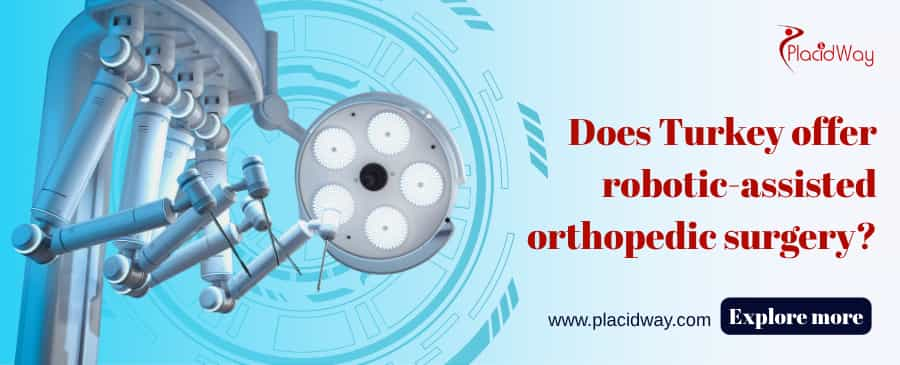
If you are exploring options for joint replacement, you may be wondering if you can find robotic assisted orthopedic surgery in Turkey. Over the last decade, several medical centers across the country have integrated robotic technology into their orthopedic departments. This technology is primarily used for knee and hip replacements, offering a modern alternative to traditional manual surgery.
Choosing to travel abroad for medical care requires careful thought and thorough research. Understanding how robotic systems work, what the recovery entails, and the practicalities of seeking healthcare internationally can help you make an informed decision about your joint health.
Key Takeaways
- Many facilities in Turkey utilize robotic systems for partial knee, total knee, and total hip replacements.
- Robotic surgery does not mean a robot performs the operation; it assists a qualified surgeon with 3D planning and precision.
- Costs are generally lower than in North America or Western Europe, but they vary based on the implant and individual needs.
- Recovery requires long-term physical therapy, which must be continued in your home country.
- Patients should consult with their local doctor to manage aftercare and potential complications before traveling.
What types of robotic orthopedic surgeries are available in Turkey?
Robotic technology in orthopedics is primarily designed for arthroplasty, which is the surgical reconstruction or replacement of a joint. When looking into these procedures, you will typically find three main options available.
- Total Knee Arthroplasty (TKA): This involves replacing the entire knee joint with an artificial implant. The robotic system helps the surgeon balance the soft tissues and align the implant based on a 3D model of your specific knee anatomy.
- Partial Knee Arthroplasty (UKA): If arthritis is confined to just one compartment of the knee, a partial replacement might be an option. The robotic arm assists the surgeon in targeting only the damaged bone, helping to preserve healthy bone and ligaments.
- Total Hip Arthroplasty (THA): For severe hip arthritis, robotic systems assist in preparing the hip socket and positioning the implant, aiming for accurate alignment which may reduce the risk of dislocation.
How much is the estimated robotic assisted orthopedic surgery cost in Turkey?
Patients often consider traveling abroad because of healthcare pricing. While we cannot provide exact figures, the cost of robotic joint replacement in Turkey generally includes the surgeon's fees, the hospital stay, anesthesia, and the implant itself. However, because robotic systems involve expensive technology and specialized maintenance, these surgeries usually cost more than traditional, manual joint replacements performed in the same facility.
When reviewing estimates, you should ask what is included. Some quotes might cover physical therapy during your hospital stay and airport transfers, while others only cover the surgery itself. Additionally, costs can increase if you have complex medical needs, require an extended hospital stay, or need specific, premium implant brands. It is always best to request a detailed, individualized estimate from the provider.
How does the robotic system assist the orthopedic surgeon?
A common misconception is that the robot performs the surgery. In reality, the orthopedic surgeon is in control at all times. Before the surgery, you will usually have a CT scan. The robotic software uses this scan to create a virtual 3D model of your joint. The surgeon uses this model to plan the exact size, placement, and alignment of your implant before making any cuts.
During the operation, the surgeon guides the robotic arm. The system provides real-time feedback and sets boundaries (often called haptic feedback or virtual boundaries) so the bone saw or burr only operates within the predefined area. If the tool moves outside the planned boundary, the system will temporarily stop, which helps protect surrounding soft tissues and healthy bone.
What are the potential benefits of this technology?
While traditional joint replacement is highly successful, robotic assistance offers a few unique advantages that may appeal to certain patients. Because the surgeon relies on a personalized 3D model of your joint rather than standard 2D x-rays, they can tailor the procedure to your specific anatomy. This individualized approach can sometimes lead to better balancing of the ligaments surrounding the knee or hip.
Additionally, the haptic boundaries provided by the robotic arm help prevent accidental damage to muscles and ligaments near the joint. Some medical studies suggest that this increased precision in bone cuts and implant placement might contribute to a more natural feeling joint and could potentially reduce early wear on the implant. However, individual outcomes always vary, and a successful surgery depends heavily on the surgeon's experience and the patient's commitment to rehabilitation.
What are the medical risks and complications?
No surgical procedure is entirely risk-free. Even with the assistance of advanced technology, joint replacement is a major operation. General surgical risks include deep vein thrombosis (blood clots in the legs), pulmonary embolism, joint infection, stiffness, and ongoing pain. There is also a risk that the implant could loosen over time or that the bones may not heal properly around the prosthesis.
Specific to robotic surgery, there is a small risk of hardware or software malfunction during the procedure. If the robotic system experiences an error, the surgeon must be prepared to transition to conventional manual instruments to safely finish the operation. You should discuss your personal medical history, including any heart conditions, diabetes, or previous infections, with a qualified doctor to understand your specific risk profile.
Who is typically a candidate for robotic joint replacement?
Before considering surgery, doctors typically recommend trying non-surgical treatments such as physical therapy, anti-inflammatory medications, weight management, or joint injections. If these methods no longer relieve your pain and your quality of life is severely impacted, a joint replacement may be considered.
Not everyone is an ideal candidate for robotic assistance. If you have severe bone deformities, active infections, significant osteoporosis, or certain neurological conditions that prevent post-operative rehabilitation, the surgery may be contraindicated. An orthopedic surgeon must thoroughly evaluate your physical condition, x-rays, and medical history to determine if robotic joint replacement is a safe and appropriate option for you.
What should I expect during the recovery period?
Following a robotic joint replacement, patients typically spend a few days in the hospital. The medical team will encourage you to stand and walk using a walker or crutches very soon after the procedure. Early mobilization is crucial for preventing blood clots and reducing joint stiffness. Pain management is also a priority during these initial days.
Full recovery is a gradual process. While you may be able to resume light daily activities within a few weeks, returning to a normal routine can take three to six months. Dedication to physical therapy is essential. The exercises may be challenging and uncomfortable at first, but they are necessary to help the new joint function properly. Your recovery timeline will depend heavily on your age, overall health, and how well you adhere to the prescribed exercise regimen.
How do I choose a reliable robotic assisted orthopedic surgery clinic in Turkey?
When searching for a robotic assisted orthopedic surgery clinic in Turkey, you should prioritize safety and credentials over cost. Look for hospitals that have international accreditations, such as Joint Commission International (JCI), which indicates a certain standard of patient safety and facility management. Investigate the hospital's infection rates and read reviews from previous international patients.
Equally important is the surgeon's experience. Robotic surgery requires specific, specialized training. You should ask potential surgeons how many robotic procedures they perform annually and which specific robotic platform they use. A reputable medical provider will be transparent about their qualifications, the type of implants they utilize, and they will insist on a thorough medical evaluation before agreeing to perform surgery.
What happens if I need follow-up care after returning home?
One of the most complex aspects of medical tourism is managing post-operative care once you leave the destination country. After you return home from Turkey, you will still be in the early to middle stages of recovery. You will need a local physical therapist to guide your rehabilitation, and a local orthopedic specialist or primary care doctor to monitor your surgical incision, remove sutures if necessary, and handle any potential complications.
If an infection develops or you experience severe pain, swelling, or signs of a blood clot after returning home, you must seek immediate medical attention locally. Do not wait to contact the clinic abroad for a diagnosis. Because some local doctors may be hesitant to take over care for a surgery performed internationally, it is highly recommended to establish this relationship and secure their agreement to handle your aftercare before you commit to surgery.
Why is medical tourism in Turkey popular for orthopedic procedures?
Over the years, Turkey has invested heavily in its private healthcare sector, equipping many hospitals in major cities like Istanbul, Ankara, and Antalya with modern surgical technology, including orthopedic robots. This infrastructure, combined with a workforce of medical professionals who often train internationally, attracts patients from Europe, the Middle East, and North America.
Furthermore, the general cost of living and healthcare administration in Turkey often translates to lower out-of-pocket expenses for self-paying international patients. Many facilities also cater specifically to medical tourists by offering language translation services and international patient departments to help coordinate medical records. However, patients must always weigh these conveniences against the challenges of traveling for major surgery and the complexities of international follow-up care.
Why Choose PlacidWay for Medical Tourism?
If you are exploring treatment options abroad, PlacidWay acts as an informational resource to help you navigate the international healthcare landscape. PlacidWay offers several features for those researching medical travel:
- Informational Network: PlacidWay provides access to a database of medical providers, clinics, and hospitals around the world.
- Comparison Tools: Patients can use the platform to compare different healthcare facilities, review their reported services, and view estimated pricing structures.
- Educational Resources: The website offers articles and guides about various medical procedures, travel logistics, and considerations for receiving care internationally.
- Direct Connection: The platform allows you to send inquiries directly to international healthcare facilities to request more information about their services.
- No Direct Medical Advice: PlacidWay is a medical tourism directory and does not provide medical diagnoses, treatment recommendations, or guarantees of outcomes, encouraging patients to consult directly with licensed professionals.
Frequently Asked Questions
How long do I need to stay in Turkey after robotic knee surgery?
Patients typically stay in the hospital for 2 to 4 days, followed by an additional 10 to 14 days at a local hotel. This allows the surgical team to monitor your initial recovery, manage pain, and ensure you are cleared to fly safely without high risks of blood clots.
Can I get both knees replaced at the same time using robotics?
Bilateral knee replacement (replacing both knees in one surgery) is sometimes possible, but it depends heavily on your overall health, age, and cardiovascular fitness. A surgeon must evaluate you thoroughly, as a double procedure carries higher risks and requires a more intensive recovery.
Do orthopedic robots operate on their own?
No. The robotic systems used in orthopedic surgery are entirely controlled by the surgeon. The robot acts as an assistive tool, providing 3D imaging, creating boundaries to protect soft tissues, and guiding the surgeon's hands to make precise cuts.
Are robotic joint replacements permanent?
While joint replacements are designed to be long-lasting, they are not strictly permanent. Most modern implants can last 15 to 20 years or more, but wear and tear over time may eventually require a revision surgery, regardless of whether a robot was used.
What happens if the robotic system fails during surgery?
If a technical issue arises with the robotic arm or software during the procedure, the orthopedic surgeon is fully trained to seamlessly transition to traditional, manual joint replacement techniques to complete the surgery safely.
Is robotic orthopedic surgery painful?
Any major joint surgery involves post-operative pain. While some studies suggest robotic assistance may cause slightly less soft tissue trauma, which could help with early pain management, you should still expect discomfort during the initial weeks of physical therapy and recovery.
Does insurance cover robotic joint replacement in Turkey?
Most domestic health insurance plans do not cover elective medical care received abroad. However, some specialized medical tourism insurance policies or international health plans might offer partial coverage. You should check directly with your insurance provider.
Can physical therapy be done entirely at home after surgery?
While some exercises are done at home, formal physical therapy guided by a licensed professional is strongly recommended for a successful recovery. A physical therapist ensures you are doing the movements correctly to restore range of motion and strength.
Will metal detectors go off after my robotic joint replacement?
Yes, the metal implants used in joint replacement surgeries frequently trigger airport metal detectors. You should inform security personnel that you have an artificial joint before going through the scanner.
Can I fly immediately after robotic hip replacement?
No. Flying immediately after major orthopedic surgery increases the risk of deep vein thrombosis (DVT), a dangerous blood clot. Surgeons generally require you to wait a specific number of weeks before taking a flight, and they may prescribe blood thinners for the journey.
Compare Treatment Options
If you are gathering information about joint replacement and wish to learn more about facilities offering care abroad, you can request details through our informational platform.
Request Treatment InformationReferences
- Total Knee Replacement – American Academy of Orthopaedic Surgeons (AAOS)
- Knee Replacement Overview – Mayo Clinic
- Robotics in Orthopedic Surgery – National Institutes of Health (PubMed Central)
- Joint Surgery Options – Arthritis Foundation
- Medical Tourism Guidelines – Centers for Disease Control and Prevention (CDC)
- Quality and Safety Standards – Joint Commission International (JCI)


























Share this listing