
Are Alternative Treatments for Cervical Cancer in Mexico Worth the Risk?
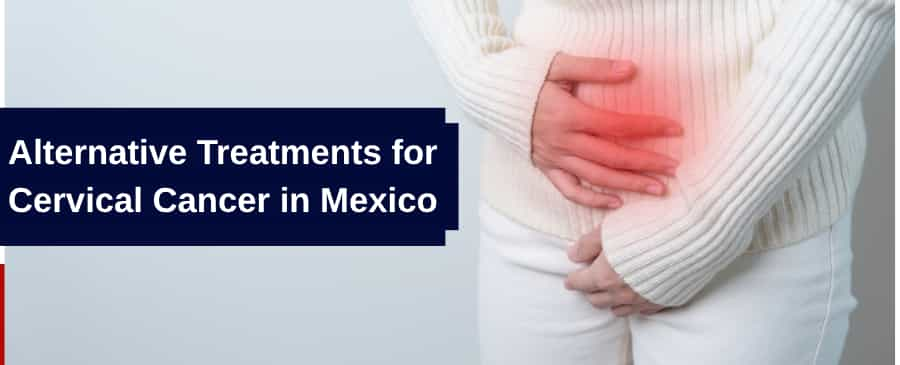
A cervical cancer diagnosis brings a wave of complex decisions. While standard oncology relies on surgery, radiation, and chemotherapy, many patients look beyond their local healthcare systems for supportive care. Exploring an alternative treatments for cervical cancer clinic in Mexico has become a common path for those seeking a more holistic or integrative approach to their healing journey. These facilities often combine conventional medical practices with supportive therapies that may not be widely available or insured in the United States or Canada.
Before considering medical tourism in Mexico for oncology care, you must understand the distinction between unproven alternative cures and scientifically supported integrative medicine. Integrative therapies are intended to ease side effects, boost nutritional status, and support the immune system alongside—not instead of—standard life-saving treatments.
Key Takeaways
- Standard treatments like surgery, radiation, and chemotherapy remain the medically established protocols for cervical cancer.
- Many Mexican clinics focus on "integrative" oncology, blending conventional medicine with complementary therapies.
- Common supportive therapies include hyperthermia, high-dose intravenous nutrition, and specialized metabolic diets.
- The physical demands of travel and potential immune suppression require careful pre-travel clearance from your oncologist.
- Thoroughly vetting clinics for transparency, safety protocols, and board-certified medical staff is essential.
What are the most common alternative treatments for cervical cancer in Mexico?
Treatment centers south of the border often utilize a wide array of therapies aimed at creating an inhospitable environment for cancer cells while strengthening the patient's natural immune defenses. One of the most frequently utilized therapies is localized or whole-body hyperthermia. This involves safely raising the body's tissue temperature, which may help sensitize cervical cancer cells to conventional treatments like radiation.
Intravenous (IV) therapies are also prevalent. High-dose IV Vitamin C is commonly administered based on the theory that in large, blood-saturated doses, it can generate hydrogen peroxide that selectively targets cancer cells while leaving healthy cells intact. Other IV treatments might include ozone therapy, designed to increase cellular oxygen levels, and various mineral infusions to correct nutritional deficiencies often exacerbated by cancer cachexia.
How does integrative oncology differ from purely alternative cancer treatment?
Understanding this distinction is vital for patient safety. Integrative oncology is recognized by major medical institutions worldwide. It means a patient might undergo standard chemotherapy for cervical cancer but also utilize acupuncture for nausea, specialized nutrition plans to maintain weight, and mindfulness practices to manage anxiety. The goal is holistic support.
Conversely, choosing a purely alternative route—where surgery, radiation, and chemotherapy are completely abandoned in favor of unproven remedies—carries severe risks. Medical consensus heavily advises against abandoning conventional treatments, as doing so has been linked in studies to significantly lower survival rates. The most reputable international clinics operate on an integrative model rather than an exclusively alternative one.
| Approach | Relationship to Standard Care | Primary Goal |
|---|---|---|
| Conventional | The standard baseline (Surgery, Chemo, Radiation). | Eradicate or control the tumor. |
| Integrative/Complementary | Used alongside standard care. | Reduce side effects, support immunity. |
| Alternative | Used instead of standard care. | Attempt to treat disease without conventional medicine (High Risk). |
Is it safe to travel to Mexico for cervical cancer treatment?
Cancer patients face unique travel health risks. Prolonged periods of sitting during flights or long drives can increase the risk of deep vein thrombosis (blood clots), which is already elevated in individuals with active cancer. Furthermore, treatments like chemotherapy suppress the immune system, making patients more susceptible to infections during travel.
Before packing your bags, you need an honest assessment of your physical stamina. A reputable clinic will always request recent medical records, pathology reports, and blood work to determine if you are fit to travel. Additionally, you must consider the logistics of emergency care. Choose a facility that has affiliations with fully equipped local hospitals in case urgent, acute medical intervention is required during your stay.
Can alternative therapies replace standard cervical cancer treatments?
Standard treatments for cervical cancer have been rigorously tested through decades of clinical trials and represent the highest statistical chance for survival and disease control. Delaying or refusing surgery or radiation in order to pursue unverified alternative cures allows the cancer time to progress and potentially metastasize.
While stories of remarkable recoveries using alternative methods circulate widely online, these are anecdotal and do not represent typical outcomes. The safest and most medically responsible approach is to build a comprehensive care team that utilizes the precision of modern oncology while incorporating supportive therapies to help your body endure the process.
What should I look for in an alternative treatments for cervical cancer clinic in Mexico?
When evaluating an alternative treatments for cervical cancer clinic in Mexico, thorough vetting is non-negotiable. Not all facilities are created equal, and regulatory standards can differ from those in your home country. Here is what you should actively look for:
- Qualified Medical Staff: The facility should be led by board-certified oncologists, not just general practitioners or alternative practitioners.
- Transparent Communication: They should provide clear, realistic explanations of what their therapies can and cannot achieve, avoiding promises of guaranteed cures.
- Emergency Preparedness: The clinic must have protocols in place for sudden medical emergencies, including transfer agreements with local, fully equipped hospitals.
- Comprehensive Diagnostics: A reputable center will run their own blood panels and diagnostics upon your arrival to verify your current health status.
- Post-Treatment Support: Healing does not stop when you fly home. Look for programs that include robust home-care protocols and local follow-up communication.
How much does alternative treatments for cervical cancer cost in Mexico?
Because these protocols often require multi-week stays at specialized facilities, costs encompass more than just medical care. Typically, a three- to four-week integrative program is bundled to include accommodations, specialized organic meals, medical consultations, and daily therapies (like IV infusions and hyperthermia).
It is critical to note that these figures are estimates. Your actual cost will depend heavily on the length of your stay, the complexity of your cervical cancer, and whether you require advanced, higher-cost interventions like specialized vaccines or dendritic cell therapy. Since most US and Canadian insurance plans will not cover these international alternative treatments, you should plan for these expenses to be entirely out-of-pocket.
Are there specific diets used as part of alternative cervical cancer care?
Nutrition plays a central role in holistic oncology. Many Mexican facilities operate on the premise that changing the body's internal environment—often referred to as its terrain—can support healing. One common approach is the ketogenic diet, which severely restricts carbohydrates to potentially lower blood glucose levels, based on the theory that many cancer cells rely on glucose for energy.
Other clinics focus on intensive, plant-based nutritional regimens heavily reliant on organic juicing, raw foods, and specific supplements to flood the body with vitamins and enzymes. While good nutrition is undeniably supportive for a patient fighting cervical cancer, no diet has been proven to cure cancer on its own. These diets should be monitored by clinical nutritionists to ensure patients do not lose excessive weight or become malnourished.
What role does immunotherapy play in Mexican alternative cancer clinics?
Immunotherapy is an area of massive growth in both conventional and alternative oncology. Some international clinics offer treatments that may still be in clinical trial phases in the US or Europe. Dendritic cell therapy, for example, involves extracting a patient's white blood cells, exposing them to cancer antigens in a lab, and re-injecting them to prompt an immune response against the tumor.
While the science behind immunotherapy is solid and forms a cornerstone of modern cancer research, the specific proprietary vaccines used in some alternative clinics may lack extensive peer-reviewed data. Patients must approach these options with cautious optimism, understanding that outcomes vary significantly by individual.
How do I prepare for medical tourism in Mexico for cancer treatment?
Engaging in medical tourism in Mexico demands rigorous organization. Start by obtaining complete copies of your medical history, including recent MRI/CT scans on disc, pathology reports from your cervical biopsies, and a list of all current medications. Most border-region clinics have bilingual staff, but having organized records expedites your intake process.
Logistically, ensure your passport is valid for at least six months beyond your travel dates. Look into specialized medical travel insurance, keeping in mind that coverage for pre-existing conditions (like cancer) often requires specific, carefully vetted policies. Finally, it is highly recommended to travel with a designated support person who can advocate for you, assist with daily needs, and take notes during medical consultations.
What should I discuss with my primary oncologist before seeking alternative treatments abroad?
Transparency with your home medical team is absolutely essential. Many patients hesitate to tell their oncologists about alternative treatments for fear of judgment, but keeping this information hidden is dangerous. Certain natural supplements or high-dose antioxidants can actively interfere with how chemotherapy drugs are metabolized, potentially rendering them less effective or increasing toxicity.
Approach the conversation collaboratively. Ask your oncologist how specific integrative therapies might fit into your current protocol. A good oncologist will review the proposed therapies from the Mexican clinic to identify any immediate medical contraindications, helping you make a safer, more informed decision.
Why Choose PlacidWay for Medical Tourism in Mexico?
Navigating the landscape of international healthcare can be overwhelming, especially when researching highly specific medical needs. PlacidWay serves as a global medical tourism platform designed to help patients explore healthcare options abroad. When considering treatment in Mexico, PlacidWay offers several factual benefits:
PlacidWay connects individuals with a diverse directory of international healthcare facilities, including specialized integrative clinics in Mexico.
Patients can access comprehensive profiles outlining a clinic’s accreditations, available therapies, and the professional backgrounds of medical staff.
The platform facilitates direct contact between the patient and the international medical providers to ask clinical questions before traveling.
PlacidWay allows patients to compare different treatment philosophies, estimated costs, and facility amenities side-by-side.
The platform provides extensive guides, articles, and resources to help patients understand the nuances of seeking medical care across borders.
Frequently Asked Questions
Do US insurance companies cover alternative cancer treatments in Mexico?
Most traditional US and Canadian health insurance policies do not cover alternative or experimental cancer treatments abroad. Patients usually pay out-of-pocket, though some may find coverage for conventional aspects of their care or use health savings accounts.
How long do patients typically stay in Mexico for integrative cancer treatment?
Treatment protocols usually require patients to stay at or near the facility for three to eight weeks, depending on the complexity of the program and the patient's specific health needs.
Do Mexican cancer clinics offer conventional chemotherapy alongside alternatives?
Yes, many facilities operate as integrative oncology centers. They often provide low-dose or standard chemotherapy alongside supportive alternative therapies designed to mitigate side effects and support the immune system.
Will I need to bring my medical records translated into Spanish?
While having translated documents can be helpful, most international clinics in Mexico have bilingual medical staff who can read English medical records. You should bring all original pathology reports, recent lab results, and imaging scans.
What is hyperthermia therapy for cervical cancer?
Hyperthermia involves carefully raising the temperature of body tissue to help damage cancer cells and make them more sensitive to the effects of radiation or chemotherapy. It is often used as a complementary therapy.
Are alternative treatments effective for advanced (Stage IV) cervical cancer?
Alternative treatments for advanced cancer are primarily focused on palliative care, symptom management, and immune support rather than curing the disease. Results vary widely, and these therapies should be discussed with a primary oncologist.
Can I continue alternative protocols after returning home from Mexico?
Many clinics provide a comprehensive home-care protocol, which often includes oral supplements, specialized nutritional guidelines, and instructions for local follow-up care.
Do I need a visa to travel to Mexico for medical care?
Citizens of the United States, Canada, the UK, and several other countries do not need a visa for stays up to 180 days, but will need to complete a Multiple Immigration Form (FMM) upon entry. Always verify current entry requirements before traveling.
How are Mexican alternative cancer clinics regulated?
Medical facilities and treatments in Mexico are regulated by COFEPRIS (Federal Commission for the Protection against Sanitary Risk). However, the regulation of specific alternative therapies can differ from FDA standards.
Are there risks of combining alternative therapies with ongoing radiation?
Yes, high doses of certain antioxidants or alternative supplements may inadvertently protect cancer cells from radiation damage. You must coordinate any alternative therapy with your radiation oncologist to avoid harmful interactions.
Compare Treatment Options
If you are researching integrative and alternative options for cervical cancer care, explore facilities and gather the information you need to make an informed decision alongside your medical team.
Request Treatment InformationReferences
- Complementary and Alternative Medicine (CAM) - National Cancer Institute
- Integrative Oncology Guidelines - American Society of Clinical Oncology (ASCO)
- Complementary and Integrative Methods - American Cancer Society
- Medical Tourism - Centers for Disease Control and Prevention (CDC)
- Clinical Practice Guidelines - Society for Integrative Oncology (SIO)
- Federal Commission for the Protection against Sanitary Risk (COFEPRIS)























Share this listing