
Abdominoplasty in Thailand: Your Guide to Top Clinics & Costs
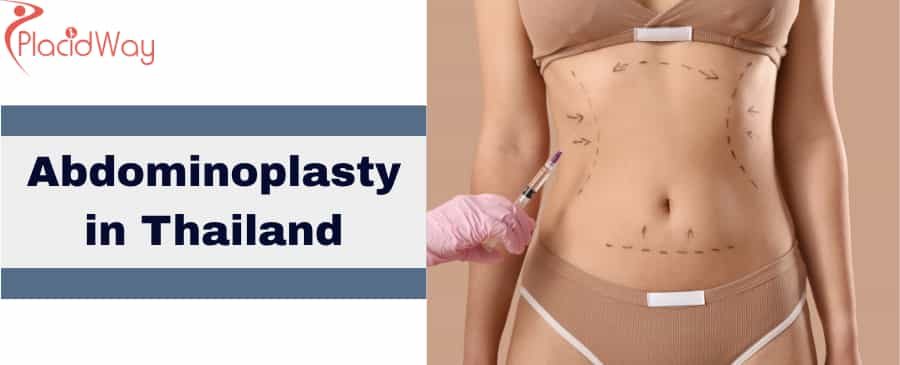
Patients traveling for cosmetic surgery often want to know how to identify the right provider. Planning for abdominoplasty in Thailand requires careful research into surgeon credentials, hospital safety standards, and personalized care approaches. Because this is a major surgical procedure, your primary focus should always be on medical safety rather than just aesthetics or location.
This comprehensive guide explains the criteria for evaluating treatment centers, what to expect from the procedure, estimated costs, and how to safely navigate your medical journey overseas.
Key Takeaways
- Select clinics with recognized international accreditations such as JCI (Joint Commission International).
- Verify that your chosen plastic surgeon is board-certified and highly experienced in abdominal contouring.
- Expect to stay in the country for at least 10 to 14 days to allow for safe initial recovery and drain removal.
- Costs vary by technique, but treatment in Southeast Asia is often more accessible compared to Western healthcare systems.
- Always arrange for post-operative follow-up care with a local physician in your home country before you travel.
How do I identify a reputable abdominoplasty clinic in Thailand?
When researching any abdominoplasty clinic in Thailand, the most reliable indicator of quality is independent medical accreditation. Look for facilities recognized by the Joint Commission International (JCI), which mandates strict adherence to global safety protocols, infection control, and patient care standards.
Beyond the facility, investigate the individual surgeon's credentials. The best providers hold certifications from recognized professional bodies, such as the Society of Plastic and Reconstructive Surgeons of Thailand, or international equivalents like the International Society of Aesthetic Plastic Surgery (ISAPS). High-quality clinics will transparently share their surgeons' education, training history, and specialized experience in body contouring.
Finally, a responsible clinic will insist on a thorough pre-operative assessment. They will evaluate your medical history, request blood work, and frankly discuss whether you are a safe candidate for surgery. Avoid any facility that rushes the consultation process or downplays the risks associated with major surgery.
What is the average abdominoplasty cost in Thailand?
Evaluating the abdominoplasty cost in Thailand requires looking at what is included in the treatment package. Prices are estimates and vary widely based on the extent of the surgery. A standard full tummy tuck will cost more than a mini tummy tuck, while adding procedures like liposuction or muscle repair will increase the final financial investment.
Reputable centers usually provide comprehensive quotes that cover the surgeon's fee, anesthesiologist charges, operating room costs, and a short inpatient hospital stay (often 1 to 2 nights). The quote should also cover medical supplies such as post-operative compression garments, necessary medications, and follow-up consultations before you fly home.
When comparing prices across different providers, ask for an itemized breakdown. Be wary of quotes that seem unusually low, as they may omit essential safety protocols, specialized anesthesia care, or emergency support services. Your budget must also account for flights, a comfortable hotel for your 10-to-14-day recovery, and travel insurance that specifically covers elective medical procedures.
Who typically qualifies for a tummy tuck procedure?
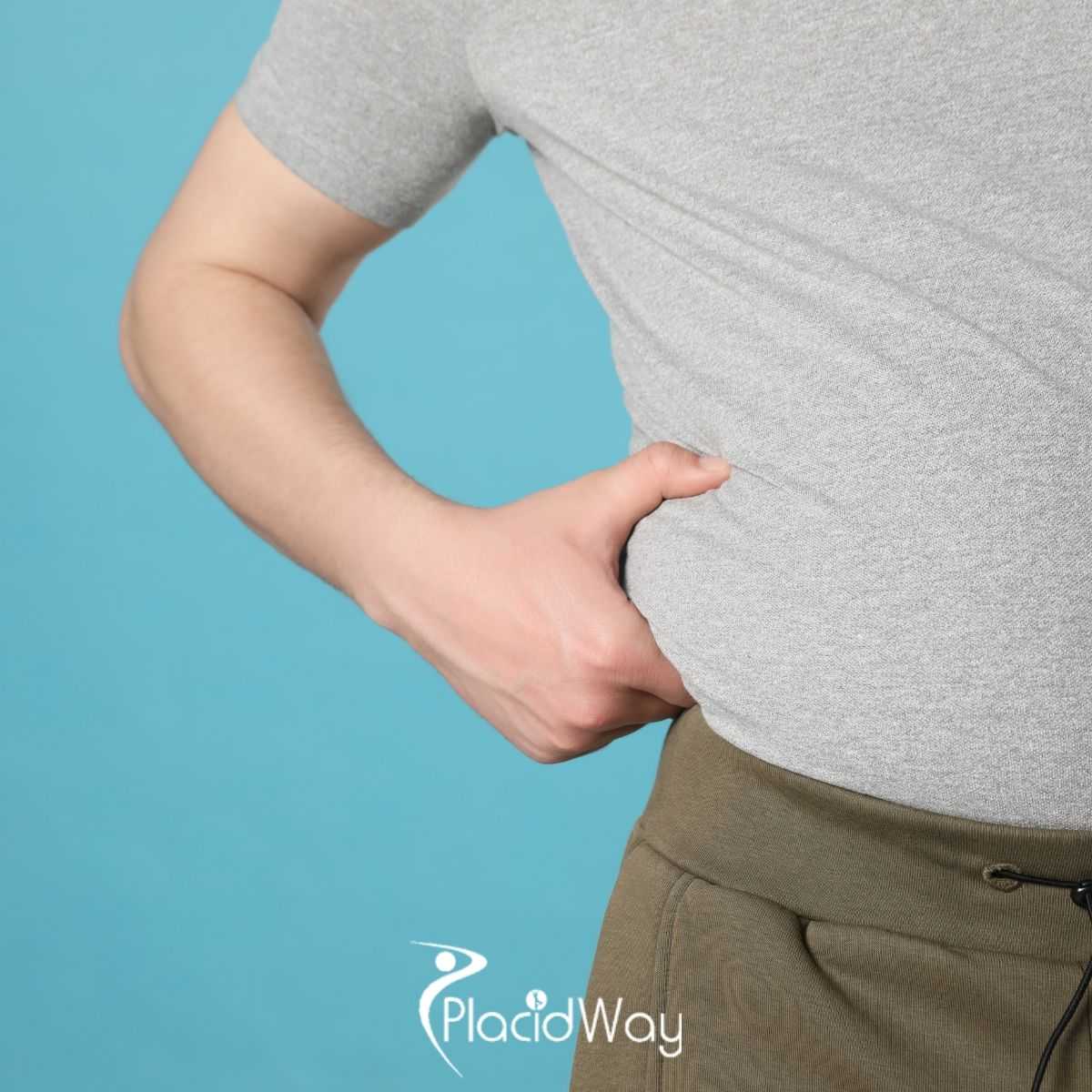
Abdominoplasty is not a weight-loss surgery. It is a contouring procedure designed for individuals who are already at or near their ideal body weight but struggle with loose skin or separated abdominal muscles. Common candidates include women who have experienced multiple pregnancies and individuals who have lost a massive amount of weight, such as after bariatric surgery.
Medical eligibility requires you to be in good general health without underlying conditions that impair healing, such as uncontrolled diabetes or severe cardiovascular disease. Surgeons also require a stable weight; losing or gaining significant weight after the procedure can reverse the surgical outcomes.
Nicotine use severely restricts blood flow and drastically increases the risk of tissue necrosis (skin death) and poor wound healing. If you use tobacco or nicotine products, your surgeon will require you to quit completely for at least four to six weeks before and after the operation.
What happens during a standard abdominoplasty surgery?
The surgery typically takes between two and four hours, depending on the complexity of the patient's anatomy. Once you are comfortably asleep under general anesthesia, the surgeon makes a horizontal incision between the pubic hairline and the navel. The length of this incision depends on how much skin needs to be removed.
After lifting the abdominal skin, the surgeon repairs weakened or separated abdominal muscles (diastasis recti) by suturing them together, creating a firmer abdominal wall and a narrower waistline. The excess skin is then pulled down and removed. In a full abdominoplasty, a second incision is made around the navel so it can be brought through the newly draped skin into a natural position.
Finally, the surgeon closes the incisions using sutures, skin adhesives, or surgical tape. Small tubes (drains) may be temporarily placed under the skin to draw off excess blood and fluid, which reduces swelling and the risk of seroma formation.
Are there different types of abdominoplasty available in Thailand?
- Mini Abdominoplasty: Designed for patients whose excess skin and fat are isolated below the belly button. It requires a shorter incision and does not typically involve repositioning the navel.
- Full (Standard) Abdominoplasty: The most common approach, addressing the entire abdominal area above and below the navel, usually incorporating muscle repair.
- Extended Abdominoplasty: Best suited for massive weight loss patients. The incision extends further around the hips to the lower back, allowing the surgeon to address excess skin on the flanks (love handles) as well as the abdomen.
- Fleur-de-Lis Abdominoplasty: Involves both a horizontal and a vertical incision. This technique is reserved for patients who have significant vertical skin laxity following extreme weight loss.
What should I expect during recovery in Thailand?
The first few days following surgery are the most uncomfortable. You will likely spend 1 to 2 nights in the hospital, where nurses will monitor your vital signs, manage your pain with medication, and ensure you can walk safely. Early, gentle walking is highly encouraged to promote blood circulation and prevent dangerous blood clots.
After discharge, you will return to your hotel to rest. You will be instructed to sleep in a slightly elevated or "V" position to avoid placing tension on your abdominal incisions. You must wear an elastic compression binder around your abdomen 24 hours a day to control swelling and support your newly tightened contours.
During your stay in Thailand, you will visit the clinic several times for follow-up appointments. The medical team will check the wound for signs of infection, empty and eventually remove your surgical drains, and change your dressings. Only when the surgeon is satisfied with your early healing will they provide medical clearance for you to fly home.
What are the potential risks and complications of this surgery?
It is vital to approach any elective surgery with a clear understanding of the medical risks. Complications can occur even with highly skilled surgeons in accredited facilities. Fluid accumulation (seroma) under the skin is a common issue that may require drainage with a needle if it persists after the surgical tubes are removed.
More severe risks include deep vein thrombosis (blood clots in the legs) and pulmonary embolism, which can be life-threatening. This is why immediate mobility after surgery and delaying your flight home are strict medical requirements. Poor wound healing and tissue necrosis are also possible, particularly for patients with poor circulation, diabetes, or those who fail to follow smoking cessation rules.
Aesthetic risks include asymmetry, changes in skin sensation (numbness) that may be permanent, and thick or raised scarring. Discussing these risks openly with your surgeon allows you to make an informed decision based on realistic expectations.
How long should I stay in Thailand after an abdominoplasty?
Rushing back home after a tummy tuck is medically unsafe. Sitting in an airplane seat for long hours restricts blood flow in the legs and puts immense pressure on your abdominal incisions. Extended immobility combined with recent surgery creates a high risk for deep vein thrombosis.
A 10-to-14-day window gives your surgical team ample time to monitor your recovery. During this period, you will have your surgical drains removed and receive your final post-operative instructions. If a minor complication arises, such as a localized infection or fluid buildup, your surgeon can address it immediately rather than leaving you to navigate a foreign emergency room back home.
When booking accommodations, choose a comfortable hotel close to the clinic with an elevator and easy access to meals. You will not be able to engage in tourist activities, swimming, or long walks, so your room should be a quiet, restful environment dedicated entirely to your recovery.
How do I prepare for my surgical trip to Thailand?
- Medical Clearance: Visit your primary care physician to undergo routine blood tests, an EKG, and a physical exam to ensure you are fit for surgery and travel.
- Medication Adjustments: Stop taking aspirin, anti-inflammatory drugs, and certain herbal supplements at least two weeks before surgery, as they can increase bleeding risks.
- Secure Local Care: Find a doctor or wound care nurse in your hometown willing to remove your final stitches (if necessary) and monitor your long-term healing upon your return.
- Hydration and Nutrition: Maintain a protein-rich diet and stay hydrated in the weeks leading up to your trip to support immune function and tissue healing.
- Pack Appropriately: Bring loose, front-buttoning clothing, slip-on shoes, and all personal care items, as bending and stretching will be very difficult after surgery.
How does medical tourism in Thailand ensure patient safety?
Medical tourism in Thailand has grown significantly due to the country's proactive approach to international healthcare standards. Leading centers heavily invest in modern surgical technology, sophisticated intensive care units, and highly trained support staff to handle complex procedures safely.
Many Thai plastic surgeons have trained or completed fellowships in the United States, Europe, or Australia, allowing them to integrate global best practices into their surgical techniques. The regulatory framework requires medical facilities treating international patients to uphold strict sanitation, emergency response, and patient privacy protocols.
However, standards can vary between facilities. Patients hold the responsibility to thoroughly vet their chosen clinic. By prioritizing JCI-accredited hospitals and verifying professional certifications, patients can mitigate risks and ensure they are receiving care that meets international medical guidelines.
Why Choose PlacidWay for Medical Tourism?
Navigating international healthcare systems requires reliable information. PlacidWay provides tools and resources to help patients research elective medical procedures abroad.
- Facility Information: Provides access to details about hospitals and clinics with international medical accreditations.
- Cost Comparisons: Helps patients review estimated treatment expenses and inclusions across different global destinations.
- Provider Profiles: Supplies educational backgrounds, board certifications, and specialties of international medical professionals.
- Direct Communication: Facilitates secure messaging between patients and overseas healthcare teams to discuss treatment plans.
- Educational Resources: Offers comprehensive guides on various medical procedures, recovery timelines, and preparation requirements.
Frequently Asked Questions
Is it safe to fly after an abdominoplasty in Thailand?
Flying immediately after abdominal surgery increases the risk of deep vein thrombosis (DVT) and other complications. Surgeons typically require patients to wait 10 to 14 days before taking an international flight, allowing time for initial healing, drain removal, and medical clearance.
Can I combine a tummy tuck with liposuction in Thailand?
Yes, many plastic surgeons combine these procedures to enhance overall body contouring. Liposuction can address stubborn fat deposits on the flanks or upper abdomen while the abdominoplasty removes excess skin. However, combining surgeries increases the duration of anesthesia and may extend recovery times.
Will my tummy tuck scars fade over time?
Scars from abdominal surgery are permanent, but they usually fade and flatten over 12 to 18 months. Surgeons strategically place the primary incision low on the abdomen so that it can be concealed by underwear or swimwear. Proper scar care and avoiding sun exposure are vital for optimal healing.
Do clinics in Thailand provide translators for international patients?
Facilities catering to international patients often provide dedicated medical translators and international patient departments. English is widely spoken by board-certified surgeons and medical staff, ensuring clear communication regarding your treatment plan and recovery.
What kind of anesthesia is used for a tummy tuck?
Full abdominoplasty procedures almost always require general anesthesia administered by a board-certified anesthesiologist. Some minor variations, such as a mini tummy tuck, might occasionally be performed using intravenous sedation and local anesthesia, depending on the surgeon's recommendation.
Can I get pregnant after having an abdominoplasty?
While it is medically possible to have a healthy pregnancy after a tummy tuck, plastic surgeons advise waiting until you have finished building your family before undergoing the procedure. Future pregnancies can stretch the abdominal skin and separate the muscles again, compromising the surgical results.
Are drains typically used during recovery?
Most surgeons place temporary surgical drains under the skin to prevent fluid buildup during the initial days of recovery. These small tubes are usually removed within 3 to 7 days, depending on the volume of fluid collected.
How do I maintain my results after returning home?
Maintaining your results requires a stable weight, a balanced diet, and regular exercise once cleared by your medical team. Significant weight fluctuations can stretch the skin and alter the contours achieved during surgery.
What happens if I experience complications once I leave Thailand?
Before traveling, you should identify a local healthcare provider in your home country who can assist with late-stage post-operative care or unexpected complications. Reputable Thai clinics also provide detailed medical records and remote communication options for follow-up support.
Do Thai clinics require a BMI limit for this surgery?
Yes, for safety reasons, most plastic surgeons require patients to have a Body Mass Index (BMI) below a certain threshold—often under 30 or 32. A high BMI increases surgical and anesthetic risks and can negatively impact wound healing and final aesthetic results.
Compare Treatment Options
Explore detailed information on internationally accredited facilities and connect directly with healthcare providers to review your personalized treatment plan.
Request Treatment InformationReferences
- Tummy Tuck (Abdominoplasty) Information – American Society of Plastic Surgeons (ASPS)
- Abdominoplasty Procedure Facts – International Society of Aesthetic Plastic Surgery (ISAPS)
- Medical Tourism Safety Guidelines – Centers for Disease Control and Prevention (CDC)
- Quality and Patient Safety Accreditations – Joint Commission International (JCI)
- Tummy Tuck Risks and What to Expect – Mayo Clinic
- Tummy Tuck (Abdominoplasty) Overview – UK National Health Service (NHS)























Share this listing