
Cost of a Mini Facelift in Seoul: A Detailed Price Breakdown
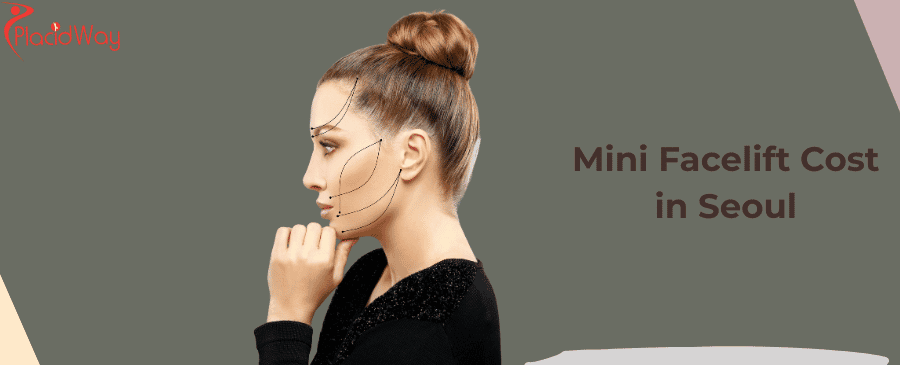
Navigating the costs and considerations of facial rejuvenation abroad involves careful planning and thorough research. Because individual facial structures and aging patterns are unique, undergoing a mini facelift in Seoul requires a customized approach. This article explores the estimated expenses, what factors influence the price, the nature of the procedure, and essential safety guidelines for international patients considering this path.
Key Takeaways
- Estimated costs generally fall between $3,000 and $6,000 USD, though complex cases can cost more.
- The procedure targets mild to moderate jowling and lower face laxity using shorter incisions than traditional methods.
- Ideal candidates are usually those experiencing early signs of facial aging but who maintain good skin elasticity.
- Planning for medical travel requires setting aside 7 to 10 days for appropriate post-operative monitoring before flying.
- Outcomes, risks, and recovery periods vary widely; a medical consultation is always required to assess suitability.
What Exactly is a Mini Facelift?
Also commonly referred to as a short-scar facelift or MACS lift, this procedure is designed to address early signs of aging. Unlike a traditional full facelift that addresses the neck, mid-face, and lower face extensively, this technique focuses primarily on lifting the tissues around the cheeks and jawline.
Surgeons typically place the incisions discreetly in front of the ear and sometimes just inside the ear cartilage. Through these smaller access points, the underlying facial muscle layer (SMAS) is tightened, and excess skin is gently removed. Because the dissection is less extensive, patients often experience less bruising and swelling compared to traditional methods.
What Factors Influence the Mini Facelift Cost in Seoul?
When you look into pricing, you will notice that quotes can fluctuate. It is helpful to understand the components that make up the total fee:
- Surgeon's Qualifications: Highly experienced, board-certified plastic surgeons generally command higher fees for their specialized expertise.
- Anesthesia Type: Using local anesthesia with twilight sedation may cost differently than general anesthesia, which requires a specialized anesthesiologist.
- Facility Fees: Treatment at an internationally accredited facility or an exclusive boutique practice often influences the overall cost.
- Pre- and Post-Operative Care: Comprehensive packages might include blood tests, electrocardiograms (ECGs), compression garments, and follow-up care.
- Additional Treatments: If the surgery is combined with fat grafting, liposuction, or eyelid surgery, the total expense will increase accordingly.
Am I a Suitable Candidate for This Procedure?
Age is not the only determining factor for surgical eligibility. A qualified professional will assess the overall health of your skin, the underlying bone structure, and your medical history. Ideal candidates generally have a well-defined jawline that is beginning to lose its sharp contour due to descending fat pads and loosening skin.
If you have severe sun damage, heavy neck banding, or substantial excess skin, a surgeon may advise against a mini procedure, suggesting that a traditional neck and lower facelift would provide more appropriate results. Your medical history, including smoking habits, bleeding disorders, or chronic conditions, can also affect your eligibility.
What Should I Expect During the Consultation?
Before any surgery is scheduled, your provider must conduct a thorough consultation. When exploring a mini facelift clinic in Seoul, many international departments will start with a preliminary virtual assessment using photographs. However, the final surgical plan is always confirmed during an in-person examination.
During this meeting, the surgeon will assess your skin tone, muscle laxity, and facial symmetry. They should clearly explain the surgical steps, where incisions will be placed, and what kind of scarring to expect. A responsible practitioner will also spend time discussing the limitations of the procedure and explicitly outlining the potential complications.
How Long is the Recovery Period?
Recovery is a highly individualized process influenced by your body's natural healing abilities and adherence to aftercare protocols. Most patients experience a feeling of tightness, mild discomfort, and swelling in the days immediately following surgery.
Sutures are typically removed between five and seven days post-operatively. While you may feel ready to engage in light daily activities within a week, strenuous exercise, heavy lifting, and activities that increase blood pressure should be avoided for several weeks to prevent complications such as bleeding or excessive swelling. You will also be instructed to protect your healing incisions from direct sun exposure to minimize scar darkening.
What are the Potential Risks and Complications?
All surgical procedures carry inherent risks that must be carefully weighed against potential benefits. It is crucial to have an open discussion with your chosen healthcare provider regarding these possibilities.
- Hematoma: A collection of blood under the skin that may require surgical drainage to prevent pressure on tissues.
- Nerve Injury: Temporary or, rarely, permanent weakness in facial muscles if the facial nerve branches are bruised or injured during dissection.
- Poor Wound Healing: Issues such as widened scars, skin necrosis, or prolonged healing, which are notably higher risks for patients who smoke.
- Infection: Managed primarily through preventative antibiotics and strict sterile surgical environments, but still a possibility.
- Unsatisfactory Results: The potential need for revision surgery if aesthetic goals are not met or if asymmetry occurs.
Why Do Patients Choose Medical Tourism in Seoul?
Participating in medical tourism in Seoul has become a notable trend for patients seeking cosmetic procedures. The South Korean government strictly regulates the healthcare sector, and many facilities hold local or international accreditations.
The concentration of aesthetic practices in areas like Gangnam has led to a highly competitive environment. This often results in the continuous integration of modern surgical equipment and techniques. Furthermore, numerous facilities have developed dedicated departments aimed specifically at non-Korean speakers, offering multi-lingual support, accommodation assistance, and streamlined pre-operative planning to ease the logistical burden on travelers.
How Do I Evaluate a Clinic from Abroad?
Researching medical providers from a different country requires diligence. Do not base your decision solely on pricing or social media marketing. Instead, focus on verifiable medical credentials.
Check if the surgeon is a member of recognized professional organizations, such as the Korean Society of Plastic and Reconstructive Surgeons (KSPRS) or the International Society of Aesthetic Plastic Surgery (ISAPS). Ask the facility about their emergency protocols, the qualifications of their anesthesiology team, and their specific follow-up care plans for patients who will eventually return to their home countries.
What Are the Travel Logistics for Surgery in South Korea?
Combining surgery with travel involves specific physical considerations. Flying immediately after a surgical procedure increases the risk of deep vein thrombosis (DVT) and exacerbates facial swelling due to cabin pressure changes.
You will need an environment conducive to rest upon discharge. Booking a comfortable, quiet hotel close to your medical facility is advisable to make attending follow-up appointments easier. Before traveling back, your surgeon must examine the healing incisions, remove any necessary sutures or drains, and provide you with a clearance certificate for air travel. It is also vital to arrange a local physician back home who is willing to assist should delayed complications arise after you return.
Can a Mini Facelift Be Combined with Other Procedures?
Aging rarely affects just one area of the face. Many patients opt to address multiple concerns in a single surgical session, provided they are medically cleared for a longer operation.
Combining procedures can be cost-effective and means you only undergo one recovery period and one administration of anesthesia. For instance, transferring fat to the cheeks can restore lost volume, complementing the lifting effect of the surgery. However, combining procedures increases the complexity of the operation, the overall cost, and potentially the length of your initial recovery time.
Why Choose PlacidWay for Medical Tourism?
Navigating the global healthcare landscape can be overwhelming. PlacidWay serves as an informational resource to help you discover options available internationally. When considering a destination for treatment, PlacidWay offers:
- Global Directories: Access to a comprehensive listing of international medical centers and providers.
- Informational Resources: Detailed overviews of various medical procedures and estimated destination costs.
- Direct Connections: Facilitation of communication directly between you and the international medical facilities.
- Provider Profiles: Access to information regarding facility accreditations and surgeon certifications as provided by the clinics.
- Comparative Tools: The ability to compare estimated pricing, facility amenities, and treatment approaches across different destinations.
Frequently Asked Questions
Does a mini facelift address significant neck sagging?
A mini facelift primarily targets the lower face and jawline. If you have significant neck laxity or deep banding, a dedicated neck lift or a traditional full facelift is typically required to address those specific concerns.
Is general anesthesia required for this procedure?
Not always. Many surgeons perform this surgery using local anesthesia combined with intravenous sedation, commonly referred to as twilight sedation. The choice of anesthesia depends on the patient's health, anxiety levels, and the surgeon's specific protocols.
Will the surgical scars be highly visible?
Surgeons carefully place incisions along natural skin creases, typically in front of and sometimes just inside the ear cartilage, extending slightly into the hairline. Once fully healed, these scars are generally well-hidden, though individual scarring varies.
Are initial consultations usually free in South Korea?
Policies vary by facility. Some clinics offer free initial online consultations for international patients, while others charge a consultation fee that may be deducted from the final surgery cost if you proceed with the treatment.
Do South Korean facilities provide English translators?
Many facilities that frequently treat international patients have dedicated in-house English-speaking coordinators or translators to assist with medical communication, though you should confirm this prior to booking.
How soon after surgery can I wear makeup?
Patients are typically advised to avoid wearing makeup near the incision sites until the sutures are removed and the wounds have fully closed, which is often around 7 to 10 days post-surgery. Always follow your surgeon's specific aftercare timeline.
What is a MACS lift compared to a standard short-scar lift?
MACS (Minimal Access Cranial Suspension) is a specific technique that falls under the umbrella of mini facelifts. It involves elevating the deeper facial tissues using purse-string sutures through a short incision, often providing a natural-looking vertical lift.
Can men undergo this facial rejuvenation procedure?
Yes, men frequently undergo this procedure. However, the surgical approach may be slightly adjusted to preserve masculine facial features, manage beard lines, and ensure incisions do not shift hair-bearing skin onto the ears.
Is it normal if swelling is worse on one side of my face?
Mild to moderate asymmetry in swelling and bruising is very common during the initial healing phases. However, sudden or severe one-sided swelling accompanied by pain requires immediate medical evaluation to rule out complications like a hematoma.
What happens if I experience complications after returning home?
Before traveling, you should establish a plan for post-operative care in your home country. If complications arise after returning home, you will need to seek evaluation from a local healthcare professional while staying in communication with your overseas surgeon.
Compare Treatment Options Internationally
Gather information, review clinic credentials, and explore estimated costs for treatments abroad to help you make an informed decision regarding your care.
Request Treatment InformationReferences
- American Society of Plastic Surgeons (ASPS) - Facelift Guide
- International Society of Aesthetic Plastic Surgery (ISAPS) - Aesthetic Surgery Statistics
- Mayo Clinic - Face-lift: Risks, Preparation, and Results
- Plastic and Reconstructive Surgery Journal - The MACS-Lift Short-Scar Rhytidectomy
- Centers for Disease Control and Prevention (CDC) - Medical Tourism Guidelines
- National Health Service (NHS) UK - Facelift (Rhytidectomy) Information
Medical Disclaimer: The information provided in this article is for educational and informational purposes only and does not constitute medical advice. Treatment outcomes, risks, eligibility, and recovery times vary significantly among individuals. Pricing mentioned is an estimate and subject to change. Always consult with a qualified, appropriately certified healthcare provider for a personalized medical assessment before undergoing any surgical procedure. PlacidWay does not guarantee medical outcomes or the accuracy of third-party clinic pricing.



















Share this listing