


Affordable Abdominoplasty in Seoul: 2025 Price Guide
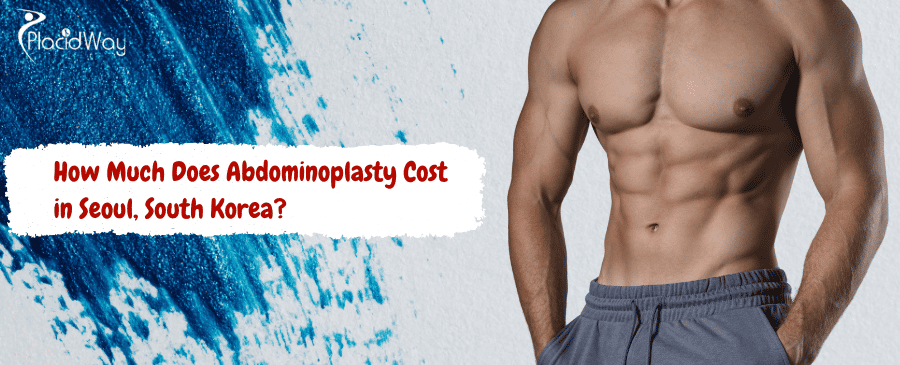
Deciding to undergo body contouring surgery is a significant personal and financial commitment. For many international patients, exploring abdominoplasty in Seoul, South Korea offers an opportunity to access experienced surgeons in a city known for its dense concentration of aesthetic medical facilities. Often referred to as a tummy tuck, this surgical procedure involves removing excess skin and fat from the abdomen and, in most cases, restoring weakened or separated muscles to create a smoother, firmer profile.
While the prospect of traveling abroad for healthcare can be appealing, it requires thorough research and careful planning. Understanding the true costs, potential risks, and the logistical realities of recovery far from home is essential for anyone considering this path.
Key Takeaways
- The estimated price for a tummy tuck in Seoul usually falls between $6,000 and $12,000 USD.
- Costs fluctuate depending on the complexity of the surgery, such as whether you need a mini or full abdominoplasty.
- Patients must plan for a 10 to 14-day stay in South Korea before they are medically cleared to fly home.
- Surgical outcomes and complication risks vary by individual; there are no guaranteed results.
- Establishing a relationship with a local doctor in your home country is vital for post-operative care and managing any delayed complications.
What factors influence the cost of a tummy tuck in Seoul?
When you begin researching prices, you will quickly notice that the quotes can vary significantly from one provider to another. A primary driver of this variation is the complexity of the procedure itself. A patient requiring extensive muscle repair and a large amount of tissue removal will naturally face higher surgical and anesthesia fees than someone needing a less invasive alteration.
The credentials and demand for the specific surgeon also play a major role. Highly sought-after, board-certified plastic surgeons usually charge a premium for their time and expertise. Furthermore, overhead costs associated with the facility itself impact the price. Clinics equipped with advanced monitoring technology, dedicated intensive care units, and in-house board-certified anesthesiologists often have higher operational costs, which are reflected in the patient's final bill.
Finally, additional concurrent procedures will increase the overall estimate. Many patients opt to combine their tummy tuck with liposuction to achieve better contouring around the waist and flanks. While combining procedures during a single operation can sometimes be more cost-effective than having them done separately, it will substantially increase the initial upfront cost and may prolong your recovery timeline.
What is typically included in South Korean abdominoplasty packages?
When reviewing an estimate from an abdominoplasty clinic in Seoul, South Korea, it is important to ask for an itemized breakdown to understand exactly what you are paying for. Transparent clinics will clearly delineate their package inclusions.
- Medical Consultations: Pre-operative assessments and physical examinations with the surgeon.
- Surgical Fees: The cost of the operating room, surgical staff, and the primary surgeon's labor.
- Anesthesia: Fees for the anesthesiologist and the medications used during the procedure.
- Initial Garments: Often, the first medical-grade compression garment needed for early recovery is included.
- Post-Op Care: Wound checks, drain removal, and stitch removal during your mandatory stay in Seoul.
Keep in mind that these packages rarely cover external costs. You will be responsible for your flights, hotel or recovery house accommodations, food, local transportation, and travel insurance. Additionally, costs for prescription medications filled at a local pharmacy, extra compression garments, or unexpected medical interventions for complications are usually out-of-pocket expenses.
How does a mini tummy tuck differ from a full abdominoplasty?
Patients with significant loose skin and weakened abdominal muscles—often resulting from multiple pregnancies or massive weight loss—usually require a full abdominoplasty. During this procedure, the surgeon makes a horizontal incision from hip to hip, repairs the underlying abdominal muscles (diastasis recti), removes excess skin, and repositions the belly button. Because it is highly invasive and complex, this option sits at the higher end of the estimated price range.
Conversely, a mini tummy tuck is an option for individuals whose excess skin and fat are localized strictly below the navel. The incision is much shorter, the belly button is typically left in its original place, and muscle repair, if performed, is limited to the lower abdominal wall. Because the surgery is shorter and less extensive, the associated costs and the recovery time are usually reduced.
Only an in-person or detailed virtual consultation with a qualified plastic surgeon can determine which approach is appropriate for your body. Choosing a mini tummy tuck simply to save money, when your anatomy actually requires a full procedure, will likely lead to unsatisfactory aesthetic results.
Am I a suitable candidate for abdominal contouring surgery?
Suitability for major surgery goes beyond simply wanting a flatter abdomen; your physical health and lifestyle habits are critical factors. Surgeons evaluate your medical history to ensure you can safely undergo general anesthesia and tolerate a significant recovery period. Conditions such as uncontrolled diabetes, heart disease, or blood clotting disorders may disqualify you from having an elective cosmetic procedure.
Weight stability is also crucial. Abdominoplasty is a contouring procedure, not a weight-loss method. If you plan to lose a substantial amount of weight in the future, or if you plan to become pregnant, surgeons generally advise postponing the surgery. Future weight fluctuations or stretching of the abdominal wall during pregnancy can reverse the improvements made during the operation.
Furthermore, nicotine use severely impairs the body's ability to heal. Smoking constricts blood vessels, reducing blood flow to the surgical site, which drastically increases the risk of tissue death (necrosis), severe infections, and wide, prominent scars. Reputable surgeons will require you to be completely nicotine-free for several weeks before and after the surgery.
What are the potential risks and complications of this procedure?
It is vital to approach medical procedures with realistic expectations regarding safety. While many patients undergo tummy tucks without severe issues, complications can and do occur. Minor complications may include prolonged swelling, changes in skin sensation (numbness) around the incision site, and the formation of noticeable or asymmetric scars.
More severe risks require immediate medical intervention. A hematoma (blood pooling under the skin) or a seroma (fluid pooling) may need to be drained by a medical professional. Poor wound healing can lead to tissue necrosis, particularly along the incision line or around the navel, which may require additional surgery to remove the dead tissue. Deep vein thrombosis (DVT)—blood clots forming in the legs—is a serious risk associated with any lengthy surgery and periods of immobility. If a clot breaks loose and travels to the lungs, it causes a pulmonary embolism, which is a life-threatening emergency.
These risks underscore the importance of full medical disclosure during your consultation. Do not withhold information about medications, supplements, or past medical conditions, as these details allow the surgical team to take appropriate precautions to minimize your risk.
How long is the recovery period after a tummy tuck in Korea?
The initial days following a tummy tuck are usually accompanied by significant soreness, tightness, and swelling. You will likely have surgical drains in place to remove excess fluid, and you will be required to wear a supportive compression garment around the clock. Because the abdominal muscles may have been tightened, you will initially walk with a slight bend at the waist to avoid placing tension on the incision.
For international patients, the first two weeks must be spent in the destination country. This timeline allows the clinic to monitor your early healing, remove drains and non-dissolvable sutures, and assess your fitness for air travel. Flying too soon after major surgery drastically increases the risk of blood clots due to the combination of surgical trauma and prolonged sitting in a pressurized cabin.
Once you return home, your recovery will continue. While most people return to desk jobs or light activities within three to four weeks, strenuous exercise and heavy lifting must be avoided for at least six to eight weeks. Residual swelling can persist for several months, meaning the final aesthetic results may not be fully apparent until up to a year after the procedure.
How should I prepare for medical tourism in Seoul, South Korea?
Engaging in medical tourism in Seoul, South Korea requires meticulous logistical planning. Begin by checking the visa requirements for your nationality. Depending on your home country and the length of your intended stay, you may need to apply for a specific medical or tourist visa well in advance. Keep your passport valid for at least six months beyond your planned date of departure.
When booking accommodations, prioritize convenience and comfort. You will have limited mobility in the days following the surgery, so choosing a hotel or a short-term rental that is in close proximity to your clinic is highly beneficial. Look for ground-floor rooms or buildings with reliable elevators, as climbing stairs will be difficult. Some patients choose to stay in specialized recovery houses that cater to plastic surgery patients, offering modified meals and assistance with basic daily tasks.
You must also plan for the flight itself. Long-haul flights post-surgery require precautions. Consult with your surgeon about taking blood thinners if appropriate, wear medical-grade compression socks during the flight, stay hydrated, and follow guidelines for periodically moving your legs to mitigate DVT risks.
How do I choose a qualified abdominoplasty clinic in Seoul, South Korea?
The abundance of medical facilities in Seoul can make choosing the right one overwhelming. Your priority should always be safety and surgical competence. In South Korea, look for surgeons who are board-certified by recognized national bodies, such as the Korean Society of Plastic and Reconstructive Surgeons (KSPRS). Board certification indicates that the physician has completed rigorous, specialized training specifically in plastic surgery, rather than just general medical training.
Evaluate the clinic's infrastructure. Inquire about their emergency protocols, whether they have board-certified anesthesiologists on staff, and if the facility holds accreditations for safety and hygiene standards. A well-equipped clinic prioritizes patient safety above high-volume turnover.
Communication is another vital factor. Ensure that the clinic has dedicated staff who are fluent in your native language or provides professional medical translators. Misunderstandings regarding your medical history, surgical goals, or post-operative instructions can lead to severe consequences. Never compromise on your ability to communicate clearly and openly with your medical team.
Will I need follow-up care after returning home from South Korea?
One of the most significant challenges of medical tourism is the discontinuity of care once you leave the destination country. Your surgeon in Seoul will monitor your immediate recovery, but healing from a tummy tuck takes months. Before you travel, it is imperative to speak with a primary care physician or a local plastic surgeon in your hometown who is willing to take over your post-operative monitoring.
Delayed complications, such as a late-forming seroma, a localized infection, or delayed wound healing, can manifest weeks after the surgery. If this happens, you need a professional who can physically examine the site and provide immediate treatment. Relying solely on exchanging emails or photos with your surgeon in Korea is insufficient for diagnosing and treating acute medical issues.
Be aware that local doctors may be hesitant to take on liability for another surgeon's work, especially work done overseas. Securing this local support network in advance is a non-negotiable step for responsible medical travel.
Why Choose PlacidWay for Medical Tourism Research?
Navigating the global healthcare landscape requires reliable information and clear comparison tools. PlacidWay serves as a comprehensive resource for patients exploring treatments abroad.
- Extensive Global Network: Access a broad directory of medical centers and specialized clinics across numerous international destinations.
- Educational Resources: PlacidWay provides informative articles, patient guides, and procedure overviews to help you understand your medical options.
- Direct Connection: The platform facilitates direct communication between patients and international healthcare providers for personalized inquiries.
- Option Comparison: Users can gather informational quotes and compare different treatment centers based on publicly available data and services.
- Focus on Transparency: PlacidWay encourages patients to ask detailed questions about provider credentials, facility standards, and estimated costs before making healthcare decisions.
Frequently Asked Questions
Is it safe to fly immediately after a tummy tuck in Seoul?
It is generally not safe to fly immediately after major abdominal surgery. Surgeons typically advise international patients to stay in Seoul for 10 to 14 days before taking a long flight to reduce the risk of deep vein thrombosis (DVT) and ensure proper early healing.
Can I combine a tummy tuck with liposuction in Korea?
Many patients choose to combine abdominoplasty with liposuction to address contouring around the flanks or abdomen. This combined approach will increase the overall cost and may extend your required recovery time.
Do Korean clinics offer financing for international patients?
Direct in-house financing is rarely offered to international patients by South Korean clinics. Patients usually need to arrange payment through medical loans in their home country or pay via credit card or bank transfer.
What type of anesthesia is used for abdominoplasty?
A full abdominoplasty is almost always performed under general anesthesia. In some cases, a less extensive mini tummy tuck might be performed using intravenous sedation combined with local anesthesia, depending on the surgeon's recommendation.
Will my health insurance cover surgery in South Korea?
Because abdominoplasty is typically considered an elective cosmetic procedure, standard health insurance policies rarely cover it, regardless of whether it is performed domestically or abroad.
How visible are the scars after a tummy tuck?
Scarring is an unavoidable part of abdominoplasty. Surgeons typically place the horizontal incision low on the abdomen so it can be concealed by most underwear or swimsuits. Scars generally fade over months to years but are permanent.
Are there language barriers in Seoul's plastic surgery clinics?
Many clinics catering to international patients employ in-house translators or English-speaking medical coordinators. It is highly recommended to confirm that your chosen clinic provides dedicated language support before traveling.
What happens if I develop a seroma after returning home?
A seroma is a collection of fluid under the skin. If one develops after you return home, you will need to visit a local healthcare provider or general surgeon to have the fluid safely drained.
How soon can I exercise after the procedure?
Light walking is encouraged early on to promote circulation. However, strenuous exercises, heavy lifting, and abdominal workouts are typically restricted for at least six to eight weeks to prevent complications.
Do I need to lose weight before traveling to Seoul for surgery?
Abdominoplasty is not a weight-loss procedure. Surgeons usually recommend that patients be at or very near their ideal, stable body weight for at least six months prior to surgery to achieve optimal and lasting results.
Compare Treatment Options Worldwide
Explore medical centers, review estimated costs, and gather the information you need to make an informed decision about your healthcare journey.
Request Treatment InformationReferences
- Tummy Tuck Guide – American Society of Plastic Surgeons (ASPS)
- Abdominoplasty Overview – International Society of Aesthetic Plastic Surgery (ISAPS)
- Medical Tourism and Travel Health – Centers for Disease Control and Prevention (CDC)
- Tummy Tuck Risks and Details – Mayo Clinic
- Board Certification Information – Korean Society of Plastic and Reconstructive Surgeons (KSPRS)
- Tummy Tuck (Abdominoplasty) Information – National Health Service (NHS)
- Travel and Health: Deep Vein Thrombosis – World Health Organization (WHO)
.png)


.jpg)
.jpg)



.jpg)
.jpg)
.jpg)
.png)









Share this listing