
Is Getting Veneers in Mexico Right for You?
Before getting veneers in Mexico, you should know that costs typically range from $250 to $600 per tooth. It is vital to verify the dentist's cédula profesional, understand the materials used and plan for local follow-up care after returning home.

Key Takeaways
- Always verify the dentist’s credentials through the official Mexican government registry.
- Understand the distinct differences in longevity and price between composite and porcelain materials.
- Factor in travel, accommodation, and potential local revision costs when calculating your total budget.
- Porcelain treatments generally require a 5 to 7-day stay to allow for laboratory fabrication.
- Be prepared to establish a relationship with a local home-country dentist for long-term maintenance.
How Much Do Veneers Actually Cost in Mexico VS the US?
The veneers cost in Mexico is often significantly lower than in the US, typically ranging from $250 to $600 per tooth. This allows many patients to explore cosmetic dentistry options that might otherwise be financially inaccessible.
The pricing disparity is largely driven by the lower cost of living, reduced administrative overhead, and different malpractice insurance requirements in Mexico, rather than a lack of quality. While a single porcelain veneer might cost between $1,500 and $2,500 in the United States, patients traveling south of the border may find estimates closer to $400 to $600 for similar materials.
However, patients must clearly distinguish between the advertised price of a single veneer and the total cost of the trip. Your budget should include consultations, temporary veneers, 3D imaging, travel expenses, accommodations, and food. When evaluating quotes, always ask for an itemized treatment plan to avoid unexpected expenses.
Below is an estimated comparison of per-tooth costs. Keep in mind that these are strictly estimates and will vary by clinic, city, and case complexity.
| Veneer Material | Estimated Cost (US) | Estimated Cost (Mexico) |
|---|---|---|
| Composite Resin | $400 - $800 | $150 - $300 |
| Standard Porcelain | $1,000 - $2,000 | $350 - $450 |
| E-max / Zirconia | $1,500 - $2,500+ | $450 - $600 |
How Do I Verify the Credentials of a Veneers Clinic in Mexico?
To ensure safety and quality, you must verify the dentist's active professional license, or cédula profesional. Selecting a qualified veneers clinic in Mexico requires proactive background research.
In Mexico, the Secretariat of Public Education (SEP) issues a professional registry number known as a cédula profesional to licensed practitioners. Before committing to treatment, patients should request this number and verify it through the official Mexican government online portal. This step confirms that the dentist has legally completed their dental education.
Beyond basic licensing, it is important to investigate specialized training. Cosmetic dentistry requires specific skill sets. You should look for dentists who have completed postgraduate courses or specializations in prosthodontics or cosmetic restorative dentistry. Do not rely solely on professional-association memberships as proof of skill or board certification.
Additionally, consider the following vetting practices:
- Request before-and-after photos of actual patients treated by that specific dentist.
- Read stable, long-term reviews from multiple independent sources.
- Ask about the clinic's sterilization and infection control protocols.
- Inquire if the clinic uses an in-house dental laboratory or outsources their custom fabrications.
- Confirm that the clinic provides documented, written treatment plans.
What Materials Are Typically Used for Veneers in Mexican Clinics?
Reputable clinics use internationally recognized dental materials, typically offering composite resin, standard porcelain, E-max, or zirconia. The chosen material will dictate the aesthetics, durability, and cost of your procedure.
Many patients worry that lower costs mean inferior materials. However, well-established clinics catering to international patients generally use the same FDA-cleared or internationally recognized implant and veneer systems found in North America and Europe. Popular brands like Ivoclar Vivadent (E-max) are commonly utilized.
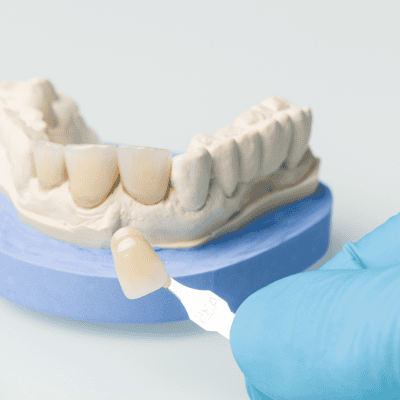
Composite veneers are applied directly to the tooth layer by layer and hardened with a light. While they are more affordable and can often be completed in one visit, they are more susceptible to staining and typically do not last as long as porcelain. They are a viable option for suitable patients looking for a budget-friendly, temporary to medium-term solution.
Porcelain and E-max veneers, on the other hand, are custom-milled or pressed in a laboratory. They offer a highly translucent, natural appearance and resist staining far better than composite. Zirconia is exceptionally strong and is sometimes recommended for patients who have heavier bites or a history of mild teeth grinding, though it may lack the slight translucency of E-max.
E-max is a type of lithium disilicate glass-ceramic known for its excellent strength and aesthetics. It is currently one of the most requested materials for cosmetic smile makeovers globally.
How Many Trips Are Required to Complete the Veneers Procedure?
Most porcelain veneer treatments require a single trip lasting between 5 to 7 days. This timeframe allows for the initial consultation, tooth preparation, laboratory fabrication, and final cementing.
Unlike local dental care where appointments might be spaced weeks apart, dental tourism clinics are structured to complete treatments efficiently. The process typically begins on day one with a comprehensive consultation, x-rays, and tooth preparation (which involves removing a tiny layer of enamel). Temporary veneers are placed to protect your teeth.
Over the next few days, a dental laboratory custom-fabricates your permanent veneers. This is where patience is necessary. Rushing the lab process can lead to poor fit or aesthetic issues. By day four or five, you will return to the clinic for a fitting. The dentist will check the color, shape, and bite alignment before permanently bonding them to your teeth.
It is highly recommended to build a buffer of 1 to 2 extra days into your travel itinerary. This allows the dentist to make any minor adjustments to your bite or address localized sensitivity before you fly home. Rushing to the airport immediately after permanent cementation can complicate post-operative care.
What Are the Potential Risks of Getting Dental Veneers Abroad?
While getting veneers in Mexico can yield successful results, the procedure carries standard dental risks, compounded by the logistical challenges of receiving care far from your home base.
Any irreversible dental procedure carries inherent risks. Enamel removal can sometimes lead to prolonged tooth sensitivity or, in rare cases, nerve damage that might require a root canal. If veneers are not bonded correctly, they can detach, or if the margins are not smooth, they can trap bacteria leading to gum inflammation or secondary decay.
The primary risk of traveling abroad for treatment is the difficulty of managing complications. If a veneer chips or your bite feels misaligned two weeks after you return home, you cannot easily visit the original dentist for a quick adjustment. You may have to pay a local dentist out-of-pocket to correct the issue, which can negate your initial savings.
To mitigate these risks, patients must undergo a thorough consultation, disclose their complete medical and dental history, and avoid clinics that promise unrealistic, "guaranteed" outcomes. Proper case selection by the dentist is crucial for long-term success.
How Should I Handle Post-Procedure Care and Potential Complications?
Proper aftercare is essential for extending the life of your veneers. This involves meticulous oral hygiene, dietary adjustments, and establishing a relationship with a local dentist upon returning home.
Immediately after the procedure, you may experience temperature sensitivity. This typically subsides within a few days to a couple of weeks. Using a toothpaste designed for sensitive teeth can help manage this discomfort. During this initial healing phase, stick to a soft diet and avoid excessively hot or cold foods.
Long-term maintenance dictates how well your investment holds up. Follow these crucial aftercare practices:
- Brush twice daily using a non-abrasive toothpaste to avoid scratching the porcelain.
- Floss daily to prevent gum disease and decay around the margins of the veneers.
- Never use your teeth as tools (e.g., opening packages, biting nails).
- Wear a custom nightguard if you have a history of bruxism (teeth grinding or clenching).
- Schedule regular professional cleanings and exams with your local home-country dentist.
If a complication arises, such as a debonded veneer, keep the veneer safe and contact a local dentist immediately. Do not attempt to re-glue it yourself with household adhesives, as this can destroy the veneer and harm your tooth.
Does Medical Tourism in Mexico Offer Language Assistance?
The infrastructure for medical tourism in Mexico is highly developed in key areas. Many specialized clinics employ bilingual staff and dentists to ensure clear communication with international patients.
Communication is vital when discussing irreversible cosmetic changes to your face. Misunderstanding a shade preference or the extent of tooth preparation can lead to dissatisfaction. Fortunately, in popular dental tourism hubs, English fluency is a standard business requirement.
During your preliminary research, assess the clinic’s communication skills. How responsive are they to emails? Is the reception staff able to answer your questions clearly over the phone? A reputable clinic will provide comprehensive treatment plans, consent forms, and aftercare instructions written in clear English.
If you choose a clinic in a less tourist-focused area where English is not widely spoken, you may need to arrange for an independent translator to ensure that you fully comprehend the risks, benefits, and costs of the proposed dental work.
What Should I Ask During My Initial Dental Consultation?
A thorough consultation sets the foundation for a successful procedure. You should ask specific questions about the dentist's experience, materials, exact costs, and protocol for addressing complications.
Never rush the consultation phase. This is your opportunity to evaluate the clinic's professionalism and the dentist's communication style. If you feel pressured into making immediate decisions, consider it a warning sign and seek a second opinion.
Ensure you cover these critical questions before committing to treatment:
- How many veneer cases do you perform monthly, and can I see a portfolio of your own work?
- What specific brand of materials will be used for my restorations?
- Is the total cost provided an itemized estimate covering exams, imaging, temporaries, and the final veneers?
- What is your written policy on revisions if a veneer chips or falls off shortly after placement?
- What type of local anesthesia or sedation will be utilized during the preparation phase?
Why Choose PlacidWay for Finding Dental Care Abroad?
PlacidWay is an informational platform designed to help patients research, compare, and connect with international healthcare providers, offering transparent resources for making informed medical decisions.
Navigating the complex landscape of international healthcare can be overwhelming. Finding accurate information regarding clinic capabilities, provider credentials, and pricing requires significant time and effort. PlacidWay exists to streamline this research process.
By utilizing our platform, patients gain access to a centralized repository of healthcare facility profiles. We aim to equip you with the necessary data to evaluate your options objectively and find a provider that aligns with your specific health needs and budget.
Compare multiple dental clinics and specialists across different regions and countries in one place.
Access information on clinic facilities, available technologies, and listed dental specialties.
Review available information regarding dentist education, certifications, and professional backgrounds.
View estimated pricing guidelines to help you budget for your desired dental treatments.
Utilize comprehensive articles and guides to better understand procedures, risks, and recovery expectations before you travel.
Frequently Asked Questions
Are Mexican dentists qualified to do veneers?
Yes, many Mexican dentists are highly qualified, having completed rigorous dental education and specialized training in cosmetic dentistry. Patients should verify the dentist's active professional license (cédula profesional) through the official government registry.
Do veneers done in Mexico look natural?
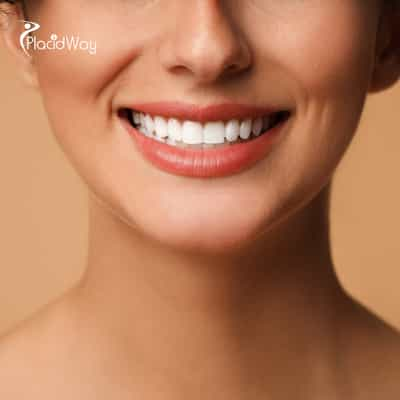
When crafted by an experienced cosmetic dentist using high-quality materials like porcelain or zirconia, veneers can look very natural. The aesthetic outcome depends heavily on the practitioner's skill, the dental lab's precision, and the materials selected.
Can I get a full set of veneers in one day?
Composite veneers can sometimes be completed in a single visit. However, custom porcelain or zirconia veneers typically require 5 to 7 days, as they must be fabricated in a dental laboratory between your preparation and placement appointments.
What travel documents do I need for dental work in Mexico?
Travel document requirements depend on your citizenship and mode of transport. A valid passport is required for air travel. Land and sea border crossings have specific requirements, so you should always check the latest official government travel advisories before departing.
Is it painful to get veneers in Mexico?
The procedure is typically performed under local anesthesia to minimize discomfort during the tooth preparation phase. Some patients may experience mild temporary sensitivity to hot or cold foods in the days following the placement of the veneers.
How long do porcelain veneers typically last?
With proper oral hygiene and regular dental checkups, porcelain veneers typically last between 10 to 15 years. However, their lifespan can vary based on individual habits, such as teeth grinding or chewing on hard objects.
Can I eat normally after getting veneers?
Yes, you can eat most foods normally, but it is advisable to avoid biting directly into very hard items like ice, hard candies, or whole apples with your front teeth, as this can potentially chip or damage the veneers.
What happens if a veneer falls off when I return home?
If a veneer detaches after you return home, you will likely need to visit a local dentist to have it re-bonded. It is important to keep the veneer safe and clean, and understand that local dentists will charge their standard fees for this service.
Do clinics in Mexico use sedation dentistry?
Many clinics catering to international patients offer various forms of sedation, ranging from nitrous oxide (laughing gas) to oral conscious sedation or IV sedation. Availability varies, so it is essential to discuss sedation options and associated costs during your initial consultation.
Are dental clinics in Mexico sanitary and clean?
Reputable clinics follow strict infection control protocols and sterilization standards. Patients should inquire about a clinic's sterilization procedures, use of autoclaves, and adherence to international health and safety guidelines prior to booking.
Compare Dental Implant and Veneer Options Today
Ready to explore your options for cosmetic dentistry abroad? Research top-rated clinics and request transparent treatment estimates through our platform.
Request Treatment InformationReferences
- Veneers Overview – American Dental Association (ADA)
- Infection Control in Dental Settings – Centers for Disease Control and Prevention (CDC)
- National Registry of Professionals (Cédula Profesional) – Secretariat of Public Education (SEP), Mexico
- Dental Materials and Devices – U.S. Food and Drug Administration (FDA)
- Dental Exams and Professional Care – Mayo Clinic
- Clinical Performance of Porcelain Veneers – National Library of Medicine (PubMed)
Disclaimer: The pricing data provided in this article represents estimates gathered from clinical averages and is subject to change. This content is for informational purposes only and should not replace professional medical advice. Always consult with a qualified healthcare provider regarding your dental needs.




















Share this listing