
Stem Cell Therapy in Colombia: Prices, Clinics, and What to Expect
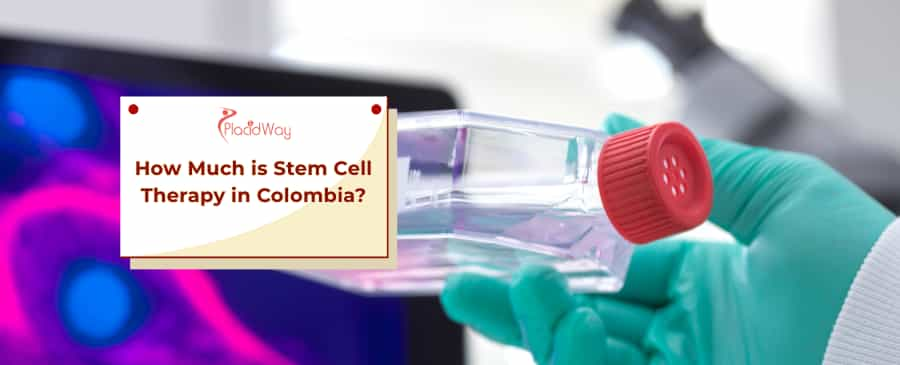
For patients exploring regenerative medicine options abroad, understanding the cost of stem cell therapy in Colombia is often the first step in the decision-making process. As healthcare expenses continue to rise in North America and Europe, many individuals are looking toward South America for alternative options. Colombia has emerged as a notable destination for those seeking specialized medical care, offering modern facilities and trained healthcare professionals at more accessible price points.
Key Takeaways
- Treatment estimates range between $4,000 and $10,000 USD, though complex cases may cost more.
- Common applications include joint pain management and supportive care for autoimmune conditions.
- Results are highly individualized and therapies are largely investigational; no outcomes are guaranteed.
- Patients should verify that facilities comply with Colombia's INVIMA health regulations.
- Thorough pre-travel consultation with a local physician is essential for patient safety.
What factors affect the stem cell therapy cost in Colombia?
The financial investment required for regenerative medicine is rarely a flat fee. The most significant variable is the cellular source. Treatments utilizing your own biological material, known as autologous cells derived from fat tissue or bone marrow, involve specific surgical extraction and laboratory processing fees. Conversely, therapies using donor cells from umbilical cord tissue bypass the extraction surgery but carry distinct procurement and laboratory cultivation costs.
The severity and nature of your condition also dictate the treatment protocol. A patient seeking localized injections for mild joint discomfort will typically require a lower cellular dosage and fewer sessions than someone undergoing systemic intravenous infusions for an autoimmune disorder. Extensive protocols naturally increase the overall financial requirement.
Additionally, the geographical location of the facility plays a role. A premier stem cell therapy clinic in Colombia located in major urban centers like Bogotá or Medellín may have higher operating costs, which can reflect in the pricing. These specialized facilities often include comprehensive pre-procedure diagnostic testing, specialized imaging, and post-treatment monitoring within their fee structure, altering the baseline estimate.
How much can you save with medical tourism in Colombia?
Cost is the primary driver for medical tourism in Colombia. In North America, where regenerative therapies are often classified as elective or experimental, insurance companies typically deny coverage. This leaves patients bearing the full financial weight, which can easily exceed $15,000 to $25,000 USD depending on the protocol.
| Treatment Phase | US/Canada Estimate (USD) | Colombia Estimate (USD) |
|---|---|---|
| Initial Consultation & Testing | $500 - $1,500 | $100 - $300 |
| Localized Joint Therapy | $5,000 - $10,000 | $3,000 - $5,000 |
| Systemic IV Protocol | $15,000 - $30,000 | $5,000 - $10,000 |
While the procedural savings are substantial, you must account for travel logistics. Flights, accommodations, specialized travel insurance, and daily living expenses during your stay will add to the total cost. Even with these additional expenses, many patients find the overall financial outlay remains significantly lower than staying home.
What types of stem cells are typically used?
- Adipose-Derived Cells: These are collected from the patient through a minor liposuction procedure, making them highly compatible with the patient immune system.
- Bone Marrow Aspirate: Extracted typically from the pelvic bone, this source is frequently used for orthopedic applications and joint repair therapies.
- Umbilical Cord Tissue: These allogeneic cells are obtained from healthy donor births, processed in a laboratory, and valued for their youth and vigorous replication rates.
- Exosomes: While not actual cells, these tiny vesicles secreted by stem cells are sometimes used alongside cellular therapies to potentially enhance cell signaling and communication.
- Platelet-Rich Plasma: Often used in conjunction with cellular treatments, PRP is derived from your blood to provide growth factors that may support tissue healing.
What conditions are commonly addressed at a stem cell therapy clinic in Colombia?
It is vital to understand that aside from specific blood cancers treated with bone marrow transplants, most stem cell applications are considered investigational by global health authorities. However, many individuals travel abroad seeking symptom management for conditions where traditional medicine has offered limited relief.
Orthopedic applications are among the most common. Patients experiencing osteoarthritis, sports injuries, or chronic joint degeneration frequently pursue localized injections. The biological goal is to introduce cells that may modulate inflammation and potentially support the body natural tissue repair mechanisms in knees, shoulders, and hips.
Systemic approaches are also explored by patients dealing with autoimmune disorders such as rheumatoid arthritis, lupus, or multiple sclerosis. In these instances, therapies aim to influence the immune response and manage chronic inflammation. Outcomes for these complex systemic conditions vary widely, and treatments should only be viewed as complementary rather than curative.
Is stem cell therapy in Colombia regulated and safe?
Safety should always be the priority when considering medical procedures abroad. Colombia has a developed healthcare infrastructure, and many of its major hospitals meet international quality standards. The regulatory body, INVIMA, oversees the processing, storage, and application of human tissues and cellular products to mitigate risks of contamination and infection.
Despite these regulations, the regenerative medicine sector globally includes a mix of highly professional institutions and less scrupulous operators. Patients must actively verify the credentials of their chosen provider. Safe facilities operate in sterile, hospital-grade environments, employ licensed medical specialists, and maintain transparent protocols regarding cell screening and viability testing.
There is no medical procedure without risk, and stem cell interventions are no exception. Ensuring that the laboratory processing the biological material adheres strictly to Good Manufacturing Practices can significantly reduce the likelihood of adverse events like bacterial infections or severe immune reactions.
Who is a good candidate for this type of treatment?
- Documented Medical History: Patients must have a clear, documented diagnosis from their local physician to ensure the proposed therapy aligns with their condition.
- Realistic Expectations: A candidate must understand that regenerative medicine may help manage symptoms but is unlikely to offer a permanent cure.
- Absence of Active Cancer: Individuals with active malignancies or a recent history of cancer are typically disqualified due to concerns about cellular growth factors.
- Stable Immune System: Patients with severe, unmanaged systemic infections are generally not eligible until the acute issue is resolved.
- Willingness for Follow-up: Good candidates commit to long-term monitoring and physical rehabilitation after returning home to maximize potential benefits.
- Adequate General Health: While seeking treatment for a specific issue, the patient must be healthy enough to safely endure travel, the procedure, and the recovery phase.
What should patients expect during the procedure and recovery?
| Timeline | Expected Activity |
|---|---|
| Days 1-2 | Arrival, blood tests, physical evaluation, and final review of the medical protocol. |
| Days 3-4 | Cell extraction (if autologous) or preparation of donor cells. Administration via injection or IV. |
| Days 5-7 | Rest, clinical observation for immediate adverse reactions, and discharge consultation. |
The administration process itself is typically minimally invasive and performed in an outpatient setting. Joint injections usually take less than an hour, while intravenous infusions may take a few hours. Local anesthesia is often used for joint injections or cell harvesting to maximize comfort.
Recovery times vary depending on the delivery method and the condition treated. Mild soreness, swelling at the injection site, or minor fatigue are common temporary side effects. Patients are routinely advised to avoid strenuous physical activity, anti-inflammatory medications, and excessive stress for several weeks following the intervention to allow the body to properly integrate the therapy.
What are the potential risks and complications of stem cell therapy?
It is crucial to approach medical tourism objectively and acknowledge that traveling abroad for care does not eliminate medical risks. The most immediate concern with any injection or surgical harvesting is the risk of bacterial infection. If a facility does not maintain rigorous sterile protocols, patients can develop severe local or systemic infections requiring hospitalization.
When utilizing donor cells (allogeneic), there is a small risk of immune system reactions, though mesenchymal cells are generally considered immune-privileged. A more complex and long-term concern is the theoretical risk of uncontrolled cellular multiplication. Because these cells promote growth and regeneration, administering them to a patient with an undiagnosed tumor could potentially accelerate cancerous growth.
Perhaps the most frequent complication is financial and emotional: the treatment may simply not work. Patients may invest significant time and money without experiencing any clinical improvement. Transparent medical providers will openly discuss these limitations and refrain from offering absolute guarantees regarding your outcome.
How do you choose the right provider for regenerative medicine abroad?
- Check Medical Credentials: Verify that the attending physicians are board-certified in their respective specialties and hold active, unrestricted medical licenses in Colombia.
- Ask About the Lab: Inquire exactly where and how the biological materials are processed. Reputable providers use certified laboratories adhering to stringent quality controls.
- Demand Transparency: The provider should offer a clear, itemized explanation of what the stem cell therapy cost in Colombia includes, without hidden fees.
- Evaluate Communication: Assess whether the clinical team takes the time to review your medical records, explain the risks, and answer your questions clearly before you travel.
- Avoid High-Pressure Sales: Walk away from facilities that pressure you to book immediately, guarantee a complete cure, or downplay the potential risks of the intervention.
- Plan for Aftercare: Ensure the provider has a structured plan for following up on your progress and communicating with your local physician once you return home.
Why Choose PlacidWay for Medical Tourism in Colombia?
Navigating international healthcare options can be complex. PlacidWay serves as a resource for patients seeking medical treatments outside their home country. Here is how the platform can assist you:
- Provides a centralized directory to explore various international medical facilities and treatment options.
- Supplies basic information regarding international hospital accreditations and provider credentials.
- Connects individuals directly with healthcare coordinators at international clinics for personalized communication.
- Offers access to initial cost estimates to help patients budget for their medical journeys.
- Features educational content and articles to help patients understand the basics of medical tourism.
Frequently Asked Questions
Do I need a visa to travel to Colombia for medical treatment?
Citizens from many countries, including the United States, Canada, and nations within the European Union, typically do not need a visa for short visits to Colombia. You are usually granted a tourist stamp upon arrival, which covers medical tourism trips lasting up to 90 days. Always verify current entry requirements with the Colombian consulate before booking your travel.
Are stem cell treatments in Colombia covered by US health insurance?
Most international stem cell treatments are considered elective or investigational, meaning standard US health insurance plans rarely cover them. Patients usually pay out-of-pocket for these procedures. You should consult your insurance provider to understand your specific benefits, though you should plan to cover the costs independently.
How long do I need to stay in Colombia for stem cell treatment?
The required stay varies by protocol, but most clinics suggest remaining in the country for 5 to 10 days. This timeline allows for initial medical consultations, the cell collection or preparation phase, the administration of the therapy, and a few days of immediate postoperative observation to monitor for early side effects.
Can I combine a vacation with my medical tourism in Colombia?
Many patients choose to explore local sights before their treatment begins. However, post-treatment recovery usually requires rest, minimizing physical exertion, and avoiding certain environments like public pools or prolonged sun exposure. If you plan to travel, schedule strenuous vacation activities prior to your medical appointments.
What is the difference between autologous and allogeneic stem cells?
Autologous treatments use cells harvested from your own body, typically from adipose fat or bone marrow. Allogeneic treatments use cells donated by someone else, often sourced from ethically donated umbilical cord tissue. Your medical provider will determine which option may be more appropriate based on your health status and condition.
Are English-speaking medical staff common in Colombia?
Facilities catering to international patients usually employ bilingual doctors and patient coordinators who speak fluent English. Clear communication is critical for medical consent and understanding post-procedure care. If a provider does not speak English, reputable clinics often provide dedicated medical translators for your appointments.
Can stem cell therapy cure my chronic illness completely?
Stem cell therapies are not considered a cure for most chronic illnesses. While some patients report symptom relief or improved function, outcomes vary significantly, and the treatment remains investigational for many conditions. It is important to maintain realistic expectations and view the therapy as a potential management tool rather than a guaranteed cure.
What happens if I experience complications after returning home?
Before leaving the foreign clinic, you should receive a detailed discharge summary and post-care plan. If complications arise once you are home, you must seek immediate medical attention from your local primary care physician or specialist. Ensure your local doctor is aware of the treatments you received abroad so they can provide appropriate care.
Are the stem cells expanded or multiplied before administration?
Depending on the clinical protocol and local regulations, some facilities cultivate and multiply harvested cells in a laboratory over several days or weeks to achieve a higher cell count. This process, known as expansion, is highly regulated in many countries due to the increased risk of contamination or cell mutation.
Can I receive multiple stem cell treatments during one trip?
Receiving multiple interventions in a single visit depends entirely on the treating physician's assessment of your safety and tolerance. Some protocols involve multiple localized injections over a few days, while others require a single systemic infusion. Your medical team will structure a schedule that prioritizes your physical well-being.
Compare Treatment Options
Take the next step in your healthcare journey. Request educational information, review cost estimates, and connect with international facilities to help you make an informed decision.
Request Treatment InformationReferences
- FDA Warns About Stem Cell Therapies – U.S. Food and Drug Administration (FDA)
- Patient Handbook on Stem Cell Therapies – International Society for Stem Cell Research (ISSCR)
- Traveler's Health: Colombia – Centers for Disease Control and Prevention (CDC)
- Learn About Clinical Studies – ClinicalTrials.gov (National Institutes of Health)
- National Food and Drug Surveillance Institute – INVIMA (Colombia)
- Medical Tourism Guidelines – World Health Organization (WHO)
























Share this listing