
Average Hospital Stay for Knee Surgery in Mexico

Traveling abroad for orthopedic procedures requires careful planning, especially when determining how long you will be away from home. When researching knee surgery in Mexico, understanding the inpatient timeline is crucial for organizing your travel, accommodation, and support system. The duration of your hospital stay provides a safe window for acute medical monitoring, pain management, and the beginning of physical rehabilitation.
The timeline for medical tourism in Mexico often involves more than just the days spent in a hospital bed. Patients must factor in arrival days, preoperative consultations, the inpatient recovery phase, and a mandatory local hotel stay before flying home. By knowing exactly what to expect during your hospitalization, you can prepare yourself physically and mentally for the journey ahead.
Key Takeaways
- Inpatient hospital stays generally range from 2 to 4 days for major knee procedures.
- Initial physical therapy often begins within 24 hours of your operation to promote joint mobility.
- Patients are typically required to stay in a local hotel for 7 to 14 days post-discharge before flying.
- Discharge relies on meeting specific medical milestones, such as pain control and assisted walking.
- Thorough pre-trip planning and communication with a chosen facility are essential for a smooth experience.
What factors affect the duration of my hospital stay for knee surgery?
Your time in the hospital is highly individualized. While averages provide a helpful baseline, your orthopedic surgeon will base your discharge on clinical criteria rather than a strict calendar. One of the primary factors is your baseline health. Patients with existing medical conditions, such as diabetes, heart disease, or high blood pressure, may require an extra day of monitoring to ensure their vital signs remain stable after anesthesia.
Another major factor is your response to early physical therapy. Before a hospital will clear you for discharge, you generally need to demonstrate that you can get in and out of bed safely, walk a short distance with a walker or crutches, and manage basic personal care. If you experience excessive nausea from medications or find it difficult to bear weight as instructed, the medical team may extend your stay to ensure your safety.
Finally, the presence of any immediate postoperative complications can alter your timeline. Issues such as difficulty managing pain, slow wound healing, or unexpected bleeding will prompt the surgical team to keep you under observation until the situation is fully resolved.
How does the hospital stay differ between total and partial knee replacement?
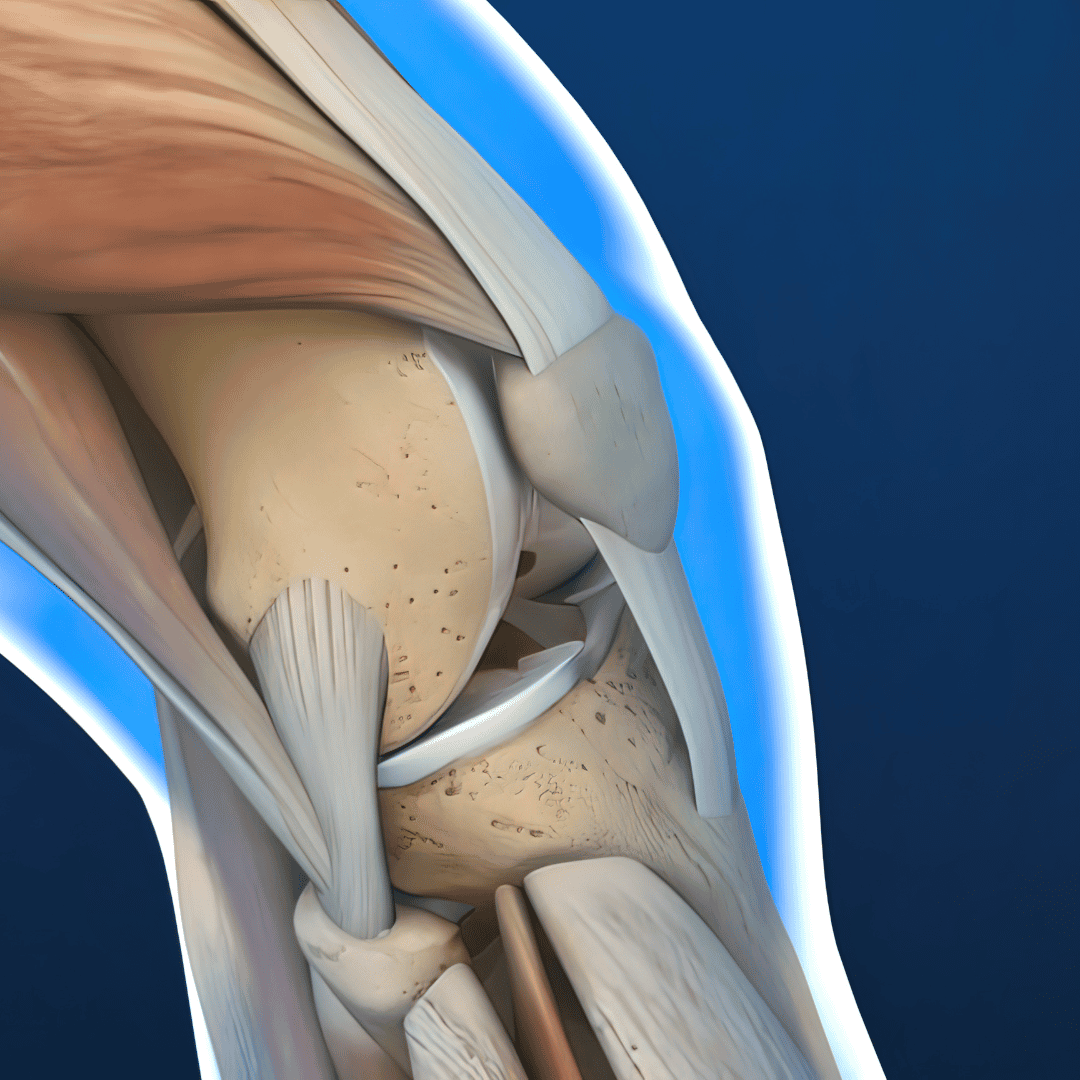
A total knee arthroplasty (TKA) involves resurfacing the entire joint, which inherently results in more surgical trauma to the surrounding tissues, ligaments, and bone. Because the procedure is extensive, patients typically require stronger pain management protocols and a longer period of acute monitoring to watch for signs of blood clots or infection. This complexity naturally extends the hospital recovery window.
In contrast, a partial knee replacement (unicompartmental knee arthroplasty) replaces only the damaged compartment of the knee, preserving healthy bone and ligaments. Patients undergoing a partial replacement often experience less postoperative pain and less swelling. Consequently, they tend to regain their mobility faster.
It is important to note that arthroscopic surgeries—such as meniscus repairs or ligament reconstructions—often do not require an overnight stay at all. In suitable patients, these are performed as outpatient procedures, allowing the patient to return to their local hotel accommodation on the same day, provided there are no complications.
What happens during the first 24 hours after knee surgery?
The immediate postoperative period is focused heavily on medical stabilization and pain control. When you wake up in the recovery room, you may have compression devices on your legs to prevent deep vein thrombosis (DVT), a urinary catheter, and an IV delivering fluids and pain medication. Nurses will regularly check your blood pressure, temperature, and the surgical dressing on your knee.
| Timeframe | Typical Medical Focus |
|---|---|
| Hours 1-4 | Waking from anesthesia, initial pain management, vital sign monitoring in the recovery ward. |
| Hours 4-12 | Transfer to a private hospital room, introduction of oral fluids, continuous leg compression for clot prevention. |
| Hours 12-24 | First assisted attempts to sit on the edge of the bed or stand; transition to a lighter diet if nausea subsides. |
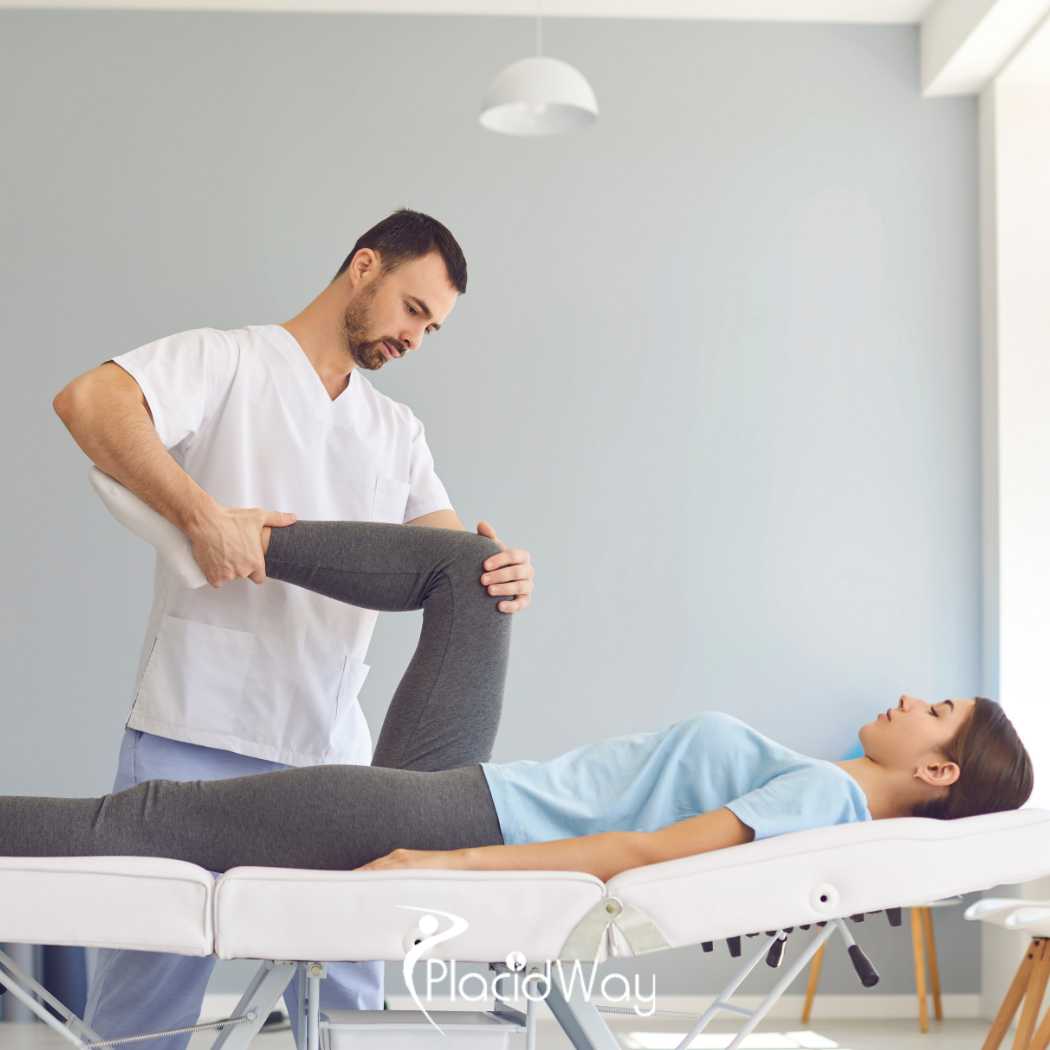
Modern orthopedic protocols place a strong emphasis on early mobilization. Do not be surprised if a physical therapist visits your room the morning after your surgery. Early movement is critical for preventing joint stiffness and reducing the risk of blood clots. You will be taught how to safely bear weight using a walker and guided through gentle ankle pumps and breathing exercises.
Will I need to stay in a hotel after discharge before flying home?
- Medical Follow-up: Staying locally allows your surgeon to remove staples or sutures, check the incision site for early signs of infection, and evaluate your healing progress.
- Clot Prevention: The risk of deep vein thrombosis (DVT) is elevated after major lower-limb surgery. Flying too soon can dangerously increase this risk due to prolonged sitting and cabin pressure changes.
- Physical Therapy: Many patients arrange for a local physical therapist to visit their hotel room for the first week to maintain joint mobility safely.
- Pain Management: The initial days after discharge can be uncomfortable. Being near your medical team allows for adjustments to your pain medication if necessary.
- Travel Clearance: You will need a formal "fit to fly" certificate from your surgeon to ensure it is medically safe for you to board a commercial aircraft.
How soon can I travel back home safely after my hospital discharge?
Flying after major joint surgery is a significant medical consideration. Commercial flights involve cramped seating spaces, making it difficult to keep your leg elevated. Furthermore, decreased cabin pressure and limited movement can contribute to the pooling of blood in the lower extremities, heightening the risk of a dangerous blood clot.
To mitigate these risks, your doctor will usually prescribe blood-thinning medications to take before and during your flight. They may also recommend wearing specialized compression stockings. When booking your return flight, it is highly advisable to request an aisle seat with extra legroom, or if possible, upgrade to business class to allow you to extend your knee comfortably.
If you are traveling by car over a long distance, similar rules apply. You should plan to stop every hour or two to get out, walk around, and perform leg exercises to keep blood circulating properly.
What level of medical care will I receive during my hospital stay?
Many private hospitals catering to international patients strive to maintain high standards of clinical care, often aligning with international protocols. Throughout your 2 to 4-day stay, registered nurses will monitor your surgical wound, change dressings as needed, and ensure that your pain management schedule is strictly followed.
Your operating surgeon will typically round daily to evaluate your progress, discuss how the surgery went, and review your latest blood work or X-rays. This is a critical time to ask questions about your ongoing recovery and ensure you understand your postoperative restrictions.
Are rehabilitation and physical therapy included while I am in the hospital?
- Mobility Training: Therapists will teach you the proper techniques for transitioning from lying down to sitting, and from sitting to standing, without putting undue stress on the healing joint.
- Gait Practice: You will receive instruction on how to walk correctly using a walker, crutches, or a cane, ensuring your balance is secure.
- Range of Motion: You may use a Continuous Passive Motion (CPM) machine, or perform guided leg slides, to gently bend and straighten the knee.
- Stair Navigation: Before discharge, it is common practice for a therapist to evaluate your ability to navigate a few steps safely, as you will likely encounter stairs upon returning home.
- Home Exercise Program: The hospital therapist will provide you with a printed guide of daily exercises that you must continue diligently once you transfer to your hotel.
What should I do if complications arise after leaving the Mexican hospital?
Postoperative complications are a risk with any major surgery, regardless of location. The most pressing concerns after knee replacement include surgical site infections and deep vein thrombosis. If you are recovering in your local hotel and experience sudden severe pain, chest pain, shortness of breath, or notice foul-smelling drainage from your wound, you should alert your clinic coordinator right away to be evaluated at the hospital.
Once you return to your home country, relying on your foreign surgeon for acute complications is not feasible. This highlights the importance of having a local primary care doctor or orthopedic specialist willing to take over your follow-up care. Before you travel, it is highly recommended to secure a local physician who agrees to manage your postoperative needs.
Always ensure you carry a complete copy of your medical records, operative reports, implant details, and imaging discs from your trip. A local emergency room or doctor will need this documentation to accurately assess and treat any developing issues safely.
How does the recovery timeline impact the overall timeline of my medical trip?
Organizing your time away requires looking at the total picture rather than just the surgical dates. You will typically need to arrive one to two days prior to your operation for in-person consultations, preoperative blood work, and anesthesia evaluations.
Adding the 2 to 4 days spent in the hospital, followed by the 7 to 14 days of hotel recovery, means your entire itinerary will likely span between 14 and 21 days. During this time, you will need a companion to assist you with daily tasks, moving luggage, and navigating the airport when it is time to depart.
Patients should also manage their expectations regarding their return to work. Even after returning home safely, full recovery from major joint surgery takes several months. Desk workers might return after 4 to 6 weeks, while those with physically demanding jobs may require 3 to 4 months of rehabilitation before clearance.
How does the procedure and facility affect the estimated knee surgery cost?
When patients research the estimated knee surgery cost in Mexico, it is vital to understand what is included in the quoted price. Longer hospital stays naturally increase the baseline fees, as they require more nursing care, daily room charges, and extended medical supplies. A patient who requires four days of inpatient monitoring will likely face different costs than someone discharged after two days.
Furthermore, finding a reputable knee surgery clinic in Mexico often involves comparing comprehensive packages. Some facilities bundle the surgical fees, implant costs, anesthesia, and a set number of hospital nights into a single estimate. However, if a medical complication requires you to stay in the hospital longer than anticipated, you may incur additional out-of-pocket charges.
When requesting pricing information, always ask for an itemized breakdown. Ensure you understand what happens financially if an extended hospital stay is medically necessary, and remember to budget separately for your extended hotel stay, local transportation, and flights.
Why Choose PlacidWay for Medical Tourism?
Navigating international healthcare options can be complex. PlacidWay provides a platform to help patients gather information and connect with medical providers globally.
Frequently Asked Questions
Do hospitals in Mexico provide English-speaking staff?
Many facilities that frequently treat international patients employ bilingual nurses, doctors, and patient coordinators to help ensure clear communication during your stay. However, the level of English proficiency can vary, so it is often helpful to inquire about language support before your trip.
Can my companion stay in the hospital room with me?
Many private hospitals allow one companion to stay overnight in the patient’s room, often providing a sleeper chair or sofa bed. You should confirm the specific visitor policies with your chosen facility ahead of time, as rules can differ.
What items should I pack for my hospital stay?
You should pack loose, comfortable clothing, non-slip flat shoes, personal toiletries, any current medications in their original bottles, and personal identification. Entertainment items like a tablet or books can also help pass the time during recovery.
Will I get copies of my surgical records before I leave?
Yes, standard protocol involves providing patients with copies of their operative reports, imaging discs, and discharge summaries. It is highly recommended that you request these records before leaving the hospital to share with your local healthcare provider.
How is pain managed during the hospital stay?
Pain is typically managed using a combination of intravenous medications initially, transitioning to oral pain relievers as you recover. Your medical team will monitor your comfort levels and adjust dosages to help you participate in early physical therapy.
Are meals provided during the hospital stay?
Inpatient stays include daily meals tailored to your dietary needs and medical status. After surgery, you may start with a liquid diet and gradually transition to solid foods as your digestive system recovers from anesthesia.
Is it safe to undergo knee surgery in a foreign hospital?
While many patients have positive experiences, all surgeries carry risks such as infection or blood clots, and traveling adds complexities. Researching hospital credentials, discussing risks with your local doctor, and carefully planning follow-up care can help mitigate these risks.
What type of anesthesia is typically used?
Orthopedic surgeons typically use either general anesthesia, where you are completely unconscious, or regional anesthesia (like an epidural or spinal block) paired with a sedative. The anesthesiologist will determine the most appropriate option based on your medical history.
Will the hospital arrange my local transportation upon discharge?
While some hospitals or patient coordinators assist in arranging a taxi or private car to your hotel, it is usually the patient's responsibility to cover the cost and confirm the arrangements. It is best to have this logistics plan settled before your surgery.
Do Mexican hospitals use the same knee implants as in the US?
Many private facilities use internationally recognized prosthetic brands from major global manufacturers. You should discuss the specific brand, materials, and type of implant with your surgeon during the consultation phase.
Compare Treatment Options Today
Gather information about facilities, recovery protocols, and estimated costs. Connect with global healthcare providers to start planning your medical journey.
Request Treatment InformationReferences
- Total Knee Replacement – American Academy of Orthopaedic Surgeons (AAOS)
- Knee Replacement: What You Can Expect – Mayo Clinic
- Medical Tourism Guidelines – CDC Yellow Book
- Surgical Care and Safety – World Health Organization (WHO)
- Joint Surgery Recovery Planning – Arthritis Foundation
- Knee Replacement Outcomes – Agency for Healthcare Research and Quality (AHRQ)
























Share this listing