


Total Knee Replacement Recovery in Mexico
If you're considering a total knee replacement and looking into options like Mexico, understanding the recovery timeline is naturally one of your top concerns. It's a significant surgery, and knowing what to expect during your recuperation process, especially when traveling for care, can help you plan effectively and reduce anxiety. The good news is that with modern surgical techniques and dedicated rehabilitation, most patients experience significant improvement and a successful return to a more active life.
The journey to full recovery after a total knee replacement in Mexico is a process that unfolds in several stages, from immediate post-operative care to long-term rehabilitation. While individual experiences can vary based on factors like age, overall health, and adherence to physical therapy, a general timeline can provide a clear roadmap. We'll explore each phase, including your hospital stay, the crucial role of physical therapy, and when you can anticipate getting back to your daily routines and favorite activities, ensuring you're well-informed every step of the way.
What is the typical recovery time for a total knee replacement in Mexico?
The journey to full recovery after a total knee replacement is a gradual process, but most patients begin to feel significant improvement within weeks. While individual experiences can vary, the general timeline involves several distinct phases. Immediately after surgery, the focus is on pain management and initiating early movement to prevent stiffness. This crucial initial period sets the stage for the rest of your recovery.
Following your hospital discharge, which typically occurs within a few days, the intensive phase of physical therapy begins. For many patients, the most notable progress is made during the first 6 to 12 weeks, where consistent exercise helps restore strength, flexibility, and mobility. A full return to all normal activities, including more strenuous ones, usually takes about 6 to 12 months. It's important to remember that complete healing and adaptation to your new knee continue even beyond this period, making adherence to your long-term exercise program vital.
How long is the hospital stay after knee replacement surgery in Mexico?
In Mexico, as in many other countries, advancements in surgical techniques and post-operative care have significantly reduced the length of hospital stays for total knee replacement patients. Most individuals can expect to remain in the hospital for about 1 to 3 days. This short stay is designed to ensure you are stable, your pain is well-managed, and you have started basic mobility exercises under professional supervision.
During your hospital stay, medical staff will closely monitor your vital signs, manage any post-operative pain with medication, and help you begin gentle movements of your new knee. A physical therapist will typically visit you on the first day after surgery to guide you through initial exercises, such as getting out of bed, standing, and taking a few steps with assistance. The goal is to ensure you are comfortable and safe enough to return to your temporary lodging or home, where you can continue your recovery in a more relaxed environment.
What kind of physical therapy is involved in knee replacement recovery in Mexico?
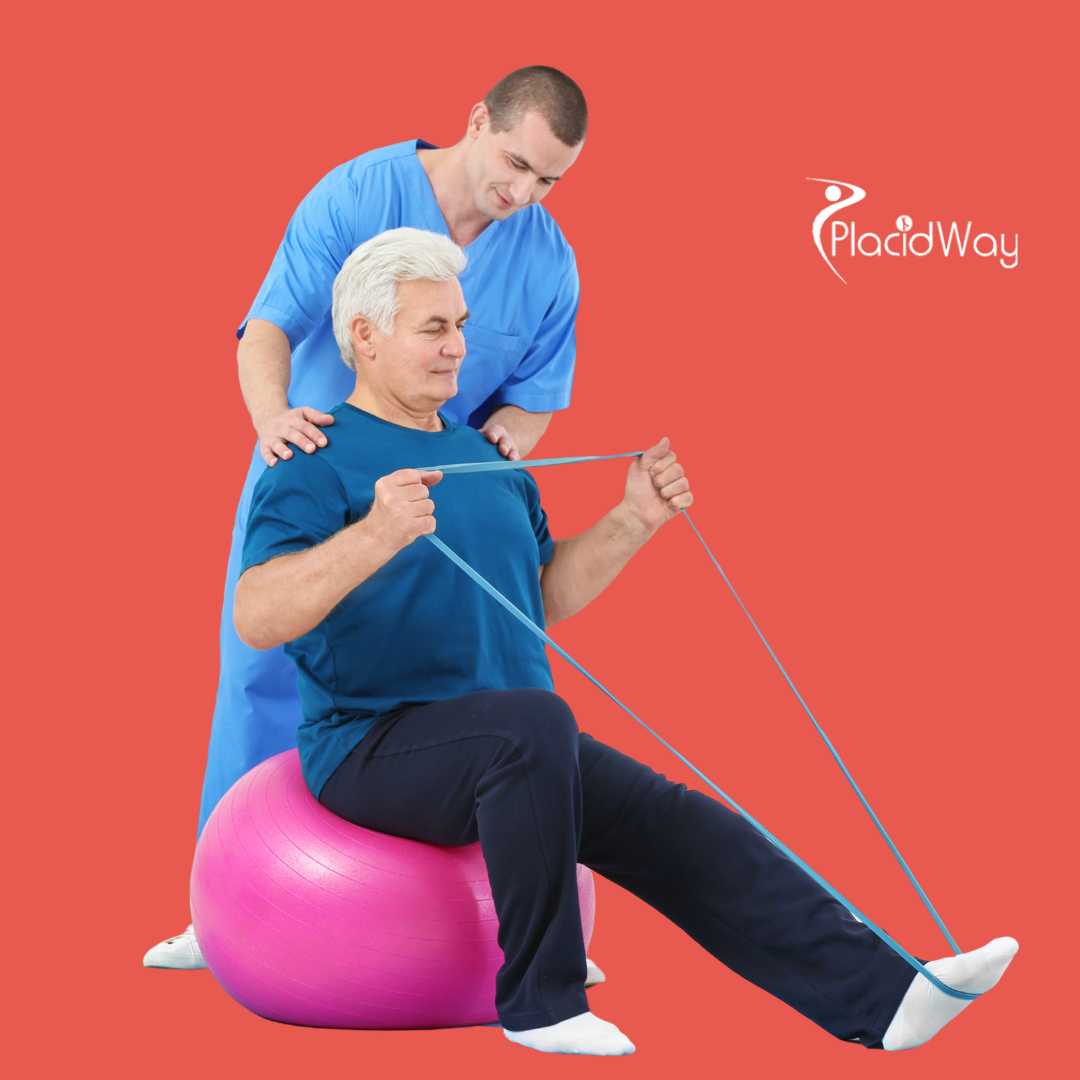
Physical therapy (PT) is a cornerstone of successful knee replacement recovery, whether in Mexico or elsewhere. It typically begins within hours or a day after your surgery while you are still in the hospital. The early exercises are gentle and designed to prevent stiffness, improve circulation, and start regaining mobility. As you progress, the therapy becomes more intensive, focusing on restoring the full range of motion and strengthening the muscles surrounding your knee.
The physical therapy program for total knee replacement usually includes a combination of exercises:
- Range of Motion Exercises: These help you bend and straighten your knee fully.
- Strengthening Exercises: Targeting quadriceps, hamstrings, and calf muscles to support the new joint.
- Balance and Gait Training: To help you walk safely and confidently.
- Functional Activities: Practicing daily tasks like climbing stairs, getting in and out of chairs, and navigating uneven surfaces.
Many medical tourism packages in Mexico include coordinated physical therapy services, often with English-speaking therapists. They ensure a seamless transition from hospital to outpatient or in-residence therapy. Adhering strictly to your therapist's instructions is critical for achieving optimal results and a smoother recovery from your total knee replacement.
When can I expect to walk without assistance after a knee replacement?
One of the most exciting milestones in knee replacement recovery is the ability to walk independently. While you'll be encouraged to stand and take your first steps with assistance within a day or two of surgery, walking without any support takes more time and consistent effort. Initially, you'll use a walker or crutches to ensure stability and reduce weight on your new knee.
Within 2 to 4 weeks, many patients can transition from a walker or crutches to a cane for support, especially if they have diligently followed their physical therapy program. By 6 to 8 weeks post-surgery, it's common for individuals to be walking independently without any assistive devices, although they might still experience some mild discomfort or fatigue.
Factors like your pre-operative fitness level, commitment to exercises, and individual healing rate play a significant role in how quickly you reach this stage. Your physical therapist will guide you on when it's safe to reduce and eventually discontinue assistive devices.
What are the phases of recovery after total knee replacement?
Understanding the distinct phases of recovery can help manage expectations and motivate you through the entire process. Each phase has specific goals and challenges:
- Immediate Post-Operative Phase (Hospital Stay, Days 1-3):
- Goal: Pain management, wound care, preventing complications, and initiating early movement.
- Activities: Gentle ankle pumps, quad sets, getting out of bed, initial walking with assistance.
- Early Recovery Phase (Weeks 1-12):
- Goal: Significant improvement in strength, flexibility, and functional mobility.
- Activities: Intensive physical therapy, progressing from walker/crutches to a cane and then independent walking, regaining full range of motion.
- Milestones: Driving (typically 4-6 weeks), returning to light activities.
- Long-Term Recovery Phase (Months 3-12+):
- Goal: Continued strengthening, improving endurance, and returning to most desired activities.
- Activities: Advanced strengthening exercises, low-impact sports, walking longer distances.
- Milestones: Full return to most recreational activities, feeling more "normal" with the new knee.
Even after a year, your knee continues to adapt, and maintaining an active lifestyle with regular exercises is crucial for the long-term success and durability of your total knee replacement.
Are there any specific considerations for recovery when having surgery in Mexico as a medical tourist?
Undergoing a total knee replacement as a medical tourist in Mexico offers many advantages, including cost savings and access to high-quality care. However, it also requires careful planning for the recovery phase. One primary consideration is the need for an extended stay. While the hospital stay is short, you will need to remain in Mexico for several weeks (often 2-4 weeks minimum) to complete initial intensive physical therapy before it is safe to travel home.
Other important considerations include:
- Accommodation: Choose comfortable, accessible accommodation for your recovery period. Many medical tourism providers offer packages that include recovery lodging.
- Language and Communication: Ensure you have clear communication with your medical team and physical therapists. Many clinics catering to international patients have English-speaking staff.
- Post-Operative Care Coordination: Plan for follow-up care and continued physical therapy once you return home. Get detailed medical records and instructions from your Mexican surgeon to share with your local doctors.
- Travel Insurance: Verify that your travel insurance covers medical complications or extended stays in a foreign country.
- Transportation: Arrange comfortable, safe transportation for follow-up appointments and therapy sessions while in Mexico.
Thorough preparation in advance can significantly ease your recovery experience as an international patient.
How does the cost of knee replacement in Mexico compare to the recovery support?
One of the most compelling reasons individuals choose Mexico for total knee replacement is the substantial cost savings compared to countries like the United States or Canada. A total knee replacement in Mexico can cost anywhere from $10,000 to $18,000, which often includes the surgery, hospital stay, anesthesia, and initial physical therapy. This is a fraction of the cost in Western countries, where the same procedure can easily exceed $30,000-$50,000, and sometimes much more.
Crucially, many medical tourism packages in Mexico are designed to incorporate essential recovery support. This means that while you're paying less for the surgery, you're not sacrificing the critical post-operative care needed for a successful outcome. These packages often bundle:
- Initial physical therapy sessions (both in-hospital and outpatient).
- Transportation between the airport, hospital, and recovery lodging.
- Assistance with finding accessible recovery accommodations.
- Dedicated patient coordinators to help with scheduling and communication.
This integrated approach ensures that patients receive the necessary support during their vital early recovery period in Mexico, making the overall experience both cost-effective and comprehensive for their total knee replacement.
What are the potential risks and complications during recovery?
While total knee replacement is a highly successful procedure, like any major surgery, it carries some potential risks and complications during recovery. Being aware of these can help you identify any issues early and seek prompt medical attention. The good news is that serious complications are rare, and medical teams are skilled at preventing and managing them.
Some of the potential risks and complications include:
- Infection: Though uncommon, infection at the surgical site or around the prosthetic joint can occur. Symptoms include fever, increased pain, redness, or discharge from the wound.
- Blood Clots: Deep vein thrombosis (DVT) in the leg or pulmonary embolism (PE) in the lungs are serious risks. Doctors prescribe blood thinners and encourage early movement to prevent these.
- Nerve or Blood Vessel Damage: Although rare, nearby nerves or blood vessels can be injured during surgery.
- Persistent Pain or Stiffness: Some patients may experience chronic pain or limited range of motion despite successful surgery and physical therapy.
- Implant Loosening or Failure: Over time, the prosthetic knee components can loosen or wear out, potentially requiring revision surgery.
- Allergic Reaction: To anesthesia or materials used in the implant.
Your surgical team in Mexico will discuss these risks with you and implement measures to minimize them. Following all post-operative instructions, including medication regimens and physical therapy, is your best defense against complications during recovery from your total knee replacement.
Can I fly home shortly after my knee replacement surgery in Mexico?
While the thought of returning to the comfort of your own home after surgery is appealing, flying too soon after a total knee replacement carries significant risks, primarily that of developing blood clots (deep vein thrombosis). Prolonged sitting in a confined space like an airplane, combined with the body's post-surgical inflammatory response, increases this risk. For this reason, most surgeons strongly advise against flying immediately after your knee replacement surgery in Mexico.
The typical recommendation is to wait at least 2 to 4 weeks before flying. This allows enough time for the initial healing process, reduction of swelling, and stabilization of your condition. It also provides a crucial window for you to begin intensive physical therapy, which is vital for early mobility and preventing complications. During this period, you will usually stay in recovery accommodation near your clinic in Mexico. When you do fly, it's advisable to take precautions such as:
- Booking an aisle seat for easier movement.
- Getting up and walking around the cabin frequently.
- Performing ankle pump exercises while seated.
- Wearing compression stockings.
- Ensuring you are properly hydrated.
Always consult with your surgeon about the safest time frame for air travel after your total knee replacement.
What support is available for international patients recovering from knee replacement in Mexico?
Mexico has developed a robust medical tourism infrastructure, meaning that international patients undergoing total knee replacement can expect a high level of support during their recovery. This support is designed to make the experience as smooth and stress-free as possible, bridging any cultural or logistical gaps.
Key support services often include:
- Patient Coordinators: Many clinics and medical tourism facilitators provide dedicated patient coordinators who act as your primary point of contact, assisting with scheduling, answering questions, and coordinating all aspects of your care and recovery.
- English-Speaking Staff: A significant number of doctors, nurses, and physical therapists in medical tourism-focused hospitals and clinics are fluent in English, ensuring clear communication.
- Accommodation and Transportation: Assistance with finding accessible, comfortable recovery lodging and arranging transport to and from the airport, hospital, and therapy sessions is commonly offered.
- Coordinated Physical Therapy: Recovery packages often include a structured physical therapy program that begins in the hospital and continues at an outpatient facility or even at your recovery accommodation.
- Cultural Familiarity: Some facilities offer support for cultural preferences, dietary needs, and provide information about local amenities for a more comfortable stay.
This comprehensive network of support ensures that you can focus on your healing and rehabilitation with confidence, knowing that practical concerns are being handled by experienced professionals throughout your total knee replacement recovery in Mexico.
Explore PlacidWay for solutions related to medical tourism, healthcare services, or other relevant offerings.

.jpg)








.png)









Share this listing