
A Guide to PRP Treatment for Knee Pain in Bengaluru India

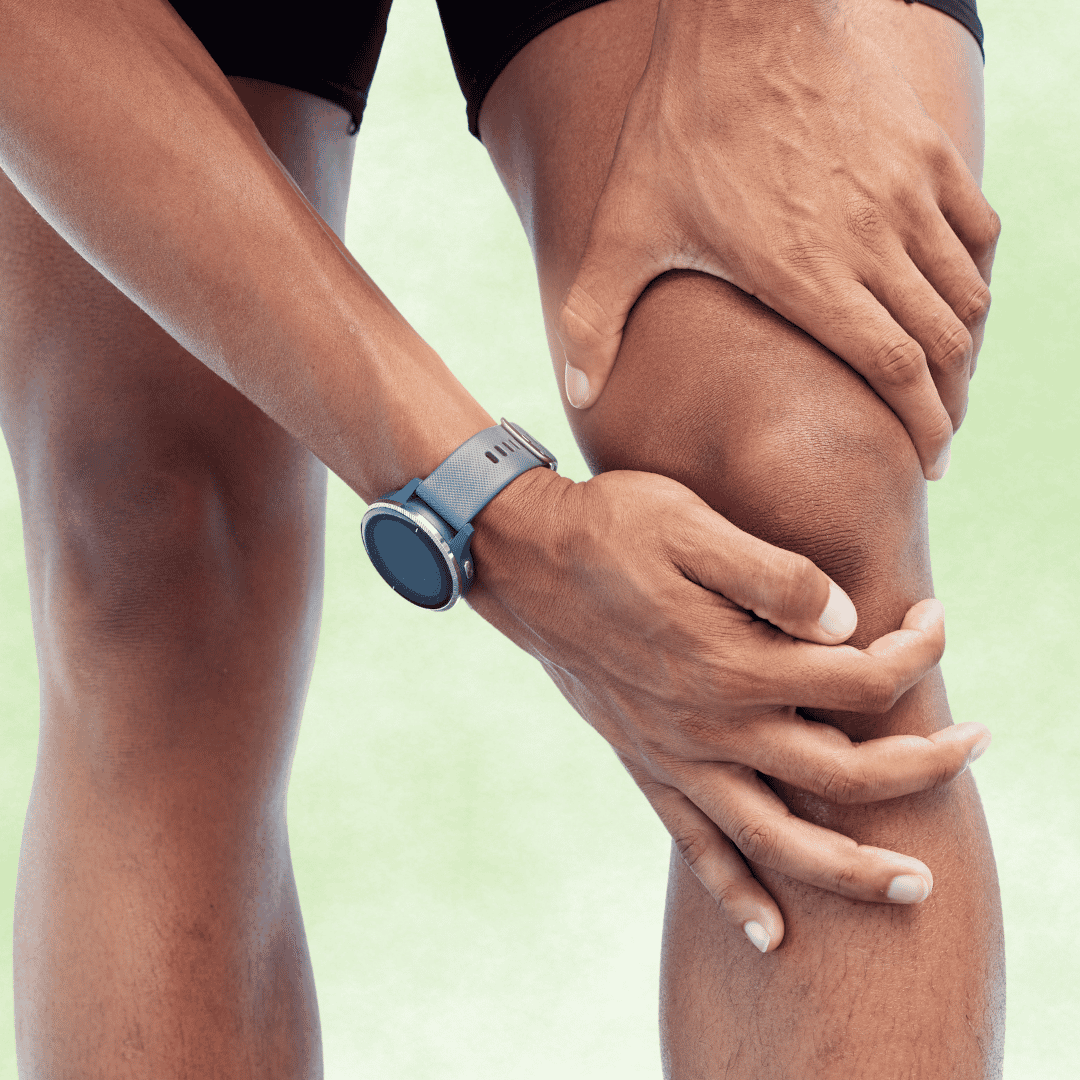
Dealing with chronic joint discomfort can be deeply frustrating, leading many patients to seek alternative treatments beyond standard medication or invasive surgery. In recent years, PRP treatment for knee pain in Bengaluru, India, has gained significant attention as an option for those looking to manage osteoarthritis, tendonitis, or sports-related injuries.
The southern Indian city has grown into a major hub for orthopedic care, drawing individuals from across the globe who are looking for specialized interventions. However, before considering any medical procedure, you should understand how the treatment works, what realistic outcomes look like, and whether it aligns with your specific medical needs.
Key Takeaways
- PRP utilizes the patient's own blood, minimizing the risk of allergic reactions or rejection.
- It is generally most beneficial for patients in the early to moderate stages of joint degeneration.
- Results are not immediate; it often takes a few weeks to notice symptomatic relief as the body responds.
- The therapy may provide relief for 6 to 12 months, but it cannot reverse structural joint damage.
- International patients frequently choose Bengaluru for its modern facilities and English-speaking medical staff.
What is PRP therapy, and how does it help knee pain?
Your blood is primarily made up of liquid plasma, but it also contains red cells, white cells, and platelets. Platelets are best known for their role in clotting blood, but they also carry hundreds of proteins called growth factors, which are essential in the healing of injuries.
By drawing a small amount of your blood and spinning it in a centrifuge, doctors can isolate and concentrate these platelets. When this customized mixture is injected directly into an osteoarthritic or injured knee capsule, the goal is to modulate the inflammatory environment of the joint. While clinical studies show mixed results, many patients report a noticeable decrease in joint stiffness and daily pain levels, potentially improving their ability to walk, climb stairs, and perform routine activities without heavy reliance on painkillers.
Who is an ideal candidate for PRP treatment in Bengaluru?
PRP is not a universal fix, and an honest evaluation by an orthopedic specialist is crucial. You may be a good candidate if:
- You suffer from early-stage cartilage wear but still have some joint space remaining.
- You are dealing with patellar tendonitis or minor ligament sprains.
- You want to explore non-surgical options before committing to joint replacement.
- You are healthy enough to undergo a localized injection and have normal blood platelet levels.
Conversely, patients with severe, "bone-on-bone" arthritis are usually not considered good candidates, as PRP cannot rebuild missing cartilage. Additionally, individuals with active infections, metastatic cancer, certain blood disorders, or those taking systemic blood thinners may be advised against this procedure due to safety concerns and reduced effectiveness.
What is the estimated PRP treatment for knee pain cost in Bengaluru, India?
One of the primary reasons individuals look into this option abroad is the financial aspect. In many Western countries, a single injection can cost between $500 and $2,000 USD and is rarely covered by health insurance. When exploring the PRP treatment for knee pain cost in Bengaluru, India, patients often find that they can receive care at a fraction of the price without compromising on the quality of the medical equipment.
The price variability usually stems from the processing method. Basic, open-system centrifugation tends to be less expensive but may yield inconsistent platelet concentrations. Closed-system, FDA-cleared commercial kits are generally more expensive but offer a standardized, highly concentrated product with a lower risk of contamination. Additionally, if the orthopedic specialist uses an ultrasound machine to carefully guide the needle into the exact joint space, this may slightly increase the overall fee.
How many PRP sessions are typically needed for knee arthritis?
Because every patient's biological response is different, there is no single established protocol that applies to everyone. Some individuals report significant relief after just one precisely administered injection. In these cases, a doctor may advise monitoring the knee and holding off on further intervention unless symptoms begin to return.
For others, especially those with moderate osteoarthritis, providers might suggest a series of three shots to maximize the concentration of growth factors delivered to the joint over a specific timeframe. During your initial consultation, the doctor will evaluate your imaging (such as X-rays or an MRI) and develop a plan tailored to your specific pathology. You should be prepared to discuss whether you can stay in the destination long enough for multiple treatments or if you plan to return home and receive follow-up injections locally.
What should you expect during the PRP procedure in Bengaluru?
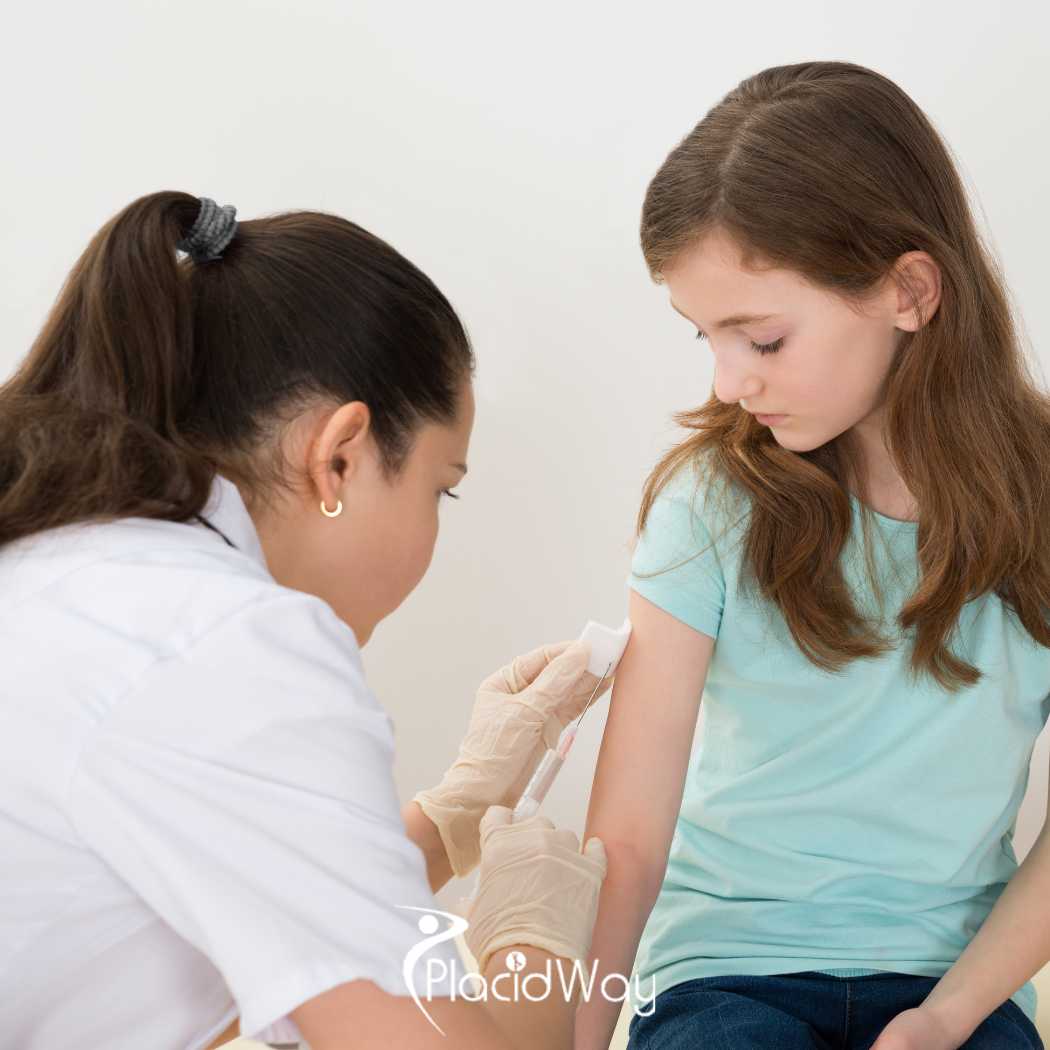
When you arrive at a PRP treatment for knee pain clinic in Bengaluru, India, the process is usually straightforward. A healthcare professional will first draw a small volume of your blood, typically from a vein in your arm, much like a standard lab test. This blood is then placed into a specialized centrifuge machine.
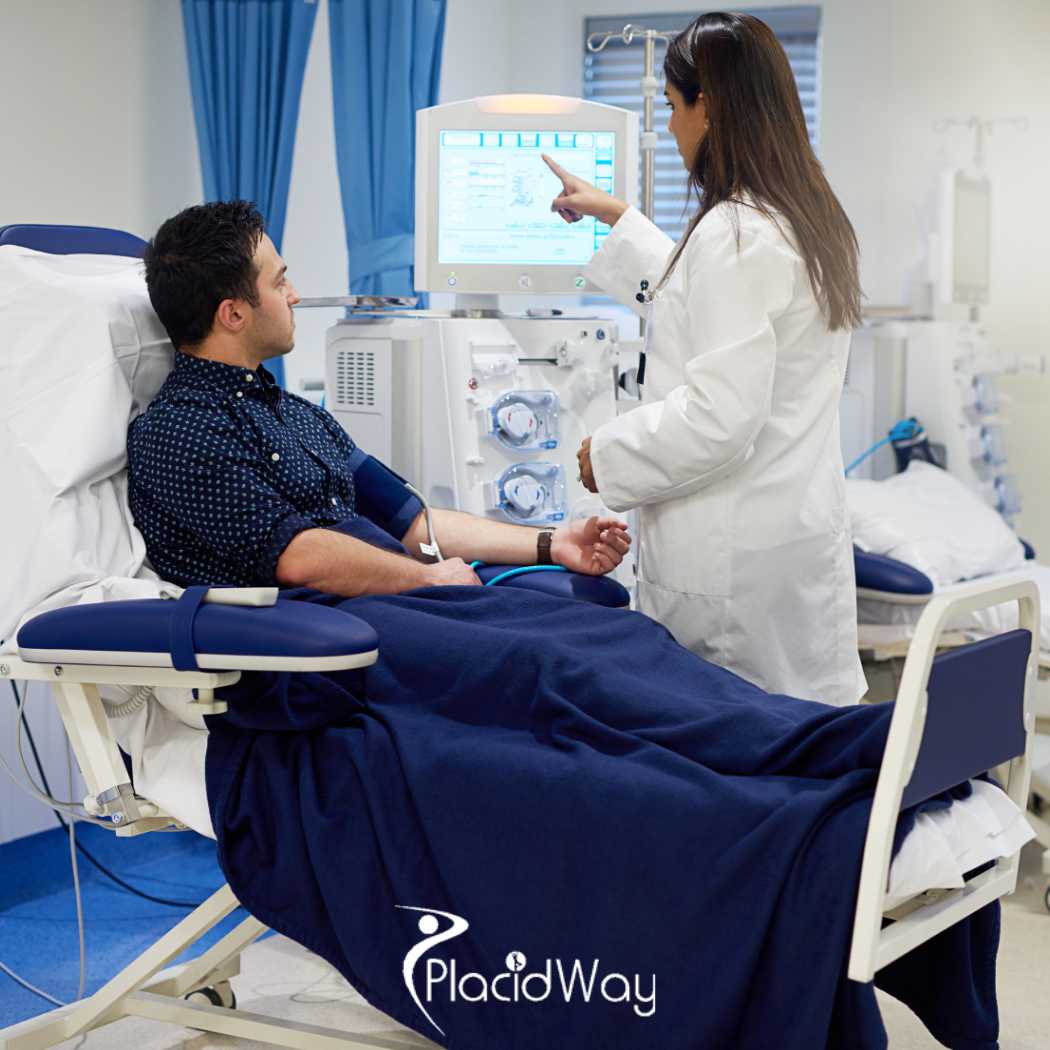
The centrifuge spins the blood at high speeds for roughly 10 to 15 minutes, separating the red and white blood cells from the plasma and platelets. Once the platelet-rich plasma is isolated, the doctor prepares the knee area by cleaning it with an antiseptic and applying a local anesthetic to minimize discomfort. Using a fine needle, often guided by ultrasound for maximum accuracy, the concentrated serum is injected directly into the joint capsule or surrounding damaged soft tissue.
How long does recovery take after knee PRP injections?
Unlike surgical interventions that require extensive rehabilitation, PRP has a relatively mild recovery profile. However, it is common to experience a temporary increase in pain, swelling, and stiffness in the treated knee for the first 48 to 72 hours. This occurs because the injection stimulates an inflammatory response, which is a necessary step in the body's natural healing cascade.
Doctors typically recommend applying cold compresses briefly to manage severe discomfort but strictly advise against taking NSAIDs (like ibuprofen) as they can suppress the desired biological response. Patients usually return to their normal daily routine within a week, but returning to high-impact activities, running, or heavy lifting may require waiting four to six weeks. Adhering to a gentle, guided physical therapy program during this phase often enhances the overall outcome.
What are the potential risks and side effects of PRP therapy?
Safety is a common concern for any medical procedure, particularly when traveling abroad. Autologous treatments—meaning those derived from your own body—inherently bypass the risk of disease transmission or immune rejection that can sometimes occur with synthetic implants or donor tissues.
Nevertheless, any procedure that breaks the skin carries a small risk of infection. Ensuring that the facility follows strict sterile protocols is essential. Very rarely, the needle may cause minor trauma to nearby nerves or blood vessels. The most common "side effect" that patients must prepare for is simply a lack of efficacy; while many find it helpful, PRP is not universally effective, and some patients may undergo the process without experiencing significant improvement in their knee pain.
How long do the effects of PRP treatment last for knee joints?
It is important to manage expectations regarding longevity. PRP is not considered a permanent cure for degenerative conditions like osteoarthritis. The underlying wear and tear on the knee cartilage remains. Instead, the therapy works to alter the chemical environment inside the joint, reducing chronic inflammation and providing symptomatic relief.
For many, this window of relief is highly valuable. It can provide a pain-free period during which a patient can engage in physical therapy, strengthen the muscles surrounding the knee, and perhaps lose excess weight. These lifestyle modifications can, in turn, reduce the mechanical load on the joint, potentially extending the benefits of the injection. Once the effects begin to wear off, patients may consult their doctor about receiving a maintenance injection.
Why are patients choosing Bengaluru for orthopedic regenerative medicine?
When considering medical tourism in India, many individuals immediately think of major metropolitan areas. Bengaluru (formerly Bangalore) stands out because it is one of the country's leading centers for technology, research, and modern medicine. The city hosts numerous well-equipped hospitals and specialized orthopedic centers that cater heavily to both domestic and international populations.
Furthermore, the widespread proficiency in English among medical professionals and support staff in Bengaluru helps eliminate the communication barriers that can sometimes cause anxiety during international travel. Patients are often able to review their medical histories, discuss treatment protocols in detail, and receive comprehensive aftercare instructions with clarity. The combination of cost efficiency and access to board-certified specialists makes the city an attractive destination for elective joint therapies.
Can PRP therapy replace knee replacement surgery?
A common misconception is that stem cells or platelet therapies can magically rebuild a knee joint that has completely worn down to the bone. The current medical consensus is that regenerative medicine cannot reverse advanced osteoarthritis. If your joint architecture is severely compromised, causing significant mechanical friction and deformity, an orthopedic surgeon will likely advise that total or partial knee arthroplasty is the most viable option for long-term relief.
That being said, if a patient is in their 40s or 50s and experiencing early degenerative changes, a doctor might recommend trying PRP to manage symptoms. The goal in this scenario is to improve quality of life and push the eventual need for invasive surgery further into the future. Proper medical screening is vital to determine whether conservative management, injections, or surgical intervention is the most appropriate path forward.
Why Choose PlacidWay for Medical Tourism in India?
Planning medical care in another country requires careful research and access to organized information. PlacidWay serves as a global medical tourism platform designed to help patients navigate their healthcare options abroad.
- Broad Network Access: The platform connects individuals with a variety of hospitals and specialized clinics across Bengaluru and other major Indian cities.
- Educational Resources: PlacidWay provides free, accessible information detailing various orthopedic procedures, helping patients understand what the processes entail.
- Transparent Comparisons: Patients can view profiles, read facility descriptions, and compare estimated pricing models across multiple international providers.
- Direct Communication Support: The system allows patients to request information and consult directly with medical facilities to clarify doubts before making decisions.
- Customized Quotes: You can submit your specific medical requirements to receive tailored estimates, helping you plan your budget more effectively.
Frequently Asked Questions (FAQs)
Is the PRP injection process for the knee painful?
Most patients experience mild discomfort during the blood draw and the knee injection. Local anesthesia is often used to numb the skin around the knee, but you may still feel pressure or a brief pinching sensation. Post-injection soreness for a few days is common.
Can I walk immediately after receiving knee PRP?
Yes, you can typically walk after the procedure, but it is often recommended to take it easy and minimize weight-bearing activities for the first 24 to 48 hours to allow the joint to rest and reduce initial inflammation.
Are PRP injections FDA-approved?
While the centrifuges and kits used to prepare PRP are cleared by regulatory bodies like the FDA, the procedure itself is often considered an off-label use of your own biological material. It is widely practiced but typically categorized as an experimental or investigational treatment for joint pain.
How does PRP differ from traditional cortisone shots?
Cortisone shots contain synthetic corticosteroids designed to provide rapid, powerful relief from inflammation, though repeated use may weaken cartilage. PRP uses your own blood components to potentially stimulate healing over time, usually taking longer to work but possibly offering longer-lasting relief without the same cartilage degradation risks.
Do I need ultrasound guidance for my knee injection?
While not strictly mandatory, image guidance like ultrasound is highly recommended. It allows the provider to see inside the joint in real-time, ensuring the concentrated platelets are delivered exactly to the damaged tissue or joint space rather than surrounding areas.
Can both knees be treated during the same visit in Bengaluru?
Yes, if you have bilateral knee pain, a doctor may treat both knees during a single appointment. This requires a slightly larger initial blood draw to yield enough concentrated platelets for two separate injections.
Will health insurance cover my PRP therapy in India?
In most cases, standard health insurance policies—both international and domestic—do not cover PRP therapy because it is largely classified as experimental. Patients typically pay out of pocket, which makes the affordability of medical travel a deciding factor for many.
Can I fly back home immediately after my knee injection?
You can usually fly shortly after the procedure, but sitting in a cramped airplane seat for hours with a stiff, newly injected knee may be uncomfortable. Doctors generally suggest waiting at least 24 to 72 hours before taking a long-haul flight to manage any initial swelling and ensure no immediate complications arise.
What medications should I avoid after receiving PRP?
Patients are typically instructed to avoid nonsteroidal anti-inflammatory drugs (NSAIDs) like ibuprofen or naproxen for several weeks before and after the injection. These medications can interfere with the natural inflammatory response that PRP relies upon to initiate tissue repair.
Are there age limits for undergoing PRP therapy?
There is no strict age limit for PRP therapy. Eligibility is based more on the underlying joint health, overall medical condition, and blood quality rather than chronological age. However, older patients with severe, end-stage arthritis may not respond as well to the treatment.
Explore Your Options for Knee Care
Gather the facts, review facility profiles, and connect with medical teams in Bengaluru to see if this treatment aligns with your health needs.
Request Treatment InformationReferences
- Platelet-Rich Plasma (PRP) – American Academy of Orthopaedic Surgeons (AAOS)
- Platelet-Rich Plasma for Osteoarthritis – Arthritis Foundation
- PRP Therapy Overview and Safety – Mayo Clinic
- Efficacy of Platelet-Rich Plasma in the Treatment of Knee Osteoarthritis: A Meta-analysis of Randomized Controlled Trials – National Institutes of Health (NIH) / PubMed
- Health Information for Travelers to India – Centers for Disease Control and Prevention (CDC)
- Regulatory Information on Human Cellular and Tissue-Based Products – U.S. Food & Drug Administration (FDA)




















Share this listing