


Japan Hair Loss Stem Cell Solutions
.png)
Hair loss, or alopecia, affects confidence and self-image, and while conventional treatments offer some relief, they often require long-term use with limited density improvement. Japan, known for its cutting-edge medical research and stringent quality control, is leading the development of regenerative medicine protocols to combat hair loss at the follicular level.
Stem cell treatment for hair loss is designed to revitalize dormant hair follicles and create a healthy environment for growth by targeting the underlying biological causes, such as reduced blood supply and inflammation. This is a crucial step beyond topical applications and oral medications.
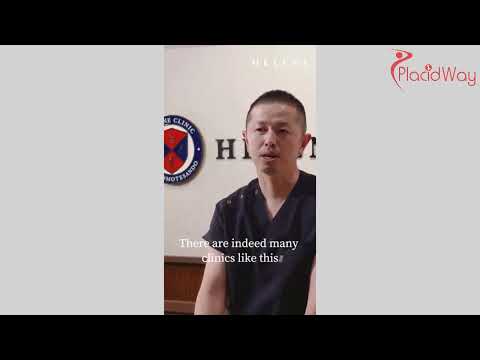
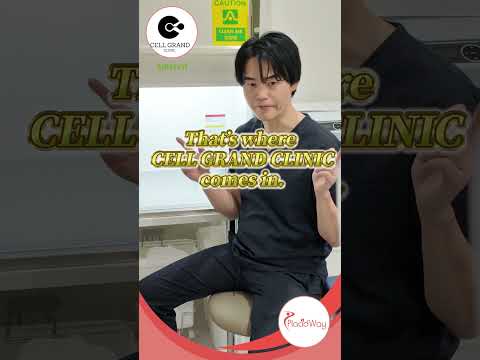
In this detailed FAQ, we will explore the mechanisms, effectiveness, and practical details of stem cell treatment in Japan for hair loss. We will cover the specific cell types used, the cost breakdown, and highlight the highly regulated methods employed by specialized clinics like Cell Grand Clinic and Helene Clinic.
Does stem cell treatment in Japan really help with hair loss?
The effectiveness of stem cell therapy lies in its direct biological intervention. Hair loss, particularly androgenetic alopecia (pattern baldness), occurs when follicles miniaturize and eventually become dormant.
The procedure aims to reverse this process by:
- Reactivating Follicles: Mesenchymal Stem Cells (MSCs) influence the dermal papilla cells (DPCs) at the base of the follicle, pushing dormant follicles back into the active growth phase (anagen).
- Improving Scalp Health: The therapy enhances blood circulation in the scalp, delivering necessary nutrients and oxygen directly to the hair bulbs.
Patients typically report not only new growth but also thicker, healthier hair quality in the treated areas.
How does stem cell therapy stimulate hair regrowth?
The core of the regenerative medicine approach is the targeted delivery of powerful biological signals. The Mesenchymal Stem Cells (MSCs) are injected directly into the dermal layer of the scalp.
Key mechanisms of stimulation include:
- Growth Factor Secretion: MSCs release signaling proteins like Vascular Endothelial Growth Factor (VEGF) and Insulin-like Growth Factor 1 (IGF-1), which are crucial signals for initiating hair growth.
- Angiogenesis: New blood vessel formation improves microcirculation, feeding the hair follicles that are often starved in balding areas.
- Immune Modulation: Reducing localized scalp inflammation that can contribute to certain forms of hair loss.
What is the typical cost of stem cell treatment for hair loss in Japan?
Pricing for stem cell treatment in Japan reflects the stringent safety standards, detailed lab processing, and high-quality clinical oversight. The cost is highly dependent on the extent of the balding area and the required concentration of Mesenchymal Stem Cells (MSCs).
The protocol generally includes:
- Initial consultation, diagnosis, and scalp assessment.
- Harvesting of the autologous cells (usually fat or blood).
- Laboratory processing and concentration/expansion of the therapeutic cells.
- The final injection procedure.
Clinics often recommend multi-session protocols spaced several months apart for optimal density, which affects the total investment.
Detailed Cost Comparison for Hair Loss Stem Cell Protocols in Japan
| Protocol Feature | Common Price Range (USD) | Factors Affecting Cost |
|---|---|---|
| Growth Factor/Exosome Therapy | $5,000 – $8,000 | Often uses concentrated factors derived from stem cells without the cells themselves; lower cost, but may require more frequent sessions. |
| Autologous ADSC Injection (Small Area) | $8,000 – $12,000 | Uses the patient's own fat-derived stem cells; suitable for crown or receding hairline repair. |
| Expanded ADSC Therapy (Full Scalp) | $12,000 – $15,000+ | Requires laboratory expansion of cells over several weeks to achieve a massive dose; used for diffuse or severe pattern baldness. |
What specific procedures are offered at Cell Grand Clinic and Helene Clinic for alopecia?
Japanese regulations allow for sophisticated regenerative medicine treatments. These facilities leverage this framework to provide high-quality cellular products.
Protocols typically include:
- Fat Harvesting: A small fat sample (adipose tissue) is collected from the patient's abdomen or thigh.
- Cell Expansion: The stem cells are purified and multiplied in a high-standard laboratory (GMP compliant).
- Micro-Needling/Injection: The purified, expanded stem cells are injected using fine needles directly into the areas of hair thinning.
Both Cell Grand Clinic and Helene Clinic focus on using the patient's own rejuvenated cells to maximize compatibility and therapeutic effectiveness.
Is hair loss stem cell therapy regulated and safe in Japan?
Japan operates under one of the most comprehensive regulatory frameworks for regenerative medicine globally. This stringent oversight ensures that every step of the process—from cell harvest to final injection—is compliant with high standards of safety and quality control.
Because the therapy uses **autologous cells** (the patient's own tissue), the risk of adverse immune reactions or disease transmission is virtually eliminated. The minor procedure carries low risks, primarily related to the initial fat extraction, which is performed by qualified surgical staff.
What types of hair loss are most treatable with this therapy?
While stem cell therapy is not a universal cure for all types of alopecia, it targets conditions where the hair follicles are still present but dormant or miniaturized.
The most responsive conditions include:
- Male Pattern Baldness (Androgenetic Alopecia): Where hair loss is due to genetic sensitivity to hormones (DHT).
- Female Pattern Thinning: Diffuse loss across the crown of the head.
- Telogen Effluvium: Hair loss related to chronic stress or nutrient deficiency, often accelerated by improved scalp environment.
It is less effective for scarring alopecia where the follicles have been completely destroyed.
How long does it take to see results after the treatment?
Hair growth follows a biological cycle, so patience is required for stem cell treatment results. The timeline reflects the natural growth phases of the hair follicle:
- Months 1–3: Reduced shedding and improved overall hair quality are often the first signs of success as the follicles stabilize.
- Months 4–6: New growth enters the active phase (anagen), becoming visible as fine hairs thicken.
- Months 6–12: Final density and mature hair length are achieved.
Clinics like Cell Grand Clinic monitor progress closely using imaging tools to track density improvements over this period.
Get a Free Consultation
.png)


.png)
.png)
.png)
.png)


-(10).png)
-(5).png)
-(6).png)








Share this listing