


Treating Sickle Cell Anemia in India: Bone Marrow Transplant & Stem Cell Solutions
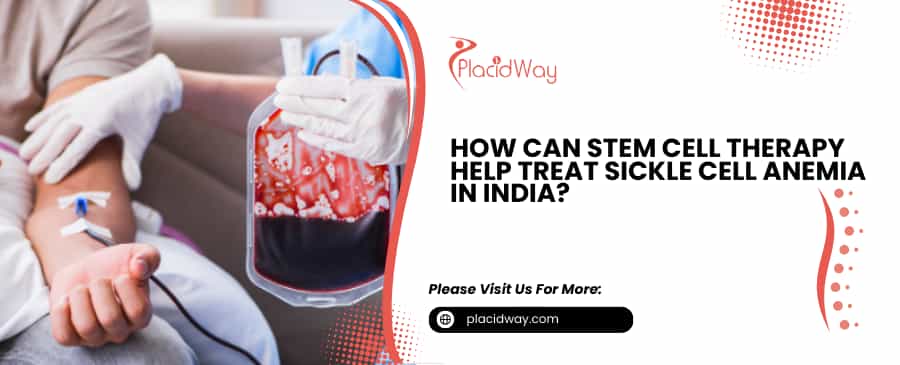
Sickle cell anemia is a genetic blood disorder that affects millions worldwide, including a significant population in India. For individuals living with this chronic and often debilitating condition, the quest for effective treatment is continuous. While traditional management focuses on symptom control and complication prevention, recent advancements in medical science, particularly stem cell therapy, have emerged as a beacon of hope.
In India, the accessibility and expertise in stem cell therapy are growing, offering patients a potentially curative option. This innovative treatment works by replacing the defective bone marrow stem cells responsible for producing abnormal, sickle-shaped red blood cells with healthy ones. Understanding how this therapy functions, its benefits, and what to expect can empower patients and their families in their treatment journey, especially within the context of India's evolving healthcare landscape.
What is Sickle Cell Anemia?
Sickle cell anemia is an inherited condition caused by a mutation in the gene that tells your body to make hemoglobin, the iron-rich protein that gives blood its red color and carries oxygen from the lungs to the rest of the body. Normally, red blood cells are flexible and round, moving easily through blood vessels. However, in sickle cell anemia, these cells become crescent-shaped, hard, and sticky.
These abnormal sickle cells cannot carry oxygen effectively and tend to clump together, blocking small blood vessels. This blockage can lead to excruciating pain crises, known as vaso-occlusive crises, as well as chronic complications such as stroke, acute chest syndrome, severe infections, organ damage (spleen, kidneys, liver), and anemia. The chronic nature of the disease significantly impacts quality of life and life expectancy.
How Does Stem Cell Therapy Work for Sickle Cell Anemia?
Stem cell therapy, specifically hematopoietic stem cell transplantation (HSCT), is the only known curative treatment for sickle cell anemia. The process begins with conditioning, where the patient's existing bone marrow is suppressed using chemotherapy or radiation. This step eliminates the defective stem cells and makes space for the new, healthy ones.
Following conditioning, healthy stem cells, typically from a matched donor (often a sibling), are infused into the patient's bloodstream. These stem cells then migrate to the bone marrow, where they engraft and begin to produce normal, healthy red blood cells. Over time, the new healthy cells replace the abnormal sickle cells, resolving the underlying cause of the disease and alleviating its symptoms and complications.
Is Stem Cell Therapy a Cure for Sickle Cell Anemia?
For many patients, especially children who receive the transplant early in life and have a well-matched donor, stem cell therapy can indeed be a permanent cure for sickle cell anemia. By replacing the genetically faulty stem cells with healthy ones, the body gains the ability to produce normal red blood cells, thereby eliminating the root cause of the disease. This means patients can stop experiencing pain crises, reduce their risk of organ damage, and potentially discontinue many of the lifelong medications associated with managing the condition.
While the curative potential is significant, it's important to note that success depends on several factors, including the patient's age and overall health, the degree of disease complications, and the availability of a suitable donor. Despite the challenges, the long-term outcomes for successful transplants are profoundly positive, transforming the lives of individuals with sickle cell anemia.
What Types of Stem Cell Transplants Are Used for Sickle Cell Anemia?
Allogeneic HSCT involves receiving stem cells from another person (the donor). For sickle cell anemia, the best results are usually achieved with a "matched sibling donor," meaning a brother or sister whose human leukocyte antigen (HLA) tissue type is a perfect or near-perfect match with the patient's.
Other donor sources for allogeneic HSCT include:
- Matched Unrelated Donors (MUD): When a sibling match isn't available, an unrelated donor from a national or international bone marrow registry might be found.
- Haploidentical Donors: These are half-matched donors, usually parents or other family members, when a fully matched donor isn't available. Advances in this technique have made it a more viable option.
- Umbilical Cord Blood: Stem cells from umbilical cord blood can also be used if a match is found. Cord blood transplants may have a lower risk of graft-versus-host disease but may take longer to engraft.
The choice of donor type depends on availability, patient factors, and the transplant center's expertise.
What is the Success Rate of Stem Cell Therapy for Sickle Cell Anemia in India?
India has established several advanced medical centers specializing in hematopoietic stem cell transplantation, reporting high success rates for sickle cell anemia treatment. For children undergoing transplant from a fully matched sibling donor, the cure rate can be as high as 90-95%. This impressive figure reflects the growing expertise of Indian medical professionals and the quality of facilities available.
Factors influencing success rates include the patient's age (younger patients generally have better outcomes), the disease severity and presence of organ damage before transplant, the degree of donor match, and the specific protocols used by the transplant center. While results are highly promising, potential complications like graft-versus-host disease (GVHD) can influence the overall success and recovery process.
What is the Cost of Stem Cell Therapy for Sickle Cell Anemia in India?
The cost of stem cell therapy for sickle cell anemia in India is one of its most compelling aspects, particularly for patients from regions where such treatments are prohibitively expensive. While prices can vary based on the hospital, city, type of donor, and duration of stay, the overall cost remains a fraction of what is charged in countries like the United States or the United Kingdom.
This estimate generally includes the transplant procedure itself, pre-transplant evaluations, conditioning chemotherapy, donor work-up, hospital stay, post-transplant medications, and follow-up care for a specified period. It's advisable for patients to get a detailed cost breakdown from their chosen medical facility to understand all inclusions and potential additional expenses.
What Are the Eligibility Criteria for Stem Cell Therapy for Sickle Cell Anemia?
Not every patient with sickle cell anemia is a candidate for stem cell therapy. A comprehensive evaluation by a transplant team is essential to determine eligibility. Key criteria often include:
- Disease Severity: Patients usually have a severe form of sickle cell anemia with recurrent pain crises, acute chest syndrome, or other significant complications.
- Donor Availability: The presence of a suitable matched donor, ideally an HLA-identical sibling, is crucial.
- Age: Younger patients (typically under 16-20 years old) tend to have better outcomes, though older patients may also be considered in specific circumstances with reduced-intensity conditioning.
- Overall Health: Patients must be in relatively good health, with no significant pre-existing organ damage that would make the transplant too risky.
- Informed Consent: The patient and their family must fully understand the risks and benefits of the procedure.
Each case is assessed individually to ensure the potential benefits outweigh the significant risks associated with the transplant.
What Are the Risks and Side Effects of Stem Cell Therapy for Sickle Cell Anemia?
While stem cell therapy offers a cure, it is a complex and intensive procedure with potential risks and side effects. These can be categorized into immediate and long-term concerns:
- Infections: Due to the suppressed immune system post-chemotherapy, patients are highly susceptible to bacterial, viral, and fungal infections.
- Graft-versus-Host Disease (GVHD): This occurs when the donor's immune cells attack the patient's tissues, potentially affecting the skin, liver, or gastrointestinal tract. It can be acute or chronic and range from mild to life-threatening.
- Organ Toxicity: The high doses of chemotherapy or radiation used in conditioning can damage organs like the liver, kidneys, lungs, or heart.
- Graft Failure: In some cases, the transplanted stem cells may fail to engraft or be rejected by the patient's body.
- Infertility: Chemotherapy can damage reproductive organs, leading to infertility in some patients.
- Secondary Cancers: A small risk of developing secondary cancers later in life exists due to the chemotherapy and radiation exposure.
Close monitoring and supportive care are critical to manage these risks effectively.
Why Consider India for Sickle Cell Anemia Stem Cell Treatment?
India has emerged as a preferred destination for medical tourism, particularly for complex procedures like stem cell transplantation. Several factors contribute to its appeal for sickle cell anemia treatment:
- Cost-Effectiveness: The treatment costs in India are substantially lower without compromising on quality, making life-changing therapies accessible to a wider patient base.
- Advanced Infrastructure: Many Indian hospitals are equipped with state-of-the-art technology, specialized transplant units, and modern diagnostic facilities.
- Expert Medical Professionals: India boasts a large pool of highly qualified hematologists, oncologists, and transplant specialists with extensive experience in stem cell therapy.
- Growing Expertise: Indian medical centers have a strong focus on research and adoption of the latest treatment protocols, leading to excellent clinical outcomes.
- Support Services: Many hospitals offer comprehensive support for international patients, including language assistance, accommodation arrangements, and travel logistics.
These combined advantages make India a compelling choice for those seeking high-quality and affordable stem cell therapy for sickle cell anemia.
What Should International Patients Know When Seeking Stem Cell Therapy in India?
For international patients considering India for sickle cell anemia stem cell therapy, careful planning and preparation are key:
- Hospital Selection: Choose hospitals with international accreditations (e.g., JCI, NABH) and a dedicated, experienced transplant team.
- Treatment Package: Request a detailed breakdown of costs, including pre-transplant tests, the procedure, hospital stay, medications, and follow-up care.
- Visa and Travel: Understand the specific medical visa requirements for India and plan for necessary travel arrangements.
- Accommodation: Patients will need to stay in India for an extended period (several weeks to months) for the procedure and initial recovery. Plan for suitable accommodation near the hospital.
- Communication: Most major hospitals have staff proficient in English, but consider if translation services might be needed for other languages.
- Post-Procedure Follow-up: Understand the long-term follow-up requirements and how these will be managed once you return home.
Engaging with a reputable medical tourism facilitator can help streamline these processes and ensure a smooth experience.
If you are exploring stem cell therapy for sickle cell anemia or other complex medical conditions, PlacidWay can connect you with leading healthcare providers and world-class solutions. Discover a path to better health and well-being with our comprehensive medical tourism services.






.png)

.png)




.png)












Share this listing