


Effectiveness of Gastric Bypass Treatment in Turkey
How Does Gastric Bypass Surgery in Turkey Compare to Other Weight Loss Procedures?
.png)
Deciding to undergo weight loss surgery is a major life event, and finding the right procedure and location adds another layer of complexity. You might be wondering if gastric bypass surgery in Turkey is the right choice for you, or if a less invasive option like a gastric sleeve or balloon would be better. With Turkey becoming a global hub for medical tourism, thousands of patients fly there every year to access high-quality healthcare at affordable prices.
The main question usually revolves around effectiveness and safety. Gastric bypass is often seen as the "gold standard" because it doesn't just restrict how much you eat; it changes how your body digests food. This makes it incredibly powerful for long-term weight loss and for resolving conditions like Type 2 diabetes. However, comparing it against the gastric sleeve (which only shrinks the stomach) or the gastric balloon (which is temporary) is crucial to making an informed decision.
In this guide, we will break down everything you need to know. We will look at the costs, the differences in recovery, safety standards, and exactly what you can expect from each procedure. Our goal is to give you clear, honest answers so you can choose the path that fits your health goals and your budget.
What is the main difference between gastric bypass and gastric sleeve in Turkey?
Understanding the technical difference between these two popular surgeries is the first step. In a gastric sleeve (sleeve gastrectomy), the surgeon permanently removes a large portion of your stomach, leaving a banana-shaped "sleeve." This restricts the amount of food you can eat at one time but does not change how your body absorbs nutrients. It is purely a restrictive procedure.
Gastric bypass (Roux-en-Y), on the other hand, is both restrictive and malabsorptive. The surgeon creates a small pouch at the top of the stomach and connects it directly to the small intestine, bypassing the rest of the stomach and the upper part of the intestine. This means you eat less, and your body absorbs fewer calories and nutrients. This dual mechanism is why bypass often yields slightly higher overall weight loss results compared to the sleeve.
How much does gastric bypass cost in Turkey compared to the UK and USA?
One of the primary reasons patients travel is the significant price difference. In countries like the USA and UK, overhead costs, insurance premiums, and labor costs drive up the price of bariatric surgery. In Turkey, lower operational costs allow clinics to offer premium services at a fraction of the price.
Below is a detailed cost comparison table for three common weight loss procedures:
| Procedure | Turkey (Average Cost) | UK (Average Cost) | USA (Average Cost) | Canada (Average Cost) |
|---|---|---|---|---|
| Gastric Bypass | $3,500 - $5,000 | $12,000 - $18,000 | $18,000 - $25,000+ | $16,000 - $22,000 |
| Gastric Sleeve | $2,500 - $3,500 | $10,000 - $14,000 | $15,000 - $20,000 | $14,000 - $19,000 |
| Gastric Balloon | $1,500 - $2,500 | $4,000 - $6,000 | $6,000 - $9,000 | $5,000 - $8,000 |
It is important to note that Turkish prices usually include an all-inclusive package (hotel, transfers, hospital stay, and medication), while Western prices often quote the surgery fee alone.
Is gastric bypass more effective than a gastric balloon?
These two procedures serve very different needs. A gastric balloon involves placing a saline-filled silicone balloon in your stomach for 6 to 12 months. It takes up space, making you feel full, but once it is removed, the restriction is gone. It is best suited for people who need to lose a smaller amount of weight or who do not qualify for surgery.
Gastric bypass is a permanent surgical alteration. It provides a long-term solution for obesity by changing your anatomy. While the balloon is a temporary aid to help you diet, the bypass physically limits calorie intake and changes gut hormones to reduce hunger permanently. If your BMI is over 35, a balloon may not provide the substantial results you are looking for compared to a bypass.
Who is the ideal candidate for gastric bypass vs. sleeve?
Choosing between sleeve and bypass often comes down to your medical history. Surgeons generally recommend gastric bypass for patients with severe acid reflux (heartburn) because the surgery reduces acid production and reflux. The gastric sleeve, by contrast, can sometimes worsen reflux because it increases pressure in the stomach.
Additionally, if you have uncontrolled Type 2 diabetes, the bypass is often the superior choice. The rerouting of the intestines has a profound metabolic effect that can send diabetes into remission almost immediately after surgery, often before significant weight loss even occurs. For patients with a lower BMI (30-40) and no reflux issues, the sleeve is often chosen for its simplicity and lower risk of long-term vitamin deficiencies.
Are dental implants in Turkey safe?
Safety is the top concern for anyone traveling for surgery. Turkey has a high number of JCI (Joint Commission International) accredited hospitals, which is the gold standard for global healthcare safety. These hospitals adhere to the same strict hygiene and safety protocols as top hospitals in the US and Europe.
However, due diligence is required. You should always verify your surgeon's credentials. Look for surgeons who have performed thousands of bariatric surgeries and have transparent reviews. The risks associated with gastric bypass (such as leaks or blood clots) are similar in Turkey to anywhere else in the world when performed by a qualified expert. The key is to avoid "too good to be true" prices from unaccredited clinics.
What is the recovery time for gastric bypass in Turkey?
After your surgery in Turkey, you will typically stay in the hospital for 3 to 4 nights for close monitoring. This is longer than in some Western countries, which might discharge you after 1 or 2 days, but it ensures no immediate complications arise before you fly home.
Most patients can walk around the hospital ward a few hours after surgery. Pain is usually managed well with medication. By the time you return home (usually 7-10 days post-op), you should be able to perform light daily activities. Heavy lifting and strenuous exercise must be avoided for at least 4 to 6 weeks to allow the internal incisions to heal properly.
Does gastric bypass cure Type 2 diabetes better than other surgeries?
The metabolic power of the gastric bypass is unique. Because it bypasses part of the small intestine (the duodenum), it alters the production of gut hormones like insulin and GLP-1. This change improves the body's sensitivity to insulin almost immediately.
While the gastric sleeve also helps with diabetes through weight loss and some hormonal changes, the bypass is functionally more aggressive against the disease. For patients who have been insulin-dependent for years, gastric bypass offers the best statistical chance of stopping medication completely.
What is "dumping syndrome" and does it happen with the sleeve?
Dumping syndrome acts as a built-in behavior modification tool for bypass patients. Because the pyloric valve (which regulates food exit from the stomach) is bypassed, sugar moves too quickly into the small intestine. This causes an influx of fluid, leading to rapid heartbeat, nausea, sweating, and diarrhea.
While this sounds unpleasant, many patients view it as a positive "guardrail" that prevents them from eating sweets and junk food. Gastric sleeve patients retain their pyloric valve, so they can tolerate sugars better, which technically makes it easier to "cheat" on their diet without feeling physically sick immediately.
How does the diet change differ between bypass and sleeve?
For the first month after gastric bypass surgery in Turkey, the diet for both procedures is nearly identical: clear liquids, followed by protein shakes, pureed foods, soft foods, and finally solids. This gradual progression protects the staple lines in your stomach while they heal.
Long-term, the difference lies in absorption. Bypass patients have malabsorption, meaning they must be rigorous about taking B12, iron, calcium, and multivitamins every single day for the rest of their lives. Sleeve patients also need vitamins, but their risk of severe deficiency is lower since their intestines remain intact. Both groups must prioritize protein at every meal to maintain muscle mass.
Will I have loose skin after gastric bypass vs. sleeve?
Loose skin is a natural result of losing a massive amount of weight quickly. Your skin has been stretched for years, and it may not have the elasticity to snap back. The amount of loose skin depends on your age, genetics, and how much weight you lose.
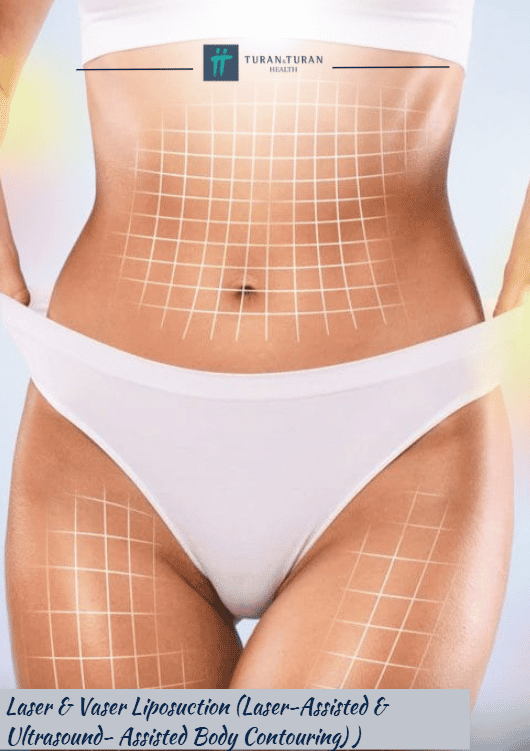
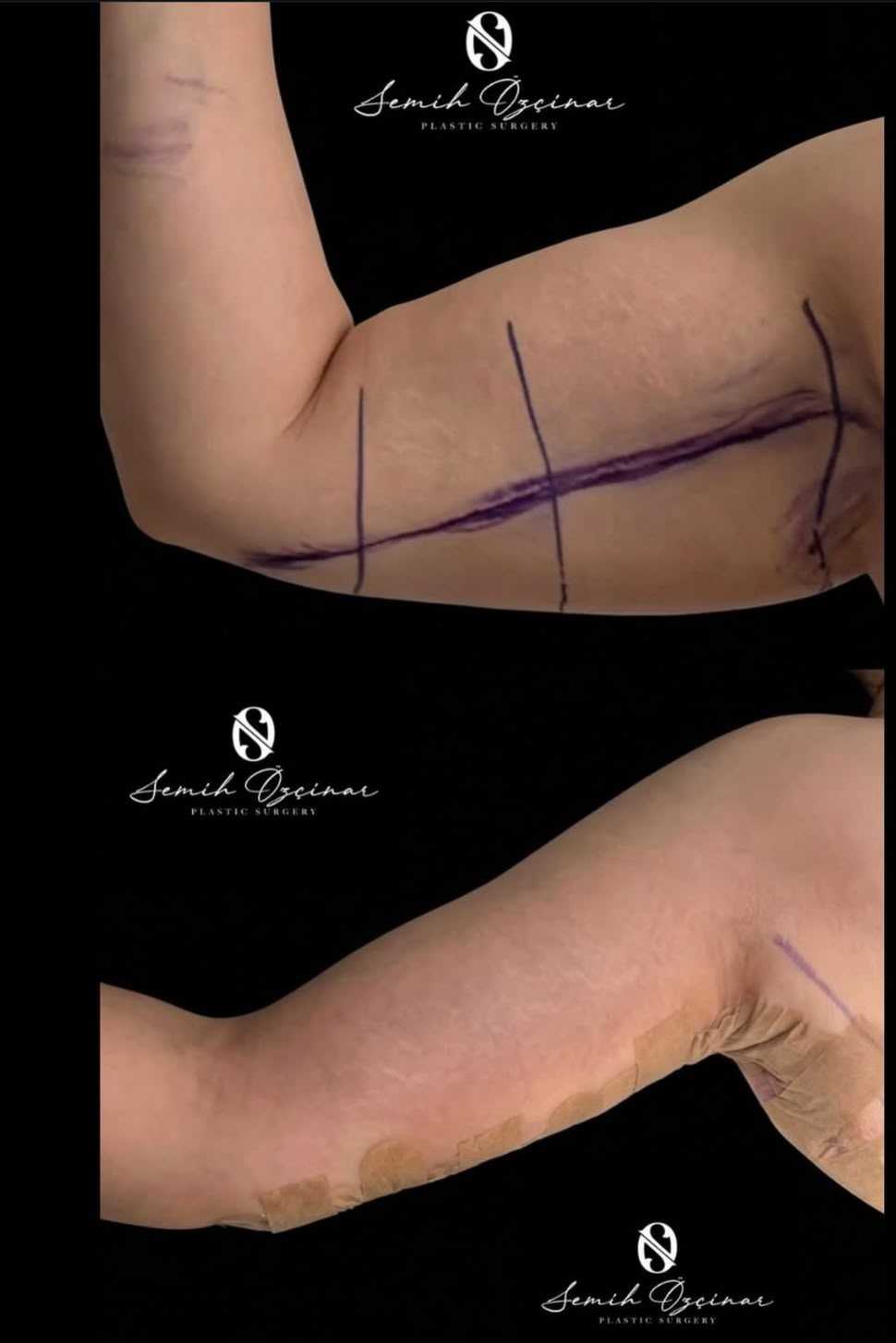
Because gastric bypass patients tend to lose weight slightly faster than sleeve patients, the skin may not have as much time to adapt. Many patients in Turkey opt to return 1-2 years later for "post-bariatric plastic surgery" (like a tummy tuck or body lift) to remove this excess skin, which is also very affordable in Turkey compared to Western clinics.
What pre-op tests are required in Turkey for these surgeries?
Do not expect to fly in and get surgery immediately without checks. reputable Turkish clinics perform a full day of medical evaluations. This is critical to ensure your heart and lungs can handle general anesthesia and that you don't have existing stomach issues like ulcers or H. pylori infection.
If these tests reveal a serious issue, the surgery may be postponed or cancelled for your safety. This thoroughness is a sign of a high-quality medical center. The cost of these tests is almost always included in your surgery package.
How long do I need to stay in Turkey for gastric bypass?
A typical itinerary looks like this:
- Day 1: Arrival and transfer to hotel.
- Day 2: Medical tests and consultation with the surgeon.
- Day 3: Surgery day.
- Day 4-6: Hospital recovery and monitoring.
- Day 7: Discharge to hotel.
- Day 8-9: Rest and final check-up.
- Day 10: Fly home.
Trying to shorten this trip is not recommended. You need to be close to your surgeon in the first week in case of any immediate issues like dehydration or incision pain.
Can gastric bypass be reversed like a gastric band?
Unlike the gastric band (lap-band), which can be easily removed, gastric bypass involves stapling the stomach and cutting the intestines. Reversing this requires reconnecting these organs, which carries high surgical risks. Reversal is only ever considered in life-threatening medical emergencies, such as severe malnutrition that cannot be managed otherwise.
The gastric sleeve is also irreversible because a large part of the stomach is physically removed from the body. You must be mentally prepared that your digestive system will be permanently changed.
Why choose Turkey for gastric bypass over Mexico or Europe?
While Mexico is a popular choice for US patients due to proximity, Turkey has positioned itself as the premium option for affordability. The "medical tourism" infrastructure in cities like Istanbul and Izmir is highly developed. You aren't just getting surgery; you are getting VIP transfers, 4-5 star hotel accommodation, and a companion translator.
Furthermore, gastric bypass surgeons in Turkey often handle a very high volume of cases compared to their European counterparts, giving them extensive experience with complex obesity cases. This "high volume" proficiency is a key factor in reducing surgical complications.
What are the long-term risks of gastric bypass vs. sleeve?
Every surgery has trade-offs. The main long-term issue with the sleeve is reflux. If you develop severe heartburn years later, you might actually need to convert your sleeve to a bypass to fix it. This is why being honest about your heartburn history before surgery is vital.
For bypass, the risks are more related to the plumbing changes. "Internal hernias" (bowel twisting) can happen years later, and marginal ulcers can form at the connection site, especially if you smoke or take NSAIDs (like ibuprofen). Adhering to medical advice regarding smoking cessation and avoiding certain painkillers is non-negotiable for bypass patients.
Ready to Explore Your Weight Loss Options?
Finding the right clinic and surgeon is the most important step in your journey. Whether you are considering gastric bypass, sleeve, or balloon, getting expert guidance can make all the difference. Check out PlacidWay to discover top-rated medical centers, compare comprehensive packages, and get free quotes for weight loss surgery in Turkey and beyond.









.png)









Share this listing