
Why Choose Turkey for Gastric Bypass Surgery

When considering weight-loss interventions abroad, identifying the gastric bypass in Turkey specialists is a common priority for international patients. Because we prioritize patient safety over promotional lists, this guide focuses on the medical criteria you should use to evaluate potential surgical candidates. Identifying a qualified professional involves verifying their educational background, professional affiliations, and the safety standards of the hospitals where they operate.
Key Takeaways
- Look for surgeons holding active membership in recognized organizations like IFSO (International Federation for the Surgery of Obesity).
- Prioritize surgical facilities that hold international accreditations such as JCI or ISQua.
- Ensure the surgical team offers thorough pre-operative psychological and physical evaluations.
- Secure local medical support in your home country before traveling for long-term nutritional and health monitoring.
- Verify credentials independently through official medical registries rather than relying solely on marketing materials.
What qualifications indicate a highly skilled bariatric surgeon?
Evaluating a specialist goes far beyond reading online reviews. You should seek out medical professionals who have dedicated a significant portion of their career specifically to bariatric interventions. The presence of specialized fellowship training indicates that the provider has spent extensive time mastering minimally invasive techniques, such as laparoscopy, which are essential for this type of operation.
Another strong indicator of a committed professional is active membership in global medical societies. For instance, the International Federation for the Surgery of Obesity and Metabolic Disorders (IFSO) sets rigorous standards for its members. Surgeons who maintain these memberships often stay updated on the latest safety protocols, nutritional guidelines, and surgical advancements, which can contribute to more predictable patient management.
How does the choice of facility impact surgical outcomes?
Even a highly experienced provider relies on the infrastructure surrounding them. When you select a gastric bypass clinic in Turkey, the physical facility requires just as much scrutiny as the medical staff. Specialized clinics should feature operating rooms designed for larger patients, reinforced surgical tables, and appropriately sized imaging equipment.
Furthermore, major abdominal interventions carry inherent risks. Should a complication such as a staple line leak or respiratory distress occur, immediate access to a fully equipped Intensive Care Unit (ICU) is vital. Evaluating clinics that hold endorsements from organizations like the Joint Commission International (JCI) can provide an added layer of assurance regarding infection control, emergency preparedness, and overall patient safety.
Why is pre-operative evaluation critical before bariatric surgery?
Responsible medical professionals will never rush a patient into the operating room. A multi-disciplinary evaluation is standard practice for major metabolic procedures. This process involves multiple assessments to ensure that your body can handle the physical stress of general anesthesia and anatomical modifications.
- Cardiac and Pulmonary Assessment: Ensuring heart and lung function are sufficient for surgery.
- Nutritional Screening: Identifying existing vitamin or mineral deficiencies before the digestive tract is altered.
- Psychological Evaluation: Discussing your readiness to commit to strict, lifelong dietary changes.
- Endoscopy: Examining the stomach lining for ulcers, hernias, or bacterial infections (like H. pylori) that require treatment first.
- Endocrinology Review: Assessing how the procedure might interact with existing conditions like diabetes or thyroid issues.
What should patients understand about financial estimates?
When researching gastric bypass cost in Turkey, you will find that estimates often appear lower than those in North America or Western Europe. However, you must carefully evaluate what is included in a quoted price. A comprehensive financial estimate should clearly outline surgical fees, anesthesia costs, hospital stay duration, and pre-operative testing.
Unforeseen medical needs can alter these initial estimates. If your recovery is slower than anticipated or if a complication requires an extended stay in the intensive care unit, total expenses will rise. Always request an itemized breakdown of costs and clarify whether routine post-operative medications and dietary supplements are part of the initial package.
How can patients evaluate the risks associated with this procedure?
No surgical intervention is entirely free from risk, and outcomes can vary significantly among individuals. Short-term risks immediately following the operation may include excessive bleeding, infections, adverse reactions to anesthesia, and blood clots. Leaks from the staple line where the stomach or intestines have been divided are a particularly severe complication that requires immediate medical intervention.
In the long term, modifying the digestive tract can lead to bowel obstruction, hernias, and chronic nutritional deficiencies. Because food bypasses a portion of the small intestine, the body absorbs fewer calories and nutrients. This mechanism aids in weight reduction but also requires strict adherence to lifelong vitamin supplementation to prevent severe bone density loss and anemia.
What makes a comprehensive post-operative care plan?
The success of a bariatric intervention relies heavily on what happens after you leave the hospital. Your medical team should provide a highly structured dietary plan. This usually starts with a clear liquid diet, progressing slowly to pureed foods, and eventually reintroducing solid meals. Adhering to these stages prevents strain on the healing surgical connections in your stomach.
Furthermore, because the procedure is life-altering, comprehensive plans often involve access to dietitians and psychological support. Adjusting to a drastically reduced food intake can be mentally challenging. Regular follow-up appointments, even if conducted virtually after you return home, help the surgical team monitor your weight loss trajectory and screen for early signs of malnutrition.
Why do international patients choose this destination?
The landscape of medical tourism in Turkey has grown as the country invests in modern healthcare infrastructure. Many hospitals in major cities are intentionally designed to accommodate international patients, offering dedicated international patient departments that help bridge the gap between foreign healthcare systems and local protocols.
The concentration of high-volume bariatric centers means that surgical teams often perform a significant number of these complex procedures annually. While volume alone does not equate to quality, frequent exposure to a specific procedure can contribute to a medical team's familiarity with varied patient anatomies and potential intra-operative challenges.
How important is surgeon communication and transparency?
Language barriers can present a significant challenge when undergoing medical care in a foreign country. You must be able to communicate effectively with your surgical team to express concerns, describe symptoms, and understand precise recovery instructions. Many prominent facilities addressing international patients provide medical interpreters to facilitate this dialogue.
A transparent provider will take the time to answer detailed questions without pressuring you into scheduling the procedure immediately. They should openly discuss their personal complication rates, the specific techniques they utilize, and whether an alternative treatment might be safer for your specific physiological profile.
What happens if complications arise after returning home?
One of the primary risks of traveling for healthcare is managing the post-operative phase once you return to your home country. Complications such as gallstones, strictures (narrowing of the new stomach connection), or marginal ulcers can develop weeks or months after the initial operation. You need a reliable local physician who is fully informed of your medical history.
Before leaving the destination clinic, you must secure all of your medical records, including operative reports, imaging results, and discharge summaries. Having these documents translated into your native language ensures that your local medical team can make informed decisions if emergency care becomes necessary upon your return.
How can individuals verify international medical credentials?
Relying solely on a clinic's promotional website is not a sufficient method of vetting a medical professional. You can take independent steps to verify a provider's background. Checking affiliations with the Turkish Medical Association or inquiring about specific specialty registrations with the Ministry of Health provides a factual baseline for their legal right to practice.
Additionally, look for objective indicators of quality, such as peer-reviewed research published by the surgeon or their involvement in academic medicine. Providers who teach at university hospitals or present at international medical conferences often face rigorous peer scrutiny, which can serve as another layer of professional validation.
Why Choose PlacidWay for Medical Tourism Research?
PlacidWay provides a structured platform to help individuals research international medical providers.
- Provider Profiles: We display detailed profiles for international clinics and medical professionals to assist in your initial research.
- Direct Inquiries: Our platform allows patients to send inquiries directly to facilities to ask detailed medical questions.
- Educational Resources: We provide informational articles regarding various procedures and what to expect during the medical travel process.
- Accreditation Visibility: We highlight clinics that have earned recognized domestic or international medical accreditations.
- Global Options: Patients can compare medical facilities across multiple countries to evaluate different healthcare infrastructures.
Frequently Asked Questions
Is gastric bypass surgery reversible?
This procedure is generally considered permanent. While reversal is technically possible in severe medical emergencies, it is highly complex and rarely performed. Patients must commit to lifelong anatomical and lifestyle changes.
How long do I need to stay abroad after the operation?
Most bariatric teams recommend staying in the destination country for 7 to 14 days following the procedure. This allows the medical team to monitor your initial recovery, manage diet transitions, and clear you for safe air travel.
What is the difference between gastric bypass and a sleeve gastrectomy?
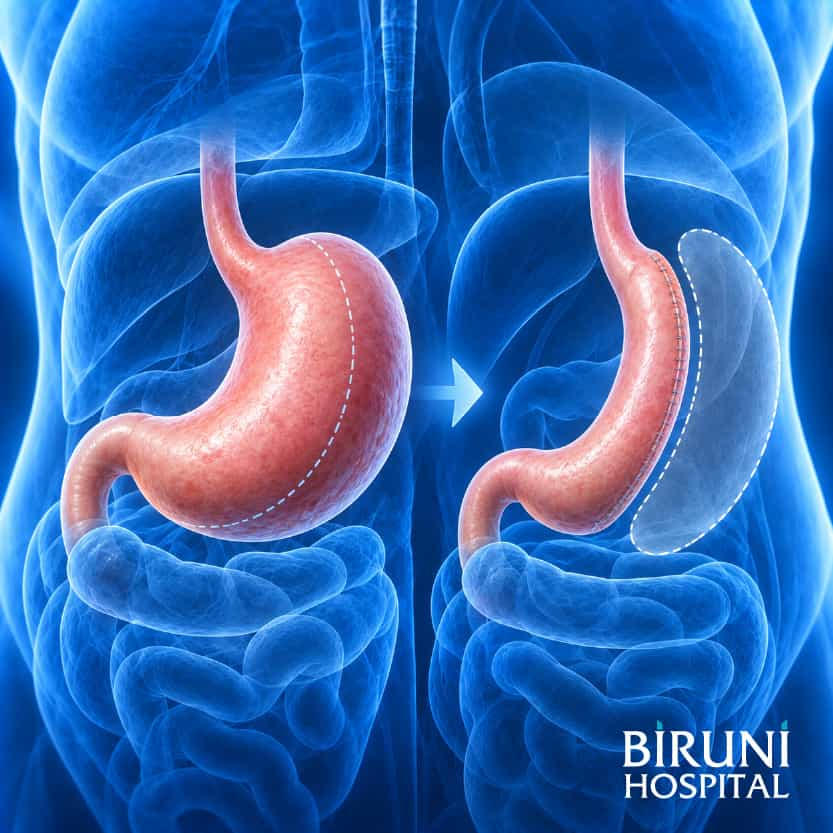
A sleeve gastrectomy involves removing a large portion of the stomach to restrict food intake. A gastric bypass both restricts stomach size and reroutes a portion of the small intestine to reduce calorie and nutrient absorption.
Will I need to take vitamins after my bariatric procedure?
Yes, nutritional supplements are a lifelong requirement. Because the procedure alters how your body absorbs nutrients, you will likely need daily multivitamins, calcium, iron, and B12 supplements to prevent severe deficiencies.
Can my local doctor provide follow-up care after international surgery?
Yes, and establishing this relationship before traveling is highly encouraged. A local general practitioner or bariatric specialist is necessary for monitoring long-term weight loss, conducting routine blood tests, and managing any late complications.
Are there age restrictions for metabolic surgery?
Major medical guidelines typically evaluate adult patients between the ages of 18 and 65 for metabolic surgery. Older or younger individuals may be considered on a case-by-case basis depending on overall health and specific medical risks.
How soon can I fly after a major abdominal procedure?
Flying too soon after abdominal surgery increases the risk of deep vein thrombosis (DVT) and pulmonary embolism. Most surgeons require a minimum of 7 to 10 days of local recovery and a final physical assessment before providing flight clearance.
Will a language barrier affect my medical care?
Communication is crucial for informed consent and aftercare instructions. Facilities treating international patients frequently employ dedicated translators or bilingual staff to ensure you clearly understand your treatment plan.
Does my BMI qualify me for this type of weight-loss intervention?
Eligibility is normally based on having a Body Mass Index (BMI) over 40, or a BMI over 35 combined with severe obesity-related conditions like type 2 diabetes or hypertension. Only a qualified doctor can determine your specific suitability.
What dietary changes are necessary in the first few weeks?
Post-operative diets progress in strict stages to allow the stomach to heal. You will begin with clear liquids, move to thicker liquids, transition to soft pureed foods, and eventually reintroduce solid foods over several weeks.
Compare Treatment Options
Gather the information you need to make an educated healthcare decision. Request details about medical facilities and bariatric treatment plans today.
Request Treatment InformationReferences
- Obesity and Overweight Fact Sheet – World Health Organization (WHO)
- Bariatric Surgery Procedures – American Society for Metabolic and Bariatric Surgery (ASMBS)
- Patient Resources – International Federation for the Surgery of Obesity and Metabolic Disorders (IFSO)
- Weight Loss Surgery Information – National Health Service (NHS)
- Gastric Bypass Surgery Risks and Details – Mayo Clinic
- Medical Tourism Travel Guidelines – Centers for Disease Control and Prevention (CDC)
- International Healthcare Accreditation Standards – The International Society for Quality in Health Care (ISQua)



























Share this listing