


Stem Cell Therapy in Colombia
The success rate of experimental stem cell nerve repair treatments in Colombia generally ranges from 60% to 80% for symptomatic improvement. Outcomes depend heavily on the severity of the nerve damage, patient age, and the advanced biological protocols utilized by specialized regenerative clinics.

Key Takeaways: Nerve Regeneration Therapies
- High Efficacy Rates: 60% to 80% of eligible patients report significant improvements in pain reduction and restored motor function.
- Cost Advantage: Procedures offer luxury care at a fraction of North American prices, saving patients up to 70%.
- Advanced Cellular Science: Colombian facilities specialize in highly potent Mesenchymal Stem Cells derived from Wharton Jelly.
- Comprehensive Care Protocols: Treatments often combine systemic infusions with localized injections to maximize neurogenesis.
- Stringent Regulations: Medical facilities adhere to strict biosafety standards enforced by national health authorities.
Nerve damage, whether caused by traumatic injury, metabolic disorders like diabetes, or progressive autoimmune conditions, has historically been one of the most challenging medical issues to treat. Traditional medicine often focuses solely on symptom management rather than actual healing. However, the paradigm is shifting. Patients worldwide are discovering that stem cell nerve repair in Colombia offers a profound beacon of hope. By utilizing the body own regenerative capabilities, these innovative therapies aim to repair the myelin sheath, restore neural communication, and dramatically improve quality of life.
How do experimental stem cell treatments work for nerve repair?
The science behind stem cell nerve repair in Colombia is rooted in the remarkable ability of Mesenchymal Stem Cells to act as biological managers. When introduced into a patient body, these cells migrate directly to areas of high inflammation and tissue damage. Once they reach the site of the injured nerve, they do not merely turn into nerve cells; rather, they perform a robust paracrine effect. This means they secrete powerful healing proteins, cytokines, and growth factors such as Brain-Derived Neurotrophic Factor and Nerve Growth Factor.
These secreted factors create an optimal microenvironment for healing. They suppress the aggressive immune response that often exacerbates nerve damage, stimulate angiogenesis to improve blood flow to the starving nerve tissues, and encourage the patient native Schwann cells to begin repairing the protective myelin sheath. When exploring advanced stem cell therapy options at Stem Cells Kyron Colombia, patients discover that this multi-faceted approach is key to overriding chronic pain signals and restoring functional sensation.
Furthermore, the experimental nature of these therapies allows clinics in progressive medical hubs to utilize higher cellular counts than might be available in heavily restricted regions. By deploying millions of vibrant, ethically expanded cells directly into the systemic circulation or targeted areas, the potential for bridging gaps in severed or degraded nerves increases significantly, leading to the promising success rates observed today.
What is the average stem cell nerve repair cost in Colombia?
The stem cell nerve repair cost in Colombia typically ranges from $4,000 to $12,000 per comprehensive protocol. This represents a substantial financial advantage, saving patients up to 70% compared to equivalent procedures in the United States.
Understanding the financial investment required for regenerative medicine is crucial for international patients. The pricing structure in South American medical hubs is highly competitive due to a lower cost of living and favorable exchange rates, without compromising on laboratory quality or medical expertise. Here is a breakdown of what influences the overall cost:
- Cellular Dosage and Potency: The primary cost driver is the number of millions of stem cells required. Severe neuropathies require higher cell counts, which increases the laboratory expansion costs.
- Specialized Administration Techniques: Simple intravenous infusions are less expensive than complex, image-guided perineural injections or intrathecal applications that require anesthesiologists.
- Comprehensive Diagnostic Testing: Packages often include pre-treatment neurological assessments, blood panels, and inflammatory marker testing to tailor the protocol precisely.
- Ancillary Supportive Therapies: Many clinics bundle the stem cell injections with complementary treatments like exosomes, hyperbaric oxygen therapy, or high-dose vitamin IVs to maximize cellular engraftment.
- Concierge Patient Services: The higher end of the price spectrum frequently includes VIP airport transfers, luxury accommodation logistics, and dedicated bilingual medical translation.
How should patients evaluate a stem cell nerve repair clinic in Colombia?
Selecting a reliable stem cell nerve repair clinic in Colombia requires verifying specialized laboratory certifications, evaluating physician credentials in regenerative medicine, and demanding absolute transparency regarding the source and viability of the biological materials.
Due diligence is the most critical step for any patient seeking regenerative treatments abroad. The foremost factor to investigate is the laboratory standards of the facility. The biological products must be processed in a certified cleanroom environment adhering to Good Manufacturing Practice guidelines. Patients should ask for a Certificate of Analysis which guarantees the stem cells have been rigorously tested for communicable diseases, endotoxins, and boast a viability rate exceeding 90% at the time of injection.
Equally important is the expertise of the medical staff. The best facilities do not rely on general practitioners; they employ board-certified neurologists, pain management specialists, and cellular biologists who work collaboratively to design individualized protocols. The precision required to inject stem cells near a damaged nerve bundle without causing further injury demands years of specialized medical training and the use of advanced ultrasound or fluoroscopic guidance.
Lastly, ethical operations are paramount. Top-tier clinics maintain total transparency about their cell sourcing, using only ethically obtained umbilical cord tissue from full-term, healthy pregnancies. They will gladly provide detailed explanations of their clinical pathways, realistic outcome expectations, and their regulatory compliance with INVIMA, ensuring you are receiving world-class care in a secure environment.
Mesenchymal Stem Cells are uniquely immune-privileged. This means they lack the specific surface markers that typically trigger an immune response, allowing patients to safely receive treatments using donated umbilical cord cells without requiring genetic matching or risking rejection.
Why is medical tourism in Colombia growing for regenerative therapies?
The exponential growth of medical tourism in Colombia is driven by its exceptional healthcare infrastructure, highly skilled physicians trained globally, and the legal integration of cutting-edge regenerative medicine that remains heavily restricted in North America.
Over the past decade, South America has emerged as a premier destination for healthcare, with cities like Bogota, Medellin, and Cali leading the charge. The World Health Organization consistently ranks the Colombian healthcare system above many developed nations, a testament to its modern hospital networks, stringent safety protocols, and commitment to medical innovation. This robust foundation provides the perfect ecosystem for advanced cellular therapies to flourish safely.
For North American and European patients, geographical convenience plays a massive role. Major airlines offer direct, short-haul flights to Colombian medical hubs, minimizing the physical toll of travel on patients already suffering from chronic nerve pain. Upon arrival, international visitors are greeted by an industry entirely tailored to their needs, featuring bilingual medical staff, luxury recovery accommodations, and warm cultural hospitality that drastically reduces pre-procedure anxiety.
Furthermore, the regulatory environment in the region strikes an optimal balance between patient safety and medical advancement. While regulatory bodies in the US often limit stem cell expansion and the types of tissues that can be utilized, Colombian health authorities permit the ethical cultivation of highly potent umbilical cord cells. This progressive stance allows clinics to deliver substantially higher cellular doses, which are often necessary to achieve clinical breakthroughs in severe nerve damage cases.
Which specific nerve conditions respond best to these treatments?
Conditions like diabetic peripheral neuropathy, sciatica, trigeminal neuralgia, and certain incomplete spinal injuries show the highest responsiveness. Success depends heavily on intervening with cellular therapy before total, irreversible nerve death occurs.
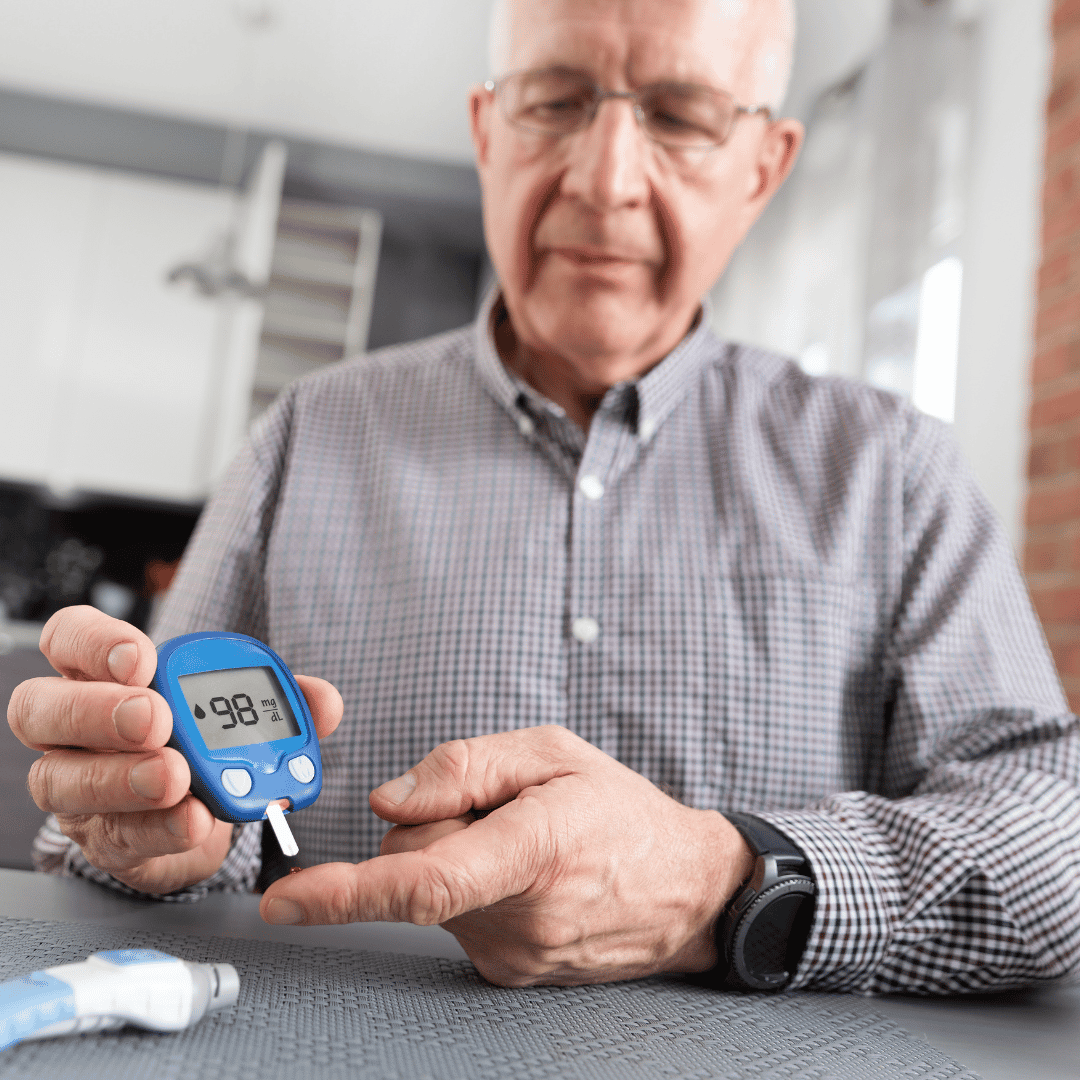
Not all nerve injuries are identical, and the success of regenerative medicine is intricately linked to the pathology of the specific condition. Peripheral neuropathy, often characterized by burning sensations and numbness in the extremities due to diabetes or chemotherapy, responds exceptionally well. Stem cells excel here by promoting angiogenesis, building new microscopic blood vessels that deliver vital oxygen and nutrients to the starving peripheral nerves.
Conditions stemming from nerve compression or localized trauma, such as severe sciatica, carpal tunnel syndrome, or pudendal neuralgia, also show high success rates. In these cases, localized injections of stem cells work aggressively to reduce the chronic focal inflammation that irritates the nerve root, simultaneously providing the biological building blocks required to patch damaged myelin sheaths.
More complex central nervous system issues, including multiple sclerosis or incomplete spinal cord injuries, represent a profound frontier in regenerative medicine. While complete paralysis is rarely reversed entirely, patients frequently experience meaningful improvements in spasticity, bladder control, and sensory perception. The key to optimal outcomes across all these conditions is early intervention; the more viable nerve tissue that remains, the more material the stem cells have to work with and repair.
What types of stem cells are utilized for nerve damage?
Mesenchymal Stem Cells extracted from Wharton Jelly in the umbilical cord are the absolute gold standard for nerve repair. They possess unparalleled immunomodulatory properties and massive growth factor potential without presenting any ethical concerns.
In the realm of regenerative medicine, the source of the biological material dictates the ceiling of the treatment efficacy. Historically, autologous cells harvested from the patient own bone marrow or adipose fat tissue were utilized. However, as a patient ages or battles chronic illness, their native stem cells simultaneously age, losing their vigor and regenerative capacity, making them less ideal for repairing severe neural damage.
To circumvent this, elite international clinics utilize allogeneic Mesenchymal Stem Cells derived from human umbilical cords. The gelatinous substance within the cord, known as Wharton Jelly, is an incredibly rich source of youthful, robust stem cells. Because these cells are essentially day zero in terms of biological age, their telomeres are exceptionally long, allowing them to replicate and produce healing factors at a rate exponentially higher than adult stem cells.
Furthermore, these specific cells have an innate ability to cross the blood-brain barrier and target neuro-inflammation directly. Their unique biological composition allows them to secrete high volumes of neurotrophins, which are vital proteins required for the survival, development, and function of neurons. This targeted cellular engineering is what provides the structural framework for true nerve regeneration.
In addition to the raw cells, many advanced protocols now incorporate Exosomes microscopic extracellular vesicles secreted by stem cells. Think of exosomes as the communication packets that instruct your existing nerve cells to begin the repair process. Combining MSCs with an exosome boost has been shown to amplify nerve healing outcomes significantly.
What does the recovery and timeline look like post-treatment?
Patients generally resume light daily activities within a few days, but biological nerve regeneration is a gradual process. Meaningful improvements in pain reduction and sensory motor function typically manifest progressively between three to six months.
Setting realistic expectations regarding the healing timeline is crucial for patient satisfaction. Unlike pharmaceutical painkillers that mask symptoms instantly, cellular therapy requires time to rebuild physiological structures. The timeline generally unfolds in distinct phases:
- Immediate Post-Treatment Phase (Days 1-7): Patients may experience mild fatigue, a low-grade fever, or localized soreness at injection sites as the body initial immune system responds to the biological influx. Rest is highly recommended during this period.
- Anti-Inflammatory Phase (Weeks 2-6): This is often when patients notice the first positive changes. The stem cells actively suppress systemic inflammation. Many report a noticeable decrease in sharp, burning nerve pain and an overall increase in energy levels.
- Neurogenesis Phase (Months 2-6): The heavy lifting occurs here. As new blood vessels form and myelin sheaths begin to repair, patients slowly regain lost sensations, experience improved temperature regulation in extremities, and see enhanced motor control.
- Long-Term Consolidation (6 Months+): The newly formed neural pathways stabilize through neuroplasticity. Physical therapy is highly encouraged during this phase to train the newly regenerated nerves and maximize functional recovery.
Are there potential risks or side effects with this therapy?
When administered in a highly regulated clinical setting, stem cell therapy is remarkably safe. The most common side effects are transient mild fatigue or soreness. Serious adverse reactions or cellular rejections are exceedingly rare.
Safety is the ultimate priority in modern regenerative medicine. The use of Mesenchymal Stem Cells has an incredibly robust safety profile supported by thousands of clinical trials globally. Because these cells are immune-privileged, the risk of Graft vs. Host Disease or severe allergic rejection is practically non-existent. The body accepts these potent healing cells naturally, without the need for dangerous immunosuppressant medications.
The primary risks associated with the procedure are related to the injection techniques rather than the biological material itself. Any time the skin is broken, there is a minute risk of localized infection or minor bleeding. This is why undergoing treatment in certified, sterile surgical suites under the guidance of highly trained specialists is non-negotiable. Reputable clinics mitigate these risks through strict adherence to international sterilization protocols and precise imaging guidance during needle placement.
It is also important to note that tumor formation, a historical concern with embryonic stem cells, is not a risk with adult mesenchymal cells derived from umbilical tissue. These specific cells possess a pre-programmed life cycle; they execute their regenerative directives, exhaust their energy, and are naturally absorbed by the body, leaving behind only the newly repaired tissue infrastructure.
Why Choose PlacidWay for your regenerative medicine journey?
PlacidWay empowers patients by expertly connecting them with internationally accredited medical facilities and leading regenerative specialists. Our dedicated platform ensures transparent pricing and rigorously vetted quality standards for your complete peace of mind.
Navigating the landscape of international regenerative medicine requires a trusted advocate. PlacidWay serves as your premier medical tourism facilitator, bridging the gap between global patients and life-changing medical interventions. Here is why thousands trust us with their healthcare journey:
- Strict Provider Vetting Process: We do not feature just any clinic. PlacidWay partners exclusively with medical facilities that possess verifiable international accreditations, utilize certified cleanroom laboratories, and maintain flawless patient safety records.
- Complete Financial Transparency: Medical costs should never be a surprise. We provide access to comprehensive, pre-negotiated treatment packages that clearly outline all medical fees, physician consultations, and laboratory costs, protecting you from hidden charges.
- Direct Specialist Facilitation: Before you commit to any procedure, we facilitate direct communication channels between you and the board-certified regenerative specialists to ensure your specific medical case is thoroughly reviewed.
- Streamlined Medical Record Coordination: Our dedicated patient support team securely manages the transfer of your MRI scans, blood panels, and medical history to the international doctors, streamlining the evaluation process securely and efficiently.
- Continuous Patient Advocacy: Our commitment does not end when your procedure is finished. We provide dedicated post-treatment follow-up support, ensuring you remain connected with your medical team to monitor your healing progress upon returning home.
Frequently Asked Questions
Is stem cell therapy for nerve repair legal and regulated in Colombia?
Yes, regenerative medicine and stem cell therapies are highly regulated in Colombia. Facilities must adhere to stringent guidelines set by INVIMA, the Colombian equivalent of the FDA, ensuring all laboratory practices, cell expansions, and clinical applications meet high international safety and efficacy standards.
What specific types of stem cells are used for nerve regeneration in Colombia?
Most top-tier Colombian clinics utilize allogeneic Mesenchymal Stem Cells derived from ethically donated human umbilical cord tissue. These cells are preferred because they are highly potent, young, and have powerful immunomodulatory and neuro-regenerative properties without triggering immune rejection.
Can stem cell therapy completely cure peripheral neuropathy?
While stem cell therapy is not typically classified as an absolute cure, it is a highly effective management and reversal tool. Many patients experience significant symptomatic relief, including reduced pain, tingling, and numbness, as the stem cells help repair the damaged myelin sheaths around the nerves.
How is the stem cell treatment administered for nerve damage?
Administration methods vary based on the specific nerve condition. Common delivery methods include systemic intravenous infusions to tackle widespread inflammation, localized intramuscular or perineural injections near the damaged nerve, and sometimes intrathecal injections for spinal cord-related nerve issues.
How many days should I plan to stay in Colombia for nerve repair treatment?
Most regenerative medicine protocols for nerve repair require a stay of 5 to 7 days. This timeline allows for initial medical consultations, baseline testing, the actual stem cell administration over one or two days, and a brief follow-up observation period before flying home.
Will my domestic health insurance cover stem cell treatments in Colombia?
Generally, experimental or advanced stem cell therapies performed abroad are not covered by standard US or European health insurance policies. Patients usually pay out-of-pocket, which is why the significantly lower cost of treatment in Colombia makes it an attractive and accessible option.
What medical records do I need to provide before booking my treatment?
Clinics will require a comprehensive medical history, recent blood work, and imaging studies such as MRI or EMG nerve conduction test results. Providing these records in advance allows the medical team to evaluate your candidacy and customize the exact dosage of stem cells needed.
Are the stem cells used in Colombian clinics ethically sourced?
Absolutely. Reputable facilities only use umbilical cord tissue donated by healthy mothers following full-term, normal cesarean deliveries. Extensive screening for infectious diseases and genetic abnormalities is conducted on both the mother and the cord tissue to ensure ethical compliance and ultimate patient safety.
Can international patients easily communicate with medical staff in Colombian clinics?
Yes, major medical hubs in cities like Bogota, Medellin, and Cali cater specifically to international patients. The leading regenerative medicine clinics employ bilingual doctors, nurses, and dedicated patient coordinators who speak fluent English to ensure seamless communication.
How long do the positive effects of stem cell nerve repair last?
The longevity of results varies by individual, the underlying cause of the nerve damage, and lifestyle factors. Many patients report sustained improvements lasting several years. In chronic progressive conditions, some patients may opt for a booster session after 12 to 18 months to maintain optimal nerve function.
Start Your Path to Nerve Regeneration Today
* Responses typically within 24 hours. Strict patient privacy and data protection guaranteed.
.jpg 1x)







.jpg)
.png)

-(4).png)










Share this listing