


Why Choose Tijuana for Bariatric Surgery
The typical recovery time for knee arthroscopy in Tijuana ranges from two to six weeks. Most patients resume light activities within a few days, but full healing depends on the specific repair done during the minimally invasive joint procedure.
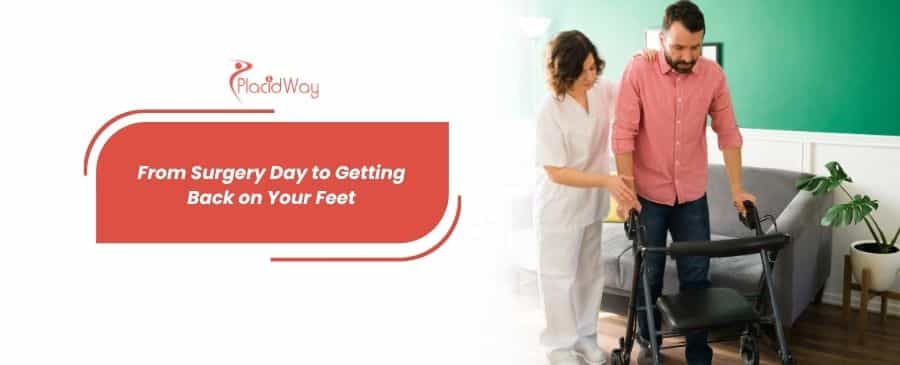
Key Takeaways: Healing and Joint Restoration
- Rapid Mobilization: Minimally invasive techniques allow for walking on the same day for simple repairs.
- Cost Effectiveness: Patients save heavily on surgical fees without compromising medical quality.
- Advanced Technology: Clinics utilize high-definition imaging for exact, targeted joint treatments.
- Physical Therapy: Structured post-operative rehabilitation is crucial for achieving a complete recovery.
- Expert Specialists: Board-certified surgeons execute complex ligament and cartilage restorations seamlessly.
What happens during a knee arthroscopy procedure?
Surgeons insert a tiny camera into the joint to diagnose and treat problems. They make small incisions to remove or repair damaged tissue effectively.
During the operation, the orthopedic specialist cleans the surgical area and administers appropriate anesthesia to ensure complete patient comfort. A small high-definition camera, known as an arthroscope, is then carefully guided into the joint cavity. This sophisticated device sends live video to a large monitor in the operating room, allowing the surgical team to view the internal knee structures with exceptional magnification and clarity.
Once the specific problem area is perfectly identified, the surgeon creates one or two additional tiny incisions nearby. Through these small openings, specialized micro-instruments are inserted to trim torn meniscus cartilage, reconstruct damaged ligaments, or clear away floating bone fragments. The immense precision of these tools drastically minimizes trauma to the surrounding healthy joint tissues.
After successfully completing all the necessary internal repairs, the surgeon meticulously closes the small incisions with sutures or sterile adhesive strips. The entire joint is then wrapped in a protective compression bandage to safeguard the healing wounds. Because this modern surgical approach is far less invasive than traditional open knee surgery, patients experience significantly less tissue damage, reduced post-operative pain, and practically invisible scarring.
How much does a knee arthroscopy cost in Tijuana?
The knee arthroscopy cost in Tijuana generally falls between three thousand and five thousand dollars. This rate is substantially lower than what patients typically pay in the United States or Canada.
- Significant financial savings remain a primary reason patients seek international care, as the total hospital expense is often fifty to seventy percent less than northern counterparts.
- The standard base price usually encompasses the surgical facility fee, the primary orthopedic surgeons fee, and all routine anesthesia services required for the operation.
- Pre-operative medical consultations and basic diagnostic imaging, like X-rays, are frequently bundled into comprehensive orthopedic packages offered by leading regional facilities.
- Patients will discover that necessary post-operative medications, such as standard pain relievers and preventative antibiotics, are highly affordable and readily available at local pharmacies.
- There are zero hidden facility fees when collaborating with highly reputable healthcare providers, ensuring that international patients can budget accurately before departing home.
- Even when factoring in the addition of specialized medical garments and initial physical therapy sessions, the overall financial commitment remains incredibly economical for self-paying individuals.
Who is the ideal candidate for a knee arthroscopy in Mexico?
Ideal candidates are individuals suffering from persistent joint pain that does not respond to conservative treatments. They should be in good overall health and seeking a highly effective, minimally invasive solution.
Patients who regularly experience chronic joint swelling, debilitating stiffness, or a terrifying feeling that the knee is suddenly giving way are prime candidates for this intervention. Most often, these specific symptoms point directly to underlying mechanical issues like torn meniscus cartilage, damaged anterior cruciate ligaments, or irritating fragments of loose bone floating within the fluid. When standard physical therapy and heavy doses of anti-inflammatory medications fail to provide lasting relief, surgical intervention becomes the most logical next step.
Choosing to undergo knee arthroscopy in Tijuana is particularly appealing for those residing in countries without comprehensive health insurance coverage. The unique combination of world-class medical expertise and highly accessible pricing allows uninsured or underinsured patients to receive prompt, high-quality care without facing crippling medical debt. This geographic accessibility actively prevents patients from living with deteriorating mobility while waiting for affordable local options.
Furthermore, prospective patients must undergo a thorough medical evaluation to ensure their bodies can safely process clinical anesthesia. Excellent candidates are those who possess a strong mental commitment to following strict post-operative rehabilitation protocols. A genuine willingness to engage in daily physical therapy is absolutely crucial for achieving the best possible functional outcome and restoring athletic capabilities after the surgery.
What should patients expect during the initial consultation?
The initial consultation involves a comprehensive review of the patients medical history and current symptoms. The orthopedic specialist conducts a physical examination and reviews relevant imaging studies.
When arriving at a premier knee arthroscopy clinic in Tijuana, international patients are warmly greeted by bilingual staff members who efficiently facilitate the clinical intake process. The joint specialist will ask highly detailed questions regarding the initial onset of the pain, specific physical movements that exacerbate the discomfort, and any conservative treatments attempted previously. This extensive background investigation is vitally important for establishing a highly accurate preliminary diagnosis before planning any surgical steps.
Following the verbal health history, the attending surgeon performs a hands-on physical assessment of the affected leg and joint structure. They will meticulously check for range of motion, assess lateral joint stability, and identify areas of localized tenderness. Special orthopedic stress tests are gently conducted to isolate specific ligaments and cartilage discs, helping the doctor to seamlessly pinpoint the exact source of the mechanical failure within the knee cavity.
Finally, the medical professional will review any existing MRI scans or digital X-ray images the patient brought along. If recent imaging is simply not available or lacks sufficient detail, the clinic will swiftly arrange for brand new diagnostic tests to be performed on-site. Once all vital clinical data is successfully gathered, the surgeon formulates a highly customized surgical plan and explains the expected outcomes and specific recovery timeline to the patient in comprehensive detail.
Are the medical facilities in Tijuana equipped with modern technology?
The premier surgical centers in the region utilize state of the art equipment comparable to top global hospitals. They invest heavily in advanced endoscopic imaging and minimally invasive surgical tools.
- Operating rooms are fully outfitted with high-definition surgical video monitors that consistently provide doctors with crystal-clear magnification of internal joint structures.
- Leading hospitals employ highly rigorous sterilization protocols and utilize advanced HEPA airflow systems to dramatically minimize the risk of dangerous post-operative infections.
- Orthopedic surgeons have daily access to the latest generation of micro-surgical shavers and precise radiofrequency wands used for exceptional tissue ablation.
- In-house diagnostic departments feature advanced magnetic resonance imaging machines and rapid digital X-ray technology to guarantee highly accurate pre-operative surgical mapping.
- Modern recovery wards are intentionally designed with ultimate patient comfort in mind, featuring fully adjustable ergonomic beds and continuous electronic vital sign monitoring.
- Many established facilities hold prestigious national and international healthcare accreditations that strictly mandate continuous adherence to exceptional global patient safety standards.
What kind of aftercare is required following a knee scope surgery?
Aftercare involves resting the joint, managing swelling with ice, and gradually reintroducing movement. Patients must participate in structured physical therapy to restore strength and full range of motion.
Immediately following the successful procedure, patients are strongly advised to keep the affected leg elevated slightly above heart level to drastically reduce fluid accumulation. Continuous cold therapy, utilizing clinical ice packs applied for short supervised intervals, is incredibly effective in managing acute swelling during the crucial first forty-eight hours. Patients are also explicitly instructed to keep their outer surgical dressings perfectly clean and completely dry to promote optimal wound healing and block external bacterial entry.
Daily weight-bearing restrictions depend entirely upon the specific internal repairs performed during the operative session. While some fortunate individuals can walk comfortably out of the clinic on the same exact day, others who undergo complex cartilage suturing may require crutches for several consecutive weeks. The attending orthopedic nursing team provides highly explicit written instructions regarding any strict mobility limitations right before the patient is formally discharged from the surgical center.
Dedicated physical therapy firmly remains the absolute cornerstone of a successful and complete recovery journey. Guided rehabilitation exercises begin very gently, focusing purely on basic isometric muscle contractions and passive assisted stretching. As biological healing naturally progresses, the physical therapy intensifies significantly to rebuild the critical quadriceps and hamstring muscles, which are fundamentally essential for stabilizing the knee joint and completely preventing future structural injuries.
How do patients manage pain during the recovery process?
Pain management relies on a combination of prescribed medications and localized physical cooling techniques. The surgical team provides a tailored pain relief protocol to ensure patient comfort.
During the immediate post-operative healing phase, orthopedic doctors prescribe specific clinical analgesics to effectively control any acute discomfort. These specialized medications are carefully dosed according to body weight to perfectly alleviate pain while successfully minimizing any potential negative side effects. Patients are always given clear, written schedules for taking their medication to ensure they stay ahead of the pain curve, rather than foolishly waiting for the joint discomfort to become unbearable before taking action.
In addition to relying on oral medications, localized cold compression therapy plays a massively important role in natural, holistic pain reduction. Many recovering patients heavily utilize specialized circulating cooling machines that push freezing water through a clinical pad wrapped securely around the knee. This continuous, soothing cold application directly numbs the hypersensitive nerve endings and significantly reduces the aggressive inflammatory response, ultimately lowering the overall daily reliance on strong pharmaceutical pain relievers.
As the healing days pass, the bodily requirement for strong prescription medication diminishes very rapidly. The vast majority of orthopedic patients seamlessly transition to simple over-the-counter anti-inflammatory drugs well within the first full week. The dedicated surgical team continuously and carefully monitors the patients subjective pain levels during all follow-up telemedicine appointments, expertly adjusting the management strategy as natural tissue healing progresses and the internal inflammation completely subsides.
What are the potential risks associated with knee joint surgery?
While generally exceptionally safe, potential risks include infection, blood clots, and unexpected stiffness. Choosing highly experienced, board-certified surgeons drastically minimizes the likelihood of these complications.
- Deep post-operative infections are exceedingly rare but technically possible, which is precisely why antibiotics are heavily administered prophylactically alongside strict wound care guidelines.
- Dangerous deep vein thrombosis or internal blood clots can potentially occur after any lower extremity surgery, though this is heavily mitigated by early mobilization and preventative medications.
- Certain patients may frustratingly experience persistent joint stiffness or a highly restricted range of motion if they simply fail to adhere strictly to their prescribed daily physical therapy regimen.
- There exists a very minimal, yet documented risk of accidental damage to surrounding microscopic blood vessels or delicate nerve endings during the rapid insertion of the surgical instruments.
- Uncomfortable accumulation of dark blood inside the joint space, medically known as hemarthrosis, might require an urgent medical draining if the swelling becomes excessively painful and rigidly tense.
- Administered anesthesia inherently carries standard baseline risks, although highly comprehensive pre-operative physical health screenings effectively identify and completely mitigate these dangers before surgery begins.
How does medical tourism in Tijuana benefit international patients?
Medical tourism in Tijuana offers a perfect blend of high-quality healthcare, affordability, and minimal wait times. Patients bypass long domestic queues to receive immediate, premium orthopedic attention.
One of the absolute most significant advantages is the total elimination of prolonged, frustrating waiting lists commonly found in heavily burdened public healthcare systems. Patients currently enduring severe daily pain can rapidly schedule their crucial surgical interventions within weeks rather than waiting several agonizing months or entire years. This incredibly rapid access to professional care heavily prevents further microscopic deterioration of the joint and wildly accelerates the glorious return to a pain-free, highly active lifestyle.
Tremendous financial accessibility is another massively powerful driver for international medical visitors. The highly favorable economic structure of the destination region allows world-class orthopedic surgeons to generously offer their premium services at a tiny fraction of the exorbitant cost routinely found north of the border. These monumental financial savings deeply empower ordinary patients to afford comprehensive healthcare solutions without rapidly depleting their retirement savings or foolishly taking on massive predatory medical debts.
Looking completely beyond the immense medical advantages, the physical geographic proximity of the clinical destination makes the entire logistical travel process incredibly smooth. Conveniently located just moments across the major border crossing, patients can simply drive a vehicle or take incredibly short domestic flights to rapidly reach their final surgical destination. Highly dedicated medical travel lanes at the border checkpoint further wildly expedite the comfortable return journey, ensuring the entire health experience remains blissfully stress-free.
Why Choose PlacidWay for orthopedic procedures abroad?
PlacidWay serves as a premier healthcare companion connecting patients with vetted, globally recognized medical facilities. They ensure transparency, safety, and unwavering support throughout the entire healthcare journey.
- They execute highly rigorous background checks to perfectly ensure every partnered facility employs exceptionally skilled, thoroughly board-certified orthopedic specialists.
- All patients receive wonderfully personalized surgical treatment plans heavily tailored specifically to their incredibly unique medical requirements and personal financial boundaries.
- They powerfully advocate for absolute price transparency by brilliantly negotiating highly comprehensive packages that completely eliminate any hidden medical fees or unexpected costs.
- A deeply dedicated patient support team permanently remains available to seamlessly facilitate smooth communication between the international patient and the local medical staff.
- They successfully empower countless individuals by continuously providing highly extensive educational resources so that patients can make exceptionally informed decisions regarding surgical options.
Frequently Asked Questions About Knee Surgery
Is it safe to undergo knee arthroscopy in Tijuana?
Yes, undergoing knee arthroscopy in Tijuana is highly safe when choosing accredited hospitals and board-certified orthopedic surgeons. The leading medical facilities adhere to rigorous international safety standards and utilize advanced sterilization protocols to prevent post-operative complications.
How long do I need to stay in Mexico after a knee arthroscopy?
Most patients are advised to remain in the area for three to five days following the procedure. This short stay allows the surgical team to monitor your immediate recovery, manage acute pain, and clear you for travel back home safely.
Will I need physical therapy after a knee scope in Tijuana?
Absolutely. Physical therapy is a crucial component of the recovery process. While the surgery fixes the structural issue, targeted rehabilitation is necessary to rebuild muscle strength, restore full range of motion, and ensure long-term joint stability.
Can both knees be operated on at the same time in Mexico?
Bilateral knee arthroscopy is possible but rarely recommended unless absolutely necessary. Operating on both knees simultaneously significantly complicates the recovery process, as patients will lack a stable leg to bear weight on during the initial healing phase.
What type of anesthesia is used for knee arthroscopy procedures?
Surgeons typically utilize either regional anesthesia, such as a spinal block, or general anesthesia. The specific type depends on the patients health profile, the anticipated length of the procedure, and the anesthesiologists professional recommendation.
When can I safely drive after having knee arthroscopy?
Patients can usually resume driving within one to three weeks. You must be completely off strong pain medications and possess enough leg strength and reflex speed to perform an emergency stop comfortably before getting behind the wheel.
Do orthopedic surgeons in Tijuana speak fluent English?
The vast majority of top-tier orthopedic surgeons in this region are completely bilingual. Many have completed fellowships or supplementary training in the United States, ensuring seamless and clear communication regarding your diagnosis and treatment plan.
What happens if my knee scope reveals a larger tear than expected?
If the surgeon discovers more extensive damage once the camera is inside the joint, they are generally equipped to repair it during the same session. They will have discussed this possibility with you beforehand to secure your consent for comprehensive treatment.
How soon can I return to a desk job after knee surgery?
Individuals with sedentary desk jobs can often return to work within a week. However, it is highly recommended to keep the leg elevated under the desk and take frequent breaks to stand and prevent stiffness during the work day.
Does US health insurance cover knee arthroscopy performed in Mexico?
Traditional domestic health insurance plans rarely cover elective surgeries performed internationally. However, because the self-pay rates in Mexico are so affordable, many uninsured or underinsured patients find the out-of-pocket expense highly manageable compared to domestic deductibles.
Start Your Joint Healing Journey Today
* Secure, confidential, and highly personalized medical guidance.
.jpg)














Share this listing