


How Long to Stay in Mexico After Lumbar Spinal Fusion Surgery

Living with severe, unyielding back pain is exhausting. Every morning starts with a mental calculation of what you can and cannot do that day. The radiating nerve pain down your leg, the numbness, and the constant ache have slowly stolen your favorite activities. You have tried the injections, the physical therapy, and the medications, but your doctor has finally told you what you suspected: you need a lumbar spinal fusion. Then, you see the price tag in your home country, and your heart sinks. The question is no longer just about your health; it is about how you will afford it.
This is when many people start looking across the border. If you are researching this option, you are likely feeling a mix of hope and overwhelming anxiety. Getting major spine surgery abroad sounds terrifying at first. You need honest answers to practical questions, starting with: How Long Do I Need to Stay in Mexico After a Lumbar Spinal Fusion Procedure? You want to know if it is safe, what the recovery timeline looks like, and if the quality matches what you would get at home. Take a deep breath. We are going to walk through every detail of this journey together, providing you with the clear, factual information you need to make the best decision for your spine, your wallet, and your future.
Quick Facts: Lumbar Spinal Fusion in Mexico vs. Home Country
What Is a Lumbar Spinal Fusion and How Does It Work?
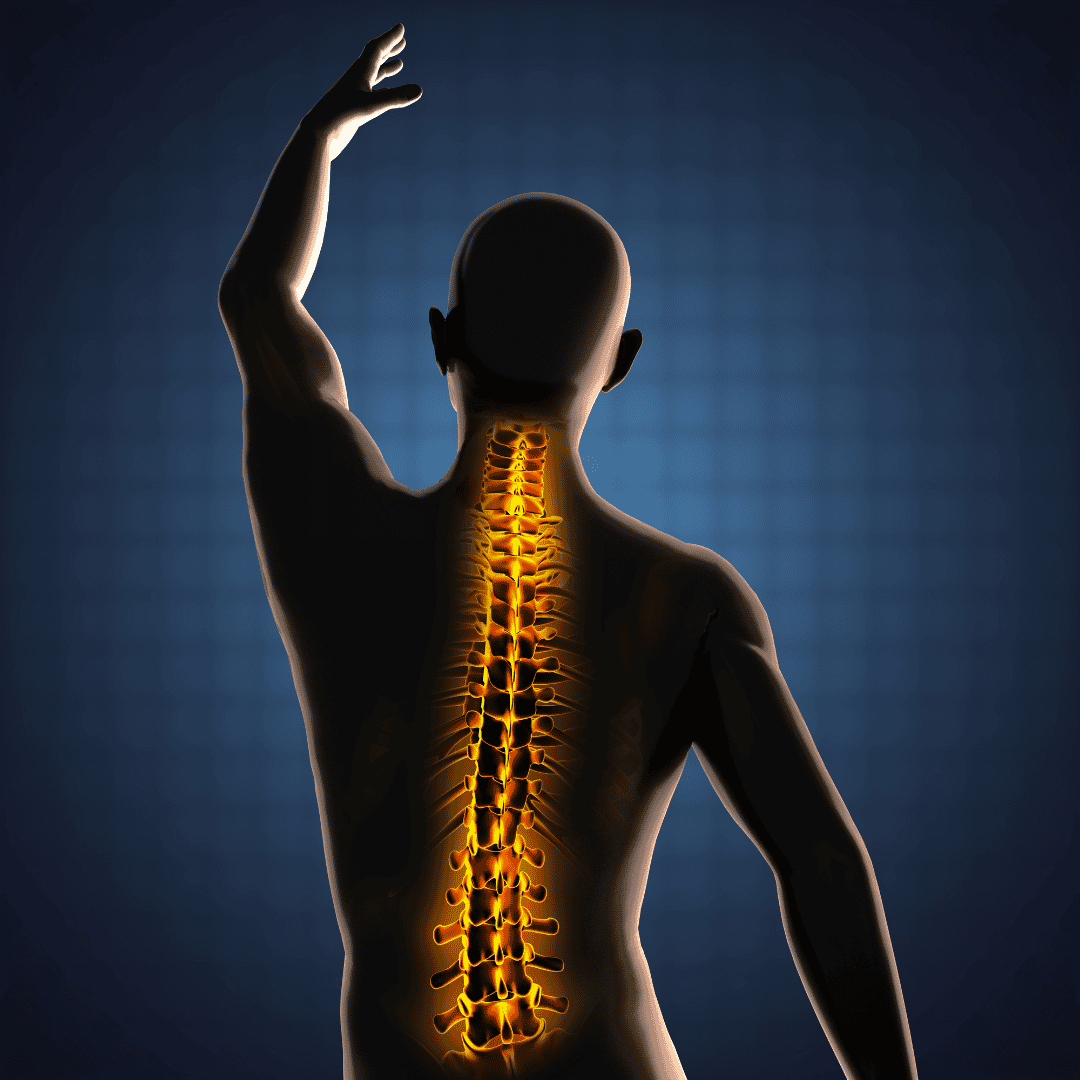
To understand why this procedure is so effective, you have to look at what is causing your pain. Usually, an intervertebral disc has degenerated, or a vertebra has slipped out of place (spondylolisthesis), causing the bones to rub together and compress the spinal nerves. A lumbar fusion stops this painful movement.
Here is step-by-step how the procedure actually works:
- Anesthesia & Incision: You are placed under general anesthesia. The surgeon makes an incision, usually in your back, though sometimes they approach from the front or side depending on your specific anatomy.
- Disc Removal & Preparation: The damaged disc between the affected vertebrae is carefully removed to relieve the pressure on your nerves.
- Bone Grafting: The surgeon inserts a bone graft (often a synthetic material or donor bone) into the empty space. This graft acts as a bridge that stimulates your body to grow new bone.
- Fixation: To hold the spine perfectly still while the new bone grows, the surgeon inserts FDA-approved titanium screws and rods into the vertebrae.
- Closure & Healing: The incision is closed. Over the next several months, the bone graft and the vertebrae will grow together into one solid piece of bone—this is the actual "fusion."
The ultimate benefit of this surgery over temporary alternatives (like steroid injections or nerve blocks) is permanence. Once the spine fuses, the structural instability is permanently fixed, giving you a chance to reclaim a pain-free, active life.
Why Choose Mexico for Your Lumbar Spinal Fusion Benefits?
You might be wondering if going to another country is worth the effort. Let us compare the reality of getting this surgery abroad versus staying in your home country.
- Massive Cost Reductions: You can save over $40,000. For many, this is the difference between living with chronic pain forever and getting their life back.
- World-Class Facilities: Top medical tourism destinations in Mexico boast Joint Commission International (JCI) accredited hospitals. These facilities feature the exact same advanced MRI, CT scanners, and sterile operating theaters found in top-tier US hospitals.
- No Wait Times: In Canada or the UK, you might wait 12 to 18 months for a spinal fusion. In the US, insurance approvals can drag on for months. In Mexico, you can schedule your surgery within weeks.
- Dedicated Recovery Support: Rather than being sent home 48 hours after surgery to fend for yourself, Mexican medical tourism packages often include nursing care at recovery retreat hotels to ensure you heal safely.
- More Time with Your Doctor: US healthcare is notoriously rushed. Patients in Mexico consistently report that their neurosurgeons spend significantly more time with them answering questions, explaining the MRI, and checking on them post-op.
How Much Can You Save on Spine Surgery Abroad?
When dealing with a complex procedure like spinal fusion, the costs in the United States multiply rapidly. You are billed separately by the hospital, the neurosurgeon, the anesthesiologist, and the hardware manufacturer. In Mexico, medical packages are usually all-inclusive, meaning no surprise bills.
| Procedure/Expense | United States Price | Mexico Price | Savings |
|---|---|---|---|
| Single-Level Lumbar Fusion | $50,000 - $80,000 | $12,000 - $16,000 | 65 - 80% |
| Two-Level Lumbar Fusion | $70,000 - $110,000 | $16,000 - $20,000 | 70 - 80% |
| Pre-Operative MRI | $1,000 - $3,000 | $200 - $400 | 80 - 85% |
| Hospital Stay (Per Night) | $3,000 - $5,000 | $400 - $800 | 80 - 85% |
| Physical Therapy (Per Session) | $150 - $350 | $30 - $60 | 75 - 80% |
Why is there such a massive price difference? It is crucial to understand that the lower cost does not mean lower quality. The titanium rods and screws cost the same globally. The savings come from economics. Mexican hospitals do not carry the astronomical administrative overhead or extreme malpractice insurance premiums required in the US. Furthermore, the cost of living and specialized labor wages are lower, allowing surgeons to charge fair, transparent prices while still making a comfortable living.
Is It Safe to Get a Lumbar Spinal Fusion in Mexico?
It is entirely normal to be terrified of someone touching your spine in a foreign country. You are worried about paralysis, infection, or receiving outdated hardware. Let us lay those fears to rest with data.
| Quality Metric | Home Country (US) | Destination (Mexico) | Notes |
|---|---|---|---|
| Surgical Hardware | FDA-Approved Titanium | FDA-Approved Titanium | Same global brands used (Medtronic, Stryker) |
| Hospital Standards | JCAHO Accredited | JCI / CSG Accredited | Rigorous international safety protocols |
| Surgeon Training | Board Certified | Board Certified | Many Mexican surgeons hold US/EU fellowships |
| Infection Rates | 1% - 3% | 1% - 3% | Identical sterilization methods utilized |
| Pre-Op Screening | Comprehensive | Comprehensive | Full blood work, EKG, and MRI required |
Here is why you can trust the process:
- Elite Surgeons: The doctors handling international patients are usually the top-tier neurosurgeons or orthopedic spine specialists in Mexico. Many are members of the American Association of Neurological Surgeons (AANS).
- Strict Sterilization: JCI-accredited hospitals follow the exact same guidelines for instrument sterilization and clean-room airflow as the best hospitals in New York or London.
- High-Quality Implants: No generic hardware is used in reputable hospitals. You will receive titanium implants from established global medical suppliers.
- Comprehensive Care: You will not be rushed out the door. The extended hospital stay in Mexico actually enhances your safety, allowing nurses to monitor your incision site closely during the most critical 72 hours.
By thoroughly researching your provider and verifying their hospital accreditations, you eliminate the risks associated with "cheap" care and secure high-value, safe medical treatment.
What is the Typical Recovery Timeline for Lumbar Spinal Fusion in Mexico?
To directly answer How Long Do I Need to Stay in Mexico After a Lumbar Spinal Fusion Procedure?, you need to visualize the entire timeline. You cannot hop on a plane immediately after spine surgery. Your body needs time to stabilize.
- Days 1-2 (Arrival & Prep): You arrive in Mexico, check into your hotel, and undergo in-person consultations, fresh bloodwork, and surgical clearance.
- Days 3-6 (Surgery & Hospital Stay): The surgery takes 2 to 4 hours. You will spend the next 3 to 4 days recovering in a private hospital room. Nurses will manage your pain via IV and help you stand up and take your first steps, usually within 24 hours of surgery.
- Days 7-13 (Hotel Recovery): You are discharged to a comfortable local hotel (often organized by your medical tourism coordinator). You will rest, take short walks, and a nurse will likely visit to check your vitals and change your surgical dressings.
- Day 14 (Clearance & Flight Home): Your surgeon will conduct a final examination. Once cleared, you will head to the airport.
- Months 1-6 (Healing at Home): You will begin physical therapy at home. The actual fusion of the bone takes several months, so you will wear a back brace and avoid bending, lifting, or twisting.
Crucial travel and recovery considerations:
- Bring a companion: Do not do this alone. You will need someone to carry your luggage, help you put on your shoes, and advocate for you.
- Flight arrangements: Request wheelchair assistance at the airport. Book a first-class or premium economy seat if possible so you can recline slightly and stretch your legs.
- Follow-up care: You must arrange for a local orthopedic doctor or physical therapist to monitor your progress once you return home.
- Language barrier: Stick to major medical tourism hospitals where the doctors and patient coordinators speak fluent English.
Who Is an Ideal Candidate for Lumbar Spinal Fusion Abroad?
Spinal fusion is a major commitment. Even with the massive savings in Mexico, no ethical surgeon will perform the operation unless you truly need it.
You are likely a great candidate if you have:
- Severe, chronic lower back pain that radiates down your legs (sciatica).
- A diagnosed condition like spondylolisthesis, severe degenerative disc disease, or spinal stenosis.
- Tried physical therapy, medications, and epidural injections for at least 6 months without relief.
- A structurally unstable spine that causes pain during basic movements.
- Good overall cardiovascular and pulmonary health to handle anesthesia.
- Realistic expectations about the 3 to 6 month recovery timeline.
You may need to reconsider or seek specialized clearance if you have:
- Severe osteoporosis: Weak bones cannot securely hold the titanium screws needed for fusion.
- Active nicotine use: Smoking dramatically reduces bone healing and increases the risk of a "failed fusion." You must quit weeks before surgery.
- Morbid obesity: This increases anesthesia risks and puts extreme mechanical stress on the healing spine.
- Widespread, non-specific back pain: If your pain cannot be pinpointed to a specific mechanical instability, fusion might not relieve it.
- Uncontrolled diabetes: This severely impairs wound healing and increases infection risk.
- Inability to travel safely: If you cannot sit in an airplane seat for the flight home, medical tourism may not be viable.
The smartest next step is gathering your recent MRI imaging and sending it to a reputable clinic in Mexico. They can provide a preliminary assessment of your candidacy before you ever book a flight.
Frequently Asked Questions
When asking How Long Do I Need to Stay in Mexico After a Lumbar Spinal Fusion Procedure?, other major questions naturally follow. From cost breakdowns to safety protocols, these answers cover the most pressing concerns patients have before booking their spine surgery abroad.
How long do I need to stay in Mexico after a lumbar spinal fusion procedure?
You will need to stay in Mexico for 10 to 14 days. This includes 1 to 2 days for pre-op, a 3 to 4 day hospital stay, and 7 to 10 days recovering in a hotel before getting medical clearance to fly home.
How much does a lumbar spinal fusion cost in Mexico?
A standard lumbar spinal fusion in Mexico costs between $12,000 and $18,000. This is significantly less than the $50,000 to $100,000 average cost in the United States, offering savings of 60 to 75 percent.
Are the spine surgeons in Mexico as qualified as those in the US?
Yes. Top medical tourism hospitals in Mexico employ board-certified orthopedic surgeons and neurosurgeons. Many have completed fellowships or specialized training in the United States, Canada, or Europe.
What happens if I experience complications after returning home?
Major complications are rare (2 to 4 percent). However, before you leave, your surgical team will provide comprehensive medical records and imaging. You should have a local primary care doctor or orthopedic specialist lined up to handle routine post-op checkups or any unexpected issues.
Where are the best locations in Mexico for spine surgery?
Tijuana, Cancun, Monterrey, and Guadalajara are the premier destinations for spine surgery. They feature JCI-accredited hospitals and are geared toward international patients, offering advanced neurosurgical units.
Will my local orthopedic doctor handle my follow-up care?
Most local doctors will manage your follow-up care, including physical therapy referrals and X-rays, as long as you provide your surgical reports. It is highly recommended to arrange this partnership before traveling.
How do I verify a Mexican hospital's safety and quality?
Look for Joint Commission International (JCI) accreditation, CSG (Mexican General Health Council) certification, and verify the surgeon's international board affiliations. Reputable facilities will readily share their complication rates and credentials.
Is it safe to travel alone for lumbar spinal fusion in Mexico?
It is not recommended to travel alone for major spine surgery. You will have mobility restrictions and will need help with luggage, medications, and navigating the airport on your journey home. Bring a trusted companion.
How many trips to Mexico are required for this back surgery?
Typically, only one trip is required. You will arrive, have your consultation, undergo the surgery, and complete your initial recovery all in a single 10 to 14 day visit. Long-term recovery happens at home.
Can I get financing for my spinal fusion surgery in Mexico?
Yes, many specialized medical tourism agencies and specialized lenders offer financing options. Because the total cost is profoundly lower than US prices, many patients fund the trip through personal savings or medical loans.
Will the hardware and bone grafts used in Mexico be high quality?
Yes. Top Mexican hospitals use the exact same FDA-approved titanium rods, screws, and bone graft materials (such as Medtronic or Stryker) as US hospitals. The cost savings do not come from inferior surgical materials.
How soon can I fly after a lumbar spinal fusion?
Surgeons typically clear patients to fly 7 to 10 days after hospital discharge (around day 10-14 of your trip). You will need to take precautions like walking the aisles to prevent blood clots and requesting wheelchair assistance at the airport.
Ready to Stop the Pain and Reclaim Your Life?
References
- American Association of Neurological Surgeons. "Spinal Fusion Procedure Overview."
- North American Spine Society. "Lumbar Spinal Fusion Guide and Expectations."
- PlacidWay Medical Tourism. "Spine Surgery Medical Tourism Packages and Costs."
.png)



.png)
.png)
.png)
.png)






Share this listing