


Tummy Tuck Cost Savings in Thailand vs. Sydney for Australians

You have done the hard work. Maybe you spent the last two years dedicating yourself to the gym and completely transforming your body through massive weight loss. Or perhaps you have given birth to beautiful children and your body has done exactly what it was supposed to do to create life. But now, you are looking in the mirror at loose, sagging skin and separated abdominal muscles that no amount of dieting, fasting, or Pilates can magically tighten. It is frustrating, and it is holding you back from feeling fully comfortable in your own skin.
So, you finally decide to look into surgery. You make a few calls to local clinics. The shock sets in. When you realize the quotes coming out of Sydney are easily hovering around the $20,000 mark once you add up the surgeon's fee, the anesthetist, and the private hospital stay as it feels like a punch to the gut. The guilt of spending that much family money on yourself might make you want to abandon the idea completely. But before you give up, you need to know exactly how much can Australians save on a tummy tuck in Thailand vs. Sydney in 2026? Because the truth is, you do not have to sacrifice quality, safety, or luxury to get your body back. Let us break down the real numbers, address your fears head-on, and show you exactly what to expect.
Quick Facts: Tummy Tuck in Sydney vs. Thailand
What Exactly Is an Abdominoplasty?
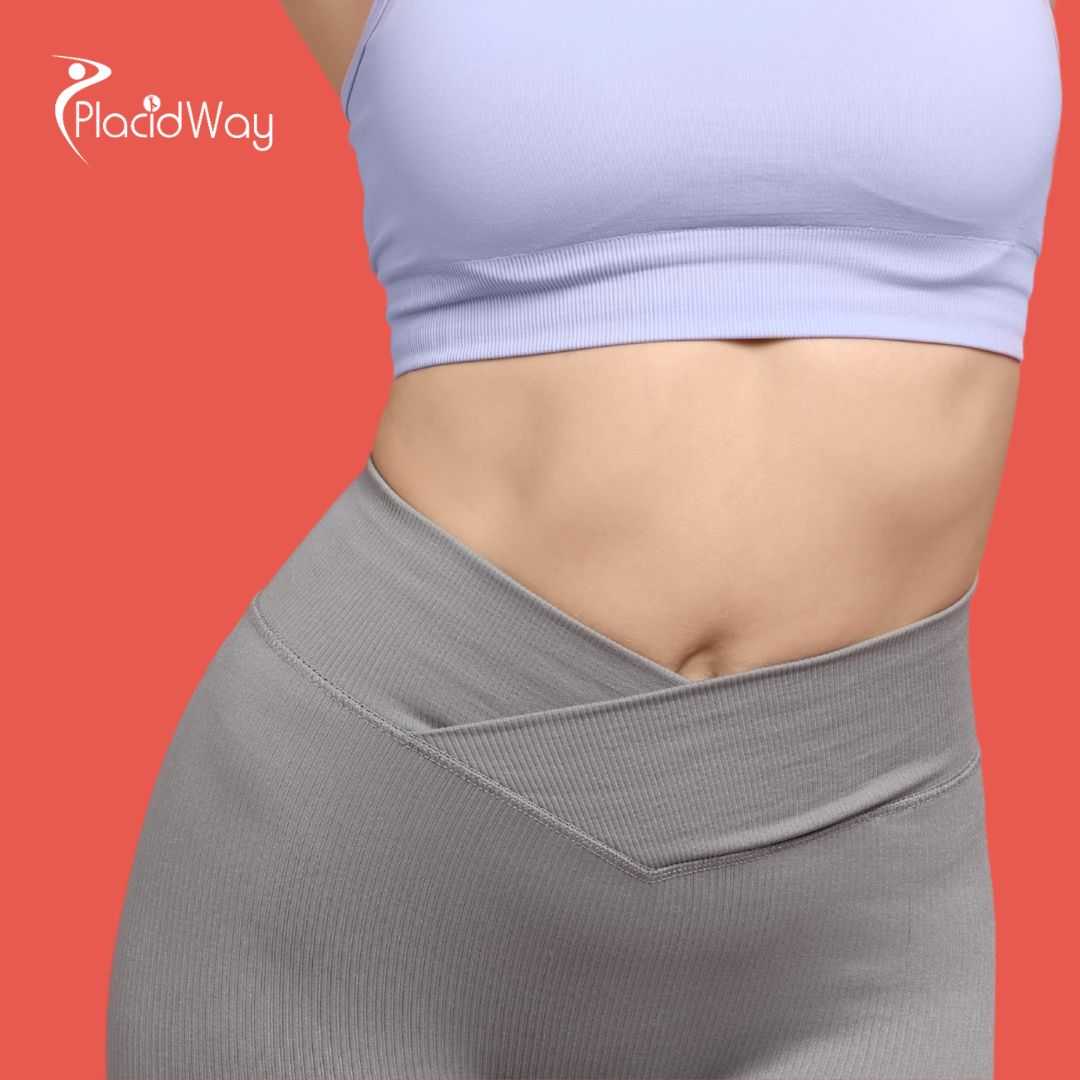
A tummy tuck is not a weight-loss surgery. It is a highly effective body contouring procedure designed to fix structural issues that diet and exercise simply cannot touch. If your abdominal muscles have separated due to pregnancy (a condition called diastasis recti), doing crunches will actually make the bulging worse. Surgery is the only physical way to stitch those muscles back together.
Here is exactly how the procedure works in plain language:
- Anesthesia: You are comfortably put under general anesthesia by a specialized anesthesiologist. You will not feel or remember a thing.
- The Incision: The surgeon makes a horizontal incision between your pubic hairline and belly button. The length depends on how much skin needs removing, but it is strategically placed to be hidden by your bikini or underwear line.
- Muscle Repair: The surgeon lifts the skin to access your abdominal muscles, pulling them tightly together and stitching them into a firm, corset-like position. This flattens the stomach and narrows your waist.
- Skin Removal: The remaining skin is pulled downward like a window blind, and the excess is surgically trimmed away.
- Belly Button Repositioning: Because the skin has been pulled tight, a new opening is created for your existing belly button to peek through, ensuring a completely natural look. The incisions are then meticulously closed.
Unlike non-invasive skin tightening lasers that offer minimal improvements, a tummy tuck provides permanent, dramatic, and immediately visible results once the initial swelling subsides.
Why are tummy tucks cheaper in Thailand than Australia, and what are the benefits?
It is totally natural to ask: "If Thailand tummy tuck packages for Australians are so much cheaper, am I getting cheap results?" No. Thailand’s medical system is built to cater to international patients. You are getting top-tier care; the economics of the country are simply vastly different.
- Financial Freedom: Keeping $15,000 AUD in your bank account means you don't have to choose between a family holiday, home renovations, or your own self-care.
- Extended Hospital Care (Health & Safety): In Sydney, you are rushed out of the hospital within 24 to 48 hours to free up expensive bed space. In Thailand, packages routinely include 3 to 4 nights of 24/7 in-patient care. You are monitored constantly during the most critical healing phase.
- Aesthetic Appearance: Thai surgeons perform thousands of body contouring procedures annually, specifically catering to Western body types. They are masters of creating ultra-low, thin incision lines that hide perfectly in swimwear.
- Privacy and Convenience: Recovering at home in Australia means immediately dealing with kids, chores, and visitors while you have drains attached to your abdomen. In Thailand, you recover in a luxury medical hotel where room service, laundry, and nursing check-ins are handled for you.
- Function & Core Strength: Repairing separated muscles cures lower back pain and stress incontinence for many women. It is a functional health upgrade, not just a cosmetic one.
Cost Comparison: Sydney vs. Thailand in 2026
Let’s look at the numbers for 2026. Keep in mind that a Sydney vs Thailand cosmetic surgery comparison isn't just about the surgeon's fee. In Australia, you are hit with separate bills for the surgeon, the hospital theater room, the overnight bed, the anesthesiologist, and even the post-op garments. Thai hospitals bundle everything together so you never face hidden fees.
| Procedure Type | Sydney Price (AUD) | Thailand Price (AUD) | Estimated Savings |
|---|---|---|---|
| Mini Tummy Tuck | $10,000 - $14,000 | $3,500 - $5,000 | 60-65% |
| Full Tummy Tuck (w/ Muscle Repair) | $15,000 - $22,000 | $5,500 - $7,500 | 60-70% |
| Extended Tummy Tuck (Fleur-de-lis) | $18,000 - $25,000+ | $7,000 - $9,000 | 60-65% |
| Mummy Makeover (Tummy + Breasts) | $25,000 - $40,000 | $10,000 - $14,000 | 60-65% |
Why is the cost so radically different? It is entirely about the cost of living and operations. A nurse's salary, hospital leasing fees, malpractice insurance, and administrative overhead in Australia are exponentially higher than in Southeast Asia. Thai hospitals use the exact same surgical tools, same brand-name sutures, and identical anesthesia medications used in Sydney. You are not paying less for cheaper materials; you are paying less because the labor and facility costs in Thailand are highly favorable to the Australian dollar.
Is it safe to get a tummy tuck in Thailand compared to Sydney?
This is the dealbreaker question, isn't it? Will I wake up? Will I get a horrific infection? What if they botch it? These are completely valid fears. The media loves a horror story, but the reality for tens of thousands of Australians who travel each year is one of world-class excellence. The key is knowing tummy tuck success rates in Thailand at verified, premier hospitals versus back-alley clinics.
| Quality Metric | Sydney Hospitals | Premium Thai Hospitals | The Verdict |
|---|---|---|---|
| Hospital Accreditation | ACHS Standards | JCI Standards (Global) | Equally rigorous safety protocols |
| Surgeon Qualifications | FRACS (Plastics) | Board-Certified (ThPRS), often ISAPS | World-class expertise in both |
| Post-Op Infection Rate | 1-3% | 1-3% | Identical statistical outcomes |
| In-Patient Monitoring | Discharged in 1-2 days | Discharged in 3-4 days | Thailand offers safer early recovery |
Here is what you need to know to ease your mind:
- JCI Accreditation is the Gold Standard: If a hospital has a JCI badge, it means international inspectors have audited everything from how they sterilize scalpels to their backup power generators.
- Highly Experienced Surgeons: Many top plastic surgeons in Thailand trained or completed fellowships in the US, UK, or Australia. They perform hundreds of tummy tucks a year—often more than their Australian counterparts.
- Dedicated Infection Control: Because they cater to international guests, premium facilities utilize specialized HEPA-filtered operating theaters to minimize any risk of infection.
- Language is Not a Barrier: You won't be pantomiming your pain. International hospitals employ dedicated, fluent English-speaking coordinators who stay by your side from the consultation to discharge.
What is the tummy tuck recovery time in Thailand?
Recovery is a journey, not a sprint. You are having major abdominal surgery, and you need to respect the healing process. Here is your timeline:
- Days 1-3 (Hospital Phase): You will stay in a private hospital room. Nurses will manage your pain, help you out of bed to walk (crucial for blood flow), and monitor your surgical drains. You will feel tight, sore, and walk slightly hunched over.
- Days 4-14 (Hotel Recovery Phase): You are discharged to a medical partner hotel. You will return to the clinic every few days for check-ups and drain removal. This is a time for movies, room service, and gentle, slow walking.
- Day 15-18 (Flight Home): Your surgeon gives you the green light to fly. You will wear compression garments and should request wheelchair assistance at the airport to avoid straining.
- Months 1-3 (At Home in Australia): Swelling goes down dramatically. You can return to desk work after 3-4 weeks, but avoid heavy lifting or intense gym workouts until the 8-12 week mark.
Crucial Considerations for Your Trip:
- DVT Prevention: Flying carries a risk of Deep Vein Thrombosis (blood clots). You MUST wait the full 14 days before flying home, wear compression socks, and walk the aisles during the flight.
- Bring a Companion: While solo travel is doable, having a partner, mum, or best friend to grab you water or help you stand up during those first 5 days is a game-changer.
- Follow-up Care: Make sure you have a GP back in Australia who knows you went overseas and is happy to remove any lingering stitches or check your scar healing.
Tummy tuck candidate eligibility: Is this right for you?
To ensure your safety and the absolute best aesthetic outcome, surgeons are selective. You must be medically cleared before booking your flights.
You are likely a great candidate if you:
- Are within 5 to 10 kilos of your ideal, stable weight.
- Have excess, drooping abdominal skin that does not shrink with exercise.
- Suffer from diastasis recti (separated abdominal muscles) post-pregnancy.
- Do not smoke, or are willing to quit nicotine completely 6 weeks before and after surgery.
- Have a realistic understanding of the scarring (which fades significantly over a year).
- Are finished having children (future pregnancies can re-stretch the repaired muscles).
You may need to reconsider if you:
- Are actively trying to lose a lot of weight: Lose the weight first, let it stabilize for 6 months, then have the skin removed.
- Are an active smoker: Nicotine constricts blood vessels, drastically increasing the risk of tissue death (necrosis) and horrific scarring. Surgeons will cancel your surgery if you test positive for nicotine.
- Have uncontrolled diabetes: High blood sugar severely impairs wound healing. Your A1C levels must be under strict control.
- Plan to get pregnant in the next year: Wait until your family is complete to protect your investment.
- Have a BMI over 32-35: High body mass indexes elevate anesthesia risks. Most Thai surgeons cap BMI at 30-32 for elective cosmetic surgery.
- Have severe heart or lung conditions: General anesthesia requires strong cardiovascular health.
If you check the right boxes, your next step is a virtual consultation. You can send photos securely to top surgeons in Thailand to get exact quotes and determine which procedure (mini, full, or extended) is best for your body.
Frequently Asked Questions
You probably still have questions buzzing in your head. When considering an affordable tummy tuck overseas, you need absolute clarity. Here are the most common questions Australians ask when planning their medical travel.
How much can Australians save on a tummy tuck in Thailand vs. Sydney in 2026?
Australians can expect to save $8,000 to $15,000 AUD on a tummy tuck in Thailand compared to Sydney. In 2026, a full abdominoplasty in Sydney costs between $15,000 and $25,000 AUD, while a premium package in Thailand averages $5,500 to $8,500 AUD.
Are tummy tucks in Thailand as safe as those in Sydney?
Yes, when performed at internationally accredited (JCI) hospitals by board-certified plastic surgeons. Success rates are virtually identical at 96-98%. The lower cost reflects lower local wages and hospital overhead, not a compromise on safety or technology.
What is the recovery time for a tummy tuck in Thailand?
You will spend 2-3 nights recovering in the hospital, followed by 10-14 days resting at a recovery hotel in Thailand before flying home. Full internal healing and fading of scars will take 6 to 12 months.
What happens if complications arise after my tummy tuck?
Top-tier Thai hospitals provide comprehensive warranties that cover revision surgeries if clinically necessary. Most minor complications, like delayed wound healing, are managed before you fly home. Once in Australia, your local GP can monitor your progress.
Can I get a tummy tuck in Thailand if I have experienced major weight loss?
Absolutely. Massive weight loss patients are excellent candidates for an extended tummy tuck (fleur-de-lis) to remove excess skin. A surgical consultation will determine the exact technique needed to contour your new shape.
Which locations in Thailand are best for cosmetic surgery?
Bangkok and Phuket are the premier destinations for Australian medical tourists. Bangkok offers the largest selection of world-class JCI-accredited hospitals, while Phuket is preferred by those who want a tranquil, resort-style recovery.
Will my Australian GP help with follow-up care?
Yes, most Australian GPs are happy to provide post-operative care, such as checking incisions and monitoring healing, provided you bring a detailed surgical report and discharge summary from your Thai surgical team.
How do I verify a hospital's quality in Thailand without knowing specific clinics?
Look for the Joint Commission International (JCI) gold seal of approval. JCI accreditation means the facility meets the same stringent safety, hygiene, and emergency protocols as top-tier hospitals in Australia and the United States.
Is it safe to travel solo to Thailand for abdominoplasty?
Yes, many Australians travel solo for medical tourism. Reputable hospital packages include airport transfers, a dedicated English-speaking liaison, and 24/7 nursing care during your hospital stay, ensuring you are never truly alone.
How many trips to Thailand will I need for a tummy tuck?
You only need one trip. The consultation, pre-op tests, surgery, and 14-day initial recovery period are all completed during a single visit lasting approximately 2.5 to 3 weeks.
Can I use Australian medical financing for surgery in Thailand?
While you cannot use Medicare or standard private health insurance for overseas cosmetic surgery, many Australians use personal loans, early release of superannuation (if medically justified for physical pain), or specialized medical travel financing companies.
Ready to Regain Your Confidence?
References?
- American Society of Plastic Surgeons. "Tummy Tuck Cost Data and Insurance Considerations."
- PlacidWay Medical Tourism. "Cost and Details of Tummy Tuck in Thailand."






.png)
.jpg)

.png)
.jpg)
.png)
.png)












Share this listing