


Travel Options for Russian Orthopedic Patients Heading to China
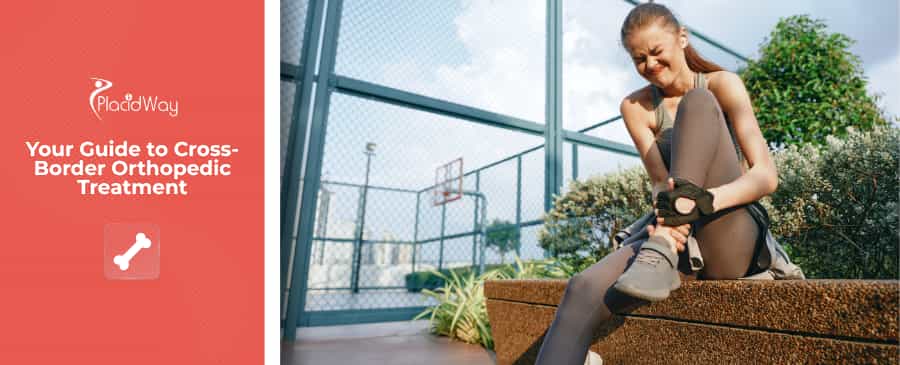
Living with chronic joint pain changes everything. You know exactly what I am talking about if you are currently struggling to walk up a flight of stairs or if a simple trip to the grocery store in Khabarovsk leaves you exhausted and in pain. Perhaps your doctor has told you that you need a knee or hip replacement, but the public healthcare waiting list stretches years into the future. Going private in western Russia or Europe? That could drain your life savings.
You might be feeling frustrated, anxious, and stuck. But what if the solution was just a short journey across the border? Finding out exactly How Do Russian Patients from Khabarovsk Travel to Northeast China for Orthopedic Treatment has become a priority for hundreds of families seeking relief. It sounds intimidating to go to a foreign country for major surgery, especially when you do not speak the language. Will you be safe? Will the implants last? In this guide, I will walk you through the entire process, answering your deepest fears with honest facts so you can finally get back to moving without pain.
Quick Facts: Orthopedic Surgery in Northeast China
What is orthopedic surgery in China like for foreigners?
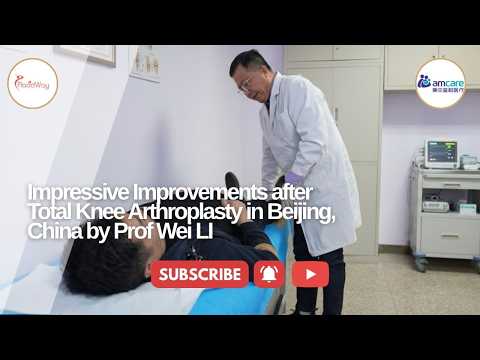
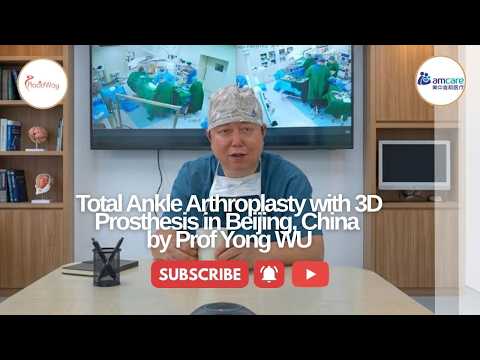
When we talk about orthopedic treatment in Northeast China, we are mostly discussing major joint replacement surgeries (arthroplasty) for the knee or hip, as well as spinal procedures. When osteoarthritis wears away the protective cartilage in your joints, bones rub against bones. The surgery removes those damaged surfaces and replaces them with medical-grade metal and plastic components.
Here is how the medical tourism journey unfolds step-by-step:
- Pre-arrival planning: You send your X-rays and MRI scans from Khabarovsk to the Chinese hospital. A surgical team reviews them and provides a concrete treatment plan and cost estimate before you ever pack a bag.
- Arrival and preparation: You are picked up at the airport or train station by a Russian-speaking coordinator. Within 24 to 48 hours, comprehensive blood tests, EKGs, and fresh imaging are completed to ensure you are healthy enough for surgery.
- The surgery: Under regional or general anesthesia, the orthopedic surgeon meticulously places your new implant. The procedure usually takes 1.5 to 2 hours.
- Inpatient rehabilitation: Unlike in many Western countries where you are sent home the next day, Chinese hospitals keep you inpatient for 10 to 14 days. You undergo daily, intensive physical therapy under strict medical supervision to guarantee your joint heals correctly.
- Return home safely: You are discharged with translated medical documents and physical therapy instructions, traveling back across the border ready to start your new, pain-free life.
The biggest benefit over staying home is combining the surgical precision of global implants with the intensive, guided recovery only an extended hospital stay provides.
Why choose Northeast China for joint replacement surgery?
- Speed (No Waitlists): Public quotas in Russia can delay joint replacements for years. In Harbin or Shenyang, your surgery is scheduled at your convenience, usually within weeks of your initial inquiry.
- Geographical Convenience: Traveling to Moscow, South Korea, or Europe requires long flights and jet lag. Harbin is practically in your backyard. The short travel time reduces the risk of blood clots after surgery.
- Access to Premium Materials: Due to shifting geopolitical supply chains, accessing specific premium Western joint implants (like those from Zimmer Biomet or Stryker) can be difficult or very expensive at home. Chinese elite hospitals stock these globally recognized brands.
- Inpatient Rehabilitation: The Chinese medical model keeps you in the hospital for 10 to 14 days post-surgery. You receive physical therapy twice a day, acupuncture for pain management, and constant nursing care, leading to faster, safer recoveries.
- Language Support: Because Northeast China shares a border with Russia, major hospitals have specialized international departments with full-time, medical-fluent Russian translators who stay by your side.
Cost Comparison: Khabarovsk vs. Northeast China
Let us look at the financial reality. While free public healthcare exists in Russia, the agonizing wait times push many to seek private options. When you compare private, out-of-pocket costs, traveling to China becomes highly attractive.
| Procedure | Private Clinic (Russia/Europe) | Northeast China | Estimated Savings |
|---|---|---|---|
| Total Knee Replacement | $7,000 - $12,000 | $4,500 - $6,500 | 35% - 45% |
| Total Hip Replacement | $8,000 - $13,000 | $5,000 - $7,000 | 35% - 45% |
| Spinal Decompression/Fusion | $10,000 - $18,000 | $6,000 - $9,000 | 40% - 50% |
| Knee Arthroscopy | $2,500 - $4,500 | $1,500 - $2,500 | 40% - 45% |
Why is the pricing so different? It is important to know that you are not getting cheaper, inferior materials. A Zimmer knee implant costs roughly the same globally. The savings come from the economic structure of Chinese healthcare: lower overhead costs for the facility, lower administrative costs, and highly subsidized hospital infrastructure. You get first-world medical technology powered by more affordable operational costs.
Is orthopedic treatment in Northeast China safe for Russian patients?
It is entirely normal to be nervous about medical safety in a foreign environment. Let's address those fears directly by comparing quality metrics.
| Quality Metric | Russian Standards | Chinese Standards | Notes |
|---|---|---|---|
| Prosthetic Materials | Domestic/Imported mixes | Top imported brands (Zimmer, Johnson & Johnson) | China ensures steady access to premium Western implants. |
| Surgical Volume | Moderate | Extremely High | Chinese surgeons perform vast numbers of surgeries, maximizing their skill. |
| Infection Rate | 1% - 3% | 1% - 2% | Both meet strict global benchmarks. |
| Post-Op Care | Often discharged quickly | 10-14 day inpatient rehab | Longer hospitalization in China prevents early complications. |
Here is why you can feel secure:
- High-volume experience: Top orthopedic surgeons in Harbin and Shenyang perform hundreds of joint replacements annually. In surgery, repetition builds perfection.
- No communication gaps: Your dedicated Russian medical translator ensures that every question you have is answered and every instruction from the doctor is perfectly understood.
- Extensive screening: The Chinese medical protocol is notoriously thorough. They will check your heart, lungs, and blood chemistry deeply before clearing you for surgery, drastically reducing unexpected complications.
When you choose a well-reviewed, Grade 3A public hospital or a specialized international orthopedic center, you are in world-class hands.
Timeline for traveling from Khabarovsk to China for orthopedic care
Unlike dental procedures that might require multiple border crossings, major joint replacements are almost always completed in a single, extended stay. Here is your timeline:
- Pre-travel Phase (1-2 weeks): Secure your medical visa (hospitals provide the invitation letter) and book your train or flight. Your surgical plan is already approved via remote consultation.
- Days 1-2 (In China): Arrival, hospital admission, translator introduction, and comprehensive pre-operative testing.
- Day 3: Surgery day. You will wake up with your new joint and comprehensive pain management.
- Days 4-14: The intensive rehabilitation phase. You will stay in the hospital, learning to walk, bend, and use your new joint safely with daily physical therapy.
- Day 15+: Discharge and travel home. You will be walking (with a cane or crutches) and fit to travel back to Khabarovsk.
Crucial travel considerations:
- Travel Method: Returning by train can sometimes be more comfortable than flying because you can stretch your legs, though direct flights are faster. Discuss this with your surgeon.
- Follow-up: Ask the Chinese clinic for a digital copy of all X-rays and surgical reports in Russian or English to give to your doctor in Khabarovsk.
- Visas: Medical visas are typically straightforward when you have a formal invitation letter from a verified Chinese hospital.
Who is a good candidate for knee or hip surgery in China?
Medical tourism is a big decision. Let us determine if you are ready to take this step.
You are likely a great candidate if you:
- Have been diagnosed with severe osteoarthritis or rheumatoid arthritis in the knee or hip.
- Experience daily pain that prevents you from sleeping, walking, or enjoying life.
- Are facing a 1-to-2-year waitlist in the Russian public health system.
- Have a relatively stable heart and lung condition (cleared for general or spinal anesthesia).
- Are willing to travel 1.5 to 3 hours across the border to Harbin or a nearby city.
- Are committed to doing the physical therapy required for a successful recovery.
You may need to reconsider if you have:
- Severe, unmanaged heart disease: High surgical risk makes international travel inadvisable.
- Active infections: Any active bacterial infection must be completely resolved before joint surgery.
- Uncontrolled diabetes: Blood sugar must be stabilized to ensure proper wound healing.
- Severe obesity: BMI over 40 can complicate surgery and increase implant failure rates; doctors will evaluate this case-by-case.
- Inability to travel safely: If your mobility is so restricted that a train or short flight is impossible, local care is necessary.
- Need for free care: Cross-border treatments are strictly out-of-pocket and not covered by standard Russian OMC.
If you meet the criteria, your best next step is sending your recent X-rays for a free preliminary evaluation. That costs nothing and gives you options.
Frequently Asked Questions
We know you have specific concerns about organizing medical care in a foreign country. Here are the most common questions families in Khabarovsk ask before booking their orthopedic procedures in Northeast China.
How much does orthopedic surgery cost in Northeast China compared to private clinics in Russia?
Private joint replacement in Northeast China typically costs $4,000 to $7,000. Similar private procedures with western implants in Russia can cost $7,000 to $10,000+, representing a 30% to 50% savings, without the multi-year waitlists of public healthcare.
Is orthopedic treatment in Northeast China better quality?
Northeast Chinese hospitals offer world-class quality, utilizing the exact same FDA-approved and CE-marked implants (like Zimmer or DePuy) as top European or US hospitals. Success rates mirror global standards at 95-98%. The advantage lies in immediate access and intense rehab.
What is the recovery time for joint replacement surgery?
You will typically start walking with assistance within 24-48 hours. Most patients stay in the Chinese hospital for 10-14 days for intensive, daily rehabilitation before traveling back to Khabarovsk. Full recovery takes 3 to 6 months.
What are the risks or potential complications of orthopedic surgery abroad?
Complications are rare (1-3%) but can include infection or blood clots, identical to risks at home. Chinese hospitals mitigate this with strict international sterilization protocols and comprehensive pre-surgery health screenings to ensure your heart and lungs are strong enough.
Can I get surgery in China if I have severe osteoarthritis or bone loss?
Yes. Specialized orthopedic departments handle complex cases, including severe osteoarthritis and bone degradation. Advanced imaging and custom prosthetics ensure a precise fit even with compromised bone structure.
Which cities in Northeast China are best for Russian patients?
Harbin, Shenyang, and Dalian are the top destinations. They have dedicated international medical departments, direct transport links from Khabarovsk, and full-time Russian-speaking medical translators on staff who understand cross-border logistics.
How will I handle follow-up care once I return to Khabarovsk?
Chinese hospitals provide translated medical records, X-rays, and rehabilitation guidelines. You can share these with your local orthopedist in Khabarovsk for routine check-ups. Telemedicine follow-ups with your Chinese surgeon are also common.
How do I know if a Chinese hospital is reputable and verified?
Look for JCI (Joint Commission International) accreditation or elite Grade 3A national hospital status. Reputable providers will gladly share surgeon credentials, implant brand certificates, and transparent pricing in advance before you make any deposits.
Is it safe to travel from Khabarovsk to China for surgery alone?
Yes, many patients travel alone because the hospitals provide full concierge services, including airport pickup, visa help, and dedicated inpatient nursing. However, bringing a family member can provide emotional support and help with luggage on the journey home.
How many trips across the border will I need to make?
For major orthopedic procedures like hip or knee replacement, you only need one trip. You will stay for 14 to 21 days to complete the surgery and initial physical therapy before returning home safely.
Do Chinese hospitals offer financing or accept Russian medical insurance?
Most international patients pay out-of-pocket, as Russian mandatory health insurance (OMC) does not cover cross-border care. Payments are typically made via bank transfer or cash. The upfront costs are highly competitive, making financing less necessary.
Ready to Walk Without Pain Again?
References
- American Academy of Orthopaedic Surgeons. "Total Knee Replacement Outcomes and Success Rates."
- World Health Organization (WHO). "Global Guidelines on Osteoarthritis Management."
- Joint Commission International. "Global Hospital Accreditation Standards."
- National Center for Biotechnology Information (NCBI). "Postoperative Rehabilitation Protocols for Joint Arthroplasty."
- PlacidWay Medical Tourism. "Benefits of Medical Tourism and Cost Analyses"
.png)




.png)
.png)
.png)



.png)













Share this listing