


Getting Spinal Stenosis Treatment in Germany From Kazakhstan
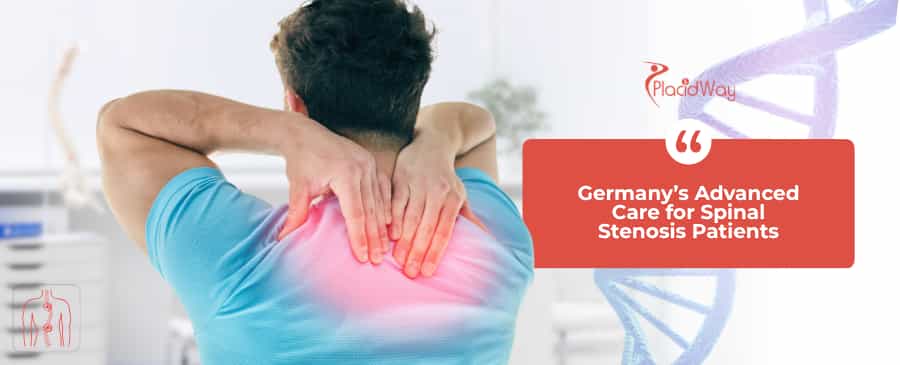
If you are living with spinal stenosis, you know the quiet devastation of this condition. The sharp, shooting pain down your legs. The numbness that makes you stumble. The way your world shrinks because you can only walk a few blocks before you have to sit down and rest. You are tired of relying on painkillers, and you are terrified of losing your independence. You want your life back.
You have likely looked into local options, but perhaps you feel uneasy about the available technology, or you have been told your case is "too complex." The idea of traveling abroad for spine surgery feels overwhelming. How can patients from Kazakhstan get spinal stenosis treatment in Germany in 2026? Is it really worth the flight, the visa paperwork, and the unfamiliar environment? This guide is written specifically for you. I understand the anxiety of trusting your spine to a foreign medical system. I promise to give you honest, actionable, and clear information so you can make a confident decision about your health and your future.
Quick Facts: Premium Spine Care (Kazakhstan vs Germany)
What Exactly Is Spinal Stenosis Surgery and How Does It Work?
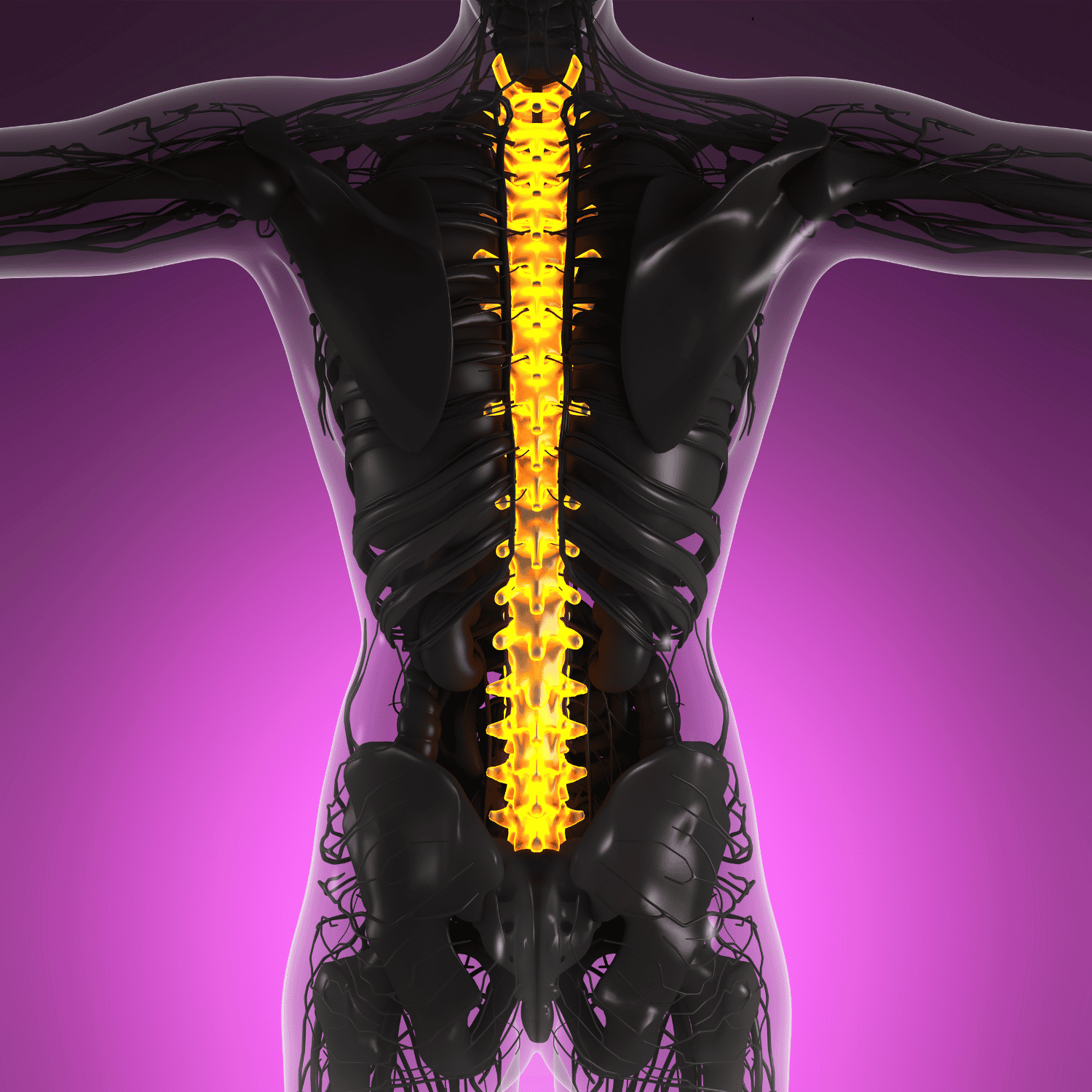
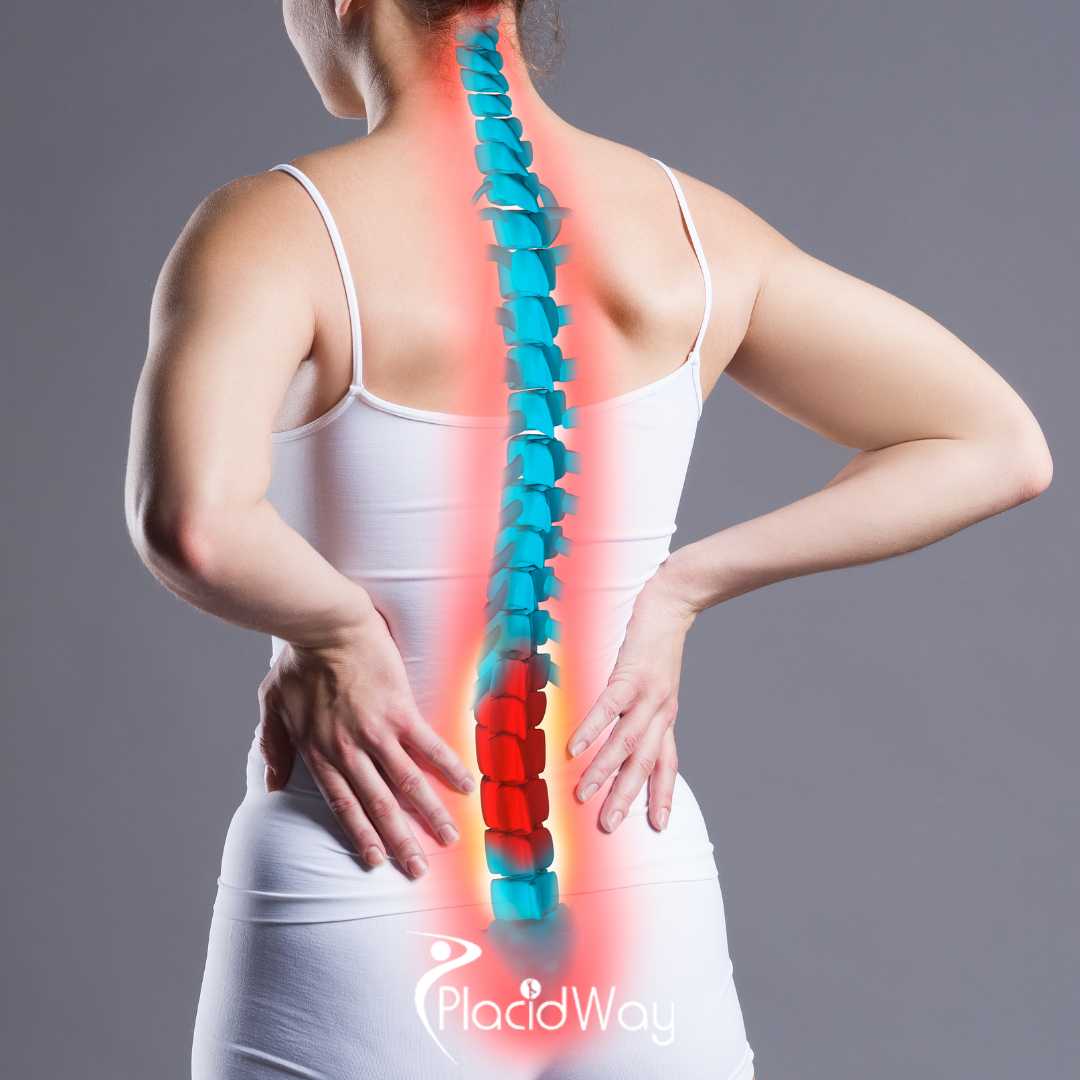
Spinal stenosis means the spaces within your spine have narrowed, putting severe pressure on the nerves that travel through your back. Think of it like a ring that has become too tight on your finger; the pressure cuts off circulation and causes immense pain. Surgery is designed to remove that pressure.
Here is how the German medical approach unfolds:
- High-Definition Mapping: Before anything happens, doctors use 3D MRI and CT scans to map the exact millimeter of nerve compression.
- Micro-Incision: Instead of a massive cut, the surgeon makes a tiny incision (often less than an inch) using specialized tubular retractors that gently push muscles aside rather than cutting them.
- Decompression (Laminectomy/Foraminotomy): Using a surgical microscope, the doctor carefully shaves away the bone spurs or thickened ligaments that are crushing your nerves.
- Stabilization (If needed): If your spine is unstable, they may perform a fusion using premium titanium screws to lock the vertebrae together, ensuring the pain never returns.
- Immediate Mobilization: Because muscle damage is minimal, German protocols require you to stand up and walk (with assistance) within 24 hours to promote blood flow and healing.
Unlike traditional open back surgery, which requires months of painful recovery and leaves a large scar, German microsurgery preserves your anatomy. This means you return to walking, driving, and living much faster, with significantly less post-operative pain.
Why Choose Spinal Stenosis Surgery in Germany over Local Alternatives?
- Minimally Invasive Mastery: German surgeons perform thousands of these specific micro-surgeries yearly. They don't just "do back surgery"—they specialize exclusively in nerve decompression.
- Pioneering Technology: German hospitals utilize intraoperative neuromonitoring (checking nerve health in real-time during surgery) and O-arm 3D imaging to ensure flawless precision.
- Faster Recovery: Because they gently dilate muscles rather than slicing through them, your body heals weeks faster. You can usually fly home in 14-21 days.
- Comprehensive Rehabilitation: Surgery is only half the battle. Germany integrates world-class physiotherapy immediately post-op, ensuring you rebuild core strength before you even board your flight back to Kazakhstan.
- Infection Control: Germany enforces DIN EN ISO sterilization standards, resulting in some of the lowest hospital-acquired infection rates on the planet (under 2%).
What is the cost of spine surgery in Germany compared to Kazakhstan?
Let us talk openly about money. Many people assume traveling to Europe will be astronomically expensive. But when you compare apples to apples—meaning you compare top-tier German care to the highest level of private care in Kazakhstan using imported materials—the math tells a different story.
| Procedure | Kazakhstan (Premium Private) | Germany (Direct) | Savings / Value |
|---|---|---|---|
| Microscopic Decompression | $12,000-$18,000 | $10,000-$15,000 | 15-20% |
| Decompression with Spinal Fusion | $25,000-$35,000 | $18,000-$25,000 | 25-30% |
| Post-Op Inpatient Rehab (10 days) | $4,000-$6,000 | $3,500-$5,000 | 10-15% |
| Complex Revision Surgery | $30,000+ | $22,000-$28,000 | 20-25% |
Why is Germany often more cost-effective for premium care? In Kazakhstan, accessing truly world-class spine surgery means going to exclusive private hospitals that have to import German titanium hardware, highly specialized equipment, and sometimes even fly in foreign experts. These heavy import taxes and middlemen markups are passed directly to you. In Germany, the cutting-edge technology and materials are produced domestically. You are paying direct, highly regulated medical fees without the astronomical import markups. You get better care for your money.
Is it safe to travel to Germany for spine surgery from Kazakhstan?
Fear of the unknown is completely natural. You are trusting an international medical team with your spine. But Germany is renowned precisely because they engineer their healthcare system with the same rigorous precision as their automotive industry. Let us look at the safety metrics so you can rest easy.
| Quality Metric | Standard Care at Home | German Spine Clinics | Notes |
|---|---|---|---|
| Surgical approach | Often open surgery | 100% Microsurgical/Tubular | German methods protect muscle tissue |
| Implant Quality | Mixed origins | CE-certified German Titanium | No counterfeit materials |
| Real-time monitoring | Varies by hospital | Continuous Neuromonitoring | Prevents accidental nerve damage |
| Surgeon Specialization | General Orthopedics | Board-Certified Neurosurgeons | They only operate on spines |
Here is what guarantees your safety:
- Strict Accreditations: Clinics must pass rigorous KTQ (Cooperation for Transparency and Quality in Healthcare) and DIN ISO certifications. You are not walking into a poorly regulated facility.
- No Language Barrier Risks: Top clinics provide dedicated Russian or English medical interpreters who stay by your side from consultation through discharge.
- Nerve Protection: With continuous intraoperative neuromonitoring, a machine constantly checks your nerve signals during surgery. If a tool gets too close to a critical nerve, the surgeon is alerted instantly.
- Intensive Care Backup: While complications are rare, you are in a massive, fully equipped hospital with a dedicated ICU, not a standalone day-clinic.
Your next step is ensuring you choose a facility that caters specifically to international patients. They know exactly how to handle your travel needs safely.
What is the timeline for spine surgery in Germany for foreign patients?
Planning is everything. Here is exactly what your journey from Kazakhstan to Germany will look like:
- Remote Consultation (At home): You send your MRI scans electronically. A German neurosurgeon reviews them and provides a detailed treatment plan and cost estimate.
- Medical Visa Application (4-6 weeks): Once you pay the clinic's deposit, they issue an official invitation letter. You use this to apply for your Schengen medical visa at the embassy in Astana or Almaty.
- Arrival & Pre-Op (Days 1-2): You fly to Germany. The clinic performs fresh blood work, an ECG, and high-resolution imaging to finalize the surgical plan.
- Surgery & Hospital Stay (Days 3-8): The procedure takes 1-3 hours. You will stay in a comfortable hospital room for up to a week, monitored closely by nurses.
- In-Patient Rehabilitation (Days 9-21): This is crucial. You move to a specialized rehab wing or nearby facility where physiotherapists teach you how to move, bend, and strengthen your back safely.
Important considerations to plan for:
- Medical Visa to Germany from Kazakhstan: Start this process early. You must prove you have the funds to cover the surgery and your stay.
- Travel Companion: Bring a spouse or family member. While the clinic staff will care for you, having emotional support and someone to handle luggage at the airport is essential.
- Translation Documents: Ensure the clinic provides your final discharge papers and surgical notes translated into Russian or English for your doctor back home.
- Flight Accommodations: Book a premium economy or business class seat for the flight back to Kazakhstan. You will need the extra legroom and recline to protect your healing spine.
Are You a Good Candidate for German Spine Surgery?
Not every back ache requires surgery. German doctors are famously conservative; they will not operate unless it is truly medically necessary and beneficial for you.
You are likely a great candidate if you have:
- An MRI officially diagnosing spinal stenosis.
- Pain, cramping, or weakness in your legs when walking or standing (neurogenic claudication).
- Relief from pain when you sit down or lean forward (like over a shopping cart).
- Tried conservative treatments (physical therapy, steroid injections) for 3-6 months with no improvement.
- A decline in your quality of life, preventing you from doing daily activities.
- Good general health to withstand anesthesia.
You may need to reconsider or undergo special preparation if you have:
- Severe untreated osteoporosis: Bone density loss can make placing screws difficult, though German specialists use bone cement augmentation to overcome this in many cases.
- Active infections: Any systemic infection must be completely cleared before surgery.
- Severe heart or lung disease: This significantly increases the risk of general anesthesia. Your cardiologist must clear you.
- Obesity: A very high BMI complicates minimally invasive approaches and slows recovery. You may be asked to lose weight first.
- Pain isolated ONLY to the back: Stenosis surgery is best for relieving leg pain and nerve pressure. General lower back pain is harder to cure with decompression alone.
- Unrealistic expectations: Surgery relieves nerve pressure, but it does not give you the spine of a 20-year-old. You must be willing to commit to post-op physical therapy.
If you are unsure where you stand, the smartest next step is to request a remote evaluation of your MRI. A professional opinion costs nothing but can give you immense clarity.
Frequently Asked Questions
Navigating international healthcare brings up a lot of specific concerns. We have compiled the most urgent questions patients from Kazakhstan ask regarding costs, quality, logistics, and recovery so you have zero surprises.
What is the cost of spinal stenosis surgery in Germany compared to Kazakhstan?
Premium private spinal stenosis surgery in Kazakhstan using imported European hardware can cost $22,000 to $30,000. In Germany, direct treatment costs $15,000 to $22,000. By going directly to the source, you save 20-30% while receiving world-class care.
Is the quality of spine surgery in Germany better than at home?
Yes. German spine clinics for international patients are globally renowned. They utilize advanced robotics, 3D intraoperative imaging, and minimally invasive techniques that result in a 96-98% long-term success rate, compared to a broader variance at home.
What is the recovery time for spinal stenosis surgery in Germany?
With minimally invasive techniques, you are usually walking the day after surgery. Hospital stay is 3-7 days. Most patients undergo 1-2 weeks of specialized rehabilitation in Germany before flying home. Full recovery takes 6-12 weeks.
What happens if there are complications during my spine treatment?
Germany has one of the lowest complication rates globally (under 2%). If issues arise, German hospitals have comprehensive intensive care units. Reputable international patient centers provide warranties on the surgical hardware and coordinate with your local doctor for continued monitoring.
Can I get spinal implants in Germany if I have severe bone loss or osteoporosis?
Yes. German spine specialists use specialized pedicle screws and bone cement augmentation techniques tailored for patients with low bone density. A pre-surgery DEXA and MRI scan will determine the safest approach for your bone health.
What are the best locations in Germany for spine treatment?
Munich, Berlin, Frankfurt, and Heidelberg are the premier medical hubs. These cities host specialized neurological and orthopedic centers equipped to handle international patients from Kazakhstan, including dedicated translation services.
Will my local doctor in Kazakhstan provide follow-up care?
Yes. German clinics provide detailed surgical reports, MRI scans, and rehabilitation protocols translated into Russian or English. You simply hand this comprehensive discharge portfolio to your local neurologist or orthopedist for seamless follow-up.
How do I verify if a German spine clinic is reputable?
Look for DIN EN ISO 9001 certification, high volume of international patients, KTQ (Cooperation for Transparency and Quality in Healthcare) accreditation, and board-certified neurosurgeons. Reputable clinics provide transparent, itemized cost estimates.
Is it safe to travel to Germany for spine surgery alone?
While Germany is incredibly safe, we strongly recommend traveling with a companion for spine surgery. You will need help managing luggage and navigating airports during your journey back to Kazakhstan while you are still healing.
How many trips to Germany will I need for spinal stenosis treatment?
You typically only need one trip. The journey lasts 2 to 3 weeks, encompassing your pre-operative consultation, the surgery itself, and intensive post-operative rehabilitation before you are cleared to fly back to Kazakhstan.
Can I finance spinal stenosis surgery in Germany?
Most German clinics require an upfront deposit before issuing a medical visa invitation letter. While German clinics do not typically offer financing to international patients, many patients secure personal medical loans through banks in Kazakhstan.
How do I get a medical visa to Germany from Kazakhstan?
You need a Schengen Medical Visa. The German clinic will provide an official invitation letter after you pay the treatment deposit. You submit this, along with your medical records and proof of funds, to the German embassy in Astana or consulate in Almaty.
Ready to Walk Without Pain Again?
References
- American Academy of Orthopaedic Surgeons. "Lumbar Spinal Stenosis."
- PlacidWay Medical Tourism. "Best Spine Surgery Centers in Germany"
.png)



.png)










Share this listing