
IVF Access Rules in Turkey for Gulf Couples

Struggling to conceive is one of the heaviest burdens a couple can carry. Month after month of negative tests can leave you feeling exhausted, isolated, and heartbroken. If you live in the UAE or Saudi Arabia, that emotional toll is often compounded by a massive financial one. The cost of advanced reproductive medicine in the Gulf can drain your life savings before you even see a positive result, leaving you wondering if your dream of parenthood is slipping away.
If you are searching for an answer to the question, is IVF in Turkey allowed for married couples from Saudi Arabia and the UAE?, I want you to take a deep breath. You are not alone, and you have excellent options. Many Arab couples look toward Turkey as a beacon of hope a place that offers advanced medical technology, deep respect for privacy, and prices that will not put you in debt. Naturally, you might be worried about the IVF laws in Turkey for foreigners. You need to know if the clinics are safe, what legal documents are required, and if you will truly be cared for. This guide is your roadmap. I promise to give you honest, clear, and reassuring information so you can make the best decision for your future family.
Quick Facts: IVF in UAE/KSA vs. Turkey
What Is IVF in Turkey for Arab Couples, and How Does It Work?
IVF, or In Vitro Fertilization, is the most effective form of assisted reproductive technology available today. Rather than waiting for fertilization to happen naturally inside the fallopian tubes, the process is carefully guided by embryologists in a highly controlled, sterile laboratory setting. For couples from the Middle East, IVF in Turkey offers an escape from the overwhelming financial pressure at home, without sacrificing an ounce of medical quality.
Here is a plain-language look at how the 4-step process unfolds:
- Ovarian Stimulation: For about 10 to 12 days, you will take hormone injections to encourage your ovaries to produce multiple mature eggs, rather than just the single egg usually produced each month.
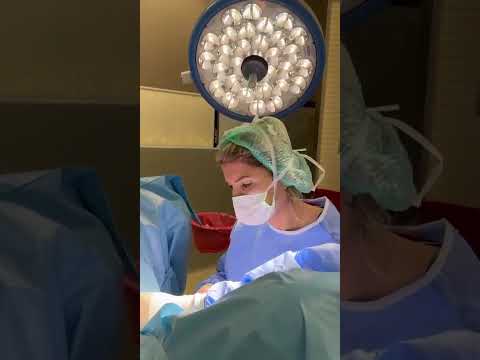
- Egg Retrieval: While you are under a light, comfortable sedation, the doctor uses a fine needle to gently collect the eggs from your ovaries. This takes about 15 to 20 minutes, and you will not feel any pain.
- Fertilization (ICSI): Your husband provides a sperm sample. In Turkey, Intracytoplasmic Sperm Injection (ICSI) is standard. The embryologist selects the absolute healthiest sperm and injects one directly into each egg to maximize the chance of fertilization.
- Embryo Transfer: After 3 to 5 days of careful monitoring in the lab incubator, the strongest, highest-quality embryo is gently placed into your uterus using a thin, flexible catheter. The remaining viable embryos can be frozen for the future.
Compared to basic alternatives like IUI (Artificial Insemination), IVF offers significantly higher success rates, especially if you are dealing with male factor infertility, blocked tubes, or unexplained infertility. It takes the guesswork out of conception.
Why Do Saudi Couples Get IVF in Turkey Instead of Staying Home?
- Incredible Cost Savings: You can undergo two or even three full IVF cycles in Turkey for the price of a single cycle in Dubai, Abu Dhabi, or Riyadh.
- Advanced European Standards: Turkish fertility labs use the exact same incubators, electronic witnessing systems, and genetic testing protocols found in top London or New York clinics.
- Strict Privacy and Discretion: Infertility can carry a social stigma in parts of the Gulf. Traveling to Turkey gives you the privacy to undergo treatment without neighbors or extended family asking questions.
- Zero Wait Times: Private Turkish clinics cater specifically to medical tourists. You do not have to wait months for an appointment; you plan your cycle around your menstrual calendar and your schedule.
- Stress-Free Environment: Stress negatively impacts fertility. Instead of juggling work and clinical visits, you spend your two weeks relaxing by the Bosphorus in Istanbul or the coast of Antalya, focusing entirely on your health.
Cost Comparison: IVF in Turkey vs. UAE and Saudi Arabia
Let us look at the real numbers. When you are paying out of pocket because insurance rarely covers IVF in the Gulf—every dollar matters. Understanding the IVF cost Turkey vs UAE helps you realize why so many couples make the trip.
| Procedure | UAE / Saudi Arabia Price | Turkey Price | Your Savings |
|---|---|---|---|
| Standard IVF + ICSI Cycle | $8,000 - $12,000 | $2,500 - $3,500 | 65 - 75% |
| PGT-A Genetic Testing (per embryo) | $500 - $800 | $250 - $400 | 50% |
| Frozen Embryo Transfer (FET) | $2,500 - $4,000 | $800 - $1,200 | 65 - 70% |
| Egg Freezing (Oocyte Cryopreservation) | $5,000 - $8,000 | $2,000 - $3,000 | 60% |
| Fertility Medications (Estimated) | $2,000 - $4,000 | $800 - $1,500 | 60% |
Why are the prices so vastly different? It has absolutely nothing to do with the quality of medical care or the technology used. The cost differences stem entirely from economics: the exchange rate between the Turkish Lira and foreign currencies, lower operational overhead (rent, utilities), and differences in general medical salaries. The laboratory culture media, the ultrasound machines, and the incubator brands used in Turkey are identical to those used in the finest clinics in Dubai.
Are IVF Regulations in Turkey for UAE Expats and Gulf Citizens Safe?
It is perfectly normal to feel anxious about receiving medical care abroad. You might wonder, "What if they mix up my embryos?" or "What if the hygiene standards are lower?" Let me put those fears to rest. The legal requirements for IVF in Turkey were designed specifically to protect patients and uphold the sanctity of the family unit.
| Quality Metric | Home Country (UAE/KSA) | Turkey | Notes |
|---|---|---|---|
| Legal Framework | Must be legally married | Must be legally married | Both require marriage certificate |
| Sperm/Egg Donation | Strictly Illegal | Strictly Illegal | Ensures 100% biological lineage |
| Lab Security Systems | Standard tracking | RFID Electronic Witnessing | Zero chance of sample mix-ups in Turkey |
| Doctor Qualifications | Highly regulated | Highly regulated (often Western-trained) | World-renowned reproductive endocrinologists |
| Gender Selection | Allowed in some areas | Illegal for non-medical reasons | PGT used for disease screening only |
Here are the key safety facts that will give you peace of mind:
- Biological Security: Turkish law prohibits any form of sperm, egg, or embryo donation. Your child is guaranteed to be 100% biologically yours.
- Electronic Witnessing: The best locations for IVF in Turkey utilize RFID chips attached to your sample tubes and dishes. If samples that do not belong to you are brought near each other, an alarm sounds. There is a zero percent chance of a mix-up.
- Stringent Audits: The Ministry of Health routinely conducts unannounced inspections of IVF laboratories to verify air quality, equipment calibration, and success rate reporting.
- English-Speaking Support: Reputable clinics employ dedicated international patient coordinators who speak fluent English and Arabic, ensuring you understand every step, medication dose, and legal form.
What is the Timeline for Legal Requirements for IVF in Turkey?
Planning your trip is actually much simpler than it seems. Once you have a consultation and submit your marriage certificate for IVF Turkey, here is the timeline you can expect:
- Preparation (at home): You will send your medical records and your legally translated, notarized marriage certificate to your Turkish clinic. They will draft a treatment plan.
- Arrival (Day 1-3 of cycle): You fly to Turkey. On day 2 or 3 of your period, you visit the clinic for baseline bloodwork and an ultrasound to begin hormone stimulation.
- Monitoring (Days 4-12): You will take daily injections. Every 2 to 3 days, you visit the clinic for a quick 15-minute ultrasound to measure follicle growth. The rest of the day is yours to enjoy the city.
- Egg Retrieval & Sperm Collection (Day 13-15): You undergo a 20-minute retrieval under light sedation. Your husband provides his sample on this exact same day.
- Embryo Development (Days 15-20): The lab fertilizes the eggs and monitors their growth for 3 to 5 days.
- Embryo Transfer (Day 18-21): The best embryo is transferred. You rest for a day or two, then fly home to await your pregnancy test!
Important considerations for your journey:
- Travel and Husband's Schedule: Your husband only needs to be in Turkey for the day of sperm collection. He can fly in for a weekend, while you stay for the full 20 days if work schedules are tight.
- Documentation: Do not forget your marriage certificate! It must be apostilled or legally attested to prove you are a married couple.
- Medical preparation: Unlike complex orthopedic or dental medical tourism that might involve bone grafting and physical rehabilitation, your IVF journey primarily involves hormonal preparation and light monitoring. It is remarkably gentle on the body.
- Insurance: Keep in mind that international medical travel usually requires out-of-pocket payment, though you can request detailed invoices to submit to your provider back home just in case.
- Follow-up: You will arrange for your Beta hCG blood test at a local lab in Dubai, Riyadh, or your home city exactly 10 to 12 days after your flight home.
Who is the Ideal Candidate for IVF in Turkey?
Before you pack your bags, it is crucial to know if this path is the right medical choice for you. Transparency is key.
You are likely a great candidate if you:
- Are a legally married heterosexual couple with official documentation.
- Have been trying to conceive for over 1 year (or 6 months if over age 35).
- Are dealing with male factor infertility (low count, poor motility) where ICSI is required.
- Have blocked fallopian tubes, endometriosis, or PCOS.
- Need genetic testing (PGT) to screen for hereditary diseases.
- Are looking to save significantly on treatment costs without compromising on quality.
You may need to reconsider or seek alternative guidance if you:
- Are unmarried: Turkish law strictly prohibits IVF for unmarried couples or single women. There are no exceptions.
- Want gender selection for family balancing: Gender selection IVF Turkey is illegal unless there is a documented, severe sex-linked genetic disease. You cannot simply choose to have a boy or a girl.
- Need a sperm or egg donor: Third-party reproduction (donor gametes or surrogacy) is strictly banned in Turkey.
- Have extreme age-related infertility: While Turkish clinics treat women up to age 45-46, if you are over 43, your doctor will require extensive testing to ensure you still have viable eggs before allowing you to travel.
- Cannot travel for 2-3 weeks: You must have the flexibility to stay in the country for the duration of a cycle.
- Are a heavy smoker: Smoking drastically reduces IVF success. Clinics highly recommend quitting 3 months before treatment.
If you meet the criteria, your next step is a simple online video consultation. A Turkish specialist will review your ultrasound and bloodwork to tell you exactly what is possible.
Frequently Asked Questions
When you are preparing to travel from the Gulf to Turkey for something as important as having a baby, you naturally have dozens of questions. We have compiled the 12 most critical answers regarding cost, quality, laws, and the reality of the experience.
How much does IVF cost in Turkey compared to the UAE and Saudi Arabia?
IVF in Turkey typically costs between $2,500 and $4,000 per cycle, inclusive of the ICSI procedure. In the UAE and Saudi Arabia, the exact same cycle can cost $8,000 to $15,000. This means you can save up to 60-70% on your fertility treatments, making it possible to afford multiple cycles if necessary.
Are IVF regulations in Turkey for UAE expats and Gulf citizens safe?
Yes. The Turkish Ministry of Health strictly regulates all fertility centers. Clinics must adhere to European standards, and many maintain international accreditations like JCI or ISO. Success rates, laboratory standards, and safety protocols are completely transparent and heavily monitored by the government.
What is the recovery time after an IVF embryo transfer?
Physical recovery from the egg retrieval takes just 1 to 3 days of mild bloating. After the embryo transfer, you will need 1 to 2 days of light rest. It is not painful. Most patients can fly home safely to the Middle East 48 to 72 hours after the transfer procedure without affecting implantation.
What are the potential complications of IVF?
The most common complication is Ovarian Hyperstimulation Syndrome (OHSS), which historically affected about 1-5% of women. However, reputable Turkish clinics use modern "Lupron trigger" protocols and freeze-all cycles to virtually eliminate severe OHSS risks. Minor bruising at injection sites and mild cramping are normal.
Do IVF medications or treatments cause bone loss?
Standard IVF treatments spanning 2-3 weeks do not cause permanent bone loss. However, if your doctor prescribes long-term hormone suppressants (like Lupron Depot) for several months to treat severe endometriosis prior to an IVF cycle, it can cause temporary bone density changes. Your doctor will monitor this closely and may prescribe add-back therapy.
Which are the best locations for IVF in Turkey?
Istanbul is the premier hub for medical tourism, housing the most advanced laboratories, experienced embryologists, and easiest flight connections from Dubai or Riyadh. Antalya and Ankara are also excellent alternatives, offering a more relaxed, resort-like atmosphere if you want to avoid big-city hustle during your stay.
How is follow-up care handled once I return to the Middle East?
Turkish clinics provide a detailed medical report, ultrasound images, and a medication schedule upon your departure. You will take your pregnancy blood test (Beta hCG) 10 to 12 days later at a local clinic in the UAE or KSA. Once a heartbeat is confirmed, your local obstetrician takes over your ongoing prenatal care.
How do I verify the safety of IVF clinics in Istanbul?
Look for Ministry of Health certification, ISO compliance, and JCI accreditation. Crucially, verify that the clinic uses RFID electronic witnessing systems in their labs to prevent gamete mix-ups, which is a gold standard in top Turkish facilities. Never hesitate to ask a clinic for their verifiable success rate data.
Is solo travel safety a concern for women undergoing IVF in Turkey?
While you must be legally married to undergo IVF in Turkey, your husband only needs to be present for sperm collection (usually 1-2 days). Many women stay in Turkey alone for the remainder of the cycle. Istanbul and Antalya are incredibly safe, welcoming cities, especially in established medical tourism districts.
How many trips to Turkey will I need for a complete IVF cycle?
Most couples complete a fresh IVF cycle in exactly 1 trip lasting 15 to 21 days. However, if you are doing genetic testing (PGT) or a freeze-all protocol to prevent OHSS, you will need 2 shorter trips: one for egg retrieval (about 10 days) and another a month or two later for the frozen embryo transfer (3-5 days).
Can I finance my IVF in Turkey?
While Turkish clinics generally require payment upfront for international patients, the total cost is 60-70% lower than in the UAE or KSA. Because of this massive reduction (saving you up to $10,000), most couples find they can pay out of pocket utilizing personal savings or standard credit cards rather than needing specialized medical loans.
Is gender selection IVF Turkey allowed for family balancing?
No. By law, gender selection IVF in Turkey is strictly prohibited for social reasons or family balancing. Genetic testing (PGT-A/PGT-M) is highly encouraged and legally permitted, but it is used exclusively to screen embryos for severe genetic diseases and chromosomal abnormalities, ensuring you have a healthy baby.
You Are One Step Closer to Growing Your Family
References
- Republic of Turkey Ministry of Health. "Regulations on Assisted Reproductive Treatment Centers."
- Joint Commission International (JCI). "Quality and Safety in International Healthcare."
- PlacidWay Medical Tourism. "A Complete Guide for IVF in Turkey"
.png)



-.jpg)
.png)
.png)
.png)
.png)

















Share this listing