
How Much Can Saudi Couples Save on IVF in Turkey?
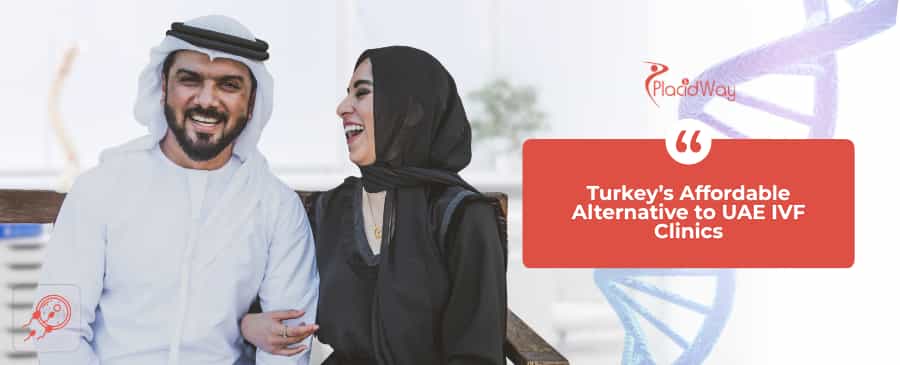
You have been trying for months, maybe years, and every negative test feels like a heavy weight on your heart. It is emotionally exhausting. You track ovulation, schedule intimacy, and hold onto hope, only to be disappointed month after month. Navigating male infertility or unexplained fertility issues is deeply painful, but then you look at the price tags for treatment in Dubai, Abu Dhabi, or even private hospitals in Riyadh, and you feel completely priced out of your dream of having a baby.
If you are researching how much does IVF with ICSI cost in Turkey for couples from Saudi Arabia compared to UAE clinics?, I promise you are in the right place. You might have heard whispers from family members or friends who quietly traveled to Istanbul and came back with a successful pregnancy. You wonder if the quality is truly the same, if the travel is worth the stress, and most importantly, if you will be safe and respected. This guide is written to give you the honest, number-backed truth so you can make a confident decision about your path to parenthood.
Quick Facts: IVF with ICSI in UAE vs Turkey
What Is IVF with ICSI and How Does It Work?
In standard In Vitro Fertilization (IVF), thousands of sperm are placed next to an egg in a laboratory dish, and doctors wait for one to naturally penetrate the egg. But if there is male factor infertility—like low sperm count, poor motility, or abnormal shape standard IVF often fails. That is where ICSI changes everything.
Here is the exact step-by-step process you will go through:
- Ovarian Stimulation (10-12 Days): You take daily hormone injections (like Gonal-F or Menopur) to encourage your ovaries to produce multiple mature eggs instead of just one.
- Egg Retrieval & Sperm Collection (Day 12-14): Under light, painless sedation, a doctor retrieves the eggs. On the exact same day, your partner provides a sperm sample.
- The ICSI Procedure: In the lab, an embryologist uses a microscopic needle to inject one single, best-quality sperm directly into the cytoplasm of each mature egg.
- Embryo Development (3-5 Days): The fertilized eggs (now embryos) grow in high-tech, climate-controlled incubators. They are graded on day 3 or day 5 (blastocyst stage).
- Embryo Transfer: The healthiest embryo is gently transferred into your uterus using a thin catheter. This takes 10 minutes and requires no anesthesia.
The benefit? ICSI completely bypasses the sperm's need to swim and penetrate the egg. It takes the heavy lifting out of fertilization, resulting in fertilization rates of 70% to 85% of injected eggs.
Why choose IVF with ICSI in Turkey over treatments in the UAE?
- Unmatched Affordability: You can pay for your flights from Riyadh or Jeddah, stay in a 5-star hotel in Istanbul for 3 weeks, enjoy a beautiful vacation, pay for the entire IVF cycle, and still spend less than you would on just the medical procedure alone in Dubai.
- Expertise in Male Infertility: Turkish embryologists handle thousands of complex ICSI cases annually. High volume means high expertise. They routinely perform advanced surgical sperm retrievals like Micro-TESE for severe cases.
- Cultural Comfort: As a Muslim country, Turkey aligns seamlessly with Saudi values. All clinical practices respect Islamic law, food is universally halal, privacy is deeply respected, and female doctors are widely available upon request.
- No Waiting Lists: Private Turkish clinics cater heavily to international patients. You dictate your schedule based on your menstrual cycle, not the clinic’s availability.
- Holistic and Compassionate Care: UAE clinics can sometimes feel overly corporate or rushed. Turkish hospitality extends into their medical care, offering personalized, empathetic attention during an emotionally vulnerable time.
Cost Comparison: UAE vs Turkey
Let us look at the real numbers. The reason Turkey is more affordable has absolutely nothing to do with lower quality. It is entirely based on national economics. Turkey’s cost of living, clinical rent, and local currency exchange rates make operational costs drastically lower. In the UAE, you are paying a massive premium for the high cost of real estate and expatriate salaries.
| Procedure | Average Cost in UAE | Average Cost in Turkey | Savings % |
|---|---|---|---|
| Standard IVF with ICSI | $8,000 - $10,000 | $2,500 - $3,500 | 65% |
| Stimulation Medications | $1,500 - $3,000 | $800 - $1,200 | 55% |
| PGT-A (Genetic Testing per embryo) | $500 - $800 | $250 - $400 | 50% |
| Micro-TESE (Sperm Extraction) | $3,000 - $4,500 | $1,000 - $1,500 | 66% |
| Frozen Embryo Transfer (FET) | $2,000 - $3,500 | $800 - $1,200 | 60% |
Keep in mind that IVF is often a numbers game. You might need more than one cycle to achieve a live birth. If a second cycle in the UAE bankrupts your family, the stress is unbearable. In Turkey, having a financial buffer means you can approach the process with far less anxiety.
Are fertility clinics in Turkey as safe as UAE clinics for Saudi couples?
Safety and quality are non-negotiable when creating a human life. It is entirely normal to worry that lower costs mean lower standards. But in this case, that simply is not true. Turkish private healthcare is heavily regulated, heavily funded, and designed to compete on a global scale.
| Quality Metric | UAE Clinics | Turkish Clinics | Notes |
|---|---|---|---|
| Medication Brands | Gonal-F, Menopur, Cetrotide | Gonal-F, Menopur, Cetrotide | Exact same global pharmaceuticals |
| Lab Air Filtration | HEPA / ISO Class 5 | HEPA / ISO Class 5 | Identical strict air quality for embryos |
| Doctor Credentials | International & Regional | European/US trained & ESHRE certified | High level of specialization |
| Success Rates (Overall) | 45% - 55% | 50% - 60% | Slight edge due to high daily volumes |
Here is what guarantees your safety:
- Strict Regulations: The Turkish Ministry of Health heavily audits all IVF clinics. Cleanliness, equipment calibration, and success reporting are mandatory.
- Technology: Top Turkish labs use Time-Lapse Incubators (like EmbryoScope). This means embryos are photographed every 10 minutes, allowing embryologists to monitor them 24/7 without ever taking them out of their safe, climate-controlled environment.
- Dedicated Coordinators: Reputable clinics assign you a dedicated 24/7 patient coordinator. If you feel a cramp at 2 AM or are confused about a medication dosage, help is one WhatsApp message away.
What is the timeline when traveling from Saudi Arabia to Turkey for IVF?
A direct flight from Riyadh or Jeddah to Istanbul is roughly 4 hours. Because you need constant monitoring, you will spend the duration of the cycle in Turkey. Here is how your timeline unfolds:
- Pre-travel prep (At home): You send your blood tests and semen analysis to the Turkish clinic via WhatsApp or email. A doctor reviews them via video call and clears you for travel.
- Arrival and Day 1-2 (In Turkey): You arrive, settle into your hotel, and visit the clinic on day 2 or 3 of your period. You get an ultrasound and receive your medications.
- Stimulation Phase (Days 3-12): You take daily injections at your hotel. You will visit the clinic every 2 to 3 days for a quick 15-minute ultrasound and blood test to check egg growth.
- Egg Retrieval & ICSI (Day 13-15): When eggs are mature, you undergo the retrieval. Your husband provides his sample. The ICSI magic happens in the lab.
- Transfer and Rest (Days 18-20): 3 to 5 days later, the best embryo is transferred. You are advised to rest for 1 to 2 days.
- Heading Home: You fly back to Saudi Arabia. 10 to 12 days later, you take a pregnancy blood test at your local lab in KSA.
Crucial travel tips: Saudi citizens can easily obtain a Turkish e-Visa online in minutes. Book an Airbnb or an apart-hotel with a kitchen so you can cook your own healthy, comforting meals during the 3 weeks. Drink plenty of water and wear comfortable walking shoes—light walking around Istanbul actually improves blood flow to your uterus!
Are you a good candidate for IVF with ICSI in Turkey?
It is vital to manage your expectations. A thorough video consultation will confirm your eligibility, but generally speaking:
You are likely a great candidate if you have:
- Male factor infertility (low sperm count, low motility, abnormal morphology).
- Previous failed IVF cycles where eggs failed to fertilize.
- Unexplained infertility lasting more than 1 to 2 years.
- Blocked or damaged fallopian tubes.
- Polycystic Ovary Syndrome (PCOS) that hasn't responded to simple treatments like Clomid or Letrozole.
- The ability to travel and stay in Turkey for roughly 3 weeks.
You may need to reconsider or seek highly specialized advice if you have:
- Severe Ovarian Failure: If you produce no eggs, IVF with your own eggs won't work. (Note: Egg donation is strictly prohibited by law in Turkey, aligning perfectly with Islamic and Saudi laws).
- No Sperm Found (Azoospermia): If even advanced surgical extraction (Micro-TESE) yields zero sperm, ICSI cannot proceed. (Sperm donation is also illegal in Turkey).
- Untreated Uterine Anomalies: Large fibroids or a septum must be surgically corrected before attempting an embryo transfer.
- Severe Medical Conditions: Uncontrolled hypertension or diabetes must be managed before pregnancy is attempted.
- Age Over 45: Success rates drop dramatically after 42. Clinics will evaluate your AMH (Anti-Mullerian Hormone) levels very carefully.
- Inability to fly: If you cannot commit to the travel time, local UAE or Saudi options might be necessary despite the cost.
The best next step? Gather your recent AMH test and your husband's semen analysis and request a free evaluation.
Frequently Asked Questions
When couples begin researching IVF abroad, specific fears always pop up. Here are the clear, honest answers to the 11 most critical questions Saudi couples ask about traveling to Turkey for fertility care.
How much does IVF with ICSI cost in Turkey for couples from Saudi Arabia compared to UAE clinics?
IVF with ICSI in Turkey costs between $2,500 and $4,000 per cycle. In comparison, the same treatment in UAE clinics ranges from $8,000 to $12,000, offering a 50% to 65% savings for Saudi couples even when factoring in travel.
How does the quality of IVF in Turkey compare to UAE clinics?
Quality is identical, and sometimes superior due to higher daily patient volumes. Both Turkish and UAE clinics use FDA and CE-approved medications, advanced time-lapse incubators, and follow European Society of Human Reproduction and Embryology (ESHRE) guidelines.
What is the recovery time after an egg retrieval in Turkey?
Most women experience mild cramping and bloating for 1 to 3 days after egg retrieval. You can usually resume normal light activities within 24 hours, but should avoid strenuous exercise and heavy lifting for 1 to 2 weeks.
What are the potential complications of IVF with ICSI?
The most common complication is Ovarian Hyperstimulation Syndrome (OHSS), affecting 1-5% of patients, which causes severe bloating and fluid retention. Multiple pregnancies (twins) are also a risk if more than one embryo is transferred, which Turkish doctors try to avoid by recommending single blastocyst transfers.
Can IVF medications cause bone loss?
Some fertility medications (like Lupron) that temporarily suppress estrogen can cause minor, temporary dips in bone density. However, a standard 2-to-3 week IVF cycle does not cause long-term bone loss or osteoporosis. Your skeletal health is perfectly safe.
What are the best locations in Turkey for fertility treatments?
Istanbul, Antalya, and Ankara are the top destinations. Istanbul is highly preferred by Saudi couples due to direct 4-hour flights, the sheer density of world-renowned embryology labs, and the ease of finding halal food and Arabic translators.
Will my doctor in Saudi Arabia provide follow-up care?
Yes, most Saudi gynecologists and obstetricians will happily manage your pregnancy once you return. Your Turkish clinic will provide a complete, translated medical report detailing your stimulation protocol, embryo grading, and transfer details.
How do I know if a Turkish fertility clinic is reputable?
Look for ISO 9001 certification, high success rates published transparently, internationally trained embryologists, and verifiable patient reviews. Avoid any clinic that promises a "100% guarantee," as this is medically impossible in human reproduction.
Is it safe to travel solo to Turkey for early IVF monitoring?
Yes. Turkey is very safe and culturally welcoming for Middle Eastern travelers. While having your partner present for the sperm collection is required, some women travel alone for the first 7-8 days of daily stimulation injections before their husband joins them.
How many trips from Saudi Arabia to Turkey will we need?
Typically, you only need one trip lasting 15 to 21 days for a complete fresh IVF cycle. If you opt for genetic testing (PGT-A) or a frozen embryo transfer to let your body heal from hormones, you will need two shorter trips of 3 to 5 days each.
Can we finance our IVF treatment in Turkey?
Because costs are 50-65% lower than in the UAE or private Saudi hospitals, most couples pay out of pocket without financing. Some clinics offer package installments payable at different stages of the treatment (e.g., 50% at stimulation, 50% at retrieval).
You Have Done the Research. Now Take the Next Step.
References
- European Society of Human Reproduction and Embryology (ESHRE). "Guidelines for Good Practice in IVF Labs."
- World Health Organization (WHO). "Infertility Prevalence and Treatments."
- PlacidWay Medical Tourism. "Guide to the Best IVF Clinics in Turkey."
.png)

-.jpg)


.png)
.png)
.png)
.png)

















Share this listing