


Why Does Breast Reduction Surgery in Gangnam Makes Sense?
Your definitive patient guide to safe, high-quality reduction mammoplasty in Seoul's premier medical district. Understand the procedure, costs, recovery, and how to choose a qualified surgeon.
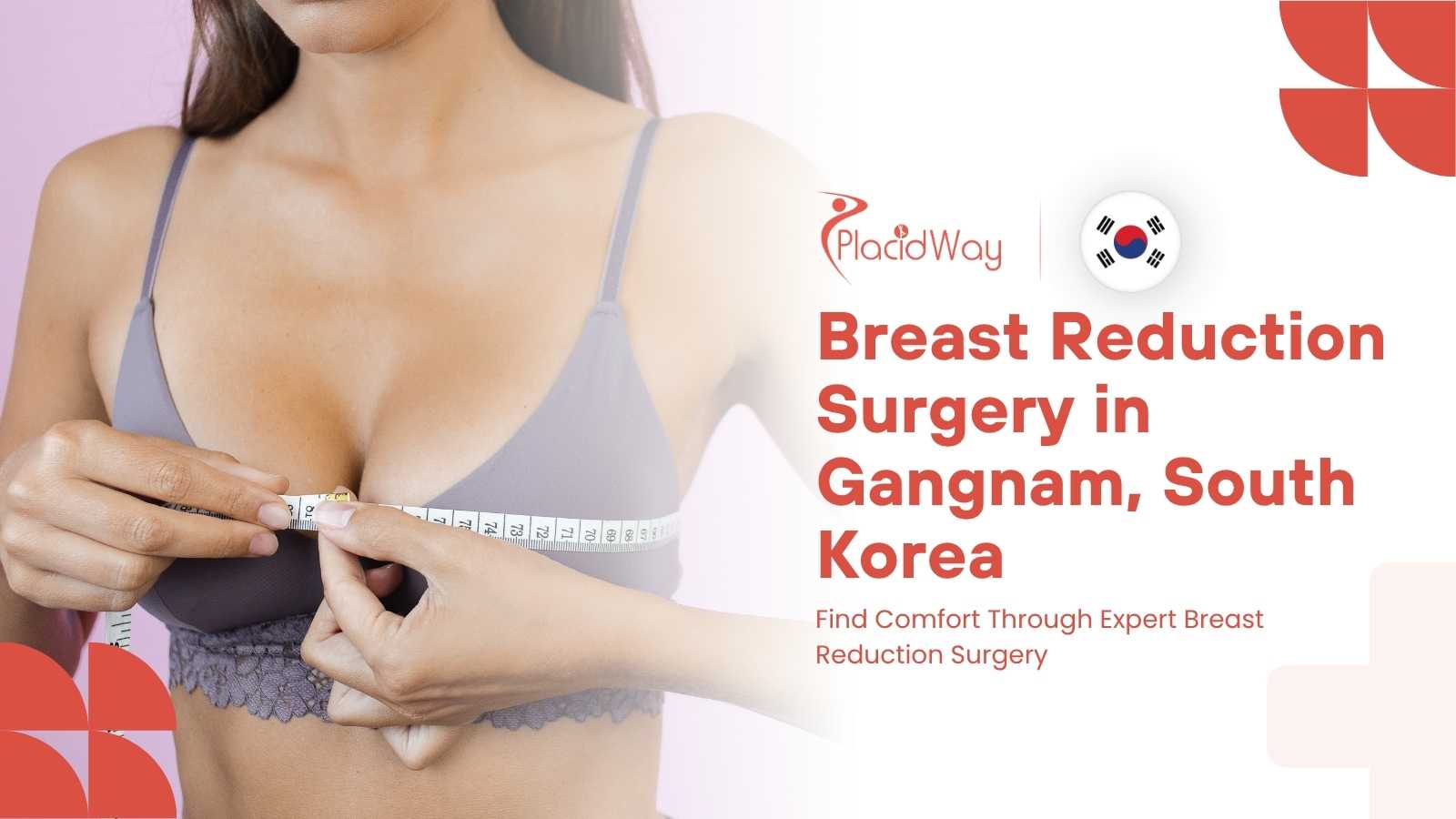
Quick Summary
| Estimated Cost | $4,500 – $14,000 USD (varies by technique, surgeon, and clinic) |
| Safety Overview | High when performed at KAHF-accredited clinics by board-certified surgeons |
| Ideal Candidate | Healthy adults with symptomatic macromastia, stable weight, non-smokers |
| Recovery Time | 2–6 weeks for daily activities; 4–6 weeks before strenuous exercise |
| Why Gangnam? | World-class surgical expertise, advanced technology, competitive pricing, dedicated medical tourism infrastructure |
| Important Caution | Not all clinics are equal. Verify KAHF accreditation and surgeon board certification before booking. |
| Final Verdict | Gangnam offers excellent value for breast reduction surgery when you research thoroughly and choose a licensed, accredited provider. |
Breast Reduction Surgery in Gangnam, South Korea
If you are living with chronic back pain, shoulder grooves from bra straps, skin irritation, or self-consciousness caused by overly large breasts, you are not alone. Many women—and some men—experience physical and emotional burdens from macromastia. Breast reduction surgery, also called reduction mammoplasty, is a proven procedure that removes excess breast tissue, fat, and skin to create a breast size proportionate to your body.
South Korea has become one of the world’s most sought-after destinations for cosmetic and reconstructive breast surgery. Within Seoul, Gangnam stands out as the epicenter of advanced plastic surgery. The district is home to hundreds of clinics, many with decades of experience serving international patients. But with so many options comes complexity. This guide will help you understand what breast reduction surgery involves, how much it costs in Gangnam, what safety standards apply, and how to make an informed decision about your care.
We wrote this guide because choosing surgery abroad is a significant decision. You deserve clear, medically accurate information that respects your intelligence and acknowledges your concerns. Every section below is designed to answer the questions real patients ask before booking their trip.
What Is Breast Reduction Surgery? Who Needs It in Gangnam, South Korea?
Breast reduction surgery is a major surgical procedure performed under general anesthesia. The surgeon removes excess glandular tissue, fat, and skin from the breasts, then reshapes the remaining tissue and repositions the nipple-areola complex to a higher, more anatomically appropriate location. The goal is to alleviate physical symptoms and achieve a breast size that harmonizes with your frame.
You may be a candidate for breast reduction surgery if you experience chronic neck, back, or shoulder pain; deep shoulder grooves from bra straps; recurrent skin irritation or infections beneath the breast fold; difficulty exercising; poor posture; or significant emotional distress related to breast size. Surgeons typically recommend that candidates be at a stable weight, in good general health, and free from nicotine for at least six weeks before and after surgery.
Warning
You may need to postpone surgery if you are planning pregnancy, intend to breastfeed in the future, are actively trying to lose significant weight, or have uncontrolled medical conditions such as diabetes or clotting disorders. Always discuss your full medical history with your surgeon.
In Gangnam, breast reduction is commonly sought by medical tourists from the United States, Canada, Australia, Southeast Asia, the Middle East, and Europe. Patients are drawn by the combination of surgical expertise, advanced technology, and cost savings compared to their home countries.
Types of Breast Reduction Surgery Procedures Available in Gangnam, South Korea
Not all breast reductions are performed the same way. The technique your surgeon chooses depends on your breast size, degree of sagging (ptosis), skin elasticity, and the amount of tissue to be removed. During your consultation in Gangnam, the surgeon will examine your anatomy and explain which approach offers the best balance of safety, scarring, and aesthetic outcome for you.
| Technique | Incision Pattern | Best For | Scarring |
|---|---|---|---|
| Liposuction-Only | Small access incisions | Minor reductions, good skin elasticity, minimal sagging | Minimal |
| Vertical (Lollipop) | Around areola + vertical line to fold | Moderate reductions, moderate ptosis | Moderate; no horizontal scar |
| Anchor (Inverted-T) | Around areola, vertical, + horizontal fold | Large reductions, significant ptosis | More extensive; fold scar |
| Peri-Areolar (Donut) | Circular around areola only | Very minor reductions, mild sagging | Minimal; around areola |
The vertical or "lollipop" technique is widely favored in Gangnam because it avoids the horizontal inframammary scar while still allowing significant tissue removal and reshaping. For very large breasts or severe sagging, the anchor technique may be necessary to achieve the desired contour and symmetry. Some surgeons also combine reduction with a breast lift (mastopexy) to optimize shape and nipple position.
Tip
Ask your surgeon which pedicle technique they use—superior, inferior, medial, or septum-based. Pedicle choice affects nipple sensation, breastfeeding potential, and blood supply to the nipple-areola complex.
How Breast Reduction Surgery Works in Gangnam, South Korea?
Understanding the surgical process helps reduce anxiety and prepares you for what to expect. While every clinic in Gangnam has its own protocols, the general flow of breast reduction surgery follows established medical standards.
- Anesthesia: You will receive general anesthesia so you remain completely asleep and pain-free during the procedure. A board-certified anesthesiologist typically administers and monitors this.
- Incision: The surgeon makes incisions according to the predetermined technique—lollipop, anchor, or peri-areolar.
- Tissue Removal: Excess breast tissue, fat, and skin are carefully removed. The surgeon preserves the blood supply and nerve pathways to the nipple-areola complex whenever possible.
- Reshaping: The remaining breast tissue is sculpted and lifted. The nipple and areola are repositioned to a higher, more central location on the breast mound.
- Closure: Incisions are closed with sutures. Many surgeons use dissolvable stitches that do not require removal. Surgical drains may be placed temporarily to collect excess fluid.
- Dressing: Your breasts are wrapped with bandages and a surgical support bra is applied.
The procedure typically takes two to five hours depending on complexity. In many Gangnam clinics, you may stay overnight for observation, though some patients are discharged the same day if their recovery is uncomplicated.
Key Takeaway
The removed breast tissue is often sent to a pathology laboratory for microscopic examination. Occasionally, unexpected abnormal cells are detected. Your surgeon should inform you of this possibility and how results will be communicated.
Benefits of Getting Breast Reduction Surgery in Gangnam, South Korea
Patients who undergo breast reduction surgery in Gangnam report both physical relief and improved quality of life. Research consistently shows high satisfaction rates after reduction mammoplasty, with improvements in multiple domains of well-being.
Physical Benefits
- Relief from chronic back, neck, and shoulder pain
- Elimination of bra-strap grooves and skin irritation
- Improved posture and mobility
- Easier participation in sports and exercise
- Better-fitting clothing and bras
Emotional & Social Benefits
- Improved self-image and confidence
- Reduced anxiety and self-consciousness
- Enhanced sexual well-being
- Greater social comfort
- Relief from unwanted attention
Systematic reviews using validated patient-reported outcome measures such as BREAST-Q have documented significant postoperative improvements in psychosocial well-being, physical well-being, and sexual well-being. Satisfaction with breasts typically shows the greatest improvement, rising from well below population norms to comparable levels after surgery.
In Gangnam specifically, patients benefit from high surgical volume—many surgeons perform hundreds of breast procedures annually—which may contribute to refined technique and predictable outcomes. The district also offers multilingual support, dedicated international patient coordinators, and streamlined medical tourism services.
Cost of Breast Reduction Surgery in Gangnam, South Korea
Cost is one of the most common reasons patients consider South Korea for breast reduction surgery. Prices in Gangnam are generally competitive compared to the United States, Western Europe, and Australia, though they vary considerably based on surgeon experience, clinic reputation, surgical technique, and what is included in the package.
| Cost Component | Estimated Range (USD) | Notes |
|---|---|---|
| Surgeon & Procedure Fee | $3,500 – $9,000 | Varies by technique and surgeon seniority |
| Anesthesia Fee | $500 – $1,500 | Board-certified anesthesiologist |
| Facility / Operating Room | $800 – $2,000 | Hospital-grade vs clinic facility |
| Post-Operative Care | $300 – $800 | Dressings, drainage removal, follow-ups |
| Medical Tests (Pre-Op) | $200 – $500 | Mammogram, blood work, ECG if needed |
| Surgical Bra & Garments | $50 – $150 | Often included in packages |
| Total Estimated Cost | $4,500 – $14,000 | All-inclusive packages may differ |
All-inclusive packages advertised by Gangnam clinics may bundle surgery, anesthesia, facility fees, post-op care, and airport pickup into one price. Always request an itemized written quote so you understand exactly what is and is not covered. Common items not included are airfare, accommodation, meals, companion expenses, extended stay for complications, and revision surgery.
Cost Comparison: Gangnam, South Korea vs Other Countries
| Country | Estimated Cost Range (USD) | Notes |
|---|---|---|
| South Korea (Gangnam) | $4,500 – $14,000 | High volume, advanced techniques |
| United States | $7,000 – $15,000+ | Often higher in major metropolitan areas |
| United Kingdom (Private) | $6,500 – $12,000 | NHS waiting lists can be lengthy |
| Australia | $8,000 – $15,000+ | Medicare may cover some cases with strict criteria |
| Canada | $8,000 – $15,000+ | Provincial coverage varies; long waits common |
Important
Price should never be your only deciding factor. A low-cost clinic without proper accreditation or board-certified surgeons may expose you to higher risks of complications, poor outcomes, and costly revision surgery.
How to Choose the Right Clinic for Breast Reduction Surgery in Gangnam?
Gangnam is not a single street but a large district in southeastern Seoul. Within it, several neighborhoods have become synonymous with plastic surgery. The most famous is the area around Gangnam Station, particularly Exit 10, where clinic buildings stack multiple practices floor by floor. Apgujeong and Sinsa are also prominent, hosting a mix of high-end boutique clinics and larger hospital-style facilities.
When choosing a clinic for breast reduction surgery, prioritize verifiable credentials over marketing gloss. South Korea has a robust national healthcare framework, and legitimate clinics operate under strict government oversight. Here is what to look for:
| Trust Signal | Why It Matters? | How to Verify? |
|---|---|---|
| KAHF Accreditation | Government-backed quality standard for foreign patient care | Ask for current certificate; check validity period |
| Ministry of Health Registration | Legal requirement to operate as a medical institution | Request license number and issuing body |
| Surgeon Board Certification | Confirms specialized training in plastic surgery | Verify with Korean Society of Plastic and Reconstructive Surgeons |
| Medical Malpractice Insurance | Mandatory since 2016 for foreign-patient clinics | Ask for proof of coverage |
| Annual Case Volume | Experience correlates with refined technique | Ask how many breast reductions the surgeon performs yearly |
| Revision Policy | Protects you if results require adjustment | Request written policy before payment |
| 24/7 Emergency Support | Complications can occur outside business hours | Confirm emergency contact protocol and hospital transfer arrangement |
| Multilingual Coordinator | Ensures informed consent and clear communication | Ask if an English-speaking coordinator is available full-time |
KAHF (Korean Accreditation Program for Hospitals Serving Foreign Patients) is South Korea's official government accreditation system, supervised by the Ministry of Health and Welfare and administered through the Korea Health Industry Development Institute (KHIDI). It evaluates over 100 inspection items across patient safety, infection control, medication management, and international patient services. Accreditation is time-limited and requires on-site inspection—not just paperwork.
Tip
Do not assume that a clinic with a flashy website or strong social media presence is automatically safe. Verify credentials independently through official channels, and be wary of clinics that pressure you to book quickly or avoid answering questions about accreditation.
Doctor Qualifications, Clinic Accreditation, and Safety Standards
South Korea maintains a rigorous medical licensing system. All practicing physicians must hold a medical license issued by the Korean Ministry of Health and Welfare and be registered with the Korean Medical Association. For plastic surgery specifically, the relevant specialty organizations include the Korean Society of Plastic and Reconstructive Surgeons (KSPRS) and the Korean Society of Aesthetic Plastic Surgeons (KSAPS).
Board certification in plastic surgery requires completion of a recognized residency program, passing specialty examinations, and maintaining continuing education. When evaluating a surgeon for breast reduction surgery in Gangnam, ask directly about their certification status and whether they are active members of these professional societies. You can verify certification through the KSPRS website database.
Safety standards in accredited Gangnam clinics typically include hospital-grade operating rooms with HEPA filtration, sterile air shower booths, dedicated anesthesia monitoring equipment, and emergency resuscitation capabilities. Since 2016, all medical institutions registered to treat foreign patients in South Korea are required to carry medical malpractice liability insurance. This provides a layer of financial protection if something goes wrong.
South Korea also enforces strict laws against illegal medical brokers. Unauthorized brokerage is punishable by up to three years in prison or fines up to approximately $27,000 USD, with rewards offered for reporting illegal brokers. This regulatory environment is designed to protect patients from exploitative middlemen who may prioritize commission over patient safety.
Warning
Be cautious of "ghost surgery," where a junior or unqualified surgeon performs the operation while a senior surgeon is advertised. Ask whether the surgeon you consult with will be the one operating, and request written confirmation if possible.
Pre-Treatment Consultation, Tests, and Travel Preparation
Most reputable Gangnam clinics offer online consultations for international patients before you travel. You will typically submit photos of your breasts from the front and side, along with a completed medical history form. The surgeon reviews your anatomy and provides a preliminary recommendation, though a final surgical plan can only be confirmed during an in-person examination.
Before traveling, your surgeon may request specific medical tests. These help identify risks that could affect your surgery or anesthesia. Common pre-operative requirements include:
- Mammogram or breast ultrasound: Required for patients over 40, and sometimes for younger patients with a family history of breast cancer or suspicious findings.
- Blood tests: Complete blood count, coagulation profile, liver and kidney function tests, and blood type.
- ECG: Recommended for patients over 40 or those with cardiac risk factors.
- Chest X-ray: Sometimes required as part of pre-anesthetic assessment.
- Pregnancy test: Standard for women of childbearing age.
You should also prepare for your trip by obtaining a detailed treatment plan, confirming your accommodation near the clinic, and arranging for a companion if possible. South Korea requires medical institutions treating foreign patients to provide informed consent forms in a language you understand. Request these in advance so you have time to review them thoroughly.
Visa, Entry Requirements, and Travel Documents for South Korea Medical Tourism
Depending on your nationality, you may enter South Korea visa-free for short stays or you may need to apply for a medical visa. The two main visa categories for medical tourists are the C-3-3 (Short-Term Medical Tourist) visa and the G-1-10 (Recuperation and Treatment) visa. To apply, you typically need an official certificate or invitation from your registered Korean medical institution, proof of financial ability to cover treatment and living expenses, a valid passport, and a completed application form.
If you are from a visa-exempt country, you may use the K-ETA (Electronic Travel Authorization) system for short medical visits, though you should confirm current requirements with your local Korean embassy or consulate before booking flights. As of 2026, VAT refunds for medical services are no longer available for international patients in Korea, though tourist shopping remains eligible.
Key Takeaway
Start your visa process at least four to six weeks before your intended surgery date. Delays in documentation can postpone your procedure and increase travel costs.
Treatment Timeline and Recovery After Breast Reduction Surgery
Understanding the timeline helps you plan your stay, work leave, and support needs. Recovery is highly individual, but the following table provides a general framework based on standard clinical protocols.
| Timeframe | Clinical Process | Patient Sensation | Activity Level | Action Required |
|---|---|---|---|---|
| Day 0 (Surgery) | General anesthesia; tissue removal; closure; dressing | Groggy, mild pain managed with medication | Bed rest; assisted walking | Overnight observation or same-day discharge with companion |
| Days 1–3 | Peak swelling; possible drainage tubes | Tender, tight, swollen; pain medication needed | Light walking only; no lifting | Wear surgical bra; monitor drains; attend first follow-up |
| Days 4–7 | Drain removal (if used); stitch check | Improving; bruising visible | Light daily activities; still no lifting | Clinic visit for assessment; continue bra wear |
| Days 7–14 | Swelling begins to subside; stitches removed or dissolving | Less pain; itching around incisions common | May return to desk work; still avoid strenuous activity | Surgeon clearance for travel typically around day 10–14 |
| Weeks 2–4 | Continued healing; scar maturation begins | Mild tightness; occasional twinges | Gradual increase in light exercise | Continue supportive bra; avoid underwire |
| Weeks 4–6 | Most daily activities resumed | Near-normal sensation returning | May resume moderate exercise with surgeon approval | Continue scar care if recommended |
| Months 3–6 | Final shape emerging; scars fading | Normal sensation in most cases | Full activity including strenuous exercise | Baseline mammogram for patients 40+ if recommended |
| Months 6–12 | Scars mature and soften | Stable result | No restrictions | Final evaluation; discuss any concerns |
Most surgeons in Gangnam recommend that international patients stay in Seoul for at least 10 to 14 days after breast reduction surgery. This allows time for initial follow-up appointments, drain removal, stitch checks, and management of the peak swelling period before you board a long-haul flight. Flying too soon after surgery increases the risk of blood clots and makes managing complications from home extremely difficult.
Warning
Do not plan to fly home immediately after surgery. Compression during long flights, dehydration, and limited mobility increase the risk of deep vein thrombosis (DVT). Your surgeon should clear you for air travel before you depart.
Travel Guide for Medical Tourists Visiting Gangnam, South Korea
Gangnam is one of Seoul's most modern and accessible districts. From Incheon International Airport, you can reach Gangnam in approximately 60 to 90 minutes by taxi, or via the Airport Railroad Express (AREX) to Seoul Station followed by a transfer to Subway Line 2. Taxi fares typically range from 65,000 to 85,000 KRW (approximately $50–$65 USD).
Most clinics in Gangnam offer airport pickup services for international patients, either complimentary or for a modest fee. Ask about this when booking. Your clinic may also provide a list of nearby guesthouses, serviced apartments, or hotels that cater to recovering patients.
Language, Communication, and Patient Support in Gangnam, South Korea
English availability has improved significantly in Gangnam's medical tourism clinics. Most established practices employ at least one English-speaking patient coordinator who handles scheduling, translation during consultations, and post-operative instructions. However, direct communication with your surgeon may still require an interpreter. Ensure your coordinator is present during the informed consent process so you fully understand the risks, benefits, and limitations of your procedure.
Consent forms, pre-operative instructions, and post-operative care guides should be provided in your native language. If they are not, request professional translation before signing anything. Never sign a consent form you do not fully understand.
Food, Culture, and Comfort Tips for International Patients in Gangnam, South Korea
Seoul is a food lover's city, but after breast reduction surgery, you should prioritize easy-to-digest, low-sodium meals to minimize swelling and support healing. Many neighborhoods in Gangnam have international restaurants, convenience stores with Western options, and delivery apps with English interfaces. Your clinic may provide meal recommendations or partner with nearby restaurants that offer post-operative meal plans.
The climate varies by season. Summers are hot and humid, which can increase discomfort around incision sites. Winters are cold and dry. Plan your clothing accordingly—loose, front-buttoning tops are essential after surgery, as raising your arms may be uncomfortable.
Follow-Up Care, Telemedicine, and Long-Term Results After Breast Reduction Surgery
Your relationship with your surgeon should not end when you leave Seoul. Before departing, confirm the follow-up schedule and how future concerns will be handled. Most Gangnam clinics now offer telemedicine follow-ups via video call, email, or messaging apps. This allows your surgeon to review photos of your healing incisions, answer questions about swelling, and advise on scar management from afar.
However, telemedicine has limits. If you experience signs of infection, wound separation, or other complications after returning home, you should seek care from a local physician immediately. Your Gangnam clinic should provide a written discharge summary and operative report in English to share with your local doctor.
Long-term results from breast reduction surgery are generally stable, though aging, weight fluctuations, pregnancy, and hormonal changes can alter breast shape and size over time. Scars typically fade significantly within 12 to 18 months but will not disappear completely. Patient satisfaction rates are high, with systematic reviews reporting overall satisfaction around 90% among patients who undergo the procedure.
Tip
Maintain a stable weight after surgery to preserve your results. Significant weight loss or gain can change breast volume and shape, potentially affecting the aesthetic outcome.
Red Flags to Avoid and Why Choose Gangnam for Breast Reduction Surgery?
Medical tourism offers tremendous opportunities, but it also carries risks if you do not vet your providers carefully. Here are warning signs that should prompt you to look elsewhere:
- The clinic cannot or will not provide proof of KAHF accreditation or Ministry of Health registration.
- The surgeon refuses to discuss their board certification or membership in recognized professional societies.
- Prices are dramatically lower than every other clinic without clear explanation.
- You are pressured to book immediately with discounts for same-day decisions.
- The clinic uses aggressive fear-based marketing or promises "perfect" or "guaranteed" results.
- There is no clear revision policy or complication management protocol.
- You cannot find independent reviews or verifiable patient outcomes.
- Communication is poor or evasive when you ask direct questions about safety.
So why do thousands of patients choose Gangnam each year? The district offers a rare combination of high surgical volume, advanced technology, competitive pricing, and a government-regulated medical tourism infrastructure. South Korea invests heavily in healthcare quality oversight, and the concentration of specialized clinics in Gangnam means you can consult with multiple experienced surgeons within a small geographic area. For patients from countries where breast reduction costs are prohibitive or wait times are excessive, Gangnam represents a viable, high-quality alternative—provided you do your homework.
Key Takeaway
The best outcomes in Gangnam come to patients who research thoroughly, verify credentials independently, ask hard questions, and choose safety over savings.
How to Prepare? What to Pack for Breast Reduction Surgery in Gangnam?
Preparation reduces stress and supports smoother recovery. Use this checklist in the weeks before your departure:
| Category | Items to Prepare |
|---|---|
| Medical Documents | Passport copies, visa, medical records, mammogram results, list of medications, emergency contact information |
| Clothing | Loose, front-buttoning shirts; slip-on shoes; comfortable pants; soft, non-underwire bras |
| Recovery Aids | Neck pillow, extra pillows for elevation, reusable ice packs, gauze and medical tape (if advised) |
| Personal Care | Mild soap, moisturizer, lip balm, dry shampoo, baby wipes, medications for constipation |
| Technology | Phone charger, power adapter (Type C or F for South Korea), tablet for entertainment |
| Financial | Credit cards, cash (KRW), travel insurance documents, clinic payment receipts |
Stop smoking and avoid nicotine products at least six weeks before surgery. Discontinue aspirin, anti-inflammatory drugs, and certain herbal supplements as directed by your surgeon. Arrange for someone to accompany you or be available locally during your first few nights after surgery. If you are traveling alone, confirm that your clinic provides 24-hour on-call assistance.
When to See a Doctor? Emergency Signs After Breast Reduction Surgery
Most recoveries are uneventful, but you must know when to seek urgent medical attention. Contact your surgeon, a local emergency department, or your home physician immediately if you experience any of the following:
- Fever over 38°C (100.4°F)
- Increasing redness, warmth, or swelling around the incisions
- Pus or foul-smelling drainage from the wound
- Severe pain not controlled by prescribed medication
- Chest pain, shortness of breath, or sudden calf pain/swelling
- The nipple or surrounding skin turning dark blue, black, or cold
- Wound edges separating or stitches coming out early
- Excessive bleeding that soaks through dressings
If you are already home and cannot reach your Gangnam surgeon, go to your nearest emergency department or urgent care center. Bring your discharge paperwork and operative notes so the local physician understands exactly what procedure was performed.
Frequently Asked Questions
How much does breast reduction surgery cost in Gangnam, South Korea?
Prices typically range from $4,500 to $14,000 USD depending on the surgical technique, surgeon experience, clinic facilities, and what is included in the package. All-inclusive packages may cover surgery, anesthesia, facility fees, post-operative care, and airport pickup, but always request an itemized written quote. Airfare, accommodation, and meals are usually not included.
Is breast reduction surgery in Gangnam safe for international patients?
Safety depends heavily on the clinic and surgeon you choose. When performed at a KAHF-accredited facility by a board-certified plastic surgeon, breast reduction surgery in Gangnam can be very safe. Verify accreditation, surgeon credentials, and emergency protocols before booking. South Korea requires medical malpractice insurance for all clinics treating foreign patients.
How long do I need to stay in Gangnam after breast reduction surgery?
Most surgeons recommend staying in Seoul for at least 10 to 14 days after surgery. This allows time for initial follow-ups, drain removal, stitch checks, and management of peak swelling before you fly home. Do not plan to leave immediately after surgery.
Will I be able to breastfeed after breast reduction surgery?
Breastfeeding ability may be reduced or lost after breast reduction surgery, depending on the technique used and how much glandular tissue is removed. Some pedicle techniques preserve more milk ducts and nerves, improving the chances of future breastfeeding. Discuss this concern explicitly with your surgeon during consultation if it is important to you.
What type of visa do I need for breast reduction surgery in South Korea?
You may need a C-3-3 Short-Term Medical Tourist visa or a G-1-10 Recuperation and Treatment visa, depending on your nationality and length of stay. Some visa-exempt nationalities can use the K-ETA system for short medical visits. You will need an official invitation or certificate from your registered Korean medical institution to apply.
How visible will my scars be after breast reduction surgery?
Scarring depends on the technique. The lollipop method leaves a scar around the areola and vertically down to the breast fold. The anchor method adds a horizontal scar along the fold. Scars are permanent but typically fade over 12 to 18 months and are hidden by most clothing and swimwear. Scar quality varies by individual healing factors.
Can I combine breast reduction with other procedures in Gangnam?
Yes, many patients combine breast reduction with a breast lift (mastopexy), liposuction, or other body contouring procedures. Combining surgeries can reduce overall anesthesia and facility costs, but it also increases operative time and recovery complexity. Your surgeon will assess whether combined procedures are safe for your health status.
What happens if I have a complication after returning home?
Before leaving Gangnam, obtain a complete discharge summary and operative report in English. If complications arise, contact your Gangnam surgeon immediately via their telemedicine channel, but also seek care from a local physician or emergency department. Your clinic should have a clear complication management protocol for international patients.
How do I verify that a Gangnam surgeon is board-certified?
Ask the surgeon directly about their certification with the Korean Society of Plastic and Reconstructive Surgeons (KSPRS) or the Korean Society of Aesthetic Plastic Surgeons (KSAPS). You can also verify credentials through the KSPRS website database. Board certification confirms completion of specialized plastic surgery training and passing of specialty examinations.
Will my health insurance cover breast reduction surgery in South Korea?
Most international health insurance plans do not cover elective cosmetic surgery abroad. Some insurers may cover breast reduction if it is deemed medically necessary and pre-authorized, but this is rare for overseas procedures. Contact your insurer directly before traveling. South Korean national health insurance does not cover foreign patients for elective cosmetic procedures.
What is the difference between a clinic and a hospital in Gangnam?
In South Korea, "hospitals" are larger facilities with more comprehensive emergency and inpatient capabilities, while "clinics" are smaller outpatient facilities. Many high-quality breast reduction surgeries are performed safely in clinics with hospital-grade operating rooms. What matters most is accreditation, surgeon credentials, and emergency protocols—not the label alone.
How soon can I exercise after breast reduction surgery in Gangnam?
Light walking is encouraged within days. Most patients avoid strenuous exercise and heavy lifting for four to six weeks. Your surgeon will clear you for progressive activity based on your healing progress. Returning to high-impact exercise too soon increases the risk of bleeding, swelling, and poor scar formation.
Ready to Research Your Options?
PlacidWay helps you compare accredited providers, understand treatment costs, ask the right questions, and review your options before you travel. Connect with verified clinics in Gangnam and receive personalized information tailored to your needs.
Request Information from ClinicsDisclaimer: This information is for educational purposes only and does not replace professional medical advice. Always consult a qualified healthcare provider before making medical decisions. Individual results vary, and no surgical outcome can be guaranteed.
References
- Breast Reduction Surgery – Mayo Clinic
- Breast Reduction (Female) – NHS
- Breast Reduction – StatPearls – NCBI Bookshelf
- Patient-Reported Outcomes After Reduction Mammoplasty Using BREAST-Q: A Systematic Review and Meta-Analysis – PubMed
- Breast Reduction Surgery Outcomes and Quality of Life – Nature Index
- A Systematic Review of Patient Reported Outcome Measures for Women with Macromastia – PMC
- Korean Accreditation Program for Hospitals Serving Foreign Patients (KAHF) – Visit Korea
- Korean Visa Application – Ministry of Justice
.jpg)
.png)

.png)









Share this listing