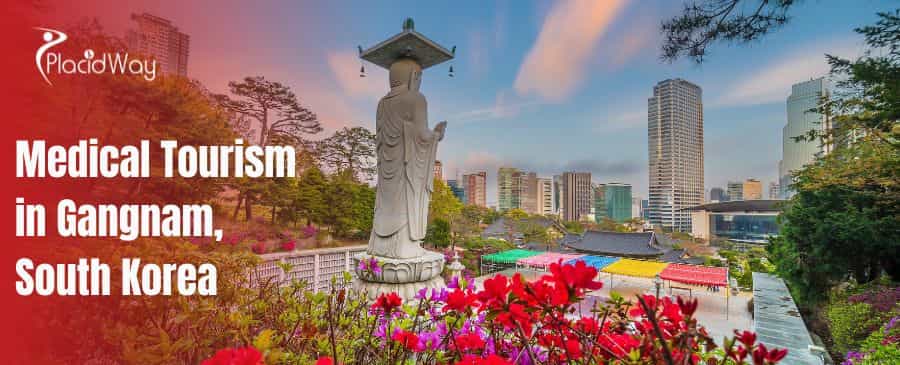
Planning Medical Tourism in Gangnam: Evaluating Clinics and Safe Recovery
A teacher from Vancouver sits at her dining table with three different clinic quotes for a Rhinoplasty. She has exactly three weeks of summer vacation to fly to Seoul, undergo the procedure, and manage the initial swelling before flying back. Her primary stress is not the surgery itself, but whether the translator provided by the clinic will accurately convey her desire for a very subtle, conservative change.
A corporate executive from Singapore is quietly arranging a Facelift and Blepharoplasty (Double Eyelid Surgery) during a two-week leave. He requires strict confidentiality, a private recovery house in Gangnam, and a clinical team experienced with male facial anatomy. He is trying to filter out the clinics that cater only to young social media influencers.
An American mother is coordinating Breast Augmentation and Cosmetic Dentistry in a single trip. She is carefully attempting to match surgical recovery timelines with her dental clear-aligner preparation. Her main concern is finding providers who will coordinate with each other if complications arise, rather than passing the responsibility back and forth.
All three people are dealing with the same broad destination and industry, but their actual journeys, decisions, and experiences differ significantly. The challenge is rarely finding a clinic in Seoul, but rather finding the right environment for a specific clinical need.
"How do I look past the flawless marketing to find a clinical team that will prioritize my safety when I am thousands of miles from home?"
Moving Beyond Before-and-After Photos to Your Real Motivation
Your research should not begin with a clinic's social media page. It needs to begin with an honest assessment of your own situation.
Maybe you have exhausted local options for Anti-Aging Treatments and are seeking the advanced technology frequently utilized in South Korea. The appeal is accessing laser platforms that are not yet widely available in your home country.
Perhaps you have saved for years for a specific procedure like Rhinoplasty. You want a surgeon who performs this specific surgery daily, rather than a generalist who does it occasionally.
Maybe you are combining Laser Dermatology with a planned vacation. You need non-invasive treatments with zero downtime so you can still enjoy your travel itinerary.
Perhaps you are considering a comprehensive Facelift and realize that Korean clinics often bundle post-operative deswelling treatments into their care plans. The structured recovery environment appeals to you just as much as the surgical skill.
Maybe you are seeking Cosmetic Dentistry to correct long-standing insecurities. You are weighing the cost of flights against the high prices of veneers in the United States or Australia.
Which sounds most like you?
"I want a specialist who only does this one procedure, even if it costs more."
This reader is prioritizing deep, niche expertise over convenience or budget. They are likely looking for a boutique clinic where the head surgeon is intimately involved in every consultation and follow-up.
"I need a place with in-house translators because I am terrified of miscommunication."
This person is prioritizing a seamless, low-anxiety experience. They understand that a great surgical outcome depends heavily on clear, nuanced communication during the consultation phase.
"I have a strict return flight, so the recovery timeline must be completely predictable."
This reader is focused on logistics and risk management. They are looking for treatments like Skin Rejuvenation or minor Blepharoplasty where the clinical variables are highly controlled.
"I want multiple procedures done at once so I only have to go through recovery once."
This patient is evaluating mega-clinics that house various specialists under one roof. They are trading the intimacy of a small clinic for the capability of a massive medical infrastructure.
This is why choosing Gangnam medical tourism should begin with your situation, not a generic ranking, slogan, or price comparison.
One Destination. Several Different Real-World Paths.
Medical tourism in Gangnam involves genuinely different pathways, environments, and experience models. A single neighborhood contains everything from multi-story hospital complexes to single-doctor boutique practices.
Official guidance notes that clinics registered with the Korean Accreditation Program for Hospitals Serving Foreign Patients (KAHF) undergo specific evaluations for international patient safety. However, not all heavily marketed clinics hold this specific accreditation. The presence of an English website does not automatically mean a clinic is equipped for complex international aftercare.
Capability, quality, timing, and support can differ substantially between providers. A mega-clinic might offer state-of-the-art diagnostic imaging and dedicated anesthesiologists, but you might see a different doctor for follow-ups. A boutique clinic may offer direct access to the lead surgeon, but might require you to arrange your own external imaging.
Current medical travel research suggests that language barriers often present the highest non-surgical risk. If a clinic relies on a freelance translator rather than an in-house medical interpreter, the communication dynamics change completely.
Here is what those differences can feel like in real life.
The Mega-Clinic Route: When Comprehensive Capability Meets Standardized Care
A patient walks into a fifteen-story building dedicated entirely to plastic surgery. They receive an itinerary mapping out their Rhinoplasty, Cosmetic Dentistry consultation, and Skin Rejuvenation session across different floors.
This option attracts readers who want everything handled under one roof. It solves the problem of coordinating multiple appointments across a vast city. The expectation is a highly efficient, hospital-like experience with dedicated departments for anesthesia, surgery, and recovery.
However, this efficiency relies on standardization. In practice, this can mean less time chatting with the primary surgeon and more time interacting with care coordinators. You may feel more like a number on a busy surgical schedule than an individual patient.
Before you decide, ask:
- Will my consultation be with the actual surgeon, or just a sales coordinator?
- Who handles emergency communication after clinic hours?
- Is the assigned translator medically trained, or just bilingual?
- Which specific surgeon will be performing my operation?
- How are delays in one department handled if I have multiple procedures booked?
Convenience can change the calculation. It should not end the research.
The Boutique Route: When Direct Surgeon Access Matters Most
A traveler from the UK sits in a quiet, minimalist waiting room. The clinic has only one operating room and a single lead surgeon who specializes exclusively in complex Facelifts.
This path appeals to patients seeking highly personalized attention. It supports the priority of having the same person conduct the consultation, perform the surgery, and remove the stitches. The expectation is artisanal care rather than volume-based processing.
The less obvious reality involves operational dependencies. If the single surgeon falls ill, your entire timeline is delayed. Furthermore, boutique clinics may lack in-house anesthesiologists, relying instead on visiting specialists for your procedure.
Before you decide, ask:
- Does a board-certified anesthesiologist stay in the room for the entire surgery?
- What happens to my non-refundable flights if the surgeon has an emergency?
- Does the clinic have emergency transfer protocols with a major hospital?
- How will we communicate when I return to my home country?
- Who helps with my daily recovery needs when the clinic is closed?
Personalized attention can make the experience reassuring. It cannot replace emergency infrastructure.
The Non-Invasive Route: When Aesthetic Goals Meet Travel Constraints
A tourist steps off a busy Gangnam street into a dermatology center. They are booked for laser treatments and anti-aging injectables, planning to go out for dinner that same evening.
This option attracts those who want to enhance their appearance without sacrificing their vacation. It solves the desire for medical-grade Skin Rejuvenation without the commitment of a surgical operating room. Patients choose this for the immediate results and advanced laser technology.
Yet, even non-invasive procedures carry medical weight. Strong lasers can cause hyperpigmentation, especially if the patient does not follow strict sun-avoidance during their subsequent sightseeing. The hidden challenge is managing minor side effects while living out of a hotel.
What matters here isn’t the luxury waiting area.
- Will my skin be sensitive to the sun during my planned tours?
- Can I fly immediately after these specific injectables?
- What happens if I have an allergic reaction the day after treatment?
- Are the devices used authentic and properly calibrated?
- Who conducts the treatment—the doctor or a technician?
The best option is not always the fastest. It is the one that fits your actual itinerary safely.
The Person Beside You Has a Role Too
There is often another person missing from guides like this: the companion sitting in the waiting room.
Medical travel heavily impacts the person traveling with you. They are not simply a helper; they are managing the practical and emotional logistics of the journey. Their experience will directly affect your recovery environment.
This person often takes on vital real-life responsibilities. They manage the pharmacy visits when you are resting in the hotel. They remember the post-operative instructions that you forgot while under anesthesia. They navigate food delivery apps in a foreign language and provide emotional reassurance when swelling makes you anxious.
A responsible clinic will provide clear guidance to your companion. They need to know exactly who to call if you develop a fever at 2:00 AM. They should understand what physical symptoms are normal after a Facelift and what requires immediate clinical attention.
Your companion also needs boundaries and practical support. They need to know how to navigate the local area for their own meals and breaks. Better decisions consider everyone affected, not only the person undergoing the procedure.
Looking Past "Is Gangnam the Best Place?"
It is entirely natural to ask, "Is Gangnam the best place for plastic surgery?" The media frequently uses this exact framing. However, this question fails to capture the true complexity of medical travel.
A simple "yes" ignores the vast differences in clinic quality within the neighborhood. A simplified answer can be misleading because the "best" place for a minor Skin Rejuvenation treatment may be completely unequipped for a complex Rhinoplasty revision. The quality of your outcome depends on the specific doctor, not just the city.
Instead of asking if the location is good, use these practical research questions to assess fit:
- Is the surgeon registered with the Korean Society of Plastic and Reconstructive Surgeons (KSPRS)?
- Does the clinic hold current KAHF accreditation for treating foreign patients?
- What exact recourse do I have if I am unhappy with the results after flying home?
- How many times has this specific surgeon performed this exact procedure this year?
- Does the clinic allow CCTV viewing of the operating room to ensure no "shadow doctors" are used?
A first-time patient looking for Anti-Aging Treatments needs answers about product authenticity and recovery time. A returning patient seeking a major revision surgery needs answers about surgical rights and post-operative accountability. Different people need different answers.
Verifying Trust Through Accountability
Attractive marketing claims often mask a lack of clinical accountability. It is easy to be swayed by sleek videos and VIP service promises.
"We offer the highest quality care and guaranteed results for international VIPs."
A stronger verification question asks: Who is legally and medically responsible for that care, and where can I check their credentials? Trust comes from identifiable responsibility, not marketing vocabulary.
Verify that your chosen provider is an actual Board-Certified Plastic Surgeon in Korea, not just a general practitioner practicing cosmetic medicine. You can verify surgeon credentials through the KSPRS portal. Furthermore, check if the facility is legally registered to attract foreign patients under the Korean Ministry of Health and Welfare.
Before you commit, try the 4-Step Gangnam Reality Test
Marketing materials rarely show the difficult days of recovery in a hotel room. Before placing a non-refundable deposit, walk through these four practical checkpoints.
1. The Communication Test: If you had a painful complication at 3:00 AM on a Sunday in Seoul, exactly who would you call, and would they speak your language?
2. The Phantom Doctor Test: Will the clinic guarantee in writing that the surgeon you consult with is the only surgeon who will operate, and do they have CCTV in the operating room to prove it?
3. The Flight Clearance Test: Exactly how many days post-operation does the surgeon require before they will medically clear you to board an international flight?
4. The Follow-up Test: If you need a revision after returning to Canada or the UK, who pays for the flights and accommodation for the second trip?
That is the Gangnam Reality test.
Same Destination. Different Research Journeys.
"I am traveling alone for a Blepharoplasty and Breast Augmentation."
The Route: This reader should look for a clinic that offers comprehensive in-patient care or partnered recovery housing.
The Investigation: They must investigate how daily meals, pharmacy runs, and mobility will be managed when they have limited upper-body movement.
The Warning: Do not assume the clinic nurses will act as personal caregivers outside of clinical hours.
"I am trying to fix a botched Rhinoplasty from a local surgeon."
The Route: This patient needs a highly specialized boutique clinic known for complex reconstructive work.
The Investigation: They should ask for case studies of previous revisions that match their exact anatomical issue.
The Warning: Avoid clinics that promise a fast, simple fix; revisions are inherently complex and unpredictable.
"I am looking for subtle anti-aging work that won't alert my coworkers."
The Route: They are best suited for high-end dermatology centers offering non-ablative Skin Rejuvenation.
The Investigation: They must clarify the exact timeline for redness and peeling to resolve.
The Warning: Do not undergo aggressive laser treatments just days before an important professional event.
"I am on a tight budget but want quality Cosmetic Dentistry."
The Route: This reader should research specialized dental clinics outside the most expensive main streets of Gangnam.
The Investigation: They need to understand the material costs versus the labor costs of their proposed veneers or implants.
The Warning: Do not ignore the cost of living in Seoul; cheap procedures quickly become expensive if hotel stays are extended.
Same destination. Four completely different research journeys.
Looking Beyond the Price Tag
Eventually, almost everybody asks, "How much does it cost?"
This is a reasonable starting point. Medical tourism is often driven by financial considerations. However, looking at the surgical fee alone creates a dangerous blind spot. The initial quote from a clinic rarely covers the entire experience.
What will the whole journey cost? Consider these common line items:
- Initial Surgical Fee: The base price quoted for the procedure.
- Anesthesia Fees: Sometimes billed separately depending on the clinic structure.
- Pre-Operative Testing: Blood work, EKGs, or specialized 3D imaging.
- Post-Operative Medication: Painkillers, antibiotics, and deswelling ointments from a local pharmacy.
- Translation Services: If not provided in-house, hiring a medical interpreter.
- Accommodations: Hotel stays that must accommodate extended recovery days.
- Dietary Adjustments: Specialized soft foods required after facial or dental procedures.
- Transportation: Specialized taxi services required when you cannot take the subway post-surgery.
- Follow-Up Care: Potential costs for stitch removal if delayed.
The cheapest procedure may not create the cheapest total journey, especially if complications require a delayed flight.
What the Experience Actually Feels Like
Medical tourism is rarely as glamorous as the influencer vlogs suggest.
It is waking up in a hotel room feeling disoriented and bruised.
It is using a translation app to figure out the dosage instructions on a Korean pharmacy bag.
It is sleeping propped up on three uncomfortable pillows to minimize facial swelling.
It is the anxiety of navigating a busy airport while wearing a compression garment.
It is also the quiet relief when a kind clinic nurse holds your hand during an IV insertion. It is the moment you see the initial results and realize the long flight was worthwhile.
That is still medical care. Just a very different kind.
The Questions Revealed in Hindsight
Experience often highlights the practical gaps we miss during planning.
"I wish I'd asked if the clinic provided a medical certificate for the airline."
"I wish I'd known how difficult it would be to eat solid food after my Facelift."
"I wish we'd planned for the sheer exhaustion of jet lag combining with surgical recovery."
"I wish I'd checked if my home dentist would be willing to adjust the work done in Seoul."
"I wish I'd known that deswelling treatments require multiple daily visits to the clinic."
"I wish I'd asked what happens if I test positive for a viral illness right before surgery."
"Enjoy a seamless, pain-free vacation while achieving your dream look."
Real-life questions provide far better guidance than promotional messages. Understanding the gritty details prepares you for a safer, calmer experience.
Evaluating Your Own Readiness
Gangnam medical tourism may be worth investigating when:
- You have the time and budget for a fully supported recovery period.
- You can independently verify a clinic's KAHF registration and the surgeon's board certification.
- You have a trusted companion traveling with you for major procedures.
- You have established a plan with a local doctor for follow-up care in your home country.
- Your expectations are grounded in medical reality, not digital filters.
Who Should Think Especially Carefully?
This path—or any comparable international option—may make less sense when:
- You are trying to squeeze a major surgery into a tight five-day vacation.
- You have pre-existing health conditions that require complex anesthesia management.
- You are entirely dependent on a clinic's marketing team for information.
- You cannot afford the potential cost of delayed flights or extended hotel stays.
- You lack a support system back home if complications arise weeks later.
- Your primary motivation is finding the absolute lowest price possible.
"I’m not comfortable proceeding."
A responsible guide makes it easier for you to recognize when pausing or stopping is the right decision. If the logistics feel overwhelmingly risky, waiting is always a valid choice.
What brings you here?
You are trying to fix a functional and aesthetic nasal issue.
Research ENT-certified plastic surgeons in Gangnam who specialize in structural Rhinoplasty, not just cosmetic alterations.
You want to refresh your appearance without surgery.
Look into KAHF-accredited dermatology clinics offering precise Laser Dermatology and verifiable injectable products.
You are planning a comprehensive facial rejuvenation.
Focus your search on clinics that offer dedicated post-operative care centers and in-house anesthesiologists for Facelift and Blepharoplasty procedures.
You need extensive dental work that is unaffordable at home.
Investigate specialized Cosmetic Dentistry centers that have dedicated English coordinators and in-house dental labs for faster turnaround.
You are managing a strict travel schedule.
Prioritize clinics that offer virtual consultations before you book, providing exact timelines for mandatory follow-up appointments.
That is not simply a product comparison. It is a decision environment.
The Human Side of the Decision
Maybe you are sitting with your spouse, reviewing clinic quotes, and trying to decide if the long flight is worth the savings.
Maybe you are a young professional staring at a screen, hoping a procedure will finally ease a deep-seated insecurity, but feeling overwhelmed by the sheer volume of choices.
Maybe you are carefully calculating the risk of taking time off work against the desire to finally do something just for yourself.
These decisions should not be reduced to simple promises of saving money or transforming your life instantly. Medical travel involves balancing individual circumstances, practical limitations, and a deep awareness of personal risk.
The best clinic is not the one with the most famous celebrity endorsements.
It is the one where:
the right clinical capability,
the right verifiable professional,
the right recovery environment,
and a realistic path to safe follow-up care
can come together for your particular situation.
Instead of asking: "Which clinic is the most popular in Gangnam?"
Ask: "What is the next informed step that realistically fits my situation?"
Your Way to Hope
Medical decisions are deeply personal. They involve your physical wellbeing, your family’s peace of mind, and your hopes for the future.
Maybe traveling for care is the right step for you. Maybe it isn't. Not only do you need capable medical professionals, but you also need clarity, trust, and preparation.
At PlacidWay, we believe in supporting informed decisions rather than pushing commitments. When you are ready to evaluate your options carefully, we are here to provide the information you need.
Are you ready to explore your options with clear, verified information?
Explore Your Journey SafelyReferences
- Korean Accreditation Program for Hospitals Serving Foreign Patients (KAHF) – Korea Health Industry Development Institute
- Verification of Surgeon Credentials – Korean Society of Plastic and Reconstructive Surgeons (KSPRS)
- Travelers' Health: Medical Tourism Guidelines – Centers for Disease Control and Prevention (CDC)
- Official Medical Travel Guidelines – Korea Tourism Organization
- Patient Safety in Aesthetic Surgery – International Society of Aesthetic Plastic Surgery (ISAPS)
Disclaimer: The information provided in this guide is for educational and planning purposes only and does not constitute medical or travel advice. Medical tourism involves significant inherent risks, including surgical complications, travel limitations, and varied regulatory standards. Always consult with a licensed local healthcare provider before making any medical decisions. Accreditation does not guarantee a specific outcome, and flight clearance depends on individualized clinical assessment. Verify all clinic and surgeon credentials through official professional boards prior to commitment.
Share this listing