If you have spent years comparing diets, medication, or surgery, choosing a weight-loss clinic can feel like a decision about your whole future. Start with the care plan, the surgeon, and what happens after you return home. The seven listings below are in Mexico and Türkiye; they are a starting shortlist, not a verified worldwide ranking. Before paying a deposit, request the facility’s current government license, the treating surgeon’s registration and specialty credentials, and a written plan for complications and long-term follow-up.
Quick Summary: Weight-Loss Clinics Worldwide
Cost: No comparable, independently verified 2026 price range was available for the same procedure across these seven listings. Request an itemized quote in USD and include travel, recovery, and follow-up expenses.
Safety: Weight-loss surgery has potential short- and long-term complications. Confirm emergency capability, transfer arrangements, and who will manage care after you travel home.
Possible candidate: A qualified clinician should assess your diagnosis, BMI, health conditions, prior treatment, medications, and ability to attend follow-up. A website questionnaire cannot determine eligibility by itself.
Recovery: Recovery depends on the procedure and your health. Surgery can require dietary changes, laboratory monitoring, supplements, and continuing clinical care over the long term.
Provider verification: In Mexico, ask for the facility’s applicable COFEPRIS sanitary license and the surgeon’s professional and specialty credentials. In Türkiye, ask for the Ministry of Health’s International Health Tourism Authorization Certificate for the exact facility.
Important limit: The supplied list contains four Mexico listings and three Türkiye listings. It includes both individual surgeons and hospitals, and it does not establish which provider is clinically superior.
What the Best Weight-Loss Clinics Worldwide Should Offer
A strong weight-loss clinic should assess the full range of evidence-based care, explain its limits, and support you after treatment. “Weight-loss clinic” can mean a medical program offering nutrition and behavior support, a physician-led medication service, an endoscopy unit, or a bariatric surgery team inside a hospital. Those settings do not provide the same services or level of emergency care.
Obesity is a chronic health condition influenced by biological, behavioral, and environmental factors. A serious program should not reduce your care to a target number on the scale. It should review weight-related conditions, past treatment, nutrition, mental health when relevant, medication history, and the follow-up you can realistically access.
Care option
What it may involve
What to ask the clinic
Medical weight management
Clinician assessment, nutrition and activity support, monitoring of related conditions, and follow-up.
Who supervises the plan, how often will visits occur, and what happens if progress stalls?
Prescription medicines
Medication may be considered with nutrition, activity, and clinical monitoring when appropriate.
Who prescribes it, how are contraindications checked, and how are cost and continued access handled?
Endoscopic treatment
Selected procedures, such as temporary intragastric devices, may be offered through endoscopy services.
Is a device temporary, when is removal required, and what follow-up is included?
Metabolic and bariatric surgery
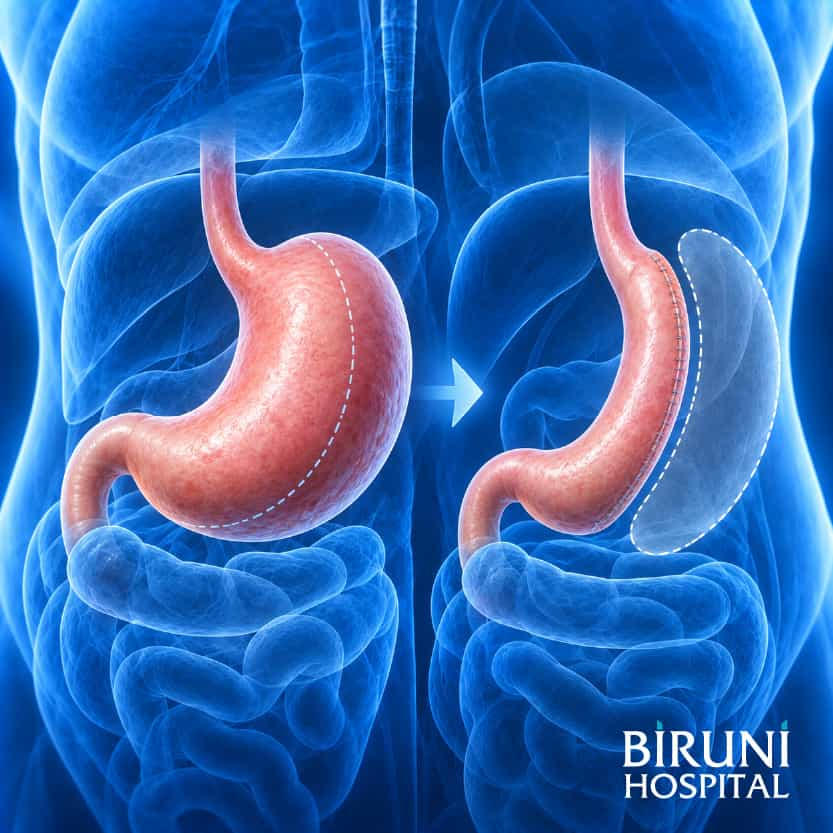
Procedures such as sleeve gastrectomy or gastric bypass alter the digestive system and need a surgical assessment.
Which operation is proposed, why does it fit your case, and who provides long-term medical and nutrition follow-up?
Patient tip: Ask for a consultation with the clinician who would make the treatment decision. A coordinator can arrange logistics, but should not replace a medical evaluation.
Clinics may offer more than one option, but availability does not establish that a treatment is right for you. A provider should explain alternatives, likely benefits, limitations, risks, and what happens if you choose not to have a procedure. You should be able to take the written plan home and review it with your regular clinician before committing.
Recent Weight-Loss Surgery Data: What the Numbers Can Tell You
A 2026 analysis presented at the American Society for Metabolic and Bariatric Surgery meeting tracked weight-loss treatment in a U.S. electronic health record cohort. Among adults with severe obesity and no diabetes in that dataset, recorded bariatric procedures rose through 2023 and then declined in 2024 and 2025. The pattern is useful context for treatment choices, but it does not establish why the numbers changed.
The line graph shows the study’s annual surgery counts from 2018 through 2025. The dataset is not a count of every U.S. operation, does not represent international patients, and cannot rank any clinic in Mexico or Türkiye.
Observed Bariatric Procedures in a U.S. EHR Cohort, 2018–2025
Source: study presented at the 2026 ASMBS annual meeting using Epic Cosmos electronic health records. It is a defined cohort, not national totals; the study did not establish causation.
The histogram groups the eight annual counts into 15,000-case ranges: three years fell between 15,000 and 29,999, five between 30,000 and 44,999, and none between 45,000 and 59,999. This distribution summarizes the study series only.
Histogram of Annual Procedure Counts, 2018–2025
These are U.S. EHR cohort observations, not global treatment volumes, patient outcomes, or a clinic-quality score.
How to use this evidence: Ask a clinic for its own procedure-specific case volume and outcome definitions. National or EHR data cannot replace facility-level information about the surgeon and hospital you are considering.
Patient Demographics and Medical Travel: What Is Known
There is no public, comparable dataset in the supplied provider listings that reports international patients’ age, sex, home region, or reason for travel. The four Mexico listings and three Türkiye listings describe locations, not where their patients live. It would be misleading to say that most patients come from the United States, Canada, Europe, the Gulf, or any other region without provider-level data.
For context only, the U.S. CDC’s 2025 state and territory analysis found that middle-aged adults were more likely to have obesity than younger or older adults. The chart below converts those relative comparisons into an approximate index: younger adults are set to 100, ages 40–59 to 136, and adults 60 and older to about 109. These are population-level age comparisons, not the demographic profile of medical travelers.
U.S. Adult Obesity Context by Age Group, 2025
Source: CDC 2025 U.S. age-group comparison. The value for ages 60+ is calculated from the reported relative comparison and rounded. It is not a measured clinic-traveler rate.
Question about medical travelers
What can be stated from the reviewed material
Where do these clinics’ international patients come from?
No comparable, audited origin-region breakdown was found for the seven listings.
What age group travels most often?
Not available in a consistent clinic-level public dataset. Clinical suitability depends on individual assessment.
Which procedures do travelers choose by age or sex?
Not available as a verified breakdown for the listed providers. Ask each facility for its own procedure volume and case-mix data.
Your decision should be based on your diagnosis and care needs, not on a supposed “typical medical tourist.” Ask whether the clinic can support your language, mobility needs, companion arrangements, dietary requirements, and the return-care plan in your home country.
Seven Weight-Loss Providers to Compare in Mexico and Türkiye
The following entries are the seven PlacidWay listings you supplied, arranged by location rather than rank. Four are in Mexico and three are in Türkiye. Some are individual surgeons rather than clinics, so confirm the exact hospital where any procedure would take place.
A provider directory can help you start a conversation, but listing status is not proof of current licensing, accreditation, surgical privileges, outcomes, or fit for your case. The summaries below stick to the services identified in the listings and avoid claiming that any provider is the “best” or produces guaranteed results.
Hospital CYNTAR — Tijuana, Mexico
The listing describes a multispecialty hospital and includes gastric sleeve, gastric bypass, and revision bariatric services. Ask which surgeon would operate, which hospital license covers the operating site, and how emergency transfer and long-term follow-up are arranged.
This is an individual bariatric surgeon listing, not a hospital listing. Confirm the named operating hospital, the procedures currently offered, professional registration, specialty certification, and who will provide care if you develop a complication after returning home.
The listing describes a multispecialty provider that offers bariatric and weight-loss surgery. Ask for the legal name and street address of the hospital that would perform the operation, the treating surgeon’s details, and the current Turkish Ministry authorization for that exact facility.
The listing identifies bariatric surgery in Mexicali and describes procedures including sleeve gastrectomy and gastric bypass. Ask for current credentials, the facility where surgery is performed, itemized costs, and a written schedule for surgical and nutrition follow-up.
Hernia Clinic Mexico and Bariatric Center — Mérida, Mexico
The listing describes bariatric care in Mérida and identifies gastric balloon, sleeve, and bypass options. Confirm which services are currently available, whether a balloon is temporary and requires removal, and which clinician manages nutrition and follow-up.
The listing includes obesity and bariatric services, such as sleeve gastrectomy and gastric bypass. Ask which surgeon and hospital department would manage your case, whether the proposed campus is authorized for international health tourism, and what follow-up is available after discharge.
The listing describes a hospital network and includes bariatric services such as sleeve and bypass surgery. A group’s credentials do not automatically apply to every campus. Confirm the exact branch, operating team, current authorization, and any accreditation claimed for that location.
Verification status: Provider summaries are based on the supplied directory listings. This review did not independently confirm the current license or authorization status of each named facility. Check the exact provider and operating address through the relevant government authority before you book.
Comparing Weight-Loss Clinics in Mexico and Türkiye
Mexico and Türkiye are the only destination countries represented in the supplied shortlist, so this article cannot establish a worldwide comparison. Within either country, care can differ by city, hospital, surgeon, procedure, and aftercare model. Compare the specific team and pathway you would receive instead of relying on a country label or a group brand.
Mexico’s national health regulator, COFEPRIS, issues sanitary licenses for certain health establishments and activities. Türkiye’s Ministry of Health publishes lists of healthcare providers authorized for international health tourism. These checks address regulatory status; they do not, by themselves, establish that a specific operation is appropriate for you or predict an outcome.
Comparison point
Mexico listings
Türkiye listings
Where the supplied providers are
Tijuana, Piedras Negras, Mexicali, and Mérida.
Istanbul.
Government verification to request
Facility’s applicable COFEPRIS sanitary license; surgeon’s professional license and current specialty credentials.
Facility’s current International Health Tourism Authorization Certificate and the surgeon’s professional registration and specialty credentials.
Emergency planning
Ask for on-site emergency services or a named transfer hospital and written contact details.
Ask which exact hospital handles emergencies, whether intensive care is available, and who coordinates a transfer.
What the directory list can establish
The supplied entries identify four Mexican locations and named bariatric listings; the reader must verify current credentials.
The supplied entries identify three Istanbul listings; confirm authorization at the operating campus rather than assuming it from the group name.
International accreditation may add another quality signal when it is current and applies to the exact facility and scope of care. It is not a substitute for national licensing, qualified clinicians, emergency planning, or transparent outcome data. A facility without an international accreditation label is not automatically unsafe, and a logo alone does not prove that your surgeon or proposed procedure is covered by it.
Weight-Loss Clinic Costs: How to Compare Quotes
There is no defensible single 2026 price for the seven listings because their public pages do not provide a matched, independently verified quote for the same operation and package scope. A sleeve gastrectomy, bypass, balloon, revision, and multidisciplinary medical program are different services. Comparing one headline figure from each destination would not be an apples-to-apples cost comparison.
Ask each provider for a dated written quote in USD that names the proposed treatment, operating facility, surgeon, and package inclusions. Request a separate line for every item below. Clarify whether a price is procedure-only or includes hospital care, and ask what would trigger additional charges.
Cost item
Mexico and Türkiye quote
Home-country comparison
Medical assessment and tests
Confirm consultations, blood tests, imaging, endoscopy, anesthesia assessment, and any repeat tests.
Ask your insurer or local provider which evaluations are covered and which may be billed separately.
Procedure and hospital stay
Separate surgeon, anesthesia, operating room, inpatient nights, medicines, and complications from package items.
Check public eligibility, network rules, deductibles, co-payments, and self-pay quotes in your home system.
Travel and accommodation
Budget airfare, extra nights, companion costs, local transport, meals, and a flexible return ticket.
Include travel to local appointments if relevant, but avoid assuming a local pathway has no out-of-pocket costs.
Aftercare and unexpected care
Ask about labs, nutrition visits, supplements, telehealth, readmission, revision, and complication coverage.
Confirm who will take over if you need urgent or long-term care after returning.
Cost comparison rule: Compare the complete expected cost of the care pathway, not only the operation. Ask whether complication treatment, follow-up visits, supplements, and a later revision are included, excluded, or covered by a separate policy.
For a home-country baseline, ask your insurer, public health service, or local bariatric center for a written estimate of your own likely costs and eligibility. Coverage rules and self-pay fees differ by country, region, provider, and plan. The information reviewed for this article does not support a fair numeric comparison between Mexico, Türkiye, the United States, Canada, and the United Kingdom.
How to Verify Weight-Loss Clinics and Hospital Licenses
Verify the legal operating facility before sending money, because a brand, coordinator, or network name may not be the entity providing your surgery. Ask for the facility’s full legal name, address, license number, issuing regulator, and the name of the hospital where your operation will take place. Match those details against the relevant government records.
For Mexican facilities, request the applicable COFEPRIS sanitary license for the services and location involved. For Türkiye, ask the facility for its Ministry of Health International Health Tourism Authorization Certificate and check that the exact hospital or medical center appears on the current authorized-provider list. Ask the provider to send the certificate number and verification instructions in writing.
Confirm the operating address matches the license or authorization record.
Check whether the facility is licensed for surgical care, not only consultations or coordination.
Ask which campus provides anesthesia, overnight monitoring, intensive care, and emergency treatment.
Request proof of professional registration and current specialty certification for every clinician responsible for your care.
If JCI, TEMOS, or another accreditation is claimed, verify its current status, scope, and named location directly with the accrediting body.
Ask for written complication, transfer, and after-hours contact plans before you purchase flights.
National regulation and international accreditation serve different purposes. A national operating license is a basic regulatory check. Accreditation is usually an additional, voluntary signal about a facility’s systems; it does not guarantee a specific result or eliminate the risks of surgery.
How to Check a Bariatric Surgeon’s Credentials
Ask who will personally evaluate you, who will perform the operation, who provides anesthesia, and who is responsible for follow-up. The surgeon’s name should appear on your consultation notes, informed-consent documents, and written quote. If a different surgeon may operate, ask for that person’s information before you make a final decision.
Request the surgeon’s national professional registration number, specialty training, current board or specialist certification where applicable, bariatric case volume, and experience with the specific procedure being proposed. In Mexico, you can ask whether the surgeon’s current general or bariatric surgery certification appears in the relevant professional directory. In Türkiye, request the physician’s professional registration and specialty documents and ask how to verify them with the competent health authority.
Ask the surgeon
A useful written answer should identify
Why this procedure for me?
Your diagnosis, relevant conditions, alternatives, trade-offs, and the reason the proposed option fits your case.
How much experience do you have?
Recent annual case volume for the same operation, how volume is counted, and complication or revision rates with time period and denominator.
What if something goes wrong?
Named emergency lead, available imaging and operating support, ICU or transfer arrangements, and payment responsibility.
How long will follow-up continue?
A dated follow-up schedule, laboratory monitoring, nutrition support, supplement plan, and a clear handoff to a clinician near home.
Experience claims are more useful when the provider gives the number of procedures, the period covered, and the definition of each outcome. Ask whether the numbers cover the whole hospital or only one surgeon, and whether they include revisional procedures. Testimonials and before-and-after images do not answer those questions and should not replace consented, clinically relevant outcome information.
Risks and Medical Travel Safety for Weight-Loss Surgery
Weight-loss surgery can involve bleeding, infection, leaks, blood clots, digestive symptoms, nutritional deficiencies, gallstones, or further procedures. The likelihood and type of risk depend on your health, the operation, the facility, and the clinical team. A responsible consultation discusses these possibilities in plain language and explains how the team would respond.
Travel adds coordination demands. You may need to recover near the surgical team before flying, and a complication after returning home may require a separate clinician to review records from abroad. Ask your home clinician whether they can provide follow-up before travel, and arrange for complete operative and discharge records before you leave the destination.
Risk or issue
What to plan with the clinical team
Bleeding, infection, or leak
Ask how these complications are recognized and treated, whether emergency surgery is available, and who pays for an extended stay.
Blood clots and air travel
Ask for an individualized flight-clearance decision and clot-prevention plan. Do not rely on a generic travel interval from a sales representative.
Nutrition and fluid intake
Request a staged nutrition plan, hydration instructions, warning signs, supplement requirements, and a way to contact the clinical team.
Complications after returning home
Bring your operative note, medication list, discharge summary, test results, and direct contact details for the destination surgeon.
Seek urgent medical help if you develop severe or worsening abdominal pain, persistent vomiting, fever, difficulty breathing, chest pain, fainting, a rapid heartbeat, or a painful swollen leg after surgery. Follow the emergency instructions from your own clinical team; this list cannot diagnose a complication. Before departure, ask for a 24-hour contact number and the nearest emergency department able to manage surgical problems.
Recovery and Follow-Up After Bariatric Surgery Abroad
Recovery is individual, and the surgeon should set travel and activity dates after reviewing your procedure and progress. A package timetable is not medical clearance. The table below is a planning framework, not a promise that every patient can travel or resume activities on the same schedule.
Timeframe
Clinical process
What you may notice
Activity and action
Before travel
Review medical history, tests, medications, procedure choice, and risks.
Anxiety or uncertainty is common; you should have time to ask questions.
Obtain written clearance from your treating clinicians, plan a companion if needed, and confirm the cancellation and emergency policies.
Hospital period
Monitoring, pain and nausea management, early movement, and hydration checks vary by procedure and patient.
Temporary discomfort, fatigue, or changes in eating and drinking may occur.
Follow your care team’s instructions. Leave only after the treating team documents discharge criteria.
Early recovery
Incisions and digestion begin to recover; diet usually advances in stages set by the clinical team.
Energy, appetite, bowel habits, and tolerance of fluids or foods can change.
Keep scheduled reviews, follow the nutrition plan, and get explicit surgeon clearance before flying.
Following weeks
Activity and food textures advance at different rates; the team may monitor healing and hydration.
Weight and symptoms may fluctuate. Persistent symptoms need medical review.
Attend remote or in-person visits and make a local clinician handoff using your records.
Long-term care
Ongoing nutrition support, laboratory monitoring, and management of obesity-related conditions may be needed.
Your needs can change over time, including supplement or follow-up requirements.
Agree on the long-term follow-up clinician and schedule before the operation.
Long-term follow-up is part of treatment, not an optional extra. Some patients need additional procedures or hospital care in the years after bariatric surgery, and nutrient levels can become low if monitoring and prescribed supplements are missed. Ask whether the destination clinic will share records with your local care team and how you can reach the surgeon after your return.
Questions Patients Ask About Weight-Loss Clinics
Which are the best weight-loss clinics in the world?
No neutral, audited global ranking compares clinics on the same procedures, patient mix, complication definitions, follow-up, and long-term results. The seven providers listed here are options from Mexico and Türkiye supplied for this article. Compare the exact surgeon, operating facility, licensing, emergency plan, costs, and follow-up rather than relying on a “best” label.
How can I choose a safe weight-loss clinic abroad?
Verify the operating hospital’s government license and the surgeon’s professional registration and specialty credentials. Request procedure-specific case volume, clearly defined outcomes, a complication protocol, 24-hour contact details, itemized pricing, written follow-up, and records for your home clinician. Confirm the exact facility, not only the brand or coordinator.
How much does weight-loss surgery cost in Mexico or Türkiye?
There is no comparable, independently verified 2026 price range for the same procedure across the listed providers. Costs depend on operation type, surgeon, hospital, testing, stay, and package inclusions. Ask for a current USD quote that separates medical fees, travel, follow-up, medicines, and possible complication costs.
Are weight-loss clinics in Mexico licensed by COFEPRIS?
Some health establishments and surgical activities in Mexico require sanitary licensing through the applicable authority. Ask the exact operating facility for its legal name, address, license number, scope, and issuing authority, then verify the documents independently. A directory entry, international accreditation claim, or clinician’s personal license does not replace facility licensing.
What certification should a bariatric clinic in Türkiye have?
Ask the exact hospital or medical center for its current International Health Tourism Authorization Certificate and confirm it against the Turkish Ministry of Health’s authorized-provider list. Separately verify the surgeon’s professional registration and specialty training. A health-tourism authorization does not show that a particular operation is appropriate for you.
Who may qualify for metabolic and bariatric surgery?
Eligibility depends on clinical guidance, local policy, your BMI, obesity-related conditions, prior treatments, and an individualized assessment. International guidelines and national rules may differ. A surgeon should review your health history and explain alternatives; an online BMI calculator or a sales coordinator cannot determine whether surgery is suitable.
Is gastric sleeve or gastric bypass better for weight loss?
There is no universally best operation. Sleeve gastrectomy and gastric bypass differ in anatomy, potential effects, risks, and follow-up needs. Your surgeon should explain why one option fits your diagnosis and discuss reasonable alternatives. Seek another clinical opinion if you receive a procedure recommendation without an individualized assessment.
How soon can I fly after bariatric surgery abroad?
There is no single safe flight date for every patient. Timing depends on the operation, your recovery, clot risk, other conditions, and the surgeon’s assessment. Get a written flight-clearance decision and prevention plan from the treating clinician. Do not book a fixed return date that leaves no room for delayed recovery.
What follow-up is needed after weight-loss surgery?
Follow-up can include surgical checks, nutrition support, laboratory testing, supplement review, and ongoing management of obesity-related conditions. The duration and schedule vary by procedure and patient. Before surgery, ask for a written plan that continues after you return home and names the clinician responsible for urgent questions.
Can a weight-loss clinic help without surgery?
Many weight-management programs offer nutrition and behavior support, medical monitoring, and prescription treatment when clinically appropriate. Some providers also offer endoscopic procedures. Ask which services are delivered by licensed clinicians, what monitoring is included, how long care continues, and what happens if a treatment is not effective or causes side effects.
What symptoms need urgent care after bariatric surgery?
Follow the emergency plan given by your treating clinician. Severe or worsening abdominal pain, persistent vomiting, fever, chest pain, trouble breathing, fainting, a rapid heartbeat, or a swollen painful leg can need urgent assessment. Ask for a 24-hour contact number and identify an emergency facility before discharge and travel.
Request Weight-Loss Clinic Options Through PlacidWay
Comparing care across borders takes more than checking a procedure name. PlacidWay can help you request information from providers, compare treatment options and written costs, and prepare questions about credentials and follow-up. Review each clinical recommendation with a qualified healthcare professional before deciding.
Disclaimer: This information is for educational purposes only and does not replace professional medical advice. Always consult a qualified healthcare provider before making medical decisions.
References for Weight-Loss and Medical Travel Facts
OverviewDiscover the world's best weight loss clinics, offering cutting-edge surgeries, expert medical teams, and outstanding patient care for transformative health results.
Request your Free Quote
×
Trusted Medical Tourism Platform Since 2007
60+
Countries
2k+
Clinics
19.5k+
Reviews
2.5k+
Qualified Doctors
1.1M+
Patients Served Since 2007
Unlock the Best Obesity/Bariatric Surgery Packages Just for You
Discover the ultimate Obesity/Bariatric Surgery packages designed to meet your health and wellness goals. Choose the perfect fit for your journey.
Obesity/Bariatric Surgery Solutions Near You: Explore Top Medical Centers
Discover how Obesity/Bariatric Surgery is transforming lives at leading medical centers in , Turkey. Dive into center profile, specialties, doctors, reviews, etc. and explore the best options tailored to your needs in this region.
Transformative Obesity/Bariatric Surgery Experiences: Dive into Procedure Insights
Discover the power of Obesity/Bariatric Surgery through compelling patient experiences. Uncover detailed insights into procedures, recovery journeys, and life-changing results.
Explore Obesity/Bariatric Surgery: Stories, Testimonials, and Procedures
Watch in-depth videos covering everything from Obesity/Bariatric Surgery success stories to detailed procedure explanations. Learn what to expect and hear from real patients.
Hi, this is Alice 😊, your PlacidWay Virtual Assistant.
Thanks for visiting PlacidWay. Before we get started, I'd like to gather a few details so we can stay connected and better assist you throughout your healthcare journey.






























Share this listing