
Facing hair loss can feel overwhelming, but exploring restoration options abroad offers a path to renewed confidence. South Korea stands out for its high-density grafting techniques, aesthetic precision, and highly regulated medical environment. By understanding treatment costs and knowing which Ministry of Health and Welfare (MOHW) certificates to verify, you can make a secure, informed decision about your medical journey.
Quick Summary
- Estimated Cost: Typically ranges between $3,500 and $8,000 USD, depending on graft count and technique.
- Safety Overview: Highly regulated; look for clinics accredited by KAHF (Korean Accreditation Program for Hospitals Serving Foreign Patients).
- Ideal Candidate: Individuals with stabilized hair loss and sufficient donor hair density at the back of the scalp.
- Recovery Time: Most patients resume non-strenuous work within 5 to 7 days, with full results visible in 12 to 18 months.
- Why South Korea: World-class aesthetic expertise, minimally invasive robotic options, and dense-packing techniques.
- Important Caution: Avoid clinics that cannot provide transparent surgeon credentials or a verifiable MOHW registration number.
Introduction to Hair Restoration in South Korea
Many individuals experiencing progressive hair thinning look beyond their local borders for advanced, specialized care. South Korea has established a formidable reputation in aesthetic medicine, combining artistic hairline design with meticulous surgical execution. Patients travel here seeking techniques that maximize follicle survival while minimizing visible scarring.
Navigating an international healthcare system requires careful planning, especially when evaluating facility safety and long-term aesthetic outcomes. This guide provides the essential knowledge you need to compare providers, understand the biology of graft survival, and plan a seamless medical journey to Seoul or other major Korean cities.
- Cost-to-Quality Ratio: Access to cutting-edge technology at competitive prices compared to Western nations.
- Aesthetic Precision: Surgeons renowned for natural-looking hairline lowering and dense-packing methods.
- Technological Integration: Widespread use of 3D facial scanning and robotic assistance like the ARTAS system.
- Primary Source Countries: High patient influx from the United States, Australia, Singapore, and the United Kingdom.
- Regulatory Oversight: Strict government policies protecting international medical tourists against malpractice.
Understanding Hair Loss and Treatment Eligibility
Androgenetic alopecia, commonly known as male or female pattern baldness, is the leading cause of hair loss worldwide. It occurs when hair follicles become sensitive to dihydrotestosterone (DHT), leading to gradual miniaturization and eventual follicle death. A hair transplant relocates DHT-resistant follicles from the back or sides of the scalp to the thinning areas.
Your doctor will evaluate your scalp elasticity, donor zone density, and the progression stage of your hair loss. If your hair loss is still rapidly progressing, medical stabilization with prescribed treatments may be required before surgery is considered.
Clinical Tip: Donor Area Preservation
A successful transplant relies entirely on a healthy donor supply. Surgeons in South Korea often use advanced micro-punches to extract follicles strategically, ensuring the back of your head does not look visibly thinned after the procedure.
Primary Hair Transplant Techniques
South Korean clinics offer several modern extraction and implantation methods tailored to your specific anatomical needs. The right approach depends on the number of grafts required, your budget, and your preference regarding hairstyle length after recovery.
Follicular Unit Extraction (FUE) and Hair Transplant are currently the most sought-after techniques. FUE involves extracting individual follicular units, while uses a specialized pen to implant follicles directly without pre-creating incisions, offering precise control over the angle and depth.
| Technique | Extraction Method | Implantation Method | Best Suited For |
|---|---|---|---|
| FUE | Individual micro-punches | Forceps into pre-made incisions | Patients wanting short haircuts, large graft sessions. |
| DHI | Individual micro-punches | Directly via Choi Implanter Pen | High-density areas, hairline detailing, no-shave options. |
| FUT (Strip) | Surgical strip from donor area | Forceps into pre-made incisions | Patients requiring maximum grafts with low scalp elasticity. |
Advanced Technologies and Robotic Assistance
Innovation in South Korean medical centers often includes utilizing high-powered microscopes and automated extraction devices. Robotic systems, such as ARTAS, use artificial intelligence to scan the scalp and identify the healthiest follicles for extraction. This technology reduces human fatigue during marathon sessions.
Additionally, some clinics offer regenerative therapies alongside the transplant to enhance healing. Platelet-Rich Plasma (PRP) or exosome therapy may be recommended to stimulate dormant follicles and support the newly implanted grafts during the critical early healing phase.
Pros of Robotic FUE
- High precision in follicle mapping.
- Reduces transection (damage) rates.
- Faster extraction phase.
Cons of Robotic FUE
- Typically costs more than manual FUE.
- Not ideal for very curly or light-colored hair.
- Still requires significant surgeon oversight.
Cost of Hair Transplant in South Korea
Understanding the financial commitment is crucial when planning cross-border healthcare. Hair transplant costs in South Korea are generally calculated per graft or per hair, though many international clinics offer comprehensive packages based on the zone being treated.
While prices are competitive, they reflect the high standard of technology and the localized expertise found in aesthetic hubs like Gangnam. The total cost will fluctuate depending on the surgeon's experience level, the specific technique chosen, and the inclusion of post-operative care.
| Procedure Type / Variable | Estimated Cost Range (USD) |
|---|---|
| FUE (Up to 2,000 Grafts) | $3,500 - $5,500 |
| FUE (2,000 to 4,000 Grafts) | $5,000 - $7,500 |
| (High Density / Hairline) | $4,500 - $8,000 |
| Robotic FUE (ARTAS) | $6,000 - $10,000 |
| PRP Therapy (Per Session Add-on) | $200 - $500 |
Global Cost Comparison for Hair Restoration
When evaluating South Korea against other global medical destinations, patients must weigh the total travel expenditure against the localized clinical standards. Countries like the United States and Australia feature exceptionally high procedural fees driven by domestic healthcare economics and insurance landscapes.
Conversely, while destinations like Turkey may offer lower baseline prices, South Korea appeals to patients prioritizing rigorous government regulation, advanced robotic options, and specific Asian or Caucasian hairline aesthetic mastery.
| Country | Estimated Average Cost (USD) | Primary Market Characteristics |
|---|---|---|
| South Korea | $3,500 - $8,000 | High precision, robotic tech, strict regulations. |
| United States | $8,000 - $15,000+ | High domestic cost, convenient for locals. |
| United Kingdom | $7,000 - $12,000 | Premium pricing, regulated private sector. |
| Australia | $9,000 - $18,000 | High labor and facility costs. |
| Turkey | $2,000 - $4,500 | High volume, price-competitive packages. |
Patient Demographics and Treatment Trends
The landscape of cross-border aesthetic medicine has evolved significantly in recent years. Based on verified 2024 healthcare utilization data, South Korea continues to see a diverse influx of international patients seeking specialized follicular restoration.
Male patients seeking crown and mid-scalp density form the majority, but there is a notable rise in female patients traveling specifically for hairline lowering and traction alopecia correction. The graph below visualizes the verified regional origins of inbound patients for aesthetic procedures in 2024.
Inbound Patient Origins for Aesthetic Procedures in South Korea (2024 Data)
Source: Aggregated 2024 regional cross-border aesthetic healthcare mobility reports.
Patient Treatment Journey in South Korea
Organizing a medical procedure overseas involves structured stages to ensure clinical safety and optimal results. Most top-tier South Korean clinics facilitate initial consultations online, allowing the surgical team to review clear photographs of your scalp and estimate graft requirements before you book a flight.
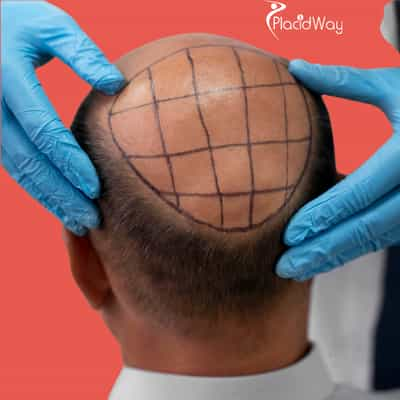
Upon arrival, the process transitions to in-person diagnostic testing. This includes blood work, high-resolution scalp analysis, and drawing the precise hairline design to ensure it matches your facial symmetry.
- Step 1: Virtual Consultation. Medical history review and preliminary graft estimation.
- Step 2: Arrival & Pre-op. In-clinic scalp analysis, blood tests, and final hairline mapping.
- Step 3: Surgery Day. Local anesthesia administration, follicle extraction, and precise implantation.
- Step 4: Immediate Aftercare. Post-op hair wash, swelling management, and medication dispensing.
- Step 5: Follow-up & Departure. Final surgeon evaluation and clearance to fly home.
Recovery Timeline and Expectations
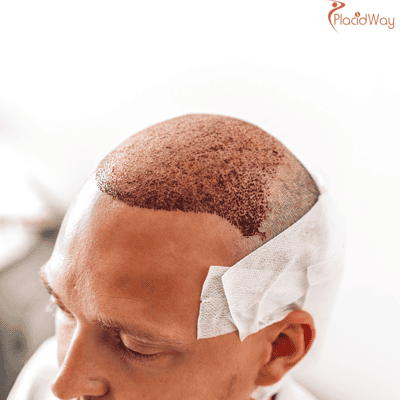
Post-operative care heavily influences the final aesthetic outcome. The scalp will be sensitive, red, and prone to swelling in the first few days. Adhering strictly to your surgeon’s guidelines regarding sleeping positions and washing protocols is vital to prevent graft dislodgement.
A common phenomenon during recovery is "shock loss," where the newly transplanted hairs fall out between weeks two and eight. This is a normal part of the biological hair cycle, as the underlying follicle remains secure beneath the skin and will begin producing new hair shafts within a few months.
| Timeframe | Biological Process | Patient Experience | Required Action |
|---|---|---|---|
| Days 1-5 | Grafts anchor into the scalp tissue. | Swelling, redness, minor scabbing. | Sleep elevated, take prescribed medications. |
| Days 6-14 | Scabs begin to dry and flake off. | Itching in donor and recipient areas. | Gentle washing, avoid scratching. |
| Months 1-3 | Shedding phase (Shock Loss). | Transplanted hair falls out. | Patience; protect scalp from direct UV rays. |
| Months 4-8 | Anagen phase restarts. | New, fine hairs begin to sprout. | Resume normal styling and haircuts. |
| Months 12-18 | Follicles mature and thicken. | Final density and results visible. | Routine hair care maintenance. |
Clinical Graft Survival Insights
The success of the procedure is measured clinically by the graft survival rate—the percentage of transplanted follicles that successfully take root and produce terminal hair. Advancements in holding solutions (like HypoThermosol) and minimized out-of-body time have drastically improved these rates.
Recent 2024-2025 clinical data from specialized FUE centers indicates that a well-executed transplant maintains a high survival trajectory after the initial shedding phase. The line graph below illustrates the average documented biological progression of follicular survival over an 18-month period.
Cumulative Follicular Survival and Growth Rate (2024 FUE Clinical Data)
Source: 2024 International Hair Restoration Clinical Registry Data.
Choosing a Licensed Clinic in South Korea
Your safety and aesthetic outcome depend heavily on the facility you select. The South Korean government strictly regulates the healthcare sector, particularly facilities servicing international patients. Clinics must be officially registered with the Ministry of Health and Welfare (MOHW) to legally treat foreign tourists.
Additionally, look for the KAHF (Korean Accreditation Program for Hospitals Serving Foreign Patients) designation. This accreditation guarantees that the clinic adheres to rigorous standards regarding patient safety, infection control, and medical malpractice insurance specifically designed for international visitors.
Warning: Verifying Provider Legitimacy
Never pay deposits to overseas agents without verifying the clinic's exact name and registration. Ask the clinic directly for their MOHW registration number and confirm whether they have in-house interpreters to prevent dangerous communication errors.
Selecting a Qualified Hair Transplant Surgeon
In South Korea, it is critical to ensure that a licensed medical doctor performs the extraction and incision phases of your surgery. Avoid "black market" clinics where unlicensed technicians execute the bulk of the procedure. You must request the specific name of your operating surgeon.
Look for doctors who hold memberships with recognized professional bodies. Being a member of the Korean Society of Hair Restoration Surgery (KSHRS) or the International Society of Hair Restoration Surgery (ISHRS) indicates a commitment to ongoing medical education and ethical clinical practices.
- Verify national medical board certification.
- Review high-resolution, unedited before-and-after photos of patients with similar hair types.
- Ask about the clinic's revision policy in the event of poor graft survival.
- Confirm that the surgeon performs only one or two surgeries per day to avoid fatigue.
Travel Planning and Medical Visa Requirements
Preparing for your medical journey requires attention to logistical details that impact your recovery. South Korea offers excellent healthcare infrastructure, but you must factor in the physical toll of long-haul flying shortly after surgery. Most clinics advise staying in Seoul for at least 5 to 7 days post-operation.
Depending on your nationality, you may enter South Korea visa-free or with a standard K-ETA (Electronic Travel Authorization) for short stays. However, if your treatment requires a longer duration, your clinic can assist you in applying for a C-3-3 Medical Tourist Visa by providing official letters of invitation.
Travel Planning Checklist
- Book accommodation close to the clinic in areas like Gangnam or Apgujeong.
- Pack front-buttoning shirts to avoid pulling clothes over your head after surgery.
- Secure travel medical insurance that explicitly covers complications from elective procedures.
- Plan to wear a loose-fitting bucket hat for the flight home to protect the grafts from cabin pressure and contact.
Frequently Asked Questions
Is hair transplant in South Korea safe for international patients?
Yes, it is generally safe when performed in clinics registered with the Ministry of Health and Welfare (MOHW). The government strictly enforces hygiene, safety, and malpractice insurance regulations for facilities treating international medical tourists.
How much does 3000 grafts cost in South Korea?
The cost for 3,000 grafts typically ranges from $5,000 to $7,500 USD, depending on the clinic's location, the surgeon's expertise, and whether you choose FUE or techniques.
Can I wear a hat after my hair transplant surgery?
Your doctor may recommend wearing a clean, loose-fitting bucket hat provided by the clinic when going outside to protect the grafts from UV rays. Baseball caps should be avoided for at least two weeks as they can rub against the implanted follicles.
What is the KAHF certification?
KAHF stands for the Korean Accreditation Program for Hospitals Serving Foreign Patients. It is a government-backed accreditation ensuring the facility meets strict safety, language support, and medical dispute resolution standards for foreigners.
Does it hurt during the extraction process?
The procedure is performed under local anesthesia, so you will not feel pain during the extraction or implantation. You may experience minor discomfort during the initial anesthetic injections.
When can I fly home after a hair transplant in Seoul?
Surgeons generally recommend staying in South Korea for 5 to 7 days post-surgery. This allows the clinical team to conduct follow-up washes, monitor early healing, and remove any bandages before you face the physical stress of travel.
Will I need a medical visa to visit South Korea for treatment?
Many international patients from countries like the US, UK, or Australia can enter visa-free or with a K-ETA for short stays. If your recovery demands a longer period, your clinic can assist with a C-3-3 medical visa.
What is shock loss after a hair transplant?
Shock loss is a normal phase occurring 2 to 8 weeks post-surgery where the newly transplanted hair shafts shed due to surgical trauma. The follicle bulb remains safely embedded, and new hair will begin growing within a few months.
Are hair transplant results permanent?
The transplanted follicles are typically DHT-resistant, meaning they should last a lifetime. However, your original, non-transplanted hair may continue to thin, which is why ongoing medical management is often recommended.
How do I evaluate a South Korean clinic's language support?
Reputable facilities employing KAHF standards will have full-time, in-house medical interpreters for English, Chinese, or Arabic. Always confirm interpreter availability before booking to ensure clear communication of your medical history.
Ready to Plan Your Hair Restoration Journey?
PlacidWay can help you compare certified clinics in South Korea, review transparent cost estimates, and connect you with leading medical professionals.
Request Free InformationDisclaimer: This information is for educational purposes only and does not replace professional medical advice. Always consult a qualified healthcare provider before making medical decisions.
References
- Korea Health Industry Development Institute (KHIDI) – Medical Tourism Division
- Ministry of Health and Welfare (MOHW) – Republic of Korea
- Hair Transplantation Patient Guide – International Society of Hair Restoration Surgery (ISHRS)
- Advancements in Follicular Unit Extraction (FUE) and Graft Survival Rates (2024 Clinical Update) – National Institutes of Health (NIH)
- Korean Accreditation Program for Hospitals Serving Foreign Patients (KAHF) Safety Standards – Medical Korea
- Analysis of Post-Operative Shock Loss in Hair Restoration – PMC Medical Database






















Share this listing