
Struggling with weight loss and facing endless waiting lists or staggering out-of-pocket costs at home? You are not alone. Every year, thousands of patients choose Bariatric Procedures in Turkey like the gastric sleeve and bypass. This comprehensive guide helps you understand the costs, verify essential Ministry of Health credentials, and plan a safe, medically sound weight loss journey abroad.
Quick Summary: Bariatric Surgery in Turkey
- Estimated Cost: Typically ranges from $3,000 to $5,500 USD (often includes hotel, transfers, and hospital stay).
- Safety & Licensing: Always choose hospitals holding a "Health Tourism Authorization Certificate" from the Turkish Ministry of Health.
- Ideal Candidate: Adults with a BMI over 35, or a BMI over 30 with obesity-related conditions (like sleep apnea or type 2 diabetes).
- Recovery Time: Expect to stay in Turkey for 7 to 10 days for post-operative monitoring before flying home.
- Why Patients Travel: Immediate availability, board-certified surgeons, and high-quality care at up to 70% less than US or UK prices.
- Important Caution: Never choose a clinic based solely on price. Verify the surgeon's active registration with the Turkish Medical Association (TTB).
Introduction to Bariatric Surgery in Turkey
Making the decision to undergo weight loss surgery is life-changing. When local healthcare systems offer limited support, long waiting lists, or prohibitive costs, looking abroad becomes a practical medical choice. You may feel anxious about traveling for a major procedure. This guide exists to replace that fear with facts, helping you make a safe, informed decision.
Patients travel to Turkey for bariatric surgery primarily to regain control of their health without financial ruin. The Turkish healthcare infrastructure has invested heavily in medical tourism, creating dedicated international patient departments in major hospitals.
Primary Reasons Patients Travel to Turkey for Weight Loss
- Cost Accessibility: Savings of up to 70% compared to North American and European private healthcare sectors.
- No Waiting Lists: Procedures can often be scheduled within weeks, compared to years on public health systems like the UK's NHS.
- All-Inclusive Care Packages: Clinics often bundle the surgery, pre-op testing, hospital stay, hotel accommodation, and VIP transfers.
- Experienced Surgeons: High case volumes mean many Turkish bariatric surgeons perform hundreds of successful procedures annually.
- Advanced Facilities: Many private hospitals utilize state-of-the-art technology and maintain high intensive care unit (ICU) standards.
Patient Demographics: Who Travels for Bariatric Surgery in Turkey?
Understanding who travels for bariatric surgery in Turkey can help normalize your own journey. Data shows that medical tourists seeking weight loss solutions come from highly developed nations where private healthcare is expensive. According to regional health tourism reports, the United Kingdom, the United States, and Western Europe make up the vast majority of international bariatric patients in Turkey.
Patients are typically between the ages of 30 and 55. Women account for approximately 70% to 75% of bariatric surgery patients globally, a trend mirrored in Turkey's medical tourism sector. These individuals are usually motivated by a desire to resolve comorbidities like diabetes, hypertension, or severe joint pain.
Growth of International Bariatric Patients in Turkey (2019-2023)
Illustrative data based on national health tourism growth trends.
Top Patient Origin Regions for Bariatric Surgery in Turkey
Understanding Bariatric Surgery Options in Turkey
When you research bariatric surgery in Turkey, you will find several different procedure types. The right choice depends on your starting BMI, medical history, and eating habits. Your chosen surgeon must perform a comprehensive evaluation to recommend the safest option.
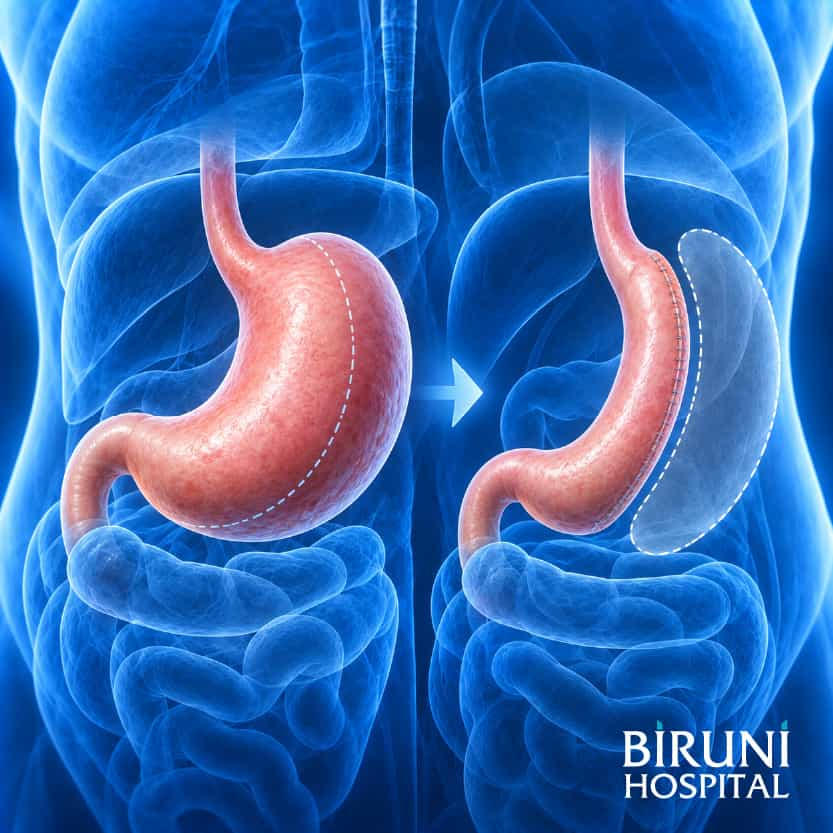
Biologically, these surgeries work by restricting the amount of food your stomach can hold, reducing nutrient absorption, or a combination of both. This metabolic change also alters gut hormones, which can significantly reduce hunger signals. Below is a clinical comparison of the most common procedures.
| Procedure Type | How It Works (Clinical Mechanism) | Typical Weight Loss Expectation | Best Suited For |
|---|---|---|---|
| Gastric Sleeve (Sleeve Gastrectomy) | Removes ~80% of the stomach, leaving a banana-sized "sleeve." Reduces capacity and hunger hormone (ghrelin) production. | 60% to 70% of excess body weight within 12-18 months. | Patients seeking significant weight loss with fewer long-term nutritional deficiencies than bypass. |
| Gastric Bypass (Roux-en-Y) | Creates a small stomach pouch and reroutes the small intestine. Combines restriction with malabsorption. | 70% to 80% of excess body weight within 12-18 months. | Patients with severe obesity, severe acid reflux (GERD), or uncontrolled type 2 diabetes. |
| Gastric Balloon (Non-Surgical) | A temporary silicone balloon is placed in the stomach endoscopically to create a feeling of fullness. | 10% to 15% of total body weight within 6 months. | Patients with lower BMI who do not qualify for or want invasive surgery. |
Cost of Bariatric Surgery in Turkey vs. Your Home Country
Cost is frequently the primary reason you may look into bariatric surgery in Turkey. However, it is vital to understand what you are paying for. Prices vary based on the surgeon's expertise, the hospital's infrastructure, and the complexity of your specific medical condition.
In Turkey, clinics typically offer "all-inclusive packages." These generally cover the surgical fee, anesthesia, hospital stay, routine pre-op diagnostics, hotel accommodation, and airport transfers. They usually do not cover flights, specialized medical complications insurance, or extended stays if complications arise.
Comparative Average Costs (USD)
| Country | Gastric Sleeve Estimated Cost | Gastric Bypass Estimated Cost | Inclusions Typically Standard? |
|---|---|---|---|
| United States | $15,000 - $25,000 | $20,000 - $35,000 | No (Usually procedure only) |
| United Kingdom (Private) | $10,000 - $15,000 | $12,000 - $18,000 | No (Usually procedure only) |
| Canada (Private) | $14,000 - $20,000 | $18,000 - $24,000 | No (Usually procedure only) |
| Turkey | $3,000 - $4,500 | $4,000 - $5,500 | Yes (Hotel, hospital, transfers) |
Choosing the Right Hospital in Turkey for Weight Loss
Your safety during bariatric surgery in Turkey depends entirely on the facility where the procedure takes place. You must look beyond glossy marketing photos and focus on strict regulatory credentials. The Turkish government highly regulates medical tourism, but you must still do your due diligence.
Prioritize hospitals and clinics that hold verifiable licenses. The foundation of safe medical care in this region is government oversight. Only consider facilities that are transparent about their emergency protocols and ICU capabilities.
Essential Certificates to Verify
- Ministry of Health License: Facility must be registered with the Republic of Turkey Ministry of Health.
- Health Tourism Authorization: A mandatory government certificate for treating foreign patients.
- On-site ICU: Critical for managing rare but severe surgical emergencies.
- JCI Accreditation (Optional but Good): Joint Commission International indicates high global standards.
Red Flags to Avoid
- Refusal to Share Licenses: If they will not show their MOH certificate, walk away.
- No On-site ICU: Clinics relying on transferring you to another hospital during an emergency are high-risk.
- Aggressive Sales Tactics: Pressuring you to pay deposits immediately without a doctor's consultation.
- Vague Pricing: Refusing to provide a fully itemized breakdown of costs.
Selecting a Qualified Bariatric Surgeon in Turkey
The surgeon's skill is the most critical variable in your outcome. Bariatric surgery is technically demanding, requiring advanced laparoscopic skills. You must verify that your chosen doctor is fully certified to perform bariatric surgery in Turkey.
Do not rely solely on social media followers or unverified testimonials. You should look for objective evidence of their medical training, specialization, and standing within professional medical communities.
Surgeon Vetting Checklist
- Are they an active member of the Turkish Medical Association (TTB)?
- Are they board-certified in General Surgery by the national medical council?
- Are they a member of IFSO (International Federation for the Surgery of Obesity)?
- How many specific procedures (e.g., gastric sleeves) do they perform annually? (Look for high-volume specialists).
- Do they have a clear, documented complication management protocol?
The Bariatric Surgery Patient Journey in Turkey
Understanding the timeline of bariatric surgery in Turkey helps manage your expectations and reduces pre-travel anxiety. The journey requires strict adherence to medical protocols both before you fly and after you land.
Before traveling, you will typically be required to start a liver-shrinking diet. This pre-op diet reduces fat around your liver, making the laparoscopic surgery safer. Once you arrive in Turkey, the clinical process begins immediately.
| Phase | Typical Timeframe | Key Medical Actions & Patient Steps |
|---|---|---|
| Pre-Travel | 2-4 Weeks Before | Remote consultation, medical history review, starting the liver-shrinking liquid diet. |
| Arrival & Diagnostics | Day 1 | Arrive in Turkey. Undergo comprehensive blood tests, ECG, endoscopy, and meet the surgeon and anesthesiologist. |
| Surgery Day | Day 2 | Procedure performed under general anesthesia. Moved to recovery and then a private hospital room. |
| Hospital Recovery | Days 3-5 | Inpatient monitoring. IV fluids, leak tests, beginning clear liquid diet, and assisted walking to prevent blood clots. |
| Hotel Rest & Clearance | Days 6-8 | Discharged to a hotel. Resting, continuing liquid diet. Final surgeon follow-up and "fit to fly" clearance. |
Risks, Safety, and Medical E-E-A-T Considerations
All surgical procedures carry inherent risks, and bariatric surgery in Turkey is no exception. It is crucial to approach this decision with a realistic understanding of potential complications. A reputable surgeon will discuss these risks openly during your consultation.
Biologically, altering the digestive tract stresses the body. Immediate risks include bleeding, infection, and adverse reactions to anesthesia. Specific to bariatric procedures, there is a risk of staple line leakage, which requires immediate medical intervention. Long-term risks involve nutritional deficiencies if you do not adhere to lifelong vitamin supplementation.
Medical Warning Signs Post-Surgery
If you experience any of the following symptoms after surgery (whether in Turkey or back home), seek immediate emergency medical care:
- Persistent fever over 101°F (38.3°C).
- Severe, worsening abdominal pain not relieved by medication.
- Shortness of breath or chest pain (signs of a potential pulmonary embolism).
- Inability to keep liquids down for more than 12 hours.
Post-Op Recovery and Traveling Home from Turkey
Your recovery from bariatric surgery in Turkey begins the moment you wake up, but it continues for months at home. Traveling shortly after surgery increases the risk of deep vein thrombosis (DVT). Therefore, your surgeon will likely require you to stay in Turkey for several days post-op.
During your flight home, you must get up and walk down the aisle every hour, stay hydrated with small sips of water, and wear compression socks. Once home, your body will undergo rapid clinical and biological changes as you transition through the specialized diet phases.
| Timeframe | Dietary Stage | Biological Process & Patient Sensation | Required Action |
|---|---|---|---|
| Weeks 1-2 | Clear Liquids | Stomach is healing. Extreme restriction; you will feel full after just a few sips. Fatigue is common. | Sip water constantly to avoid dehydration. Take prescribed liquid vitamins. |
| Weeks 3-4 | Pureed Foods | Swelling decreases. Digestive system slowly adapts to processing soft matter. | Blend foods completely. Prioritize high-protein options to support tissue healing. |
| Weeks 5-6 | Soft Foods | Staple line is mostly healed. Hormonal changes strongly suppress appetite. | Chew food 20-30 times per bite. Stop eating the moment you feel pressure. |
| Month 2+ | Solid Foods | Long-term metabolic adaptation begins. Rapid weight loss phase starts. | Maintain lifelong vitamin regimen. Follow a protein-first diet. |
Frequently Asked Questions About Bariatric Surgery in Turkey
Patients researching bariatric surgery in Turkey often share similar concerns. Below are evidence-based answers to help clarify the medical and logistical realities of the procedure.
Is bariatric surgery in Turkey safe?
Bariatric surgery in Turkey can be safe if you choose a Ministry of Health-licensed hospital and a board-certified surgeon. However, all surgeries carry risks like infection or leakage. Proper vetting of the facility's ICU capabilities and the surgeon's experience is critical for patient safety.
How long do I need to stay in Turkey for a gastric sleeve?
You typically need to stay in Turkey for 7 to 10 days. This includes pre-operative testing, 3 to 4 days recovering in the hospital, and a few days resting in a hotel for follow-up checks before your surgeon clears you as "fit to fly" home.
What happens if I have a complication after returning home?
If you experience a medical emergency back home, you must go to your local emergency room immediately. Reputable Turkish clinics provide detailed operative reports for your local doctors. Some patients also purchase specific medical tourism insurance to cover post-op complications abroad.
Will I have loose skin after losing weight?
Loose skin is a common biological outcome of massive, rapid weight loss following bariatric surgery. Factors include your age, genetics, and how much weight you lose. Many patients eventually pursue post-bariatric body contouring surgeries, though this is a separate procedure.
Can I travel alone for weight loss surgery in Turkey?
While you can travel alone, having a companion is highly recommended for emotional and physical support during recovery. If you travel alone, ensure your chosen clinic provides a dedicated patient coordinator to assist you during your hospital stay and hotel transfers.
Why is weight loss surgery so much cheaper in Turkey?
The cost difference is largely due to lower local operational costs, favorable exchange rates for USD/GBP/EUR, and government subsidies aimed at promoting health tourism. The lower price does not inherently mean lower quality, provided you select fully licensed, accredited providers.
What is the minimum BMI required for surgery in Turkey?
Internationally recognized medical guidelines, which reputable Turkish surgeons follow, typically require a Body Mass Index (BMI) of 35 or higher, or a BMI of 30-34.9 if accompanied by severe obesity-related comorbidities like type 2 diabetes or sleep apnea.
Do Turkish doctors speak English?
Leading bariatric surgeons in Turkey who cater to international patients often speak English fluently. Furthermore, accredited international patient departments provide dedicated medical interpreters to ensure you understand all medical instructions and consent forms clearly.
Will the weight loss from a gastric bypass be permanent?
Bariatric surgery is a powerful tool, but it is not a permanent guarantee. Long-term success requires lifelong commitment to dietary changes, portion control, and exercise. If you revert to unhealthy eating habits, it is clinically possible to regain weight.
Do I need to take vitamins forever after surgery?
Yes. Procedures like the gastric bypass reduce your body's ability to absorb nutrients. You will need to take specialized bariatric multivitamins, calcium, iron, and B12 supplements for the rest of your life to prevent severe biological deficiencies.
Need Help Planning Your Treatment?
Navigating international healthcare options can feel overwhelming. PlacidWay can help you compare highly-rated providers, understand itemized treatment costs, and request direct information from certified clinics in Turkey.
Submit Your Request | Get Healthcare Providers Specific to Your NeedsDisclaimer: This information is for educational purposes only and does not replace professional medical advice. Always consult a qualified healthcare provider before making medical decisions.
References
- Patient Information – International Federation for the Surgery of Obesity and Metabolic Disorders (IFSO)
- Bariatric Surgery Procedures – American Society for Metabolic and Bariatric Surgery (ASMBS)
- Medical Ethics and Patient Rights – Turkish Medical Association (TTB)
- Health Tourism Authorization Certificate Guidelines – Republic of Turkey Ministry of Health
- Health Tourism Data and Statistics – USHA? (International Health Services, Turkey)
- Overview: Weight Loss Surgery – National Health Service (NHS)
- Potential Candidates for Bariatric Surgery – National Institute of Diabetes and Digestive and Kidney Diseases (NIDDK)

























Share this listing