

If you are considering traveling abroad for cosmetic surgery, finding trustworthy information about your options can feel difficult. Many international patients want to reduce their facelift cost in Bangkok, Thailand, without compromising on medical safety or surgical quality. To protect your health, you need to know exactly how to verify local credentials like the Thai Medical Council registration and Hospital Accreditation (HA) Thailand, alongside international standards. This comprehensive guide helps you navigate procedure costs, surgeon qualifications, and what you should expect during your entire medical journey.
Quick Summary: Facelift in Bangkok
- Estimated Cost: Typically ranges from $4,500 to $9,500 USD, depending on technique and hospital.
- Safety Overview: Generally safe when performed in licensed facilities by board-certified plastic surgeons.
- Ideal Candidate: Healthy adults (typically 45-70 years old) with visible facial skin laxity and realistic expectations.
- Recovery Time: Most patients need 10 to 14 days in Bangkok for initial recovery before they are cleared to fly home.
- Why Choose Bangkok: High concentration of experienced specialists, advanced private healthcare infrastructure, and significant cost savings compared to Western countries.
- Critical Credentials: Always look for surgeons registered with the Thai Medical Council and facilities accredited by HA (Hospital Accreditation Thailand) or JCI (Joint Commission International).
Understanding the Patient Journey to Bangkok, Thailand
Making the decision to undergo facial rejuvenation abroad involves careful planning, emotional preparation, and thorough research. Patients who travel for a rhytidectomy (facelift) are looking for a combination of expert surgical skill, excellent post-operative care, and an environment that allows them to recover privately before returning home.
Bangkok has positioned itself as a primary hub for cross-border healthcare. The city offers private medical facilities that cater specifically to international visitors, often featuring dedicated international patient centers, multilingual medical coordinators, and VIP recovery suites.
Primary Reasons Patients Travel for This Procedure
- Favorable Exchange Rates: Currency differences allow patients from North America, Australia, and Europe to access premium healthcare at a lower price point.
- Specialized Expertise: Many Thai plastic surgeons complete international fellowships and perform a high volume of facial procedures annually.
- Comprehensive Care Packages: Hospitals often bundle the surgery, anesthesia, private room, and follow-up visits into transparent, all-inclusive pricing.
- Discreet Recovery: Recovering far from home provides privacy during the initial healing phase when swelling and bruising are most prominent.
- Integrated Tourism: While rest is the priority, the destination offers comfortable luxury accommodations and excellent hospitality services suitable for medical recovery.
Patient Demographics and Travel Trends
Understanding who travels to Bangkok for facial cosmetic surgery provides helpful context for your own decision. Recent healthcare reports from 2024 show specific demographic patterns among international medical tourists visiting Thailand for facial rejuvenation.
The majority of these patients travel from higher-income nations where out-of-pocket costs for elective aesthetic surgery are prohibitive. Australia, the United States, and the United Kingdom remain the top three source countries for medical tourists seeking facelifts in Bangkok. Patients from the Middle East and neighboring Asian countries also represent a significant portion of inbound medical travelers.
2024 International Patient Age Distribution (Bangkok Cosmetic Surgery)
This bar chart illustrates the age distribution of international patients undergoing facial rejuvenation procedures in Bangkok, based on 2024 clinical registry data trends.
2024 Cross-Border Patient Recovery Trends for Elective Surgery (Thailand)
This line graph demonstrates the steady quarterly increase in international patient arrivals for cosmetic procedures in Thailand throughout 2024, showing a robust return to established healthcare hubs.
What is a Facelift (Rhytidectomy)?
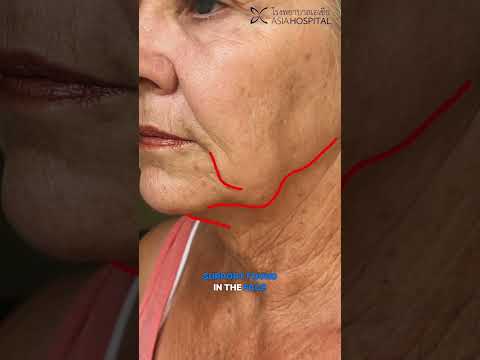
A facelift, medically known as a rhytidectomy, is a surgical procedure designed to reduce visible signs of aging in the lower face and neck. As you age, the skin naturally loses elasticity, and the underlying tissues, known as the SMAS (Superficial Musculoaponeurotic System), begin to droop due to gravity and volume loss.
The surgery addresses these biological changes by repositioning the deeper anatomical layers, removing excess skin, and re-draping the remaining skin for a smoother, firmer appearance. It is important to note that a traditional facelift focuses primarily on the lower two-thirds of the face. It does not address the brow area or the eyelids, though these procedures are frequently combined.
Types of Facelifts Available in Bangkok
Surgical techniques have evolved significantly over the years. Modern procedures focus on natural-looking results rather than the "pulled" look of the past. When consulting with your surgeon in Thailand, your doctor may recommend a specific approach based on your anatomy and aesthetic goals.
| Procedure Type | Clinical Focus | Ideal Patient Profile |
|---|---|---|
| SMAS Facelift | Lifts and tightens the Superficial Musculoaponeurotic System layer beneath the skin. | Patients with moderate to severe sagging in the mid-face and jowls. |
| Deep Plane Facelift | Releases ligaments and moves the muscle and skin layers as a single unit for less tension. | Patients seeking profound mid-face correction and long-lasting results. |
| MACS Lift (Mini) | Minimal Access Cranial Suspension uses shorter incisions and vertical lifting. | Younger patients (40s-50s) with mild to moderate lower face sagging. |
| Neck Lift | Focuses purely on the platysma muscle and loose skin under the chin. | Often combined with a facelift to address "turkey neck" and define the jawline. |
Assessing Your Suitability for Treatment
Not everyone is an ideal candidate for aesthetic facial surgery. Prior to approval, a qualified medical provider must evaluate your physical health, medical history, and psychological readiness. Good candidates generally share several clinical traits.
You should be in good overall health without medical conditions that impair healing, such as uncontrolled diabetes or severe cardiovascular disease. Smoking significantly restricts blood flow to the skin, which can cause severe complications like tissue necrosis. Surgeons require patients to completely stop smoking and using nicotine products at least four to six weeks before and after surgery.
Facelift Cost in Bangkok vs. Other Countries
Cost is a primary driver for medical travel. The price of medical care in Thailand is highly competitive compared to Western healthcare systems. This difference is not due to lower quality, but rather lower operational costs, favorable currency exchange rates, and a lower cost of living.
Keep in mind that these estimates are averages in USD. The exact price varies depending on the surgeon's experience, the hospital's tier, the specific surgical technique used, and the complexity of your individual case.
| Country | Estimated Average Cost (USD) | Notes |
|---|---|---|
| United States | $12,000 - $25,000+ | Often excludes anesthesia and facility fees. |
| Australia | $10,000 - $20,000+ | High local labor and facility overhead costs. |
| United Kingdom | $9,000 - $18,000+ | Private clinical fees apply. |
| Bangkok, Thailand | $4,500 - $9,500 | Often structured as inclusive medical packages. |
Detailed Breakdown: What is Included in the Cost?
When reviewing a quotation from a Bangkok clinic, it is crucial to understand what the price covers. Some facilities provide a comprehensive package, while others itemize their billing. Transparency is a strong indicator of a trustworthy provider.
A standard comprehensive surgical package typically includes the surgeon's fee, anesthesiologist's fee, operating room charges, and basic medical supplies. It usually covers an overnight hospital stay if general anesthesia is used. However, you should ask your medical coordinator if pre-operative laboratory tests, post-operative medications, special compression garments, and follow-up consultations are included in the initial quote.
Budgeting Tip for International Patients
Beyond the clinical costs, remember to budget for indirect expenses. These include round-trip flights, a 10 to 14-day stay in a hotel during recovery, daily meals, local transportation, and travel medical insurance that specifically covers complications from elective surgery.
Choosing the Right Hospital or Clinic in Bangkok
Your safety depends heavily on where the surgery takes place. Bangkok is home to numerous world-class private hospitals, but patient diligence is required. Do not base your decision solely on marketing materials, social media photos, or price.
Prioritize facilities that hold recognized certifications. Locally, look for hospitals approved by the Ministry of Public Health and accredited by Hospital Accreditation (HA) Thailand. This national body ensures strict adherence to clinical safety, infection control, and emergency protocols. On an international level, Joint Commission International (JCI) accreditation is a strong indicator that the hospital meets global healthcare standards, though highly reputable local clinics may operate safely under strict national regulations alone.
How to Verify a Plastic Surgeon in Thailand
The skill and credentials of your surgeon dictate the quality and safety of your outcome. In Thailand, medical practice is strictly regulated, and you have the right to verify a doctor's background before committing to surgery.
First, verify that the doctor holds an active medical license with the Thai Medical Council. Secondly, ensure they are board-certified in plastic and reconstructive surgery. Membership in the Society of Plastic and Reconstructive Surgeons of Thailand (ThPRS) is a critical indicator of specialized training. Additionally, many elite surgeons in Bangkok are also international members of organizations like the American Society of Plastic Surgeons (ASPS) or the International Society of Aesthetic Plastic Surgery (ISAPS).
Vetting Checklist: Questions to Ask the Clinic
- Is the surgeon board-certified by the Thai Medical Council in plastic surgery?
- How many facelift procedures does this specific surgeon perform annually?
- Does the facility have an on-site Intensive Care Unit (ICU) for emergencies?
- What is the clinic's protocol if a surgical revision is necessary?
- Will an English-speaking coordinator be available during all consultations and treatments?
The Consultation Process for International Patients
Because you are traveling from abroad, your consultation process will likely begin online. Reputable clinics will ask you to submit a detailed medical history form along with high-resolution, unedited photos of your face and neck from multiple angles.
During a video consultation, the surgeon will assess your anatomy and discuss your aesthetic goals. They will explain what is surgically achievable and outline the risks. Once you arrive in Bangkok, an in-person consultation and comprehensive physical examination are mandatory before proceeding to the operating room. This is the time to confirm the surgical plan, review pre-operative blood tests, and sign informed consent documents.
Understanding the Procedure Steps
Knowing what happens in the operating room can help alleviate pre-surgery anxiety. The procedure typically takes between three to five hours, depending on the complexity and whether other surgeries are being performed simultaneously.
General anesthesia or intravenous sedation with local anesthesia is administered for your comfort. The surgeon places incisions discreetly in the hairline at the temples, continuing down and around the front of the ears, and ending behind the ears in the lower scalp. The surgeon lifts the skin, tightens the underlying SMAS tissue, removes excess fat and skin, and meticulously closes the incisions with sutures or skin adhesives to minimize scarring.
Recovery Timeline and Travel Considerations
Healing is a gradual process. While you may feel physically fine after a few days, your face needs time to heal before you can safely navigate the stress of international travel. Flying too soon can increase swelling and the risk of deep vein thrombosis (DVT).
| Timeframe | Biological Process & Sensation | Patient Action Required |
|---|---|---|
| Days 1-3 | Maximum swelling and bruising. Tightness and mild to moderate discomfort. | Rest in hotel/hospital. Sleep with head elevated at 30 degrees. Wear compression garment if instructed. |
| Days 4-7 | Swelling begins to subside. Bruising may change colors (yellow/green). | Attend follow-up appointment for drain or suture removal. Short, gentle walks indoors. |
| Days 10-14 | Majority of visible bruising fades. Incisions begin to seal completely. | Final medical clearance check. Often cleared to fly home depending on surgeon's advice. |
| 3-6 Months | Deep tissue healing. Minor residual swelling resolves. Scars begin to mature and fade. | Protect scars from sun exposure with high SPF. Resume all normal rigorous activities. |
Potential Risks and Surgical Complications
All surgical interventions carry inherent medical risks. While selecting a highly qualified surgeon and an accredited facility in Bangkok minimizes these risks, you must be aware of potential complications before making a decision.
Common temporary side effects include swelling, bruising, and numbness. More serious complications can include hematoma (a collection of blood under the skin requiring removal), infection, poor wound healing, or unfavorable scarring. In rare cases, injury to branches of the facial nerve can cause temporary or permanent muscle weakness. Discuss these risks openly with your surgeon and ask about their complication management protocols.
Important Safety Warning
If you experience sudden, severe pain on one side of your face or neck, rapid and excessive swelling, or shortness of breath after your surgery, seek immediate emergency medical assistance. These may be signs of a hematoma or other severe complications that require prompt clinical intervention.
Combining Facelift with Other Procedures
Because international patients want to maximize their travel investment and consolidate recovery time, many choose to undergo combined procedures. A facelift is frequently paired with other facial surgeries to achieve comprehensive rejuvenation.
Blepharoplasty (eyelid surgery) is the most common complementary procedure, addressing drooping upper eyelids or bags under the eyes. A brow lift can correct a heavy, sagging forehead. In some cases, fat grafting is utilized to restore lost volume to the cheeks and under-eye hollows. While combining surgeries is generally safe, it does increase the total time under anesthesia and may complicate the initial recovery phase.
Patient Safety and Visa Requirements in Thailand
When traveling for medical reasons, you must ensure your administrative and travel logistics are in order. Citizens from many Western countries, including the US, UK, and Australia, are eligible for visa exemption entries allowing stays of up to 30 days, which is generally sufficient for facelift recovery.
However, if complications arise or you plan an extended stay, you may need a medical visa. Hospitals in Bangkok with international patient departments usually assist with visa extension documentation if medically necessary. Always register your travel plans with your home country's embassy and maintain a list of local emergency contacts, including your clinic's 24/7 support line.
Frequently Asked Questions
Patients researching cosmetic surgery abroad naturally have many detailed questions. Below are the most common inquiries regarding this treatment in Thailand.
How long will the results of a facelift last?
A facelift does not stop the aging process, but it sets the clock back. Typically, results can last 7 to 10 years, sometimes longer with advanced deep-plane techniques. Your genetics, lifestyle, and sun protection habits play a major role in longevity.
Will I have visible scars after the surgery?
Surgeons place incisions in natural skin creases, such as inside or behind the ear cartilage and along the hairline, to hide scarring. While scars are permanent, they typically fade over 6 to 12 months and become barely noticeable in most patients.
Is it safe to fly home with stitches in my face?
Surgeons generally require you to stay in Bangkok until all external sutures or staples are removed and the initial risk of hematoma has passed. This usually takes 10 to 14 days. Flying too soon increases risks due to cabin pressure changes and dry air.
Do Bangkok hospitals offer medical complication insurance?
Some top-tier private hospitals in Bangkok offer optional medical complication insurance for international patients. Additionally, specialized third-party medical tourism insurance can be purchased before you travel to cover unforeseen clinical issues.
How painful is the recovery process?
Most patients report feeling tightness and discomfort rather than severe pain. This is usually managed effectively with oral pain medication prescribed by your clinic for the first few days. Numbness around the ear area is common and temporary.
Can I go sightseeing in Thailand after my surgery?
Strenuous activities, prolonged walking, and heat exposure must be avoided for at least two to three weeks. If you wish to enjoy a vacation in Thailand, it is highly recommended to do your sightseeing before the surgery date.
What happens if I am not satisfied with the result?
Reputable clinics have transparent revision policies. If a clinical issue arises, minor revisions may be offered at a reduced cost or free of charge, excluding facility fees. Always review this policy in writing before paying your deposit.
Why do I need to stop smoking before surgery?
Nicotine constricts blood vessels, dramatically reducing oxygen flow to your skin. In facelift surgery, where skin flaps are lifted, restricted blood flow can lead to tissue death (necrosis) and severe scarring. You must quit completely for weeks before and after the procedure.
Will I need general anesthesia?
A full facelift typically requires general anesthesia for your safety and comfort. However, less invasive procedures like a mini facelift might be performed under deep intravenous sedation combined with local anesthesia, depending on the surgeon's protocol.
How do I communicate with the medical staff if I don't speak Thai?
Leading international hospitals in Bangkok employ English-speaking doctors and nurses. Furthermore, they provide dedicated medical interpreters at no extra cost to ensure you fully understand medical terms, consent forms, and aftercare instructions.
Ready to Explore Your Options?
PlacidWay can help you compare certified providers in Bangkok, understand treatment costs, review doctor credentials, and ask the right questions before you make a decision.
Request Free Information from ClinicsDisclaimer: This information is for educational purposes only and does not replace professional medical advice. Always consult a qualified healthcare provider before making medical decisions. Statistics and costs provided are based on recent averages and may vary by provider and individual clinical circumstances.
References
- Global Statistics on Aesthetic Surgery – International Society of Aesthetic Plastic Surgery (ISAPS)
- JCI Accredited Organizations in Bangkok – Joint Commission International
- Verification of Medical Practitioners – Thai Medical Council
- Guidelines for Plastic and Reconstructive Surgery – Society of Plastic and Reconstructive Surgeons of Thailand (ThPRS)
- National Healthcare Quality Standards – Healthcare Accreditation Institute Thailand
- Medical Tourism Safety and Travel Guidelines – Centers for Disease Control and Prevention (CDC)
- 2024 International Medical Travel Data and Demographics – Ministry of Tourism and Sports Thailand
























Share this listing