
For many Americans, the attraction begins with a practical question: can you receive plastic surgery in the Dominican Republic at a more manageable price without compromising your safety? Lower public price quotes, frequent travel connections and access to Spanish-speaking surgeons attract attention, particularly for liposuction, tummy tuck, breast surgery and body contouring. However, an appealing package is not enough. Before choosing a provider, you should verify the surgeon through SODOCIPRE, confirm the facility’s Ministry of Public Health habilitation licence and understand exactly who will manage complications after you return to the United States.
Quick Summary:
- Illustrative Dominican price range: approximately $2,500 to $12,000, depending on the operation, complexity, surgeon, facility and package inclusions.
- Common procedures: liposuction, abdominoplasty, breast augmentation, breast lift, rhinoplasty and combined body-contouring surgery.
- Surgeon verification: look for a valid Dominican medical authorisation, plastic-surgery specialty training, active professional standing and a listing with SODOCIPRE.
- Facility verification: request the current Ministry of Public Health habilitation licence and confirm that its authorised services include your planned surgery.
- Recovery: you may need several days or weeks of restricted activity, while swelling, scar maturation and final results can continue for months.
- Main attraction: lower quoted prices, proximity to the United States, established tourism infrastructure and cultural familiarity.
- Important caution: U.S. health authorities have documented deaths, difficult infections and blood-clot complications among Americans receiving cosmetic surgery in the country.
- Best next step: obtain an independent medical assessment in the United States before paying a deposit or booking flights.
Why Americans Consider Plastic Surgery in the Dominican Republic?
The Dominican Republic appeals to Americans because it combines relatively short travel routes with a mature international-tourism economy. The country received more than 11 million visitors in both 2024 and 2025, and the United States remained its largest source market. These figures describe general tourism rather than medical tourism because no official public dataset isolates every American travelling specifically for plastic surgery.
Cost is usually the strongest initial motivation. Cosmetic procedures are commonly self-funded in the United States, and the final bill can include the surgeon, anaesthetist, operating room, implants, laboratory tests, garments and follow-up visits. Dominican packages may bundle several of these items into one quote, making the amount appear easier to understand and finance.
Cultural familiarity also matters. Americans with Dominican or wider Caribbean family connections may already speak Spanish, know the country or have relatives who can provide support. Patients may also travel for lower costs, shorter waiting periods, culturally familiar providers and the convenience of receiving several services in one destination.
Lower Public Quotes
Dominican estimates may be lower than complete U.S. cash prices, particularly for body-contouring combinations.
Travel Accessibility
Regular tourism between the countries can make planning simpler than travelling to a distant medical destination.
Bilingual Coordination
Some international-patient teams provide English communication, although you should confirm coverage during nights and emergencies.
Combined Services
Packages may include surgery, accommodation, transportation, garments and early postoperative appointments.
International Visitor Access Trend
Interpretation: visitor growth supports travel accessibility, but these figures should not be interpreted as plastic-surgery patient volumes.
Which Plastic Surgery Procedures Attract American Patients?
American patients commonly investigate body contouring and breast procedures in the Dominican Republic. Liposuction removes localised fat through narrow suction instruments, while abdominoplasty removes excess abdominal skin and may repair separated abdominal muscles. Breast augmentation uses implants or fat transfer, whereas a breast lift reshapes and raises existing breast tissue.
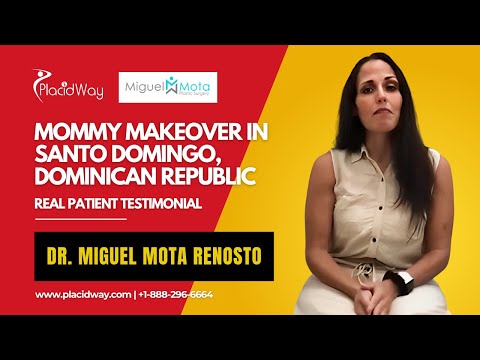
A “mommy makeover” is not one standard operation. It is a marketing term for an individualised combination that may include tummy tuck, breast surgery and liposuction. Combining procedures can reduce the number of separate anaesthetics and trips, but longer operations and broader surgical areas can also increase physiological stress. Your surgeon should explain why each procedure can be completed together safely rather than treating the largest combination as the best value.
U.S. demand helps explain which procedures appear frequently in international packages. According to the American Society of Plastic Surgeons, leading cosmetic operations include liposuction, breast augmentation, tummy tuck, breast lift and eyelid surgery. These are U.S. procedure patterns, not Dominican medical-tourism statistics.
| Procedure | What It Changes? | Important Limitation | Questions to Ask |
|---|---|---|---|
| Liposuction or Lipo 360 | Removes localised fat to alter body contours. | It is not a weight-loss treatment and does not reliably tighten substantial loose skin. | How much fat is planned, which areas are included and how fluid balance will be monitored? |
| Abdominoplasty | Removes loose abdominal skin and may repair muscle separation. | It creates a long scar and requires restricted lifting during early healing. | Will muscle repair be performed, and what is the blood-clot prevention plan? |
| Breast augmentation | Adds breast volume using implants or transferred fat. | Implants are not lifetime devices and may require future monitoring or revision. | Which implant, manufacturer, warranty, incision and follow-up plan are recommended? |
| Breast lift | Raises and reshapes sagging breast tissue. | It creates scars and may not provide the upper-pole fullness some patients expect. | Is an implant necessary, or can lifting alone meet the agreed objective? |
| Gluteal fat transfer | Transfers fat removed by liposuction into the buttocks. | Fat entering large veins can cause a life-threatening pulmonary fat embolism. | What injection plane, imaging guidance and emergency protocol will be used? |
| Rhinoplasty | Changes nasal shape and may address breathing concerns. | Swelling can take months to settle, and revision surgery may be complex. | How will appearance, airflow and long-term structural support be balanced? |
How Much Does Plastic Surgery in the Dominican Republic Cost?
Plastic surgery in the Dominican Republic may be less expensive than a complete self-pay procedure in the United States, but there is no official national price list. The ranges below are broad planning figures based on publicly visible Dominican market quotations. They are not guaranteed prices, official averages or personalised quotations.
For context, American price pages often report surgeon fees separately from anaesthesia, operating-facility charges, tests, garments, implants and related expenses. Those figures should not be compared directly with an international package that may include several services.
| Procedure | Illustrative Dominican Range | Comparison Warning |
|---|---|---|
| Liposuction or Lipo 360 | $3,000–$6,000 | Number of areas, fat volume, anaesthesia and facility costs vary greatly. |
| Gluteal fat transfer or BBL | $2,500–$6,000 | Never choose this procedure by price without reviewing technique and embolism precautions. |
| Tummy tuck | $3,500–$8,000 | Muscle repair, liposuction and overnight observation may change the total. |
| Breast augmentation | $3,000–$6,500 | Confirm implant brand, warranty, anaesthesia, facility and revision terms. |
| Rhinoplasty | $3,000–$6,500 | Primary and revision rhinoplasty should not be priced as equivalent operations. |
| Mommy makeover | $6,000–$12,000 | The name may represent very different combinations and operating times. |
What a Written Plastic Surgery Quote Should Include?
- Named surgeon and anaesthetist
- Exact procedure and treatment areas
- Hospital or surgical-facility fee
- Anaesthesia and operating-room charges
- Implant or medical-device costs
- Preoperative laboratory testing
- Prescribed medicines
- Compression garments
- Postoperative appointments
- Transportation and accommodation
- Emergency evaluation and hospital admission
- Blood transfusion or diagnostic imaging
- Extended accommodation after delayed clearance
- Drain, wound or nursing support
- Revision policy and exclusions
Who Travels to the Dominican Republic for Plastic Surgery?
Reliable public information about the age, gender, income and home state of American plastic-surgery patients travelling to the Dominican Republic remains limited. Clinics may publish their own patient profiles, but those figures cannot represent the entire national market. Claims that a particular age group or procedure dominates Dominican medical tourism should therefore be treated cautiously unless the underlying dataset is disclosed.
General tourism statistics show a strong North American connection. The United States remains the country’s largest source market, followed by Canada. This does not tell us how many received medical care, but it helps explain why U.S.-focused clinic coordinators, flights, accommodation services and recovery businesses have developed around the market.
Within the United States, adults aged 40–54 account for a large share of cosmetic procedures, while adults aged 30–39 show strong interest in breast and body procedures. These U.S. patterns provide context for international demand but should not be presented as Dominican patient demographics.
Top Origins of Dominican Republic Visitors in 2024
Data limitation: these are general visitor origins, not a breakdown of plastic-surgery patients.
Common Motivations Reported by Prospective Patients
- Reducing the total self-pay cost of elective surgery
- Receiving several body-contouring procedures during one trip
- Working with a Spanish-speaking or culturally familiar medical team
- Staying near relatives or trusted contacts in the country
- Accessing surgeons whose aesthetic style matches the patient’s goals
- Combining surgery with structured accommodation and transportation services
These motivations are understandable, but they do not predict a safe result. Your health status, the proposed operating time, infection-control standards, surgeon training and aftercare plan matter more than the destination’s popularity.
How to Verify a Dominican Plastic Surgeon and Surgical Facility?
A safe provider search should begin with government authorisation, not social-media popularity. Dominican healthcare establishments offering surgical or aesthetic services fall within the Ministry of Public Health’s technical habilitation framework. Ask the clinic to identify the exact legal facility in which your operation will occur.
Verify the Plastic Surgeon
SODOCIPRE, the Dominican Society of Plastic, Reconstructive and Aesthetic Surgery, maintains a directory of plastic-surgery members. The organisation advises patients to check whether their proposed surgeon appears in its official list. Membership is an important screening signal, but you should still verify current credentials, facility privileges and experience with your operation.
| Credential or Evidence | What to Request? | Why It Matters? |
|---|---|---|
| Dominican medical authorisation | Full legal name and exequatur or professional authorisation details | Shows that the doctor is authorised to practise medicine in the country. |
| Plastic-surgery training | Medical degree and completed plastic-surgery specialty programme | A general medical licence alone does not establish specialist surgical training. |
| SODOCIPRE listing | Match the surgeon’s legal name against the society’s current member directory | Provides a country-specific professional verification point. |
| Procedure experience | Annual case volume, revision experience and complication-management examples | Experience should match the exact procedure, not plastic surgery generally. |
| Hospital privileges | Facilities where the surgeon is authorised to perform your planned procedure | Privileges provide an additional institutional review of qualifications. |
Verify the Clinic or Hospital
Ask for the facility’s current Ministry of Public Health habilitation licence, legal facility name, licence number and approved service list. Confirm that the authorised services include surgery, anaesthesia and postoperative recovery appropriate for your procedure. A recovery house, hotel or private apartment is not a substitute for a licensed surgical facility or hospital.
Clinical Infrastructure
- Licensed operating room
- Qualified anaesthesia professional
- Monitoring and resuscitation equipment
- Emergency medicines and oxygen
- Access to laboratory and imaging services
Complication Planning
- Written hospital-transfer protocol
- Named receiving hospital
- Emergency contact available day and night
- Blood-clot prevention protocol
- Clear admission and payment procedures
Infection Prevention
- Instrument sterilisation process
- Environmental cleaning standards
- Hand-hygiene policies
- Wound-care instructions
- Process for tracking postoperative infections
International accreditation such as JCI or Temos may provide another quality signal when genuinely held by the operating facility. It is not legally required for every Dominican provider, and its absence does not automatically establish that a facility is unsafe. National licensing and procedure-specific capability should remain your starting points.
What Safety Risks Should American Patients Understand?
Plastic surgery carries risks in every country, including bleeding, infection, anaesthetic reactions, blood clots, fluid collections, wound separation, tissue loss, scarring, asymmetry and the possibility of revision surgery. International travel adds concerns involving flight-related immobility, unfamiliar healthcare systems, limited local support and disrupted follow-up after returning home.
The safety record requires direct discussion. CDC documented 93 deaths among U.S. citizens who underwent cosmetic surgery in the Dominican Republic during 2009–2022. Annual deaths increased during the later years studied, and investigated deaths were frequently associated with fat embolism or venous thromboembolism. Many patients had risk factors such as obesity or several procedures during one operation.
A separate CDC analysis of travel-related cosmetic procedures reported serious postoperative infections, including nontuberculous mycobacterial infections. These reports identify important hazards but cannot calculate the overall complication rate because the total number of travelling patients is unknown.
Conditions That May Require Postponing or Changing Surgery
A qualified surgeon may delay surgery, request specialist clearance, reduce the number of procedures or decline treatment when risk is not acceptable. Relevant concerns can include uncontrolled heart or lung disease, poorly controlled diabetes, anaemia, active infection, clotting disorders, previous blood clots, pregnancy, recent major weight change, nicotine use or medicines that affect bleeding.
Do not stop prescription medicines, anticoagulants, hormones, supplements or weight-management medicines without instructions from the clinicians responsible for your care. Medication changes must be individualised because stopping the wrong medicine can be as dangerous as continuing it.
| Potential Complication | Possible Warning Signs | Risk-Reduction Questions |
|---|---|---|
| Blood clot or pulmonary embolism | Sudden shortness of breath, chest pain, fainting or one-sided leg swelling | How will my clot risk be assessed, and what prevention is planned? |
| Fat embolism | Breathing difficulty, confusion, rapid heart rate or collapse | Which fat-transfer technique and safety controls will be used? |
| Surgical-site infection | Fever, increasing redness, warmth, drainage, swelling or worsening pain | How are instruments sterilised, infections tracked and cultures obtained? |
| Bleeding or haematoma | Rapid swelling, dizziness, weakness, severe pain or persistent bleeding | Is emergency surgery, imaging and transfusion support available? |
| Wound separation or tissue loss | Opening incision, dark skin, foul drainage or expanding areas of damaged tissue | Who will provide wound care after I leave the country? |
How Should Americans Prepare for Plastic Surgery in the Dominican Republic?
Preparation should begin before you choose travel dates. U.S. travel guidance advises patients to obtain a medical evaluation from a U.S. doctor, investigate the surgeon and facility, disclose their full health history and consult a travel-health professional several weeks before travel. Legal options following malpractice may also be more limited than they would be at home.
Your independent U.S. clinician does not need to approve the destination, but they can identify health issues that may increase anaesthesia, infection or clotting risks. Ask the Dominican team to review actual medical records rather than relying only on a questionnaire or messaging conversation.
| Planning Stage | Primary Actions | Evidence to Keep |
|---|---|---|
| Before paying | Verify surgeon and facility; request a video consultation; compare itemised quotes; review cancellation terms. | Licences, directory checks, surgeon CV, written quote and proposed operation plan. |
| Four to six weeks before travel | Arrange independent medical and travel-health assessments; discuss vaccines, chronic conditions and clot risks. | Medical summary, medication list, allergies, previous operations and relevant specialist reports. |
| Before departure | Confirm final surgeon, facility, procedure, anaesthesia, companion, accommodation and emergency contacts. | Final itinerary, consent documents, clinic address, hospital-transfer plan and insurance documents. |
| After arriving | Meet the operating surgeon, complete an in-person examination and review risks before signing final consent. | Updated plan, test results, implant information and postoperative instructions. |
| Before flying home | Obtain clinical clearance, records, prescriptions, emergency guidance and a U.S. follow-up plan. | Operative report, anaesthesia record, implant card, laboratory results and discharge summary. |
Travel Arrangements That Protect Your Recovery
- Bring an adult companion: you may need help walking, dressing, preparing meals, managing drains and recognising deterioration.
- Choose appropriate accommodation: confirm cleanliness, accessibility, bathroom safety, reliable transportation and proximity to emergency services.
- Budget for delays: complications or slow healing may prevent you from flying on the original date.
- Review insurance: standard travel insurance frequently excludes planned treatment and related complications.
- Consider evacuation coverage: confirm whether it covers complications from elective surgery rather than assuming it does.
- Avoid vacation activities: sun exposure, swimming, alcohol, excursions and strenuous movement may interfere with early recovery.
What Does Recovery After Dominican Plastic Surgery Involve?
Recovery begins with inflammation, swelling and tissue repair. Your body needs adequate circulation, oxygen, nutrition, rest and controlled movement to heal. The appearance during the first weeks is not the final result, and swelling or asymmetry can temporarily make the operated area look different from what you expected.
The timeline below is a general planning guide for major body or breast surgery. Facial procedures, small-area liposuction and complex combined operations follow different courses. Your operating surgeon should provide procedure-specific restrictions and decide when you can fly, shower, drive, exercise and return to work.
| Timeframe | Biological or Clinical Process | Patient Sensation | Activity Level | Action Required |
|---|---|---|---|---|
| First 24–48 hours | Inflammation, fluid shifts and early clot formation support wound healing. | Pain, tightness, drowsiness, swelling, bruising or nausea may occur. | Assisted movement and short walks as directed. | Monitor breathing, bleeding, circulation, urine output and pain control. |
| Days 3–7 | Inflammatory healing continues while incisions remain vulnerable. | Swelling, fatigue, bruising, numbness and drainage can continue. | Frequent gentle walking; no strenuous activity unless cleared. | Attend follow-up, follow wound instructions and report worsening symptoms. |
| Weeks 2–3 | New tissue gains strength, although it remains weaker than normal skin. | Energy may improve, but swelling, pulling and altered sensation remain common. | Light daily activity; work suitability depends on the operation and occupation. | Arrange local U.S. follow-up and continue restrictions. |
| Weeks 4–6 | Scar tissue strengthens and swelling may gradually decrease. | Residual firmness, numbness, sensitivity or uneven swelling may persist. | Gradual activity increase only after clinical clearance. | Review healing before restarting exercise, lifting or compression changes. |
| Three to twelve months | Scars remodel, swelling resolves and transferred tissues settle. | The result becomes clearer, although sensation and scars may continue changing. | Normal activity may resume according to individual recovery. | Complete scheduled reviews and discuss persistent concerns before considering revision. |
Your Aftercare Plan Should Answer Five Questions
- Who examines you each day while you remain in the Dominican Republic?
- Who responds to urgent concerns at night or during weekends?
- Which hospital receives you if the surgical centre cannot manage the complication?
- Which U.S. clinician will evaluate wounds, drains or infection concerns after your return?
- Who pays for imaging, admission, wound treatment, revision surgery or extended accommodation?
Do not assume that an American plastic surgeon will automatically provide free postoperative management for surgery performed elsewhere. Contact potential follow-up clinicians before travelling and ask whether they are willing to assess you, what records they require and how charges will be handled.
Dominican Republic vs United States Plastic Surgery
The Dominican Republic may provide a lower initial quotation, but price is only one part of the decision. Surgery close to home usually offers easier credential verification, continuity with local doctors, simpler emergency access and more convenient revision consultations. Travelling abroad may provide financial or cultural advantages while creating additional logistical and legal responsibilities.
| Decision Factor | Dominican Republic | United States |
|---|---|---|
| Initial price | Public quotes may be lower and may bundle accommodation or transportation. | Total self-pay prices may be higher, especially in major metropolitan areas. |
| Credential verification | Requires checking Dominican government authorisation, SODOCIPRE and facility habilitation. | State licences, specialty boards and facility accreditation may be easier for U.S. patients to verify. |
| Follow-up | Early follow-up occurs abroad; long-term care may become fragmented after returning home. | The original surgeon is usually geographically accessible for routine and urgent review. |
| Complication costs | Emergency admission, extended stay, evacuation and U.S. treatment may not be included. | Complications may still be expensive, but coordination within the local system can be simpler. |
| Travel-related risk | Flights and prolonged sitting add planning considerations after major surgery. | International air travel is usually unnecessary. |
| Language and culture | Can be highly familiar for Dominican-American and Spanish-speaking patients. | English communication and established patient-rights processes may be easier for many Americans. |
| Legal recourse | Malpractice remedies may be more limited or difficult to pursue. | Patients use U.S. state legal and regulatory systems, although outcomes are never guaranteed. |
Potential Advantages
- Lower initial quotation
- Established travel infrastructure
- Cultural or language familiarity
- Access to bundled services
- Possibility of family support locally
Potential Disadvantages
- Fragmented long-term follow-up
- Added flight and travel risks
- Variable facility standards
- Uninsured complication expenses
- More difficult legal or regulatory action
Is Dominican Republic Plastic Surgery Right for You?
The Dominican Republic may be reasonable for a carefully selected patient who has realistic expectations, stable health, verified providers, sufficient recovery time and a clear complication plan. It is less suitable when the decision depends mainly on the cheapest package, a short travel window or pressure to combine several operations.
You should be able to explain the proposed procedure, expected scars, alternatives, major complications, recovery restrictions and total financial exposure in your own words. If the plan remains unclear after consultation, do not treat urgency, discounts or limited appointment availability as reasons to proceed.
Final Patient Decision Checklist
- I received an independent medical assessment.
- I verified the surgeon’s legal identity and medical authorisation.
- I found the surgeon in the SODOCIPRE directory.
- I reviewed procedure-specific training and case experience.
- I verified the facility’s current habilitation licence.
- I know who administers anaesthesia.
- I received an itemised written quotation.
- I understand which costs are excluded.
- I know the emergency receiving hospital.
- I have a responsible adult companion.
- I can extend my stay if medically required.
- I arranged follow-up in the United States.
- I understand the revision and refund policies.
- I have not been pressured into extra procedures.
- I know the symptoms requiring emergency care.
Frequently Asked Questions
Is plastic surgery in the Dominican Republic safe for Americans?
Qualified surgeons and licensed facilities operate in the Dominican Republic, but safety varies by provider, procedure and patient. U.S. authorities have documented serious infections, embolic complications and deaths. Verify the surgeon, facility, anaesthesia team, emergency plan and aftercare before deciding.
How much does plastic surgery in the Dominican Republic cost?
Publicly visible quotations commonly range from about $2,500 for selected procedures to $12,000 for complex combinations. Your final cost depends on medical complexity, surgeon, facility, anaesthesia, implants and package inclusions. Request an itemised quotation instead of relying on a promotional starting price.
How can I verify a plastic surgeon in the Dominican Republic?
Request the surgeon’s full legal name, Dominican medical authorisation, specialty-training evidence and active professional standing. Search the official SODOCIPRE member directory and confirm the facilities where the surgeon holds operating privileges.
Does SODOCIPRE membership guarantee a safe result?
No credential can guarantee an outcome. SODOCIPRE membership is an important Dominican verification signal, but you must also assess procedure experience, facility licensing, anaesthesia standards, infection control, complication rates and follow-up.
Which Dominican city is best for plastic surgery?
No city is automatically safest or best. Patients should compare individual surgeons, licensed operating facilities, hospital access and postoperative support. A well-equipped facility with a qualified surgeon and reliable emergency transfer is more important than selecting a city because it is popular with tourists.
How long should I stay after plastic surgery?
Your stay depends on the operation, healing, mobility, drains and complication risk. Major body-contouring procedures generally require more observation than smaller operations. Remain until the operating surgeon has examined you and provided written clearance for travel.
When can I fly home after Dominican plastic surgery?
There is no safe universal flight date. Surgery and prolonged sitting can both affect blood-clot risk. Your surgeon should consider the procedure, operating time, mobility, health history and healing before clearing travel.
Are all-inclusive plastic surgery packages a good option?
A package can simplify planning when every inclusion, provider and medical responsibility is documented. Verify the operating facility, surgeon, anaesthesia provider, emergency hospital, exclusions and complication costs separately from the package presentation.
Is it safe to combine several plastic surgery procedures?
Some procedures can be combined for suitable patients, but longer operations and extensive body treatment may increase blood loss, clotting, fluid-shift and recovery risks. Ask whether staged surgery would be safer.
Will U.S. insurance cover complications from surgery abroad?
Coverage varies, and many policies exclude elective cosmetic surgery, planned medical travel or related complications. Obtain written confirmation from the insurer before travelling and review medical-travel and evacuation exclusions carefully.
What records should I bring home after surgery?
Request the operative report, anaesthesia record, discharge summary, medication list, laboratory results, implant card, pathology findings when applicable and contact details for the surgeon and facility.
Which symptoms require emergency care after plastic surgery?
Seek immediate emergency care for sudden shortness of breath, chest pain, fainting, confusion, uncontrolled bleeding, severe weakness or rapidly worsening swelling. Fever, spreading redness, foul drainage, increasing pain, an opening wound or one-sided leg swelling also require urgent assessment.
Compare Dominican Plastic Surgery Options Carefully
PlacidWay can help you compare providers, request treatment information, understand quoted inclusions and prepare questions about credentials, safety and aftercare. Provider information should support—not replace—an independent medical consultation.
.jpg)


.png)
.png)



.png)
.png)
.jpg)




.png)
.png)
.png)
.png)








Share this listing