
Living with severe obesity can feel incredibly difficult especially when life saving weight loss treatments remain financially out of reach in your home country. You are likely exploring medical options abroad to regain your health without draining your savings but navigating international healthcare requires careful planning. This guide will help you understand exact procedure costs the importance of looking for CSG and Cofepris hospital certifications and how to verify your surgeon is highly qualified so you can travel safely and confidently.
Quick Summary
- Estimated treatment cost ranges from $4000 to $6500 USD depending on the specific procedure and clinic inclusions.
- Always look for facilities licensed by Cofepris and certified by the Consejo de Salubridad General for maximum safety.
- The ideal candidate has a BMI over 35 with obesity related health conditions or a BMI over 40.
- Initial physical recovery typically takes one to two weeks before patients feel comfortable flying back home.
- Many patients choose this destination because it offers massive savings alongside world class medical care just a short flight from the US and Canada.
- Caution always confirm that your chosen doctor is actively registered with the Colegio Mexicano de Cirugía para la Obesidad y Enfermedades Metabólicas.
Why Patients Choose Weight Loss Surgery in Cancun Mexico
Making the decision to undergo a life altering procedure in another country requires a high level of trust and clear motivation. North American patients often struggle with insurance denials long waitlists or exorbitant out of pocket fees for metabolic treatments. Choosing to travel allows you to take immediate control over your physical well being.
Beyond the financial relief this region has developed a robust private healthcare sector specifically tailored to international medical travelers. Below are the primary reasons individuals pack their bags for this exact medical journey.
- Significant reductions in surgical pricing without compromising on medical technology
- Access to highly experienced bariatric specialists who perform hundreds of specialized procedures annually
- All inclusive packages that arrange ground transportation hotel stays and hospital coordination
- Short direct flights from major hubs in the United States and Canada
- The calming environment of a coastal destination which greatly aids mental relaxation during early recovery
Patient Demographics and Global Travel Trends
Understanding who travels for metabolic interventions can help you feel more confident in your own decision. Recent data published in 2024 highlights the evolving demographics of cross border healthcare seekers arriving in Mexico.
The majority of these individuals are working professionals from the United States and Canada seeking preventive health measures. The data below illustrates the age distribution of patients traveling specifically for bariatric interventions based on verified 2024 healthcare travel registries.
Types of Weight Loss Procedures Available in Cancun
Choosing the correct metabolic operation requires a comprehensive evaluation by a qualified specialist. Not every patient is physically suited for every operation and your anatomical needs will dictate the safest approach. The medical tourism clinics here offer several globally recognized interventions.
Each method changes how your digestive system processes food either by restricting stomach capacity or by altering nutrient absorption in the intestines. Reviewing these distinct approaches helps you prepare for your surgical consultation.
| Procedure Type | Primary Mechanism | Best Suited For |
|---|---|---|
| Gastric Sleeve | Removes eighty percent of the stomach to restrict food volume and reduce hunger hormones. | Patients seeking steady weight loss with fewer nutritional deficiencies. |
| Gastric Bypass | Creates a small stomach pouch and reroutes the small intestine to limit calorie absorption. | Individuals struggling with severe acid reflux or unmanaged type two diabetes. |
| Mini Gastric Bypass | Features a simplified intestinal rerouting with a single connection point. | Patients looking for bypass benefits with a potentially shorter operating time. |
| Revision Surgery | Corrects or converts a previous operation that failed to yield optimal results. | Patients experiencing severe weight regain or complications from a prior band or sleeve. |
Expected Costs for Bariatric Surgery Packages in Cancun Mexico
Financial transparency is incredibly important when planning medical travel. Many clinics bundle their services into all inclusive packages specifically designed for foreigners arriving by air. These bundles typically relieve the stress of coordinating local logistics.
The estimated prices below reflect standard market rates in USD for self pay patients. It is vital to request an itemized written quote from your chosen provider to ensure there are no hidden fees upon your arrival.
| Surgical Intervention | Average Package Cost USD |
|---|---|
| Gastric Sleeve Procedure | $4000 to $4800 |
| Roux en Y Gastric Bypass | $5500 to $6500 |
| Mini Gastric Bypass | $5200 to $6000 |
| Bariatric Revision Surgery | $5800 to $7000 |
Your exact price will depend on your starting body mass index complex medical history and the specific hospital facilities you select. Revisions always cost more due to the complexity of operating on previously altered tissue.
Comparing Pricing Between North America and Cancun
To truly grasp the value of medical tourism you must look at the financial contrast between domestic healthcare systems and international providers. Uninsured patients in North America often face extreme hospital bills for metabolic interventions.
Even when factoring in flights passport fees and companion hotel stays the out of pocket savings remain substantial. This clear financial advantage is exactly why the medical tourism industry continues to thrive in this region.
| Treatment | Estimated Cost United States | Estimated Cost Canada | Estimated Cost Cancun Mexico |
|---|---|---|---|
| Gastric Sleeve | $15000 to $25000 | $18000 to $22000 | $4000 to $4800 |
| Gastric Bypass | $20000 to $35000 | $22000 to $26000 | $5500 to $6500 |
How to Verify Hospital Safety Standards and Certifications
Your physical safety must always remain your top priority when organizing healthcare overseas. You should strictly avoid unauthorized clinics and only seek treatment in highly regulated private hospitals capable of handling surgical emergencies.
The Mexican healthcare system has its own distinct regulatory bodies that mandate strict quality control. Recognizing these domestic accreditations empowers you to filter out substandard facilities during your research phase.
- Cofepris License The Federal Commission for the Protection against Sanitary Risk acts similarly to the FDA regulating all medical facilities and pharmaceuticals.
- CSG Certification The Consejo de Salubridad General awards the highest national hospital accreditation matching stringent international safety standards.
- Intensive Care Unit Verify that the hospital possesses an on site fully equipped ICU just in case unexpected postoperative complications arise.
- Emergency Transfer Protocols Ensure the clinic has a documented plan for immediate medical escalation if you require specialized critical care.
Selecting a Highly Qualified Bariatric Surgeon
The success of your weight loss journey heavily relies on the technical skill of the doctor holding the instruments. You must critically evaluate a doctor beyond their marketing presence or social media testimonials.
Proper credentialing proves that the physician has undergone rigorous academic training and peer review. Look for specific national board registrations that validate their expertise in metabolic treatments.
Always ask if your doctor is an active member of the CMCOEM which is the Mexican College of Surgery for Obesity and Metabolic Diseases. This membership demonstrates a commitment to ongoing surgical education and ethical patient care.
Determining Your Medical Eligibility for Treatment
Metabolic surgery is a serious medical commitment and not a simple cosmetic fix. Before any reputable doctor accepts you as a patient they will mandate a thorough clinical review to ensure your body can safely handle general anesthesia and surgical trauma.
Eligibility criteria remain relatively standard across the global medical community. If you do not meet these physiological benchmarks ethical surgeons will likely deny the procedure to protect your health.
- You must typically present a Body Mass Index of 40 or higher.
- You may qualify with a BMI of 35 if you suffer from obesity related comorbidities like sleep apnea or hypertension.
- You must demonstrate previous unsuccessful attempts to lose weight through supervised diet and exercise.
- You must pass a psychological evaluation showing you are mentally prepared for strict lifelong dietary restrictions.
Preparing Mentally and Physically Before Departure
Proper preoperative preparation directly influences your surgical safety and recovery speed. Your surgical team will provide a very strict protocol that you must follow in the weeks leading up to your flight.
The most critical step involves a mandatory preoperative liquid diet. This specific nutritional phase shrinks your liver reducing the risk of internal bleeding and making it easier for the surgeon to access your stomach safely.
| Timeline | Required Action | Clinical Purpose |
|---|---|---|
| Three Weeks Before | Stop all smoking and nicotine products completely. | Improves blood oxygenation and dramatically lowers the risk of surgical infection. |
| Two Weeks Before | Begin the mandatory low carbohydrate high protein liquid diet. | Reduces liver fat allowing safe laparoscopic access to the digestive tract. |
| One Week Before | Cease taking blood thinning medications NSAIDs and herbal supplements. | Prevents excessive internal bleeding during and immediately after the operation. |
Understanding the Surgical Process and Anesthesia Safety
Knowing exactly what happens inside the operating room can significantly reduce travel related anxiety. These procedures are almost exclusively performed laparoscopically which uses tiny abdominal incisions rather than a single large open cut.
You will remain entirely asleep under general anesthesia administered by a board certified anesthesiologist. The laparoscopic technique minimizes tissue trauma leading to less postoperative pain and a much faster return to independent mobility.
General anesthesia carries inherent risks specifically for patients with high BMI or obstructive sleep apnea. Your anesthesiologist will monitor your airway cardiac rhythm and oxygen saturation continuously throughout the entire procedure.
Early Recovery Phase in the Hospital
Once you wake up from surgery your medical team will monitor you closely in the recovery ward. You will likely spend two to three nights resting inside the clinical facility depending on your chosen surgical package.
Nurses will encourage you to stand up and walk down the hospital corridors within hours of waking up. This early movement is completely normal and serves as the most effective method to prevent deadly blood clots and dissipate trapped surgical gas.
- You will experience abdominal soreness and fatigue which is easily managed with intravenous pain medication.
- You will undergo a leak test usually via a swallow study to ensure your newly formed stomach is completely sealed.
- You will slowly sip small amounts of clear liquids under strict medical supervision.
- You will receive guidance on using a spirometer to keep your lungs clear and prevent pneumonia.
Transitioning Your Diet Post Surgery
Your newly altered digestive system requires a highly structured and cautious reintroduction to food. If you consume solid food too quickly you risk severe vomiting staple line ruptures or agonizing stomach blockages.
Adhering to your bariatric dietary phases is entirely your responsibility once you leave the clinic. The nutritional transition happens over a span of roughly six to eight weeks.
| Dietary Phase | Duration | Allowed Foods |
|---|---|---|
| Phase One Clear Liquids | First 7 Days | Water sugar free gelatin clear broths diluted apple juice. |
| Phase Two Full Liquids | Days 8 to 14 | Protein shakes strained creamy soups very thin yogurt. |
| Phase Three Pureed Foods | Weeks 3 to 4 | Blended lean meats scrambled eggs cottage cheese mashed beans. |
| Phase Four Soft Solids | Weeks 5 to 6 | Soft cooked fish tender ground turkey well cooked soft vegetables. |
Long Term Clinical Outcomes and Weight Loss Expectations
Patients often wonder how much weight they will actually drop and how quickly it will happen. Clinical success relies entirely on your willingness to adopt permanent behavioral changes alongside the surgical tool.
According to 2024 clinical guidelines from major bariatric societies patients undergoing sleeve gastrectomy typically shed a substantial portion of their excess weight within the first eighteen months. The graph below visualizes the average projected excess weight loss trajectory based on recent clinical data.
Traveling Safely Back Home After Surgery
Flying shortly after abdominal surgery introduces specific travel health hazards that you must take seriously. Air cabin pressure changes and long periods of sitting increase the risk of deep vein thrombosis.
Surgeons typically require you to stay locally in a recovery hotel for at least three to five days post discharge before clearing you to fly. You should book an aisle seat on the plane to easily get up and stretch your legs.
Wear medical grade compression socks throughout your entire flight journey. Drink plenty of bottled water to remain hydrated and walk down the airplane aisle every hour to maintain healthy blood circulation.
Managing Potential Postoperative Complications
No surgical procedure is entirely risk free even under the care of highly skilled doctors. Recognizing early warning signs can prevent minor complications from escalating into life threatening emergencies once you return home.
You must establish contact with a local primary care physician in your home country who is willing to monitor your postoperative blood work and assist with local care. Below is a list of warning signs that require immediate emergency medical attention.
- A sudden unexplained fever reaching over 101 degrees Fahrenheit
- Severe escalating abdominal pain that pain medication cannot control
- Rapid heart rate paired with shortness of breath or chest pain
- Persistent vomiting that prevents you from keeping liquids down
- Redness swelling or foul smelling discharge leaking from your surgical incisions
Combining Medical Recovery with a Vacation
Many patients initially imagine spending time on the beach or participating in local excursions before or after their clinical appointments. While the coastal atmosphere provides a beautiful backdrop you must remain realistic about your physical capabilities.
Your primary goal is healing not tourism. Engaging in rigorous activities swimming in open ocean water or consuming local street food poses massive infection and digestive risks during your immediate recovery window.
Approved Activities
- Short gentle walks around your resort grounds.
- Resting in a shaded cabana to avoid direct sun exposure.
- Attending local nutritional counseling sessions if provided.
Strictly Prohibited Activities
- Swimming in pools cenotes or ocean water with unhealed incisions.
- Consuming alcohol sugary resort cocktails or carbonated sodas.
- Lifting heavy luggage or engaging in intense physical sports.
Common Questions About Weight Loss Surgery in Cancun
Patients researching international metabolic procedures share many of the same practical and medical concerns. Reviewing these frequently asked questions will help you better prepare for your consultation.
Is it safe to get bariatric surgery in Cancun Mexico?
Yes it can be highly safe if you select a Cofepris licensed hospital and a surgeon registered with the national medical council. Proper facility vetting and strict adherence to pre op protocols drastically lower your surgical risks.
How much does a gastric sleeve usually cost here?
A standard gastric sleeve package typically ranges between 4000 and 4800 USD. This fee usually covers the surgeon anesthesia hospital stay and ground transfers but you should always confirm the exact inclusions with your provider.
Will I face a language barrier at the hospital?
Major medical tourism clinics employ bilingual doctors and dedicated patient coordinators who speak fluent English. You will typically have an interpreter assigned to guide you through admission testing and surgical discharge.
How soon can I fly back to the United States?
Most bariatric surgeons require you to stay in the country for a minimum of four to six days after your operation. This window includes your hospital stay and subsequent recovery hotel time to monitor for early complications.
Can I bring a companion to stay with me?
Yes almost all clinical packages allow you to bring one adult travel companion. They can generally stay in your private hospital room during the initial recovery nights and accompany you to the recovery hotel.
What happens if I experience complications back home?
You must seek immediate emergency care at a local hospital in your home country. It is highly recommended to arrange follow up care with a local primary care physician before you travel abroad so they can monitor your healing.
Do clinics offer financing for international patients?
Some medical tourism companies partner with third party medical financing firms based in the US or Canada. However international hospitals usually require upfront payment in full via cash credit card or wire transfer before surgery.
Which certifications should my Mexican surgeon hold?
You should verify that your doctor is board certified in general surgery and holds an active membership with the CMCOEM which is the national college overseeing bariatric and metabolic surgical standards.
Will I have loose skin after losing the weight?
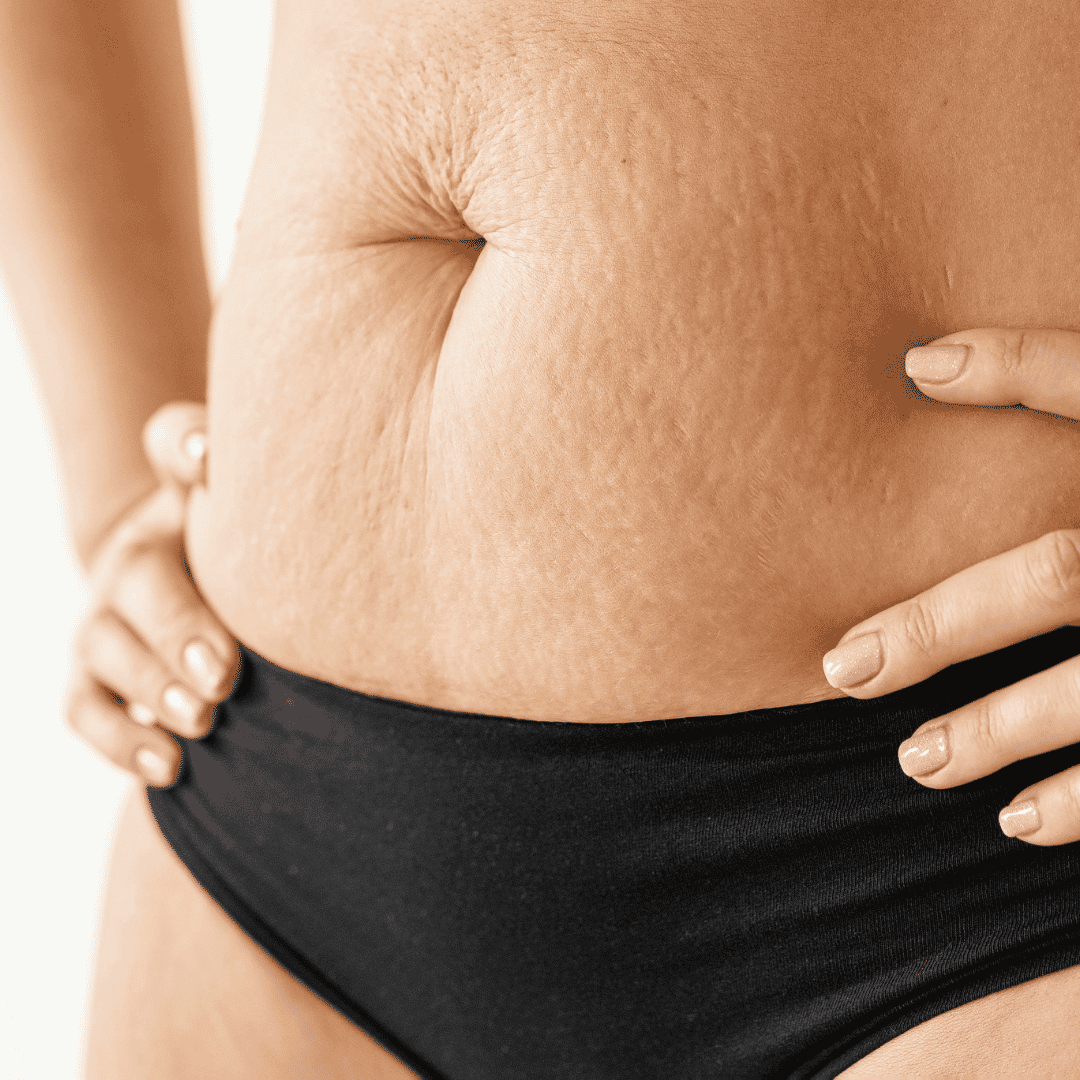
Rapid and massive weight reduction often results in excess sagging skin depending on your age genetics and total weight lost. Many patients return twelve to eighteen months later for body contouring procedures.
Do I need a passport to travel for medical reasons?
Yes you must hold a valid passport to enter Mexico by air and return to your home country. Ensure your passport is valid for at least six months past your scheduled medical travel dates to avoid airline boarding issues.
Ready to Plan Your Bariatric Surgery Journey?
PlacidWay can help you compare highly rated clinics understand transparent pricing packages and request exact quotes from certified surgeons in Mexico.
Request Information TodayDisclaimer: This information is for educational purposes only and does not replace professional medical advice. Always consult a qualified healthcare provider before making medical decisions.
References
- Bariatric Surgery Procedures – American Society for Metabolic and Bariatric Surgery
- Medical Tourism Safety Guidelines – Centers for Disease Control and Prevention
- Health Regulation and Hospital Safety Standards – Cofepris Federal Commission
- Surgeon Registry and Metabolic Guidelines – Colegio Mexicano de Cirugía para la Obesidad
- Clinical Weight Loss Projections and Outcomes 2024 – ASMBS Registry Data
- Obesity Health Risks and Global Data – World Health Organization


























Share this listing