
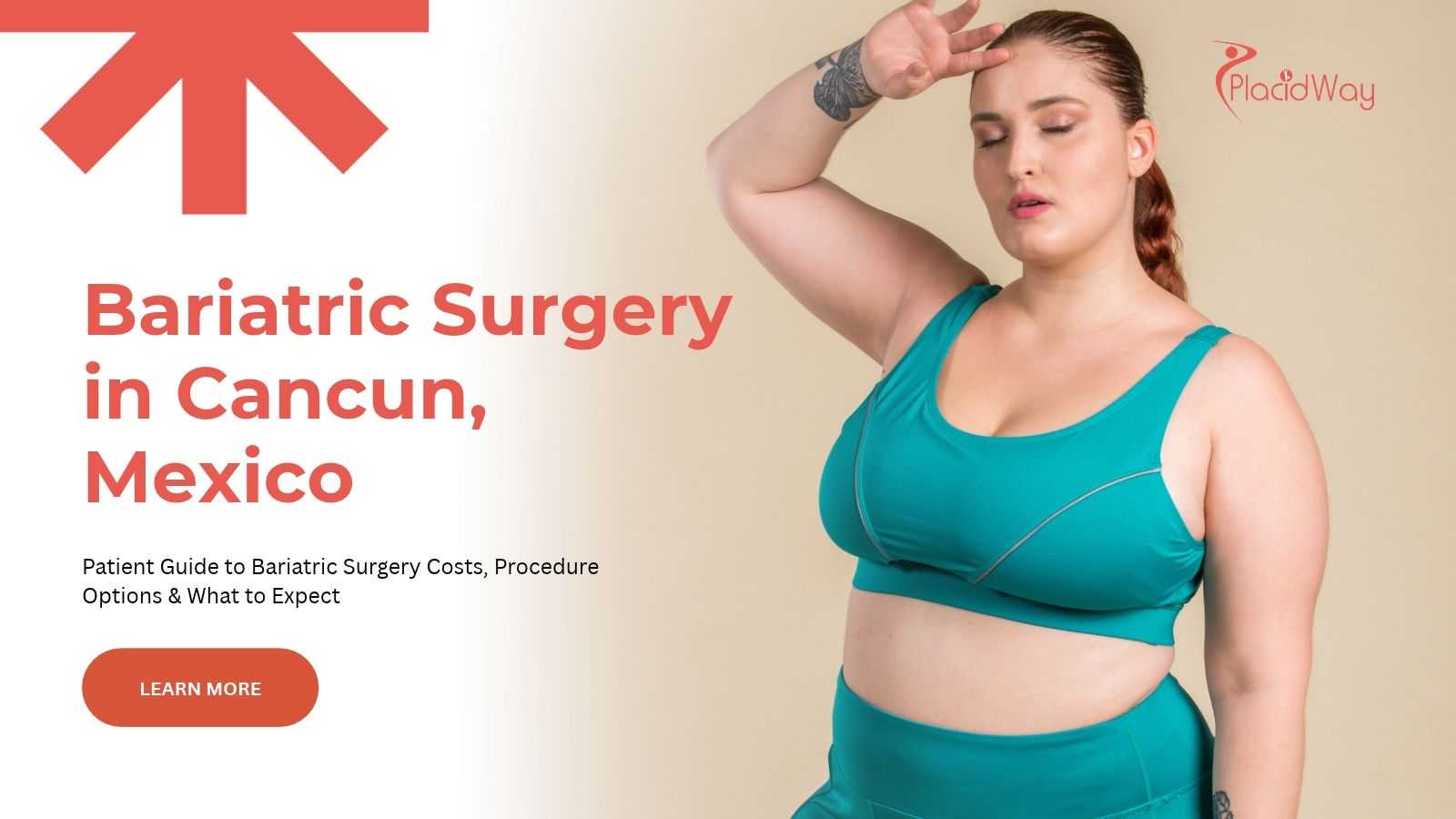
Struggling with weight loss can be physically and emotionally exhausting, which is why many patients look across the border for high quality care that fits their budget. Planning your bariatric surgery in Cancun Mexico offers a unique opportunity to receive expert medical attention from highly specialized surgeons while saving significantly on healthcare expenses. Before you book your trip, you will need to understand the typical costs involved and exactly which local government licenses such as COFEPRIS and specific board certifications your clinic must hold to ensure your utmost safety.
- Estimated Cost: Varies typically between $4,000 and $6,500 USD depending on the specific procedure and inclusive packages.
- Safety Overview: Highly safe when utilizing COFEPRIS licensed hospitals and surgeons board certified by the Mexican College of Surgery for Obesity and Metabolic Diseases.
- Ideal Candidate: Individuals with a BMI over 30 who have not achieved sustained weight loss through diet and exercise alone.
- Recovery Time: Most patients return to light activities within two weeks and resume normal routines within four to six weeks.
- Main Reason Patients Choose Cancun Mexico: Access to experienced bariatric specialists at a fraction of US costs in a restorative setting.
- Important Caution: Always verify your surgeon holds active national medical council registration and confirm the hospital has an on site intensive care unit.
Why Patients Travel for Bariatric Surgery in Cancun Mexico
Making the decision to undergo weight loss surgery is a major life event. When you explore medical tourism for this procedure, you are joining thousands of patients who cross borders each year seeking a better quality of life. Medical care in North America can involve lengthy wait times, strict insurance approvals, and high out of pocket expenses. Seeking treatment in a renowned medical hub allows you to bypass these hurdles.
Patients predominantly travel from the United States and Canada because the healthcare system in Mexico provides prompt access to life changing metabolic procedures. You can expect personalized attention from dedicated medical coordinators who handle everything from airport transfers to pre operative consultations.
Primary Reasons for Traveling:
- Significant cost savings compared to domestic uninsured healthcare rates.
- Immediate availability without enduring years long insurance waiting periods.
- Surgeons possessing extensive specialized experience and high annual case volumes.
- Comprehensive packages encompassing surgery, hospital stay, and hotel recovery.
- The privacy of recovering away from the demands of work and daily life.
- Modern medical facilities equipped with advanced laparoscopic technology.
Types of Bariatric Surgery Options Available in Cancun Mexico
When you consult with a specialist, your doctor may recommend different surgical approaches based on your anatomy, health conditions, and weight loss goals. The procedures generally fall into restrictive, malabsorptive, or combination categories. Understanding how each method works helps you ask the right questions during your initial consultation.
The gastric sleeve is widely performed because it limits food intake by reducing the stomach size. Alternatively, a gastric bypass alters how your digestive system processes food, leading to rapid metabolic changes. Your surgeon will review your complete medical history to determine which surgical path offers the safest and most effective outcome for your unique physiology.
| Procedure Type | How It Works | Metabolic Impact |
|---|---|---|
| Gastric Sleeve | Removes a large portion of the stomach leaving a narrow tube | Reduces hunger hormones and restricts portion sizes |
| Gastric Bypass | Creates a small stomach pouch and reroutes the intestines | Restricts food intake and limits nutrient absorption |
| Mini Gastric Bypass | Creates a narrow tube and bypasses a segment of the intestine | Offers similar metabolic benefits with a shorter operating time |
| Gastric Balloon | Places a temporary saline filled balloon inside the stomach | Provides non surgical restriction for moderate weight loss |
Evaluating Your Eligibility for Weight Loss Surgery Abroad
Not everyone is an ideal candidate for metabolic surgery. Earning approval requires meeting specific clinical criteria established by international medical guidelines. Your healthcare provider will evaluate your Body Mass Index alongside any obesity related conditions such as type two diabetes, hypertension, or severe sleep apnea.
Beyond physical measurements, psychological readiness plays a critical role in long term success. You must be prepared to commit to lifelong dietary changes, vitamin supplementation, and routine medical follow ups. Surgeons carefully screen international patients to ensure they are healthy enough to travel and undergo general anesthesia.
Patient Eligibility Checklist:
- Body Mass Index of 30 or higher with co morbidities, or BMI over 40.
- Documented history of unsuccessful weight loss attempts through diet and exercise.
- Absence of severe untreated psychological conditions or active substance dependencies.
- Clearance from a primary care physician indicating you can safely undergo surgery.
- Understanding the mandatory lifestyle modifications required post surgery.
How to Choose a Safe Bariatric Clinic in Cancun Mexico
Selecting the right medical facility requires thorough research beyond glossy brochures. The foundation of patient safety in Mexico rests upon strict adherence to national health regulations. You must confirm that the clinic operates legally and maintains high standards for infection control and emergency response.
Look specifically for facilities licensed by COFEPRIS, which is the Mexican equivalent of the FDA. Furthermore, hospitals accredited by the Consejo de Salubridad General demonstrate compliance with rigorous national safety standards. Prioritize clinics integrated within full service hospitals rather than isolated outpatient surgical centers, as this ensures immediate access to intensive care if unexpected complications arise.
Safety Warning:
Never book a medical procedure without verifying the exact name and address of the surgical facility. Ask the provider for their COFEPRIS license number and confirm whether the building houses a fully equipped ICU and blood bank on site.
Verifying Your Bariatric Surgeon Credentials in Mexico
The skill and experience of your surgeon directly impact your surgical outcome and safety. A medical degree alone is not sufficient to perform complex metabolic procedures. You must evaluate their specific training, fellowships, and ongoing board certifications within the specialty of bariatrics.
Your surgeon should hold an active registration with the national medical council and be board certified by the Colegio Mexicano de Cirugía para la Obesidad y Enfermedades Metabólicas. Membership in international organizations, such as the International Federation for the Surgery of Obesity, further signals a commitment to global standards. Always inquire about their specific case volume and complication rates for the exact procedure you intend to undergo.
Step One Review the License
Ask for the Cedula Profesional which serves as the medical license number in Mexico.
Step Two Check Board Certification
Verify active standing with the CMCOEM for obesity surgery specialization.
Step Three Assess Case Volume
Ensure the surgeon performs hundreds of bariatric operations annually to maintain high proficiency.
Cost of Bariatric Surgery in Cancun Mexico Compared to North America
Affordability remains a driving factor for cross border healthcare. The cost of living and lower administrative overhead in Mexico allow premier clinics to offer advanced procedures at highly accessible rates. These estimates generally cover surgeon fees, anesthesia, pre operative testing, hospital stays, and local transportation.
It is crucial to understand exactly what a quoted package includes. While prices are significantly lower, hidden costs can arise if complications occur or if extended hotel stays are required. Always request an itemized written quote in USD and inquire about available medical complications insurance before finalizing your decision.
| Treatment Type | Estimated Cost in Cancun Mexico USD | Estimated Cost in US Canada USD |
|---|---|---|
| Gastric Sleeve | $4,000 to $5,500 | $15,000 to $25,000 |
| Gastric Bypass | $5,500 to $6,500 | $20,000 to $35,000 |
| Mini Gastric Bypass | $5,000 to $6,000 | $18,000 to $30,000 |
| Revision Surgery | $5,500 to $7,500 | $25,000 to $40,000 |
Patient Demographics Traveling to Cancun Mexico for Healthcare
Medical travel has evolved rapidly with thousands of international patients utilizing cross border healthcare networks. Analyzing recent data from 2024 reveals specific patterns regarding who seeks treatment abroad. The majority of outbound medical travelers to this region originate from the United States followed closely by Canada.
Demographic trends published in 2024 highlight that the highest volume of patients falls within the 35 to 55 age bracket. This cohort often experiences the onset of obesity related co morbidities and actively seeks definitive interventions. Understanding these demographics helps clinics tailor their patient care models, ensuring multilingual support and specialized recovery protocols are firmly in place.
Verified 2024 Medical Travel Patient Age Distribution
Projected Cross Border Healthcare Volume Trend 2024 to 2026
Preparing for Your Medical Trip to Cancun Mexico
Successful surgery begins weeks before you board your flight. Preparation involves medical, nutritional, and logistical planning to ensure a seamless experience. Your chosen clinic will provide specific guidelines that must be strictly followed to minimize intraoperative risks.
A pre operative liquid diet is universally required to shrink the liver and clear the digestive tract. The duration of this diet depends on your starting BMI and can last anywhere from one to four weeks. Simultaneously, you must secure travel documentation and prepare your home environment for a comfortable recovery upon your return.
Essential Preparation Timeline:
- One Month Before: Complete required blood work, EKG, and psychological evaluations. Apply for or renew your passport.
- Two to Three Weeks Before: Begin the prescribed pre operative liver shrinking diet. Discontinue smoking completely to ensure proper tissue healing.
- One Week Before: Pause blood thinning medications or certain supplements as directed by your surgeon. Pack loose comfortable clothing.
- Day Before Travel: Confirm flight details, download translation applications, and secure your emergency contact list.
Understanding the Surgical Process and Hospital Experience
Upon arriving in the destination city, you will be transported to the hospital or clinic for pre operative consultations. This is your opportunity to meet the surgical team, review your medical history in person, and ask any final questions. A thorough physical exam and updated blood panels will be conducted to confirm you remain a safe candidate.
The operation itself is performed under general anesthesia and typically utilizes laparoscopic techniques. This minimally invasive approach involves tiny incisions, resulting in less pain and faster healing. Following the procedure, you will spend one to three nights in the hospital where medical staff will closely monitor your vital signs, hydration levels, and pain management.
Clinical Insight:
During the first 24 hours, early ambulation is mandatory. Nurses will assist you in walking the hospital corridors. This movement is critical to prevent deep vein thrombosis and helps dissipate the gas used to inflate your abdomen during laparoscopy.
Post Operative Recovery Timeline Following Weight Loss Surgery
Recovery is a gradual process requiring strict adherence to medical advice. The body needs time to adjust to structural changes and restricted caloric intake. You may experience fatigue, nausea, and mild abdominal discomfort during the initial healing phase.
Staying hydrated is your paramount responsibility after discharge. Because your stomach capacity is drastically reduced, you must learn to take tiny, frequent sips of water throughout the day. Most patients are cleared to fly home after a few days of observation at a local recovery hotel.
| Timeframe | Biological Process | Patient Sensation | Action Required |
|---|---|---|---|
| Days 1 to 3 | Acute tissue healing and anesthesia clearance | Surgical pain, nausea, shoulder gas pain | Walk frequently, take prescribed pain medication, sip clear liquids |
| Week 1 to 2 | Incision sealing and stomach swelling reduction | Extreme fatigue, adjusting to liquid diet | Maintain strict clear liquid diet, monitor incisions for infection |
| Week 3 to 4 | Internal staple line reinforcement | Increasing energy, hunger sensation shifts | Transition to puréed foods, begin daily vitamin supplementation |
| Months 2 to 3 | Rapid metabolic fat loss phase | Visible weight drop, possible hair thinning due to stress | Advance to soft solids, ensure high protein intake, start light exercise |
Managing Risks and Ensuring Safety After Your Procedure
All surgical interventions carry inherent risks regardless of where they are performed. Traveling internationally adds layers of complexity regarding immediate aftercare and long term complication management. Recognizing warning signs early allows for prompt medical intervention, which can prevent minor issues from becoming life threatening.
Common minor complications include nausea, strictures, or vitamin deficiencies. However, severe complications like staple line leaks, internal bleeding, or pulmonary embolisms require immediate emergency care. Before you leave Mexico, establish a clear communication plan with your surgeon for remote monitoring once you return home.
| Potential Complication | Warning Signs | Prevention Strategy |
|---|---|---|
| Staple Line Leak | Persistent rapid heart rate, severe abdominal pain, high fever | Strictly follow post op diet phases, do not overeat, rest adequately |
| Deep Vein Thrombosis | Swelling or intense pain in the calf muscle | Walk daily immediately after surgery, wear compression socks |
| Dehydration | Dark urine, dizziness, extreme lethargy | Sip fluids constantly throughout the day, aim for 64 ounces minimum |
| Wound Infection | Redness, heat, or foul smelling drainage from incisions | Keep incisions clean and dry, follow surgeon bathing instructions |
Navigating Post Surgery Dietary Guidelines and Nutrition
Long term success dictates that you fundamentally change your relationship with food. The surgery provides a physical tool, but your nutritional habits drive the final outcome. Eating too quickly, consuming dense foods prematurely, or drinking carbonated beverages can severely damage your healing stomach pouch.
Your bariatric team will provide a phased dietary plan that slowly reintroduces different food textures. Protein is the cornerstone of this diet, necessary for healing tissues and preventing muscle loss during rapid weight reduction. Lifelong reliance on specialized bariatric multivitamins is mandatory to prevent severe malnutrition.
Recommended Practices
- Chew every bite thoroughly until it reaches a paste consistency.
- Prioritize lean protein sources at every meal.
- Take prescribed bariatric vitamins and calcium supplements daily.
- Separate drinking and eating by at least thirty minutes.
Practices to Avoid
- Never drink carbonated sodas or sugary beverages.
- Avoid stringy or fibrous meats during the initial months.
- Do not snack frequently throughout the day on empty calories.
- Avoid consuming alcohol during the first year post op.
Establishing Long Term Medical Follow Up Care
The journey does not end when you board the plane to go home. Bariatric surgery induces massive anatomical and metabolic shifts that must be monitored for years. Finding a local primary care physician or a post bariatric specialist in your home country is vital for managing your long term health.
Routine blood work should be drawn at three, six, and twelve months post operatively to check for deficiencies in iron, vitamin B12, vitamin D, and calcium. Maintaining a relationship with a registered dietitian and attending local or virtual support groups significantly increases the likelihood of keeping the weight off permanently.
Actionable Advice:
Before traveling to Mexico, contact local doctors in your area to confirm they are willing to provide your follow up care. Secure all surgical reports, operative notes, and implant details from your international surgeon to hand over to your local medical team.
Frequently Asked Questions About Bariatric Surgery in Cancun Mexico
Is it safe to get bariatric surgery in Cancun Mexico?
Yes, it is generally safe when you choose a fully licensed hospital and a board certified bariatric surgeon. Ensure the facility holds COFEPRIS certification and maintains an on site intensive care unit to handle any unforeseen surgical complications.
How long do I need to stay in Mexico for a gastric sleeve?
Most patients typically stay for five to seven days. This timeframe covers pre operative consultations, the surgery, a two night hospital stay, and a few days in a local recovery hotel before receiving medical clearance to fly home.
Will my local doctor treat me if complications arise after surgery abroad?
While emergency rooms are legally required to stabilize you in life threatening situations, some local surgeons hesitate to treat non emergency complications from surgeries performed abroad. Establish a relationship with a local doctor willing to oversee your aftercare before you travel.
What happens if I experience a staple line leak?
A staple line leak is a medical emergency requiring immediate hospitalization. If you are still in Mexico, your surgeon will intervene. If you are at home, you must go to the nearest emergency room immediately and present your surgical notes.
Do clinics in Mexico offer medical complications insurance?
Many reputable medical tourism facilitators and clinics offer third party medical complications insurance. This specialized insurance can cover extended hotel stays, additional treatments, or revision surgeries if a complication occurs shortly after the procedure.
What dietary restrictions must I follow before flying home?
You will remain on a strict clear liquid diet. You must avoid carbonation, caffeine, and sugar. It is critical to continuously take small sips of water during your flight to avoid dehydration and deep vein thrombosis.
How do I verify a Mexican doctor's medical license?
You can request the doctor's Cedula Profesional number. Additionally, look for their active certification with the Mexican College of Surgery for Obesity and Metabolic Diseases (CMCOEM) which verifies their ongoing specialty training.
Can I bring a companion with me to the hospital?
Yes, most medical tourism packages encourage bringing a companion. Clinics often provide transportation and arrange hotel accommodations that cater to both the patient and their traveling companion during the recovery phase.
Are the bariatric packages truly all inclusive?
Inclusions vary by provider. Most cover hospital fees, surgeon fees, anesthesia, and local transport. However, flights, specific post op medications, complication insurance, and extra hotel nights are often excluded. Always ask for an itemized written breakdown.
When can I safely return to work after metabolic surgery?
If you perform desk work, you may return within two to three weeks depending on your energy levels. If your job involves heavy lifting or strenuous physical activity, your doctor may recommend waiting up to six weeks.
Ready to take the next step towards a healthier you? PlacidWay can help you compare highly qualified bariatric providers, understand detailed treatment costs, and request personalized information from trusted clinics.
Request Information Today
Disclaimer: This information is for educational purposes only and does not replace professional medical advice. Always consult a qualified healthcare provider before making medical decisions.
References
- Bariatric Surgery Procedures – American Society for Metabolic and Bariatric Surgery
- Medical Tourism Safety and Travel Guidelines – Centers for Disease Control and Prevention
- Regulatory Framework and Hospital Licensing – Federal Commission for the Protection against Sanitary Risk COFEPRIS
- Patient Guidelines for Obesity Surgery – International Federation for the Surgery of Obesity
- National Registry of Board Certified Bariatric Surgeons – Colegio Mexicano de Cirugía para la Obesidad y Enfermedades Metabólicas
- Potential Candidates for Weight Loss Surgery – National Institute of Diabetes and Digestive and Kidney Diseases
- Demographic Trends in Cross Border Healthcare 2024 Report – National Library of Medicine

























Share this listing