

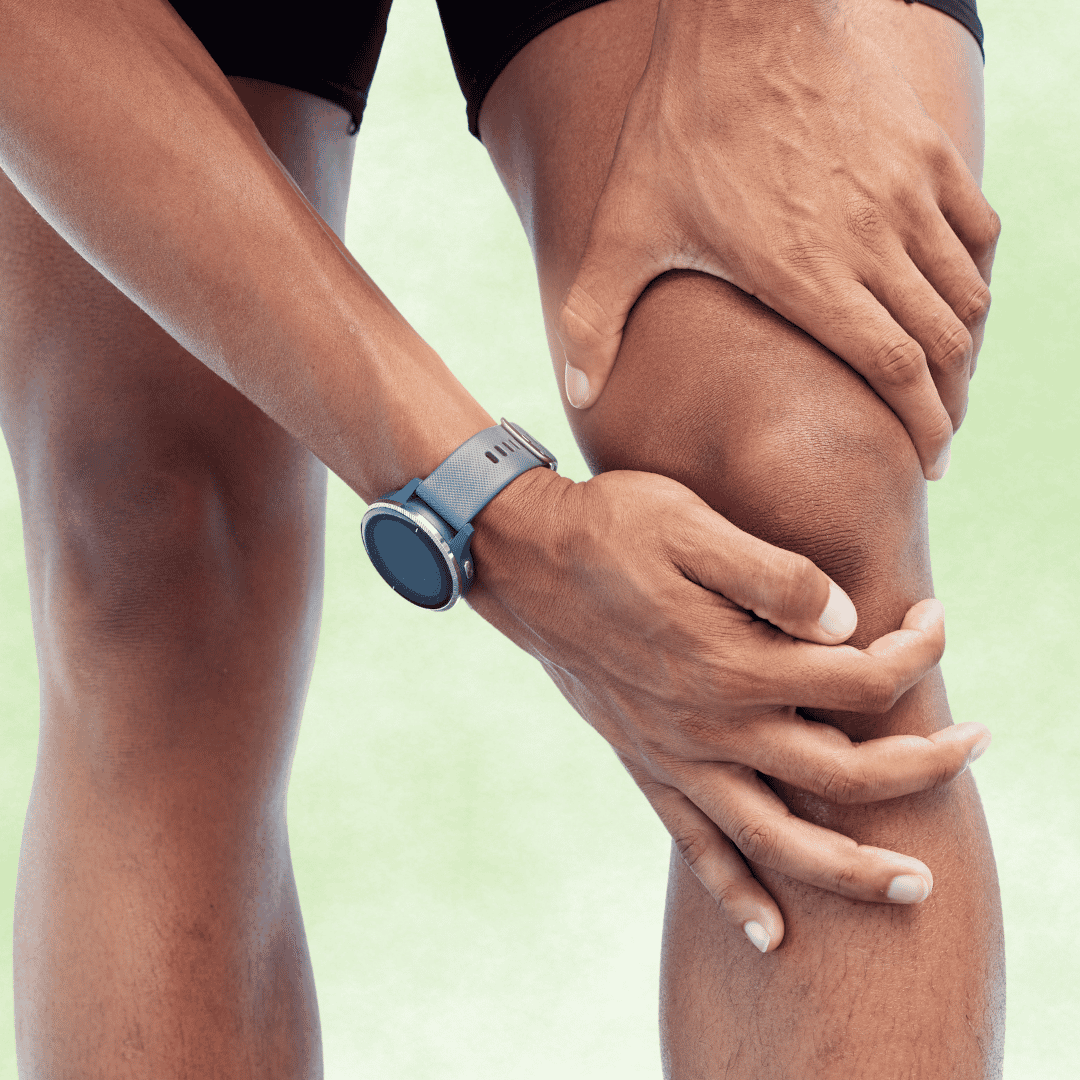
Knee arthritis can slowly strip away your mobility, making simple tasks like walking or climbing stairs incredibly painful. If conservative treatments are failing, you may be researching regenerative medicine options abroad to delay or avoid knee replacement surgery. Traveling for this procedure requires careful planning, a clear understanding of costs, and knowing exactly which medical licenses to verify before choosing a clinic. This guide breaks down the essential certifications, hospital standards, and financial considerations for international patients.
Quick Answer Summary
- Estimated Cost: Typically ranges from $2,500 to $6,000 USD, depending on the clinic and procedure complexity.
- Safety Overview: Generally safe when performed by licensed specialists using autologous (your own) cells under strict Indian Council of Medical Research (ICMR) guidelines.
- Ideal Candidate: Patients with mild to moderate osteoarthritis who have not found relief from physical therapy or medications.
- Recovery Time: Most patients return to light activities within 1 to 2 weeks, with progressive tissue healing occurring over 3 to 6 months.
- Why Patients Choose India: Access to advanced regenerative protocols at a fraction of Western costs, delivered by highly trained orthopedic specialists.
- Important Caution: Always verify that the facility is accredited by the National Accreditation Board for Hospitals (NABH) and follows ethical stem cell practices.
Understanding the Demand for Joint Regeneration
Living with chronic knee pain can be exhausting, pushing many patients to seek alternatives to invasive joint replacement operations. Stem cell therapy has emerged as a promising option for tissue repair and inflammation reduction. Patients from countries with high healthcare costs frequently explore medical tourism to access these treatments without enduring long waiting lists.
India has positioned itself as a primary destination for advanced orthopedic and regenerative medicine. Before booking a flight, you must understand exactly why so many patients trust Indian healthcare providers for their joint preservation needs. Carefully vetting clinics ensures you receive safe, ethically sourced treatments that adhere to national clinical guidelines.
Primary Reasons Patients Travel for This Procedure
- Cost Efficiency: Savings of up to 70% compared to clinics in the United States or Australia.
- Advanced Technology: Utilization of modern bone marrow aspirate concentrate (BMAC) and specialized centrifuges.
- No Long Wait Times: Immediate access to consultations and same-week procedural scheduling.
- Highly Qualified Specialists: Doctors registered with the National Medical Commission (NMC) holding international fellowships.
- Comprehensive Packages: Clinics often bundle airport transfers, hotel stays, and aftercare into one transparent price.
How Biological Treatments Target Knee Degeneration
Osteoarthritis gradually destroys the protective cartilage cushioning your knee joint. When this cartilage wears away, bone rubs against bone, triggering severe inflammation and pain. Regenerative medicine aims to alter this hostile joint environment. Instead of simply masking the pain with corticosteroids, cellular therapies target the underlying inflammatory process.
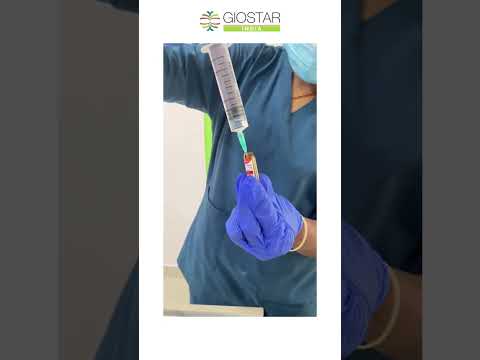
Doctors typically harvest adult mesenchymal stem cells (MSCs) from your own body, usually from bone marrow or fat tissue. Once processed and concentrated, these cells are injected directly into the damaged knee capsule. These cells release specialized proteins and growth factors that modulate the immune response. This biological action can help slow down cartilage degeneration and promote localized tissue repair.
| Treatment Type | Cell Source | Mechanism of Action |
|---|---|---|
| Bone Marrow Aspirate Concentrate (BMAC) | Pelvic bone marrow | Releases high levels of growth factors to reduce joint inflammation. |
| Adipose-Derived Therapy | Abdominal or thigh fat | Provides a structural matrix and rich cellular volume for joint cushioning. |
| Platelet-Rich Plasma (PRP) | Peripheral blood | Often combined with stem cells to accelerate the healing response. |
The Treatment Process in India
Understanding the clinical timeline helps you plan your travel and medical itinerary efficiently. The entire process for autologous stem cell therapy is usually completed on an outpatient basis. You will typically need to stay in India for about 7 to 10 days to accommodate pre-operative testing and post-injection follow-ups.
Upon arriving at the clinic, your orthopedic specialist will conduct a thorough physical examination and review recent MRI scans. This confirms the exact severity of your arthritis and ensures precise injection mapping. The actual extraction and injection process is usually completed in a single day under local anesthesia.
Clinical Timeline Summary
- Day 1-2: Arrival, medical consultation, blood tests, and advanced joint imaging.
- Day 3: Cell harvesting (from fat or bone marrow) and laboratory processing.
- Day 3 (Afternoon): Ultrasound-guided injection of the concentrated cells into the knee.
- Day 4-5: Rest, icing the joint, and limiting weight-bearing activities.
- Day 6-7: Final physician follow-up, physiotherapy guidelines, and clearance to fly home.
Patient Demographics and Global Travel Trends
Recent data from 2024 healthcare registries shows a significant shift in patient demographics seeking regenerative orthopedics. Traditionally, joint regeneration was pursued by younger athletes recovering from acute injuries. However, recent trends indicate that older adults are now the primary demographic traveling for these therapies. Many of these patients are actively trying to delay total knee replacement surgery.
The visualizations below illustrate the documented 2024-2025 patient age distribution and the top outbound countries utilizing Indian medical tourism for orthopedic care. This shift highlights a growing global reliance on cross-border healthcare for managing chronic age-related conditions like osteoarthritis.
Global Patient Demand for Orthopedic Stem Cell Therapies by Age Bracket (2024-2025 Data)
Patients from Western nations frequently face restrictive insurance policies regarding experimental regenerative treatments. Because out-of-pocket costs at home are prohibitively high, patients seek international alternatives. English-speaking destinations with robust medical infrastructures see the highest influx of these health travelers.
Top Outbound Countries for Orthopedic Medical Tourism to India (2024 Verified Data)
Cost of Treatment and Financial Planning
Healthcare affordability remains the primary driver for international medical travel. In Western healthcare systems, biological joint injections are rarely covered by standard medical insurance because they are often classified as experimental or investigational. Patients are forced to pay entirely out-of-pocket, which can drain personal savings rapidly.
In contrast, the pricing structure in Indian medical centers is highly regulated and globally competitive. While prices vary by city, clinic reputation, and the specific cell processing technology utilized, the overall financial burden is significantly lower. Patients should always request an itemized quote to understand exactly what the medical package covers.
| Country | Estimated Procedure Cost (USD) | Consultation & Imaging (USD) |
|---|---|---|
| United States | $6,000 - $12,000 | $500 - $1,500 |
| United Kingdom | $5,500 - $9,500 | $400 - $1,000 |
| Australia | $5,000 - $10,000 | $350 - $900 |
| India | $2,500 - $4,500 | $100 - $300 |
Financial Warning: Always ask your international coordinator if the quoted price includes the necessary MRI scans, pre-anesthesia checkups, and post-procedure physical therapy sessions. Hidden fees can quickly inflate your travel budget.
Evaluating Your Candidacy for Joint Regeneration
Regenerative therapies do not work for everyone. Medical professionals carefully evaluate your joint health to determine if you will genuinely benefit from the procedure. If your knee joint has completely collapsed and suffers from severe "bone-on-bone" arthritis with joint deformity, biological injections will likely be ineffective.
The ideal candidate is someone experiencing early to moderate stages of joint degeneration. Your doctor will review your medical history and imaging to check for adequate remaining cartilage space. A healthy immune system and realistic expectations are also vital for a successful outcome.
Candidacy Assessment Checklist
- You have been diagnosed with mild to moderate (Grade II or Grade III) osteoarthritis.
- You suffer from chronic joint pain that limits daily walking or stair climbing.
- Physical therapy, weight loss, and anti-inflammatory medications have failed to provide lasting relief.
- Your knee joint does not have severe angular deformities (like extreme bow-leggedness).
- You do not have an active systemic infection or blood-borne disease.
Choosing the Right Hospital and Clinic
Patient safety must be your top priority when evaluating international healthcare facilities. The medical landscape in India is vast, housing both world-class corporate hospitals and smaller, unregulated private clinics. You must bypass aggressive marketing claims and demand verified regulatory credentials before transferring any funds.
Look for facilities that strictly follow the National Guidelines for Stem Cell Research published by the Indian Council of Medical Research (ICMR). Clinics should use state-of-the-art sterile processing labs to prevent cell contamination. International patients should prioritize larger, multi-specialty hospitals that have dedicated orthopedic and regenerative medicine wings.
National Credentials
- NABH Accreditation: The National Accreditation Board for Hospitals ensures strict patient safety and hygiene protocols.
- ICMR Compliance: Ensures the clinic follows ethical guidelines for cellular research and therapy.
International Credentials
- JCI Accreditation: Joint Commission International sets global benchmarks for hospital quality.
- ISO Certification: Verifies the quality management systems of the in-house pathology and cellular processing labs.
How to Verify Doctor and Surgeon Credentials
The success of your biological joint injection relies heavily on the specialist's skill. Extracting bone marrow and injecting cells into the precise location of cartilage damage requires specialized training. A standard general practitioner is not equipped to perform these advanced ultrasound-guided or fluoroscopy-guided intra-articular injections.
Your treating physician should be a board-certified orthopedic surgeon or a sports medicine specialist. You can request their registration number and verify it through the National Medical Commission (NMC) portal. Ask the doctor directly about their annual case volume for this specific regenerative procedure to gauge their experience level.
Questions to Ask Your Specialist
- Are you registered with the National Medical Commission (NMC) as an orthopedic specialist?
- Do you use ultrasound or fluoroscopy guidance for the knee injection?
- How many regenerative knee injections do you perform annually?
- What happens if I experience an adverse reaction after returning to my home country?
Safety, Risks, and Medical Complications
While autologous stem cell treatments use your own biological material—virtually eliminating the risk of tissue rejection—the procedure is not entirely risk-free. Any injection into a major joint carries a small risk of infection, known as septic arthritis. Adherence to strict sterile techniques during cell harvesting and injection is critical for patient safety.
Patients may also experience temporary swelling, stiffness, and increased pain at the injection site for a few days post-procedure. Less common complications include bleeding at the bone marrow harvest site or nerve irritation. It is important to remember that these therapies are not a guaranteed cure, and in some cases, patients may not experience the desired pain relief.
Medical Precaution: Never undergo regenerative therapies if you have an active cancer diagnosis, active blood infections, or severe bleeding disorders. Always provide your complete medical history to your international doctor.
Recovery Timeline and Mobility Considerations
Setting realistic recovery expectations is essential before you travel. Biological healing takes time. Unlike corticosteroid injections that provide immediate but temporary relief, stem cells take weeks to modulate inflammation and initiate tissue repair. You should not expect to walk out of the clinic entirely pain-free on the first day.
Following the procedure, your doctor will likely prescribe a short period of relative rest, followed by structured physical therapy. You will need to avoid high-impact activities like running or jumping for several months. Adhering strictly to this rehabilitation protocol significantly improves your chances of a successful clinical outcome.
| Timeframe | Biological Process | Patient Sensation | Activity Level |
|---|---|---|---|
| Days 1-3 | Acute inflammatory response to injection. | Mild to moderate joint soreness, possible swelling. | Strict rest, minimal weight-bearing, use crutches if advised. |
| Weeks 1-2 | Cells begin modulating the joint environment. | Gradual reduction in post-procedure stiffness. | Gentle range-of-motion exercises, normal daily walking. |
| Weeks 3-6 | Early stages of tissue repair and protein synthesis. | Noticeable decrease in baseline arthritis pain. | Initiate formal physical therapy, light cycling or swimming. |
| Months 3-6 | Maximum biological healing effect typically reached. | Improved joint function and sustained pain relief. | Return to moderate activities; avoid heavy impact sports. |
Navigating Medical Visa and Travel Requirements
Traveling to India for healthcare requires specific documentation. International patients should apply for an Indian Medical Visa (e-Medical Visa), which is designed specifically for those seeking clinical treatments. This visa generally allows multiple entries and a longer stay compared to a standard tourist visa, which is crucial if unexpected follow-up appointments arise.
When applying for the visa, you will need an official letter of invitation from a recognized and licensed Indian hospital. Your medical tourism facilitator or clinic coordinator will provide this documentation once your consultation is booked. Always ensure your passport has at least six months of validity remaining before your planned departure date.
Travel Planning Checklist
- Secure an official hospital invitation letter on the clinic's letterhead.
- Apply for the Indian e-Medical Visa at least 2 to 3 weeks before travel.
- Book flights with adequate legroom, as your knee may be stiff during the return journey.
- Arrange for wheelchair assistance at the airport through your airline.
- Share your complete flight itinerary with your hospital's international patient coordinator.
Frequently Asked Questions
Making a decision about regenerative medicine abroad involves careful research. Below are common questions international patients ask when evaluating their options for joint care in India. These answers provide realistic insights to help you prepare for your consultation.
Is stem cell therapy for knee arthritis painful?
The procedure involves minor discomfort. Local anesthesia is used during the bone marrow or fat extraction process. You may experience a deep aching sensation during the joint injection, followed by joint stiffness for a few days.
How long do the effects of the treatment last?
Clinical results vary based on the severity of your arthritis. Many patients experience significant pain relief and improved mobility for 1 to 3 years. Some may require booster injections of PRP to maintain joint health over time.
Can this treatment completely regrow my knee cartilage?
No. Current cellular therapies cannot completely regenerate destroyed cartilage or reverse severe bone-on-bone arthritis. The primary goal is to reduce chronic inflammation, improve joint function, and delay the need for joint replacement surgery.
Why is this procedure cheaper in India than in the US?
The lower cost is due to reduced administrative overhead, favorable exchange rates, and lower overall living costs. The medical technology and sterilization standards used by accredited clinics remain on par with Western facilities.
Will my domestic health insurance cover the cost in India?
In most cases, domestic health insurance will not cover regenerative joint injections abroad, as these therapies are often deemed investigational. Patients should expect to pay out-of-pocket for the entire medical package.
Is donor stem cell therapy safe for knees?
Autologous therapy (using your own cells) is universally preferred due to the zero risk of tissue rejection. Donor (allogeneic) cells carry higher regulatory scrutiny and potential immune risks. Always discuss the cell source thoroughly with your Indian specialist.
How soon can I fly home after the knee injection?
Most orthopedic specialists recommend staying in India for at least 3 to 5 days post-procedure. This allows time to monitor for any rare acute infections and ensures you are comfortable enough to endure a long international flight.
Do I need an MRI before traveling to India?
Yes, providing a recent MRI scan (taken within the last 3-6 months) is highly recommended. It allows the international clinic to confirm your eligibility and provide an accurate cost estimate before you book your medical trip.
What if I have severe bone-on-bone knee osteoarthritis?
If you have end-stage, Grade IV osteoarthritis with joint deformity, regenerative injections are generally ineffective. Your specialist will likely recommend standard total knee replacement surgery instead.
Are clinics regulated by the Indian government?
Yes, ethical clinics operate under the strict guidelines of the Indian Council of Medical Research (ICMR) and are accredited by the National Accreditation Board for Hospitals (NABH). Always verify these credentials before booking.
Take the Next Step Toward Joint Mobility
PlacidWay can help you securely compare top-rated orthopedic providers, understand complete treatment costs, and schedule consultations with verified specialists in India.
Request Free InformationDisclaimer: This information is for educational purposes only and does not replace professional medical advice. Always consult a qualified healthcare provider before making medical decisions.
References
- National Guidelines for Stem Cell Research – Indian Council of Medical Research (ICMR)
- Hospital Accreditation Standards – National Accreditation Board for Hospitals & Healthcare Providers (NABH)
- Indian Medical Register Database – National Medical Commission (NMC) India
- India Tourism Statistics (Medical Value Travel Data) – Ministry of Tourism, Government of India
- Efficacy of Bone Marrow Aspirate Concentrate for Knee Osteoarthritis (2024 Update) – National Center for Biotechnology Information (NCBI) / PubMed
- Clinical Guidelines for the Non-Surgical Management of Knee Osteoarthritis – Osteoarthritis Research Society International (OARSI)























Share this listing