


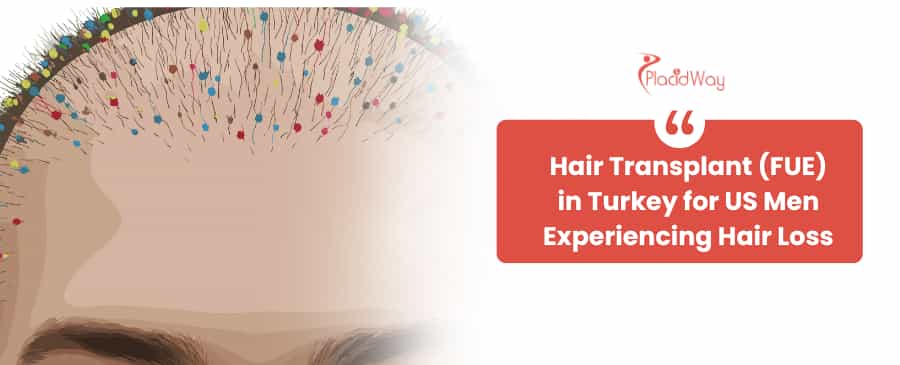
Male pattern baldness affects millions of men in the United States, often impacting self-esteem and personal confidence. While hair restoration technology has advanced significantly, the cost of treatment in the US remains a formidable barrier, with high-quality FUE procedures often exceeding $15,000. This financial reality has driven a massive shift in the global medical landscape, positioning Turkey as the undisputed world capital of hair transplantation.
For the American man, traveling to Istanbul, Antalya, or Izmir offers a compelling solution: world-class medical expertise, cutting-edge technology like Sapphire FUE and DHI, and comprehensive VIP care—all for approximately 20% of the US cost. This guide provides an in-depth look at the procedure, the logistics, and the critical factors you must know to ensure a safe and successful transformation abroad.
Key Takeaways: Why 1 Million Men Choose Turkey?
Turkey has revolutionized the hair transplant industry by bundling premium medical services with luxury hospitality. Unlike the US "a la carte" pricing model, Turkish clinics offer transparency and value.
- Unmatched Value: American patients typically save $10,000 to $12,000 per procedure, even after accounting for First Class airfare.
- Premium Inclusions: Packages standardly include 5-star hotel stays, VIP Mercedes transfers, translators, and post-op care kits.
- Higher Graft Counts: While US clinics charge per graft, Turkish packages often cover "maximum grafts" (up to 4,500) for a fixed price.
- Advanced Tech Standard: Sapphire blades and needle-free anesthesia, often upgrades in the US, are standard in top Turkish clinics.
2025 Global Cost Comparison (Average for 3,000 - 4,000 Grafts):
- • USA (NYC/LA): $12,000 – $20,000+
- • UK (London): $8,000 – $12,000
- • Mexico (Tijuana): $4,000 – $6,500
- • Turkey (All-Inclusive): $2,200 – $3,500
Why is Turkey the Global Capital for Hair Restoration?
Turkey's dominance in hair restoration is not accidental; it is the result of decades of government investment in medical tourism infrastructure and a hyper-competitive ecosystem that breeds surgical excellence through high volume.
Turkey is home to more JCI (Joint Commission International) accredited hospitals than almost any other country in the region. This accreditation is the gold standard in global healthcare, signaling that a facility meets rigorous US-level safety and quality protocols. The Turkish government actively supports medical tourism, offering tax incentives and grants that allow clinics to invest in the latest equipment—such as Sapphire blades and Choi Implanter Pens—without passing those costs on to the patient.
Furthermore, the sheer volume of cases in cities like Istanbul creates a unique advantage: experience. A specialized hair transplant surgeon in Turkey may perform or supervise 500 to 800 procedures annually. In contrast, a general plastic surgeon in the US might perform fewer than 50. This high repetition allows Turkish medical teams to refine their technique, particularly in crucial areas like hairline design, graft extraction speed, and angulation for natural results.
"In hair transplantation, artistry is as important as medicine. The high volume of surgeries in Istanbul has cultivated a generation of surgeons who are true specialists. They don't just move hair; they understand the nuanced geometry of a natural hairline, ensuring that the direction and angle of every implanted graft mimics nature perfectly. For an American patient, this means accessing a level of specialization that is rare and prohibitively expensive at home."
Understanding the FUE Technique: Advanced Restoration
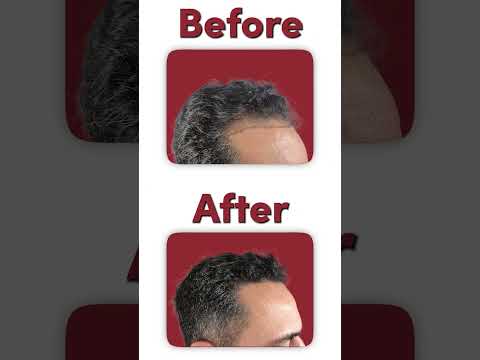
Modern FUE techniques have eliminated the "pluggy" look of the past. Today's advanced methods, standard in Turkey, focus on micro-precision to ensure high density and virtually undetectable scarring.
Follicular Unit Extraction (FUE)
FUE is the foundation of modern hair restoration. Unlike the older FUT (strip) method, which required cutting a strip of skin from the back of the head, FUE involves extracting individual follicular units (grafts) one by one using a micro-motor. This leaves no linear scar, allows for wearing short hair, and significantly reduces recovery time.
Sapphire FUE: The Modern Standard
While traditional FUE uses steel blades to create recipient channels, Sapphire FUE uses blades made from single crystals of sapphire. These blades are incredibly sharp and smooth, creating V-shaped incisions rather than U-shaped ones. This precision allows surgeons to:
- Pack grafts closer together for higher density.
- Minimize tissue trauma, leading to faster healing and less scabbing.
- Create more precise angles, preventing the "grass head" look.
DHI (Direct Hair Implantation)
For patients needing high density or unshaven procedures, DHI is often the preferred choice. It uses a Choi Implanter Pen, a tool that holds the graft and implants it directly into the scalp without the need to pre-create holes. This method offers maximum control over the depth and direction of the hair, making it ideal for defining the anterior hairline or filling in thinning areas without shaving the existing hair.
Cost Analysis: Turkey vs. USA Price Comparison
The economic disparity between the US and Turkey allows American patients to access luxury-tier medical care for budget-tier prices. Understanding the breakdown reveals why the savings are legitimate and sustainable.
In the United States, the high cost of labor, malpractice insurance, and facility overheads drives the price per graft to between $5 and $10. A typical session of 3,000 grafts costs upwards of $15,000, and this often excludes anesthesia, facility fees, and post-op medication. Turkish clinics, benefitting from lower operational costs and domestic manufacturing, operate on a transparent "package" model.
| Comparison Factor | USA (Standard Clinic) | Turkey (Premium Clinic) |
|---|---|---|
| Average Procedure Cost | $12,000 - $18,000 | $2,200 - $4,000 |
| Consultation Fee | $150 - $300 | FREE (Virtual & In-Person) |
| Methodology | FUE (Sapphire/DHI often +$3k) | Sapphire FUE / DHI Included |
| Anesthesia | Often Billed Separately | Included (Painless Jet Injection) |
| Accommodation | Patient Responsibility (~$800) | Included (3 Nights 5-Star Hotel) |
| Transportation | Patient Responsibility | Included (VIP Private Transfer) |
| PRP Therapy | $500 - $1,500 per session | 1 Session Often Included |
The Turkish Ministry of Health and the Ministry of Economy provide VAT exemptions and financial incentives to clinics that treat international patients. This government backing effectively subsidizes the industry, allowing clinics to invest in state-of-the-art technology while keeping prices for hair transplant packages in Istanbul globally competitive.
Step-by-Step Treatment Journey in Istanbul
Traveling for surgery can be daunting, but the process in Turkey is streamlined and patient-centric. Here is exactly what a US patient can expect during a typical 3-to-4-day trip.
Day 1: Arrival and VIP Welcome
Your journey begins at Istanbul Airport (IST), a modern global hub. Upon exiting customs, you are greeted by your clinic's driver (look for your name on a signboard) and whisked away in a private VIP vehicle to your hotel. Most packages include 5-star accommodations near the clinic. Depending on your arrival time, you may have your initial blood tests and consultation this evening.
Day 2: The Procedure Day
After a hearty breakfast at your hotel, you are driven to the clinic. The day follows a structured flow:
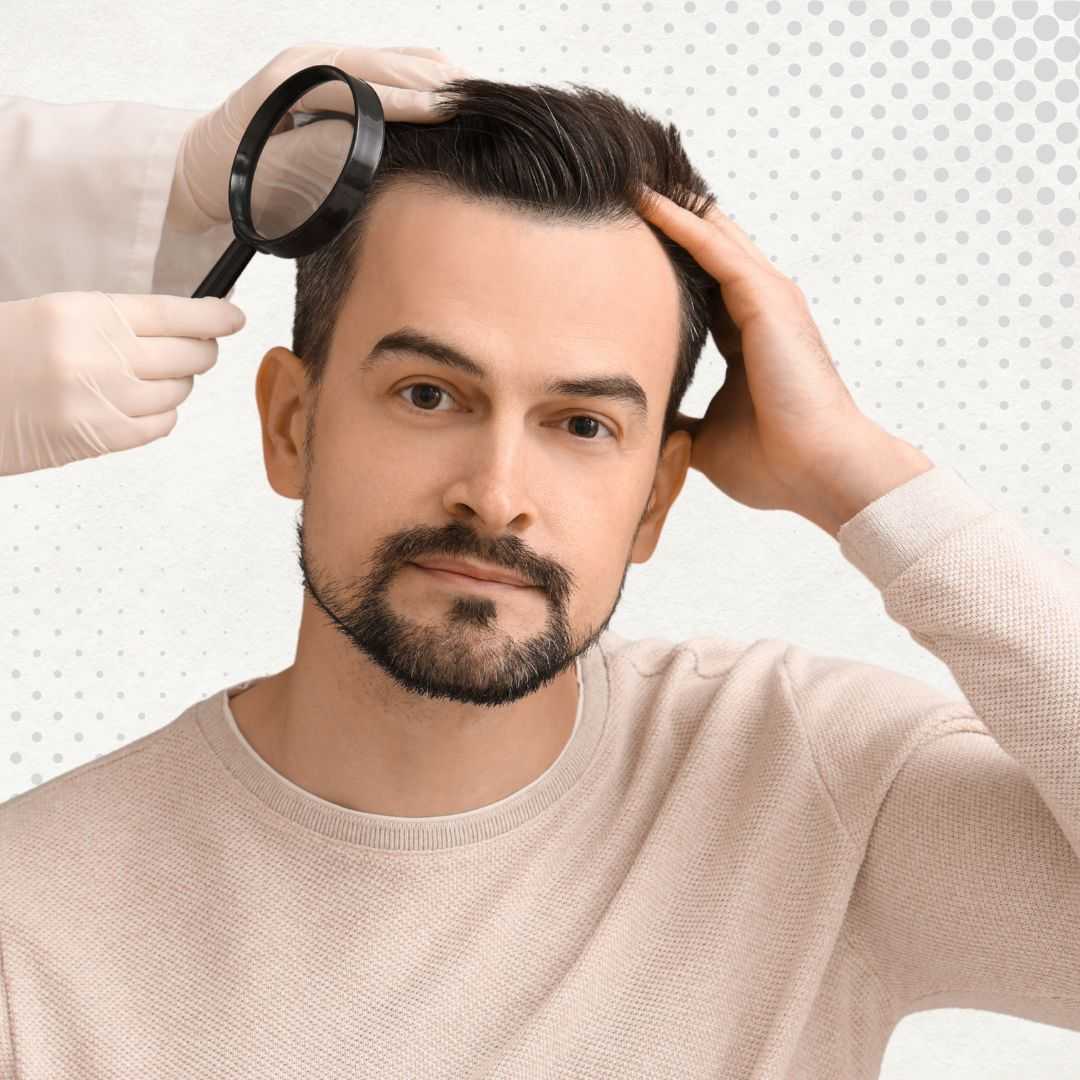
- Consultation & Design: The surgeon draws your new hairline, often using laser tools to ensure symmetry and adherence to the "Golden Ratio" of your face.
- Preparation: You receive a local anesthetic. Many clinics use needle-free pressure injection systems to minimize discomfort.
- Extraction: Over 2-4 hours, technicians harvest grafts from the back of your head.
- Lunch Break: You are provided with a nutritious meal.
- Implantation: The surgeon opens channels (Sapphire FUE) or implants directly (DHI). This takes another 2-4 hours. You can watch movies, listen to podcasts, or nap.
Day 3/4: Washing & Departure
You return to the clinic for a final check-up. The nursing team performs a "medical wash" to remove dried blood and applies specialized lotions. They will teach you exactly how to wash your hair for the next 10 days. After this, you are cleared to fly home, armed with your medications, special shampoos, and a neck pillow for the flight.
Safety, Accreditation, and Finding the Right Clinic
While Turkey offers excellence, the market is vast. Navigating it requires diligence. Focusing on accreditation and surgeon involvement is key to avoiding "hair mills" and ensuring a safe outcome.
Not all clinics in Turkey are equal. To ensure safety, US patients should prioritize facilities that hold JCI Accreditation or ISO certification. These labels guarantee that the hospital meets international hygiene and operational standards. Additionally, inquire about the surgeon's involvement: Will the doctor open the channels? In top-tier clinics, the head surgeon performs the critical planning and incision stages, leaving only the repetitive extraction and placement to experienced technicians.
Recovery Timeline: What US Patients Should Expect?
The journey to a full head of hair is a marathon, not a sprint. Understanding the phases of healing—including the inevitable "ugly duckling" phase—is crucial for psychological well-being.
- Days 1-7 (Healing): Expect mild swelling (forehead), redness, and scabbing. You must sleep elevated. By Day 10, scabs fall off.
- Weeks 2-4 (Shock Loss): This is normal. The transplanted hairs will shed. The roots are resting.
- Months 3-4 (The Awakening): Thin, baby-like hairs begin to sprout. They may be colorless at first.
- Months 6-8 (Density Phase): Hair thickens, darkens, and density improves dramatically. Coverage becomes visible.
- Months 12-18 (Final Result): The hair matures fully. Texture normalizes, and you achieve the final aesthetic result.
Frequently Asked Questions
Answers to the most common queries from American men considering hair restoration abroad.
Why is Turkey so much cheaper than the US?
The price difference is structural, not a reflection of quality. Lower wages, lower facility costs, favorable exchange rates, and government subsidies allow Turkish clinics to operate at a fraction of US costs while maintaining high standards.
Is the flight included in the package?
No, patients are responsible for booking their own flights to Istanbul. However, given that the procedure savings are often over $10,000, the cost of a $1,000 flight is negligible in the overall value.
Does the surgery hurt?
The procedure is performed under local anesthesia. The only discomfort is the initial injection. Once numb, you feel no pain. Post-op pain is usually mild and managed with Ibuprofen.
How many grafts do I need?
This depends on your hair loss stage (Norwood Scale). A receding hairline might need 2,000 grafts, while a full crown and top restoration could require 4,000+. Your surgeon will determine this during the consultation.
Can I wear a hat after surgery?
You should avoid wearing tight hats for at least 10 days to prevent dislodging grafts. A loose bucket hat (often provided by the clinic) can be worn to protect from the sun during your return travel.
What happens if the transplant fails?
Reputable hair transplantation packages in Turkey offer a guarantee. If the transplanted grafts do not grow (success rates are typically 95%+), they will perform a corrective surgery free of charge. Always check the guarantee terms.
Is Istanbul safe for American tourists?
Yes, Istanbul is a major global tourist destination. The medical districts are modern and safe. As with any major city, standard travel precautions apply, but millions of Americans visit annually without issue.
Can I fix a bad transplant from the US in Turkey?
Yes, many Turkish surgeons specialize in "repair cases," fixing unnatural hairlines, low density, or scarring left by previous, less successful procedures performed elsewhere.
How long do I need to take off work?
If you have a sedentary job, you can return to work in 3-5 days. If your job involves heavy lifting, sweating, or wearing a helmet, you should plan for 10-14 days off.
Ready to Restore Your Mobility & Confidence?
Don't let the high cost of US healthcare limit your life. PlacidWay partners with the elite, JCI-accredited hair restoration clinics in Turkey to bring you transparent, all-inclusive packages tailored specifically for American patients.
Get a comprehensive, no-obligation quote today. Speak directly with our medical care team to plan your journey, review surgeon credentials, and secure your package price.
Get A Hair Transplantation in Turkey.png)













Share this listing