
.png)
Tobacco use remains one of the leading causes of preventable death globally, leading many to seek alternative solutions beyond traditional patches and gums. Ibogaine for smoking addiction in Mexico has emerged as a compelling area of study for those who have struggled with chronic nicotine dependence. Derived from the root bark of the West African shrub Tabernanthe iboga, this naturally occurring alkaloid is being explored for its unique ability to "reset" the brain's addiction pathways.
International patients are increasingly looking toward Mexico Ibogaine clinics because the substance is not classified as a controlled drug in the country, allowing for a framework of clinical research and therapeutic application. While not a "magic pill," the therapy is typically viewed as a powerful catalyst that addresses both the physical cravings and the psychological triggers of smoking. By providing a deep introspective experience, many believe it helps patients understand the root causes of their habitual behavior.
Ibogaine is considered a "oneirogen," meaning it induces a dream-like state while the patient remains awake, which is often cited as the key to its psychological breakthroughs.
The Science of Ibogaine Treatment
The neurobiology of Ibogaine therapy in Mexico is complex, involving multiple neurotransmitter systems including serotonin, dopamine, and glutamate. For smokers, the most significant interaction occurs at the nicotinic acetylcholine receptors. Research suggests that Ibogaine and its primary metabolite, noribogaine, may block these receptors, effectively neutralizing the rewarding effects of nicotine and mitigating the intense physical withdrawal symptoms that usually lead to relapse.
Beyond receptor blocking, Ibogaine is thought to stimulate the production of Glial Cell Line-Derived Neurotrophic Factor (GDNF) in the brain. This protein promotes the survival and repair of dopaminergic neurons, which are often compromised by years of substance use. By "re-wiring" these neural circuits, alternative addiction treatment in Mexico offers a biological window of opportunity where the patient feels a reduced urge to smoke, making long-term lifestyle changes more attainable.
Early observational studies have suggested that up to 60-70% of patients report a significant reduction in cravings following a single, medically supervised Ibogaine session.
Why Ibogaine Therapy is Sought Internationally?
For many patients in the United States, Canada, and Europe, access to smoking cessation with Ibogaine is restricted due to stringent regulatory classifications. Mexico has positioned itself as a global leader in this field by allowing specialized centers to operate under the guidance of licensed medical professionals. This accessibility, combined with the proximity to major international airports, makes it a primary destination for those seeking a radical break from nicotine.
The medical tourism in Mexico infrastructure is well-developed, catering specifically to international guests who require high standards of care. Many clinics are located in serene environments—coastal towns or quiet suburban retreats—designed to facilitate the reflection and rest necessary for the treatment's success. This holistic environment, coupled with medical expertise, provides a level of care that is difficult to find elsewhere.
Ensure your chosen clinic requires a full medical history and recent blood work before your arrival to maximize safety and efficacy.
Affordable Ibogaine in Mexico Cost Comparison
Understanding the financial commitment is a vital part of planning medical travel for addiction treatment. While the treatment is an investment in one's health, it is generally more affordable in Mexico than the underground or high-end luxury wellness retreats found in other parts of the world. The cost of Ibogaine in Mexico typically covers the medical screening, the medication itself, the 24/7 nursing care, and professional psychological support.
Below is a comparative breakdown of the average costs associated with specialized addiction disruptor therapies. Note that these are market averages and can fluctuate based on the specific clinic’s amenities and the length of the program.
| Treatment Type | Average Cost in Mexico | USA/Canada Comparison |
|---|---|---|
| Standard Smoking Cessation (7 Days) | $5,000 - $6,500 | Not Legally Available |
| Comprehensive Wellness & Detox (10 Days) | $7,000 - $9,000 | $15,000 - $25,000 (Traditional Detox) |
| Psychological Integration Package | $800 - $1,500 | $2,500 - $4,000 |
The Role of Medical Supervision in Mexico Clinics
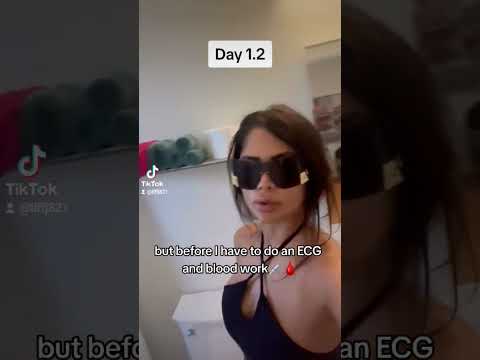
Safety is the most critical component when considering Ibogaine for nicotine addiction in Mexico. Because Ibogaine can affect heart rate and electrolyte balance, it must only be administered under strict medical supervision. Reputable clinics in Mexico employ cardiologists and ACLS-certified nurses who monitor patients using continuous EKG (electrocardiogram) machines throughout the duration of the "flood dose" session.
A typical safe Ibogaine treatment in Mexico begins with a thorough stabilization period. Patients are often required to stay hydrated and take specific supplements like magnesium and potassium to support heart health. This medicalized approach distinguishes professional clinics from less regulated "retreats," ensuring that any adverse reactions are handled immediately with emergency medical equipment on-site.
Ibogaine has known contraindications with certain heart conditions and medications (especially antidepressants and antipsychotics). Never attempt this therapy without a comprehensive medical clearance.
Common Protocols for Smoking Addiction Treatment
The journey of healing smoking addiction in Mexico usually follows a structured multi-day protocol. Upon arrival, the patient undergoes a final physical exam and a psychological intake. The first few days focus on "pre-conditioning," where the body is prepared for the experience. The actual Ibogaine session generally lasts 12 to 24 hours, during which the patient is in a deeply introspective, semi-dream state while being monitored by medical staff.
Following the session is the "gray day," a period of physical exhaustion and mental integration. This is when the brain is most plastic, and holistic therapy in Mexico often includes sessions with counselors to process the insights gained during the experience. The final days of the program are dedicated to physical recovery, nutrition, and developing a post-treatment plan to ensure the smoking habit does not return once the patient is back in their home environment.
Overcoming a 20-Year Habit
“I had tried everything—nicotine patches, hypnosis, and even prescription meds. Nothing worked until I went to Mexico for Ibogaine. The physical urge to smoke simply vanished, and for the first time, I understood why I was using cigarettes as an emotional crutch. It's been two years and I haven't looked back.” — Sarah, CanadaNeurological Disruption and the Habit Reset
The term "disruptor" is frequently used because Ibogaine doesn't just treat the symptoms; it interrupts the addiction cycle. When someone smokes, their brain creates deeply ingrained neural pathways associated with the reward of nicotine. Innovative addiction recovery in Mexico focuses on the fact that Ibogaine appears to return these pathways to a "pre-addicted" state, effectively clearing the slate for new, healthier behaviors.
This "reset" extends to the dopaminergic system. Constant nicotine use desensitizes the brain's natural ability to feel pleasure without the drug. By resetting these levels, patients often report a renewed sense of clarity and an improved mood shortly after the Ibogaine session in Mexico. This physiological shift is why many describe the therapy as a "quantum leap" in their recovery process, bypassing months of standard withdrawal.
Ibogaine is not considered addictive. Unlike many other treatments for addiction, patients do not develop a dependence on Ibogaine itself.
Preparing for Medical Travel to Mexico
Planning for addiction treatment abroad requires careful preparation. Beyond selecting a facility, patients must manage their travel documents, such as ensuring their passport is valid for at least six months. Most patients traveling from North America or Europe will find that medical tourism in Mexico is streamlined, with many clinics offering transportation from major airports like San Diego (TIJ) or Cancun (CUN).
It is also recommended to begin a clean diet and reduce caffeine intake in the weeks leading up to the trip. Because Ibogaine is physically demanding, being in the best possible physical health helps the body process the alkaloid more efficiently. Most Ibogaine clinics in Mexico will provide a detailed preparation guide that includes a list of prohibited medications and suggested dietary adjustments to follow before arrival.
Pack comfortable, loose-fitting clothing and items that help you feel grounded, like a personal journal or favorite music, for the recovery days.
The Psychological Breakthrough in Addiction Therapy
One of the most profound aspects of Ibogaine for tobacco cessation in Mexico is the psychological "life review." Patients often report seeing significant events from their past from a detached, objective perspective. This allow them to resolve traumas or emotional blockages that may have fueled their smoking habit. By addressing the psychological "why" behind the addiction, the therapy provides a dual-action benefit that traditional methods often ignore.
This mental clarity is often described as "ten years of therapy in ten hours." While intense, it is generally facilitated by trained therapists who help the patient navigate these visions. In the best Ibogaine centers in Mexico, this integration process is considered just as important as the physical dose. Without the psychological work, the risk of returning to old habits increases once the physical reset wears off.
A New Perspective on Health
“I didn’t just quit smoking; I stopped wanting to poison myself. During my treatment in Rosarito, I had a clear vision of what my lungs looked like and the future I was stealing from my kids. The Ibogaine gave me the strength to choose life.” — Michael, USARisks and Contraindications of Ibogaine
While the benefits can be life-changing, it is vital to discuss the risks of Ibogaine therapy. The primary concern is cardiotoxicity. Ibogaine can prolong the QT interval in the heart, which may lead to dangerous arrhythmias if not monitored. Patients with pre-existing heart conditions, severe kidney disease, or liver impairment are typically excluded from treatment to ensure their safety. This is why medical screening in Mexico is so rigorous.
Other side effects typically include ataxia (loss of muscle coordination), nausea, and extreme sensitivity to light and sound. These effects are temporary and generally subside within 24 to 48 hours. However, because of these physical demands, safe addiction treatment in Mexico must always involve a 1:1 or 2:1 staff-to-patient ratio during the peak of the experience to provide constant physical assistance and reassurance.
Ibogaine is not only studied for nicotine; it is also being researched for its effects on opioid, cocaine, and alcohol dependence due to its broad-spectrum addiction-disrupting properties.
Aftercare and Maintaining Success Post-Mexico
The true test of smoking cessation in Mexico begins when the patient returns home. The "afterglow" period, where cravings are absent and mood is elevated, usually lasts for several weeks. This is the critical time to implement new habits, such as exercise, meditation, or a change in social circles. Many Mexico addiction recovery centers provide integration coaching for several months post-treatment to help patients navigate the transition back to daily life.
Success is generally higher when patients have a solid support network. Whether through 12-step programs, SMART recovery, or private therapy, having a place to discuss the challenges of sobriety is essential. Long-term follow-ups suggest that those who engage in active addiction aftercare are significantly more likely to remain smoke-free compared to those who rely on the Ibogaine session alone.
Clarity and Freedom
“The aftercare coaching I received was what actually helped me stay smoke-free. The Ibogaine opened the door, but the integration sessions taught me how to walk through it and stay on the other side.” — David, UKLegal Landscape of Ibogaine
Patients often ask about the legality of Ibogaine in Mexico. Unlike the US, where it is a Schedule I substance, Mexico does not list Ibogaine in its Ley General de Salud (General Health Law) as a prohibited drug. This "gray area" allows for the operation of medical clinics, provided they adhere to general healthcare regulations and professional licensing requirements. This legal environment has made Mexico a focal point for global Ibogaine research.
Because the industry is growing rapidly, it is important for medical tourists to perform due diligence. Look for clinics that are transparent about their medical protocols and have been operating for several years. The regulated medical tourism in Mexico ensures that while the substance itself is unique, the standard of patient care remains high and aligned with international safety expectations.
Ibogaine was first identified as an addiction disruptor in the 1960s by Howard Lotsof, who accidentally discovered its effects on his own heroin addiction.
How PlacidWay Assists Your Ibogaine Medical Tourism Journey?
Navigating the options for Ibogaine therapy in Mexico can be overwhelming. PlacidWay serves as a comprehensive resource to help you make informed decisions about your health and recovery journey.
- Providing access to a curated network of reputable Ibogaine clinics in Mexico.
- Offering detailed profiles of medical facilities and their specific treatment protocols.
- Facilitating direct communication between patients and clinical staff for pre-screening.
- Providing transparent information on pricing and package inclusions for international patients.
- Assisting with the gathering of necessary medical documentation for clinical approval.
- Helping patients understand the logistical aspects of medical travel to Mexico.
- Connecting individuals with patient reviews and testimonials to build confidence in their choice.
Professional and Compassionate
“PlacidWay helped me find a clinic that felt safe and professional. They answered all my questions about the process of traveling to Mexico, which took away so much of the stress.” — Elena, AustraliaA New Chapter in Smoking Cessation
Choosing to undergo Ibogaine for smoking addiction in Mexico is a significant decision that combines ancient botanical wisdom with modern medical oversight. For those who have found no success with conventional methods, this disruptor therapy offers a unique biological and psychological pathway toward freedom from nicotine. By resetting the brain's reward centers and providing deep mental clarity, it serves as a powerful foundation for a smoke-free life.
While the treatment carries risks that must be managed by experts, the growing body of anecdotal evidence and clinical interest suggests that Ibogaine is a formidable tool in the fight against tobacco dependence. As you consider this innovative addiction treatment in Mexico, remember that the journey to health is a holistic process—one that begins with a single step toward professional, medically supervised care.
Surveys of people who have used Ibogaine for various addictions show that over 80% believe it was more effective than any other treatment they had previously tried.
Frequently Asked Questions (FAQ)
Yes, Ibogaine is not a scheduled substance in Mexico, which allows specialized clinics to offer medically supervised treatments under local health regulations.
Most intensive programs typically last between 5 to 10 days, allowing for pre-treatment screening, the primary session, and initial recovery.
The most serious risks are cardiovascular, including heart rhythm changes, which is why strict medical screening and EKG monitoring are essential.
Prices generally range from $5,000 to $9,000, depending on the level of medical supervision and the duration of the clinical stay.
Many international patients, including those from the US and Canada, can enter Mexico with a standard tourist permit (FMM) for short-term medical stays.
Research suggests it may reset nicotinic receptors in the brain, often leading to a significant reduction or elimination of physical withdrawal symptoms.
Many prominent facilities are located in areas like Tijuana, Rosarito, and Cancun, making them accessible for international travelers.
Prioritize facilities that provide full-time medical staff, ACLS certification, emergency equipment, and comprehensive cardiac screening.
While many patients travel alone, clinics often recommend having a support system in place for when you return home to maintain long-term results.
Many clinics offer remote integration coaching or can refer you to local therapists familiar with psychedelic-assisted recovery protocols.
Ready to take the next step toward a smoke-free life?
Connect with specialized clinics in Mexico and find the right Ibogaine program for your needs today.
- National Center for Biotechnology Information. Ibogaine in the Treatment of Substance Use Disorders. https://www.ncbi.nlm.nih.gov/pmc/articles/PMC4382526/
- Multidisciplinary Association for Psychedelic Studies (MAPS). Ibogaine Therapy. https://maps.org/research/ibogaine-therapy
- Wikipedia. Ibogaine History and Legal Status. https://en.wikipedia.org/wiki/Ibogaine
- Scientific Reports (Nature). The effect of ibogaine on nicotine addiction. https://www.nature.com/articles/srep40405
- Healthline. Ibogaine for Addiction: Does It Work? https://www.healthline.com/health/ibogaine-treatment






.png)
.png)
.png)
.png)
.jpg)
.jpg)
.jpg)
.jpg)








Share this listing