



Dialogic Trauma Re-appraisal in Mexico is an emerging psychological intervention designed to help individuals process deep-seated emotional distress. This framework centers on the idea that trauma is not just a past event but a narrative that continues to live within a person’s internal and external dialogue. By engaging in structured, empathetic conversations with skilled practitioners, patients learn to "re-author" their stories, moving from a position of victimization to one of resilience and agency.
Mexico has become a premier destination for this specific type of mental health tourism due to its unique blend of clinical expertise and holistic care. Many international patients find that the therapeutic environment in Mexico offers a level of warmth and cultural depth that is often missing in more sterile, Western clinical settings. This approach is typically effective for those dealing with long-term emotional hurdles that have not responded to traditional cognitive therapies alone.
Dialogic therapy was originally influenced by the work of Mikhail Bakhtin and later adapted into clinical psychology to help patients understand that their "self" is constructed through ongoing conversations with others and the world.
Benefits of Choosing Dialogic Trauma Re-appraisal
The primary advantage of seeking affordable trauma therapy in Mexico is the accessibility to high-level psychological expertise without the prohibitive costs found in the U.S. or Europe. Patients can immerse themselves in a comprehensive mental wellness program that allows for intensive daily sessions, which often accelerates the healing process. This immersion is crucial for trauma reappraisal, as it removes the individual from the daily triggers of their home environment.
Furthermore, Mexican therapists often emphasize cultural empathy and human connection, which are core components of the dialogic framework. The therapeutic alliance formed in these settings is generally perceived as more personal and supportive. This helps patients feel safe enough to explore complex traumatic memories and begin the process of cognitive restructuring in a compassionate atmosphere.
- Access to bilingual psychological experts trained in international frameworks.
- High standards of care in private mental health clinics across major cities.
- Significant cost savings compared to outpatient care in North America.
- Opportunity to combine clinical therapy with holistic wellness activities.
Psychological Frameworks and Standards
Mexico’s psychological community is governed by strict ethical codes and educational standards, ensuring that trauma recovery in Mexico meets global expectations. Many practitioners hold advanced degrees from prestigious institutions like UNAM and frequently participate in international research. This ensures that the dialogic frameworks used are evidence-based and aligned with the latest developments in neurobiology and narrative psychology.
In these clinics, the trauma re-appraisal process is most patients experience as a collaborative journey. Therapists do not simply "fix" the patient; instead, they act as partners in a dialogue that explores the multi-voiced nature of trauma. This rigorous adherence to professional standards ensures that medical tourists receive care that is both innovative and grounded in established psychological theory.
According to recent medical tourism data, Mexico is ranked among the top 5 countries for healthcare value, with mental health services showing a 20% year-over-year increase in international inquiries.
Affordable Dialogic Trauma Re-appraisal Cost
One of the most compelling reasons for choosing mental health services in Mexico is the financial transparency and affordability. For many, the cost of trauma re-appraisal in their home country is a barrier to receiving adequate care, often leading to shortened treatment cycles. In Mexico, the lower cost of living and professional overhead allows for extended therapy durations that are typically more conducive to lasting recovery.
The following table provides a realistic look at the price of psychological therapy in Mexico versus other regions. These figures represent averages for high-quality private care catering to international patients.
| Treatment Type | Average Cost in Mexico | Average Cost in USA/Canada |
|---|---|---|
| Individual Dialogic Session (60 min) | $60 - $110 | $200 - $350 |
| 7-Day Intensive Trauma Retreat | $2,500 - $4,500 | $8,000 - $15,000 |
| Psychiatric Assessment & Follow-up | $150 - $250 | $500 - $900 |
Innovative Trauma Recovery Protocols
The therapeutic protocols in Mexico for trauma reappraisal often involve a multi-modal approach. Unlike standard talk therapy, which may focus solely on symptom management, the dialogic framework encourages patients to identify the "different voices" within their trauma—such as the voice of shame, the voice of survival, and the voice of the future self. This allows for a deeper psychological re-alignment that is generally more sustainable.
Clinics often use structured dialogue techniques alongside somatic experiencing or EMDR (Eye Movement Desensitization and Reprocessing) to address the physical manifestations of trauma. This integrative protocol ensures that the mind and body are treated as a unified system. Most patients find that this comprehensive strategy helps them move through emotional blockages more efficiently than using a single therapeutic modality.
Always request an initial video consultation before traveling. This helps you gauge the therapist's language proficiency and ensures their dialogic style aligns with your personal comfort levels.
Cultural Empathy in Mexican Dialogic Therapy
The cultural landscape of Mexico plays a significant role in the success of trauma therapy. Mexican culture highly values "personalismo"—the building of warm, personal relationships. When applied to Dialogic Trauma Re-appraisal, this creates a unique therapeutic space where the patient feels truly heard and seen, which is a prerequisite for re-evaluating traumatic experiences.
In this context, the therapist is not a distant authority figure but a "compassionate witness." This cultural nuance typically helps international patients who may have felt alienated or "pathologized" by clinical systems in their home countries. The re-appraisal of trauma becomes a shared human experience rather than just a medical procedure, fostering a sense of belonging and safety.
Mexico is home to a growing number of "Integrative Psychology" centers that combine Western clinical science with traditional Mesoamerican views on emotional balance and community healing.
Specialized Therapeutic Settings for Mental Health
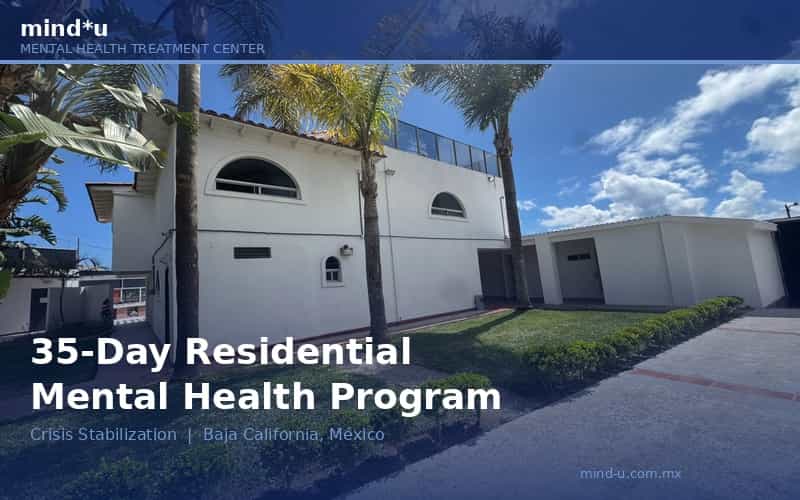
The physical environment is a critical component of mental health recovery in Mexico. Many facilities are located in serene settings—ranging from colonial cities like San Miguel de Allende to tranquil coastal areas. These healing environments are intentionally chosen to provide a sense of peace that facilitates the introspective work required for effective trauma reappraisal.
Patients often stay in residential or semi-residential clinics that look more like boutique haciendas than hospitals. This reduction in "clinical stress" allows the nervous system to relax, making the dialogic process more accessible. Generally, patients experience lower levels of cortisol and anxiety when therapy is conducted in these aesthetically pleasing and naturally beautiful surroundings.
Case Summary: Resilience After Loss
A 45-year-old patient from Canada traveled to Mexico for Dialogic Trauma Re-appraisal after years of unresolved grief. Through an intensive 10-day dialogic program, they were able to re-frame their narrative from one of "total loss" to one of "continuing bond," reporting a significant decrease in depressive symptoms within three months.Candidates for Dialogic Trauma Re-appraisal
Determining who is a suitable candidate for trauma therapy is a vital step in the medical tourism journey. This framework is typically best suited for individuals struggling with PTSD, complex trauma (C-PTSD), or chronic emotional distress that has led to "stuck" life patterns. It is most patients find that having a baseline of emotional stability is necessary before diving into intensive dialogic work.
However, there are strict contraindications for this type of intensive work. Individuals currently in the midst of an acute psychotic episode, severe active substance addiction, or immediate suicidal crisis may not be appropriate for the dialogic framework until they are stabilized. A comprehensive psychological screening is always performed by reputable Mexican clinics prior to acceptance into a program.
Medical tourism for mental health requires careful planning. Do not discontinue any prescribed psychiatric medications before your trip without the direct supervision of your prescribing physician and your new therapist in Mexico.
Long-term Recovery and Wellness Outcomes
The goal of trauma re-appraisal in Mexico is not just temporary relief but a fundamental shift in how one relates to their past. By the end of a treatment cycle, most patients experience a newfound ability to observe their thoughts without being overwhelmed by them. This "meta-cognitive" shift is the hallmark of successful dialogic therapy, allowing for long-term emotional regulation.
To ensure lasting results, many top psychology clinics in Mexico provide robust aftercare plans. This often includes scheduled tele-health sessions to help patients integrate their "re-authored" narrative back into their home lives. Statistically, patients who participate in structured aftercare report a 40% higher rate of maintaining their therapeutic gains over a two-year period.
Research indicates that dialogic-based interventions can lead to a 50-60% reduction in trauma-related symptoms when conducted in intensive, focused settings over a short period.
Safety and Accreditation of Care in Mexico
Safety is the cornerstone of international medical travel for psychology. When seeking accredited mental health clinics in Mexico, patients should verify that the facility and its practitioners are recognized by the Secretary of Health (COFEPRIS). Professional practitioners will always be willing to provide their clinical credentials and license numbers for verification.
Furthermore, the privacy and confidentiality standards in Mexican private clinics are strictly maintained, often mirroring or exceeding HIPAA regulations found in the U.S. This provides a secure environment for patients to discuss sensitive traumatic events. Generally, reputable centers also have emergency protocols in place and connections with local medical hospitals should a physical health issue arise during treatment.
Case Summary: Overcoming Professional Burnout
An executive from the UK sought trauma re-appraisal in Mexico City after experiencing a "breakdown" related to toxic workplace trauma. The dialogic approach allowed them to identify the "internalized critic" and replace it with a narrative of self-compassion, leading to a successful career pivot upon return.Integrating Traditional and Modern Therapy
One of the most innovative aspects of psychological care in Mexico is the integration of traditional wisdom with modern clinical science. Some centers incorporate "Pláticas" (heart-to-heart talks) or mindfulness practices that are deeply rooted in Mexican culture. This hybrid approach can be typically very effective for patients who find purely clinical Western psychology too detached.
By combining Dialogic Trauma Re-appraisal with somatic practices, therapists help patients release trauma stored in the body. This holistic view ensures that the re-appraisal is not just intellectual but experiential. Most patients find that this multi-sensory approach leads to a more profound "aha!" moment, where the trauma finally feels like something that happened to them, rather than something that is them.
Mexico has one of the highest numbers of psychologists per capita in Latin America, resulting in a highly competitive and specialized market that benefits international seekers of niche therapies.
Preparing for Your Mental Health Journey to Mexico
Preparation is key to a successful therapeutic experience in Mexico. Start by gathering your previous medical and psychological records to share with your new provider. It is also generally recommended to set clear goals for what you hope to achieve during your stay, whether it is resolving a specific memory or improving overall emotional resilience.
Logistically, ensure your travel documents are in order and that you have arranged for a quiet place to stay that supports your healing process. Many clinics can provide recommendations for nearby accommodations that are quiet and secure. Typically, patients experience the best results when they treat the trip as a "working retreat" rather than a standard vacation, prioritizing rest and reflection between sessions.
Bring a journal. The dialogic process often triggers significant insights between sessions. Writing these down helps reinforce the "re-authoring" of your story and provides valuable material for your next meeting.
Holistic Approaches to Emotional Healing in Mexico
Holistic trauma recovery in Mexico often extends beyond the therapy room. Many programs include nutritional support, as gut health is intrinsically linked to mood regulation and neuroplasticity. By addressing the biochemical and psychological aspects of trauma simultaneously, the re-appraisal framework becomes even more powerful and typically yields quicker results.
Engagement with the local culture—such as visiting art galleries or quiet natural parks—can also serve as a form of "external dialogue." This helps patients reconnect with the world in a positive way. Most patients experience a renewed sense of wonder and connection, which serves as the perfect counter-narrative to the isolation and fear often caused by unresolved trauma.
Case Summary: Reclaiming Agency
A patient from the US struggling with "stuckness" due to childhood emotional neglect utilized a 2-week dialogic intensive in Guadalajara. By externalizing the "voice of neglect" and engaging in a new dialogue of "self-advocacy," the patient reported a 70% improvement in social anxiety scores.How PlacidWay Assists Your Dialogic Trauma Re-appraisal Medical Tourism Journey?
Navigating international healthcare can be complex, but you don't have to do it alone. PlacidWay provides a bridge between you and the best psychological experts in Mexico, ensuring that your journey toward healing is transparent and well-supported. We focus on connecting you with high-quality providers who specialize in the Dialogic Trauma Re-appraisal framework.
- Providing access to a curated network of licensed psychologists and clinics across Mexico.
- Facilitating initial consultations to ensure therapist-patient compatibility.
- Offering transparent pricing information to help you plan your treatment budget effectively.
- Supplying detailed profiles of practitioners, including their education, certifications, and areas of expertise.
- Streamlining the process of requesting medical quotes and treatment plans.
- Providing patient reviews and testimonials to help you make an informed decision based on real experiences.
- Assisting with communication and coordination between you and the medical facility.
Frequently Asked Questions (FAQ)
It is a therapy where you and your therapist talk through traumatic events to change how you perceive them. It focuses on turning your "victim story" into a "survivor story" through active dialogue.
Mexico offers highly trained, bilingual therapists at a fraction of the cost found in the US. The warm, culturally empathetic environment also aids in building the necessary trust for trauma work.
Therapy in Mexico is typically 60-70% cheaper than in the US. This allows patients to afford more frequent sessions or longer intensive retreats that would otherwise be too expensive.
Yes, many Mexican psychologists use the same evidence-based frameworks used globally. The intensive nature of a "medical tourism" stay can actually make it more effective than weekly sessions back home.
Most standard US insurance plans do not cover international outpatient therapy. However, the out-of-pocket cost in Mexico is often less than the deductible or co-pay for specialized trauma care in the US.
Look for their "Cédula Profesional" and check if they belong to organizations like the Mexican Board of Psychology. PlacidWay also vets providers to ensure they meet high clinical standards.
Yes, most therapists in Mexico offer tele-health sessions. This is highly recommended to help you maintain your progress once you return home.
Seek clinics that offer specialized trauma programs rather than general wellness. Check for bilingual staff and look for a setting that feels safe and comfortable for you personally.
In medical tourism hubs, many psychologists are fluent in English. Always confirm their language proficiency during your initial inquiry or video call.
Reputable clinics have crisis protocols and connections with local hospitals. It is important to discuss these safety measures with your provider before you begin treatment.
Ready to start your journey toward healing?
Connect with expert psychologists in Mexico today and discover a new path to emotional resilience.
- American Psychological Association. Traumatic Stress. https://www.apa.org/topics/trauma
- World Health Organization. Mental Health in Emergencies. https://www.who.int/news-room/fact-sheets/detail/mental-health-in-emergencies
- National Center for Biotechnology Information. Dialogic Practice in Mental Health. https://www.ncbi.nlm.nih.gov/pmc/articles/PMC5459232/
- Secretaría de Salud México. Salud Mental y Adicciones. https://www.gob.mx/salud
- Medical Tourism Association. Mexico Medical Tourism Profile. https://www.medicaltourismassociation.com/




.png)
.png)
.png)





Share this listing