

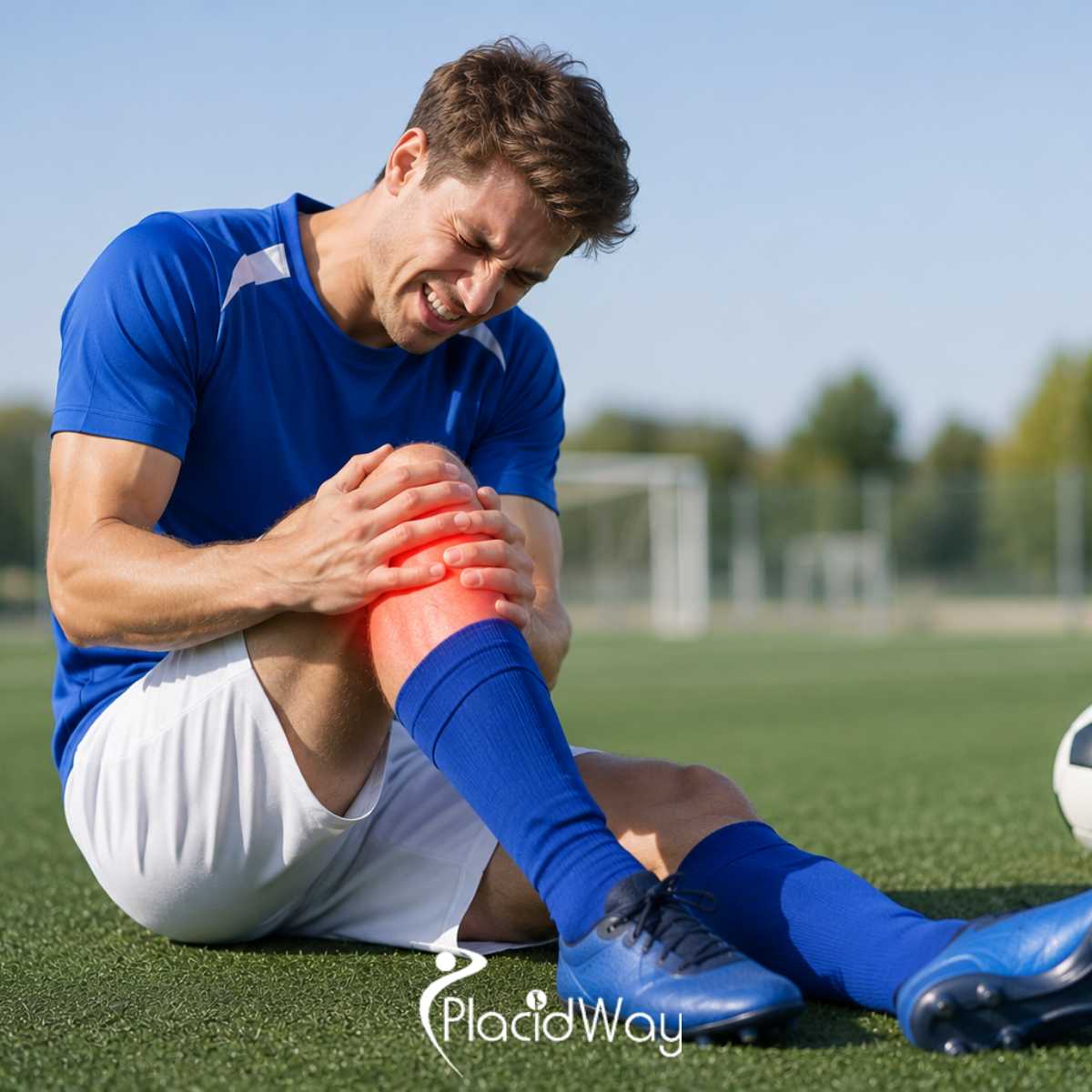
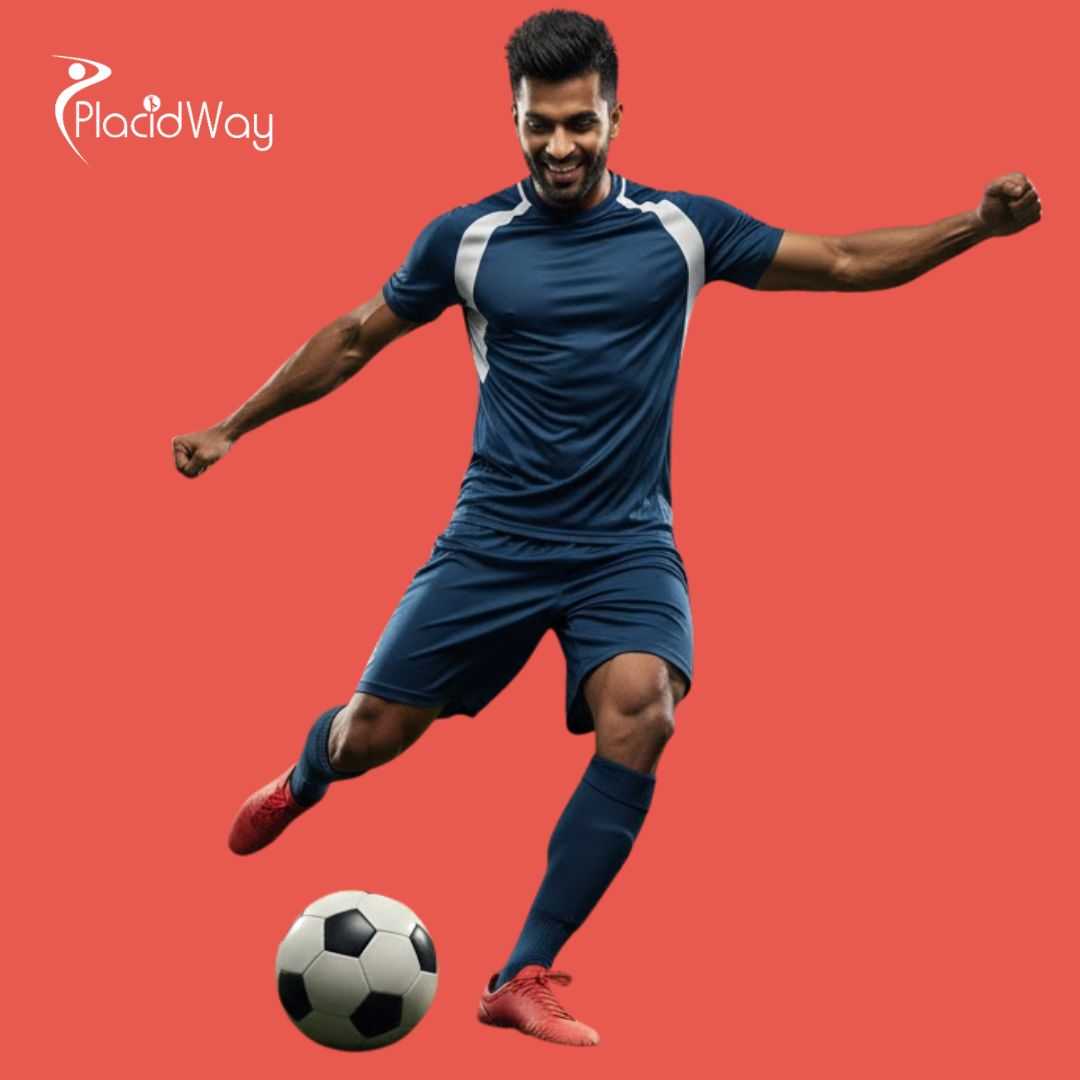
Professional athletes rely on optimal physical performance, making career-threatening injuries like an Anterior Cruciate Ligament (ACL) tear a critical challenge. In recent years, an increasing number of sports professionals from West Africa have started exploring global healthcare alternatives. The pursuit of advanced sports medicine in India has grown significantly, driven by the need for specialized orthopedic care that can facilitate a safe and structured return to competitive sports.
For many Ghanaian athletes, the decision to seek treatment abroad stems from the desire to access modern surgical technologies and highly experienced medical professionals. India has established itself as a premier hub for orthopedic excellence, offering procedures that adhere to rigorous international standards. Athletes are finding that undergoing an ACL repair for professional athletes in India provides them with comprehensive care pathways, from initial diagnostics to intensive post-operative rehabilitation.
- Access to board-certified orthopedic surgeons with specializations in sports-related injuries.
- Availability of cutting-edge diagnostic imaging, ensuring precise surgical planning.
- Integration of advanced minimally invasive arthroscopic techniques to promote functional healing.
- Customized rehabilitation programs designed specifically for high-impact sports recovery.
Patient Experience: Kwame's Journey Back to the Pitch
Kwame, a semi-professional football player from Accra, suffered a severe ACL tear during a mid-season tournament. Facing limited local options for specialized sports reconstruction, he opted for treatment in India. Following a successful arthroscopic procedure and a carefully monitored physical therapy regimen, he was able to safely resume training within ten months, noting the exceptional communication and expertise of his medical team.
Understanding Advanced Sports Medicine in India
Sports medicine is a distinct branch of healthcare focused on the prevention, diagnosis, treatment, and rehabilitation of injuries related to physical activity. Hospitals offering comprehensive sports medicine in India go beyond standard orthopedics by evaluating the biomechanical demands of an athlete's specific sport. This targeted approach is crucial because the physical requirements of a football player differ vastly from those of a track and field sprinter.
The medical infrastructure in India supports a multidisciplinary approach to athletic injuries. When a patient arrives for an evaluation, they typically consult not only with an orthopedic surgeon but also with sports physiotherapists, nutritionists, and pain management specialists. This collaborative ecosystem ensures that every aspect of the athlete's physical health is addressed, promoting a more cohesive and supportive recovery environment.
- Detailed biomechanical assessments to identify movement deficiencies.
- Utilization of advanced biologics, such as Platelet-Rich Plasma (PRP), to generally support tissue healing.
- Sports-specific functional testing to gauge readiness for a return to play.
- Long-term conditioning strategies to help prevent future ligament damage.
Many orthopedic centers in India dedicate entire wings exclusively to sports medicine, equipped with advanced gait analysis laboratories and anti-gravity treadmills used by top-tier international athletes.
The Rising Trend of Orthopedic Medical Tourism in India
The global healthcare landscape is shifting rapidly, with patients willing to cross borders for specialized medical interventions. Orthopedic medical tourism in India has seen a substantial upward trajectory over the past decade. Athletes and active individuals from across the African continent are leveraging international travel to bypass long wait times and access highly rated medical facilities.
This trend is supported by robust institutional frameworks that prioritize the needs of international patients. Specialized medical travel facilitators streamline the complex logistics involved in seeking healthcare abroad. For Ghanaian sports professionals, this means a structured, supportive process that allows them to focus primarily on their physical recovery and upcoming rehabilitation milestones.
- Streamlined admission processes tailored for international medical travelers.
- Access to dedicated international patient lounges and coordination teams.
- Telemedicine consultations available prior to travel for initial assessments.
- Comprehensive pre-operative counseling to establish realistic treatment expectations.
According to industry reports, orthopedic surgeries, including joint replacements and ligament reconstructions, account for a significant percentage of the procedures sought by medical tourists visiting India annually.
Affordable ACL Repair Cost in India Compared to Ghana
One of the primary factors influencing the decision to travel for medical care is the overall financial investment required for high-level surgical interventions. The ACL repair cost in India is highly competitive when measured against the global average for similar quality procedures. For many athletes, managing out-of-pocket healthcare expenses is crucial, especially when an injury disrupts their professional income.
While the private healthcare sector in Ghana offers orthopedic services, the cost of accessing state-of-the-art arthroscopic equipment and specialized sports rehabilitation can be prohibitive. By choosing India, patients often find that the combined cost of the surgery, comprehensive physical therapy, and medical diagnostics remains economically viable without compromising on the standard of medical expertise.
| Procedure / Service | Average Cost in India (USD) | Estimated Cost in Ghana (Private Sector) |
|---|---|---|
| ACL Reconstruction (Autograft) | $2,500 - $3,500 | $4,500 - $6,500+ |
| ACL Reconstruction (Allograft) | $3,500 - $4,800 | $6,000 - $8,000+ |
| Diagnostic MRI (Knee) | $100 - $200 | $300 - $500 |
| Intensive Post-Op Physiotherapy (Per Session) | $20 - $40 | $50 - $100 |
Always request a highly detailed initial medical estimate that breaks down the costs of surgeon fees, operating room charges, anesthesia, and necessary medical implants to better compare your options.
Comprehensive Diagnostics for Sports Injuries in India
Accurate diagnosis is the foundational step of any successful orthopedic intervention. Before proceeding with any form of surgery, medical teams conducting sports injury assessments in India utilize a battery of diagnostic evaluations. This rigorous testing phase ensures that the surgical plan is customized to the specific anatomical and physiological needs of the patient.
Athletes presenting with knee instability undergo detailed clinical examinations combined with high-resolution imaging. These diagnostics not only confirm the extent of the ACL tear but also help identify concomitant injuries, such as meniscus tears or cartilage damage, which are common in high-impact sports trauma and must be addressed simultaneously during surgery.
- High-Tesla Magnetic Resonance Imaging (MRI) for detailed soft tissue visualization.
- Dynamic ultrasound imaging to assess ligament integrity during movement.
- Lachman and Pivot Shift clinical tests performed by seasoned sports orthopedists.
- Isokinetic strength testing to measure pre-operative muscle deficits.
An accurate preoperative diagnosis allows surgeons to plan the exact placement of bone tunnels during an ACL repair, which is critical for restoring the natural kinematics of the knee joint.
State-of-the-Art Surgical Techniques for ACL Reconstruction
Modern approaches to knee surgery emphasize minimizing tissue trauma while maximizing joint stability. Arthroscopic ACL reconstruction in India is generally performed using minimally invasive techniques, utilizing small incisions and specialized camera-guided instruments. This approach typically reduces post-operative pain and significantly lowers the risk of surgical site infections.
The choice of graft material is a collaborative decision made between the surgeon and the athlete. Depending on the sport, age, and activity level, the surgeon may recommend an autograft (tissue taken from the patient's own body, usually the hamstring or patellar tendon) or an allograft (donor tissue). Both methods are routinely performed with high precision by experienced Indian orthopedic teams.
- Bone-Patellar Tendon-Bone (BTB) autografts, often preferred for professional athletes.
- Hamstring tendon autografts, which generally result in smaller incisions and less anterior knee pain.
- Anatomic single-bundle or double-bundle reconstruction techniques depending on knee anatomy.
- Use of bio-absorbable fixation screws that safely integrate into the bone over time.
Patient Experience: Samuel's Minimally Invasive Procedure
As a track athlete from Kumasi, Samuel feared his career was over after a bad landing resulted in a torn ACL. Traveling to India allowed him to undergo a state-of-the-art hamstring autograft reconstruction. He noted that the arthroscopic technique left only minimal scarring, and his immediate post-operative discomfort was much lower than he had anticipated, allowing him to begin light physical therapy within days.
Post-Operative Rehabilitation and Physiotherapy Protocols
Surgery is only the first half of the journey; a rigorous and structured rehabilitation program is essential for a successful outcome. Participating in specialized sports physiotherapy in India ensures that the newly reconstructed ligament integrates properly and that surrounding musculature regains its strength. A premature return to rigorous activity without proper rehabilitation dramatically increases the risk of re-injury.
International patients typically begin their physical therapy while still hospitalized, progressing through phased recovery milestones. The initial phase generally focuses on reducing swelling and restoring range of motion. Subsequent phases introduce weight-bearing exercises, eventually culminating in sports-specific agility drills that prepare the athlete for competition.
- Phase 1: Pain management, icing, and gentle range-of-motion exercises.
- Phase 2: Introduction of closed kinetic chain exercises to rebuild quadriceps strength.
- Phase 3: Proprioception training and balance work to restore joint stability.
- Phase 4: High-intensity, sport-specific plyometrics and cutting maneuvers.
Patients must strictly adhere to their surgeon's and physiotherapist's guidelines. Attempting high-impact activities before the graft has fully vascularized and integrated (typically 6 to 9 months post-surgery) carries a high risk of catastrophic graft failure.
Safety Standards and Quality of Care for International Patients
When considering medical travel, ensuring the clinical safety and hygiene standards of the destination hospital is paramount. Many institutions providing high-quality orthopedic care in India are accredited by reputable international bodies such as the Joint Commission International (JCI). These accreditations signal a commitment to strict infection control, patient safety protocols, and continuous quality improvement.
International patients can expect care environments that mirror or exceed those found in prominent Western medical centers. Hospitals catering to medical tourists implement rigorous preoperative screening processes to mitigate surgical risks, ensuring that patients are physically optimized before entering the operating theater.
- Strict adherence to international sterilization and infection prevention protocols.
- Use of internationally approved surgical implants and medical-grade materials.
- Availability of advanced Intensive Care Units (ICUs) for continuous postoperative monitoring.
- Routine audits by internal and external medical quality boards.
JCI-accredited hospitals are required to meet over 1,000 measurable quality standards, ensuring that patient care is delivered in a highly secure and systematic manner.
Navigating the Medical Visa Process for Ghanaian Patients
Traveling across international borders for medical procedures involves specific documentation. Securing an Indian Medical Visa for Ghanaian citizens is a formalized process designed to support patients seeking healthcare services. The Indian government provides specific visa categories for patients and their accompanying medical attendants, streamlining entry into the country.
To initiate the visa application, a patient must possess a formal invitation or appointment letter from a recognized and registered Indian medical institution. This documentation confirms the nature of the treatment, the expected duration of the stay, and serves as primary evidence during the visa approval process at the diplomatic mission.
- Obtain an official medical invitation letter from the chosen Indian hospital.
- Ensure your passport holds a minimum of six months validity from the travel date.
- Complete the online medical visa application form through the official Indian visa portal.
- Provide verifiable proof of sufficient financial funds to cover medical and living expenses.
Always apply for a "Medical Visa" (Med Visa) rather than a standard tourist visa, as a tourist visa strictly prohibits undergoing major surgical interventions and can lead to immediate deportation or legal complications.
Overcoming Language and Cultural Barriers During Treatment
Effective communication between a patient and their healthcare provider is critical for establishing trust and ensuring compliance with medical instructions. Fortunately, English-speaking healthcare professionals in India are the standard across private medical institutions, effectively eliminating major language barriers for international patients originating from Anglophone countries like Ghana.
Furthermore, medical facilities that frequently host international patients have developed robust cultural competency programs. Dedicated international patient coordinators are typically assigned to assist travelers, ensuring that their dietary preferences, religious observances, and personal comfort needs are respectfully accommodated throughout their medical journey.
- All medical reports, surgical consents, and discharge summaries are provided in English.
- Dedicated international patient departments assigned to support daily logistical needs.
- Availability of varied dietary options catering to diverse cultural and religious preferences.
- Seamless communication channels established for post-treatment follow-ups upon returning home.
Patient Experience: Emmanuel's Seamless Communication
Emmanuel, a university basketball coach, was initially anxious about navigating healthcare in a foreign country. He found that from the moment he arrived in India, every consultant, nurse, and therapist communicated fluently in English. The clear explanation of his ACL repair procedure and the detailed, easy-to-understand rehabilitation guides provided to him significantly reduced his pre-surgery anxiety.
Evaluating Success Rates for Orthopedic Procedures in India
When selecting a destination for critical sports medicine interventions, reviewing clinical outcomes is an essential part of the decision-making process. The ACL reconstruction success rates in India are generally favorable and align closely with global orthopedic benchmarks. Most patients experience significant improvements in joint stability and a reduction in knee pain following their prescribed recovery timelines.
It is important to acknowledge that surgical outcomes depend heavily on multifactorial elements. The expertise of the surgeon, the quality of the surgical facility, and—most crucially—the patient's strict adherence to post-operative physical therapy all dictate the final result. No surgical procedure can carry an absolute guarantee, but utilizing advanced techniques generally fosters optimal healing conditions.
- Success is typically defined as a return to pre-injury activity levels with a stable knee.
- Long-term outcomes rely heavily on the integration of the graft into the existing bone tunnels.
- Adherence to lifestyle modifications and weight management supports joint longevity.
- Regular follow-up consultations, even via telemedicine, help monitor ongoing recovery.
Clinical studies generally indicate that with modern arthroscopic techniques and strict adherence to physical therapy protocols, over 80% of athletes successfully return to their respective sports following an ACL reconstruction.
Preparing for the Journey Back to Professional Sports
The ultimate goal for any athlete undergoing orthopedic intervention is the safe resumption of their athletic career. Achieving a successful return to sports after ACL surgery requires extreme patience and a deep commitment to physical conditioning. The transition from clinical rehabilitation to competitive play is a carefully monitored, phased process.
Before an athlete is cleared for full competition, medical teams generally administer rigorous functional tests. These assessments evaluate muscle symmetry, agility, and psychological readiness. Rushing this timeline significantly elevates the risk of re-injury, which is why sports medicine specialists heavily emphasize gradual, milestone-based progress over strict calendrical deadlines.
- Isokinetic testing to ensure the reconstructed leg's strength matches the uninjured leg.
- Completion of sport-specific functional drills without pain or instability.
- Psychological evaluations to address hesitation or fear of re-injury during play.
- Ongoing use of supportive bracing if recommended by the orthopedic team during initial return phases.
Patient Experience: Kofi's Patient Return to Competition
Kofi, a competitive long-jumper, understood that his explosive sport required a meticulously strong knee. After his ACL repair in India, he committed to a 12-month rehabilitation process. By following his Indian medical team's remote guidance and working with local physiotherapists in Ghana, he successfully passed all functional hop tests. He recently returned to national competitions, reporting exceptional stability in his reconstructed knee.
How PlacidWay Assists Your ACL Repair Medical Tourism Journey in India
Navigating international healthcare options can feel overwhelming, especially when focused on physical recovery. Utilizing a structured medical facilitation platform ensures that patients can access verifiable information regarding specialized procedures like an affordable ACL repair in India. Proper guidance helps athletes connect with the appropriate medical professionals equipped to handle high-level sports injuries.
PlacidWay focuses on providing transparent, value-based assistance for individuals exploring international medical treatments. By centralizing vital healthcare information, the platform supports informed patient decision-making and streamlines the preliminary stages of the medical tourism process.
- Providing detailed profiles of internationally accredited medical institutions.
- Facilitating direct communication pathways between patients and experienced orthopedic specialists.
- Offering access to transparent medical cost estimates to aid in financial planning.
- Assisting with the secure transfer of medical records and diagnostic imaging for pre-evaluations.
- Supplying comprehensive educational resources regarding sports medicine procedures.
Medical tourism facilitators play a crucial role in patient education, ensuring that individuals fully understand their procedural options, typical recovery timelines, and required pre-operative preparations before making any international healthcare commitments.
Frequently Asked Questions About Sports Medicine in India
Patients considering international medical travel naturally have numerous inquiries regarding the logistics, safety, and specifics of their intended treatment. Gathering accurate information is a critical component of medical preparedness, particularly for complex orthopedic interventions.
Below is a compilation of frequently asked questions designed to provide clarity on the essential aspects of seeking sports medicine treatments and undergoing an ACL repair as an international patient.
Why is India a preferred destination for Ghanaian athletes seeking ACL repairs?
India offers access to highly specialized orthopedic surgeons and modern healthcare facilities at a competitive cost. Many athletes find that the combination of advanced medical technology and comprehensive rehabilitation programs supports their recovery goals.
How much does an ACL repair typically cost in India?
The cost of an ACL repair in India generally ranges from $2,500 to $4,500, depending on the graft type and surgical technique used. This is significantly lower than the costs often encountered in Western nations or local private healthcare facilities in Ghana.
Is it safe to travel to India for sports medicine procedures?
Most international patients experience a high standard of safety, as many hospitals catering to medical tourists maintain strict international healthcare accreditations. However, patients should always thoroughly research their options and consult with their primary physicians before traveling.
What type of grafts are commonly used for ACL reconstruction in India?
Surgeons in India typically utilize either autografts, taken from the patient's own patellar or hamstring tendons, or allografts from a donor. The choice of graft generally depends on the athlete's specific injury, age, and sport.
How long do I need to stay in India for an ACL repair?
Most patients are advised to remain in India for two to three weeks post-surgery to ensure initial healing and to begin structured physical therapy. This timeframe allows surgeons to monitor the early stages of recovery and manage any immediate post-operative concerns.
Do Indian hospitals provide English-speaking medical staff?
Yes, English is widely spoken across the medical sector in India, making communication highly efficient for international patients from English-speaking countries like Ghana. Medical reports, consultations, and care instructions are routinely provided in English.
What is the typical recovery time before returning to professional sports?
Returning to high-impact sports generally takes between nine to twelve months of dedicated rehabilitation and strength training. Individual recovery timelines vary significantly based on physical condition, adherence to physiotherapy, and surgical outcomes.
Can I receive physical therapy in India after my surgery?
Comprehensive post-operative physiotherapy is typically integrated into the treatment plan immediately following surgery. Patients begin customized rehabilitation protocols before returning to their home country to continue their physical therapy.
How do Ghanaian citizens apply for an Indian Medical Visa?
Ghanaian citizens can apply for an Indian Medical Visa online or through the Indian High Commission by providing a valid passport and an official invitation letter from a recognized Indian medical institution. The process is generally straightforward when all necessary medical documentation is prepared.
Are there risks associated with ACL surgery abroad?
As with any major surgical procedure, risks such as infection, graft failure, or blood clots exist regardless of location. Flying shortly after surgery can also increase the risk of deep vein thrombosis, which is why a designated recovery period in the destination country is typically required.
Ready to explore advanced sports medicine and ACL repair options in India? Let PlacidWay guide your medical tourism journey.
References
- Johns Hopkins Medicine. Anterior Cruciate Ligament (ACL) Injury or Tear. https://www.hopkinsmedicine.org/health/conditions-and-diseases/ligament-injuries-to-the-knee
- Mayo Clinic. ACL reconstruction - Mayo Clinic. https://www.mayoclinic.org/tests-procedures/acl-reconstruction/about/pac-20384598
- American Academy of Orthopaedic Surgeons (AAOS). ACL Injury: Does It Require Surgery? https://orthoinfo.aaos.org/en/treatment/acl-injury-does-it-require-surgery/
- Centers for Disease Control and Prevention (CDC). Medical Tourism: Getting Medical Care in Another Country. https://wwwnc.cdc.gov/travel/page/medical-tourism

.png)
.png)

.png)
.png)
.png)
.png)



.png)
.jpg)
.png)
.png)








Share this listing