



In recent years, the landscape of global healthcare has shifted significantly, with patients actively seeking high-quality medical interventions beyond their home borders. For citizens of the Middle East, particularly those exploring medical tourism in Turkey, the Eurasian nation has emerged as a premier destination. The combination of geographic proximity, cultural affinity, and world-class medical infrastructure makes it an ideal choice for Saudi Arabians facing severe orthopedic and neurological conditions.
When it comes to intricate medical procedures, patients prioritize safety, expertise, and comprehensive care. Complex spinal surgery in Turkey offers exactly this, blending renowned surgical talent with facilities that rival top-tier institutions globally. By bridging the gap between advanced medical science and compassionate patient care, the country has successfully cultivated an environment where international patients feel supported, understood, and confident in their treatment paths.
Turkey hosts over a million medical tourists annually, with a significant percentage traveling specifically for advanced orthopedic and spinal treatments.
Advanced Technological Infrastructure for Spinal Procedures in Turkey
The success of any delicate neural or structural operation relies heavily on the technology available in the operating theater. Medical institutions offering spinal procedures in Turkey have invested heavily in state-of-the-art diagnostic and surgical equipment. This commitment to innovation allows medical teams to plan and execute operations with a level of precision that maximizes safety and optimizes outcomes.
From intraoperative neuromonitoring to 3D robotic navigation systems, these technological advancements help surgeons navigate the complex anatomy of the spine with pinpoint accuracy. Consequently, patients generally experience fewer complications and more predictable results. This integration of modern medical technology is a cornerstone of why international patients place their trust in the Turkish healthcare system.
According to industry reports, many internationally accredited hospitals have integrated robotic-assisted spine surgery, which can typically reduce pedicle screw misplacement rates to less than 1%.
Common Types of Spine Surgery Sought by International Patients
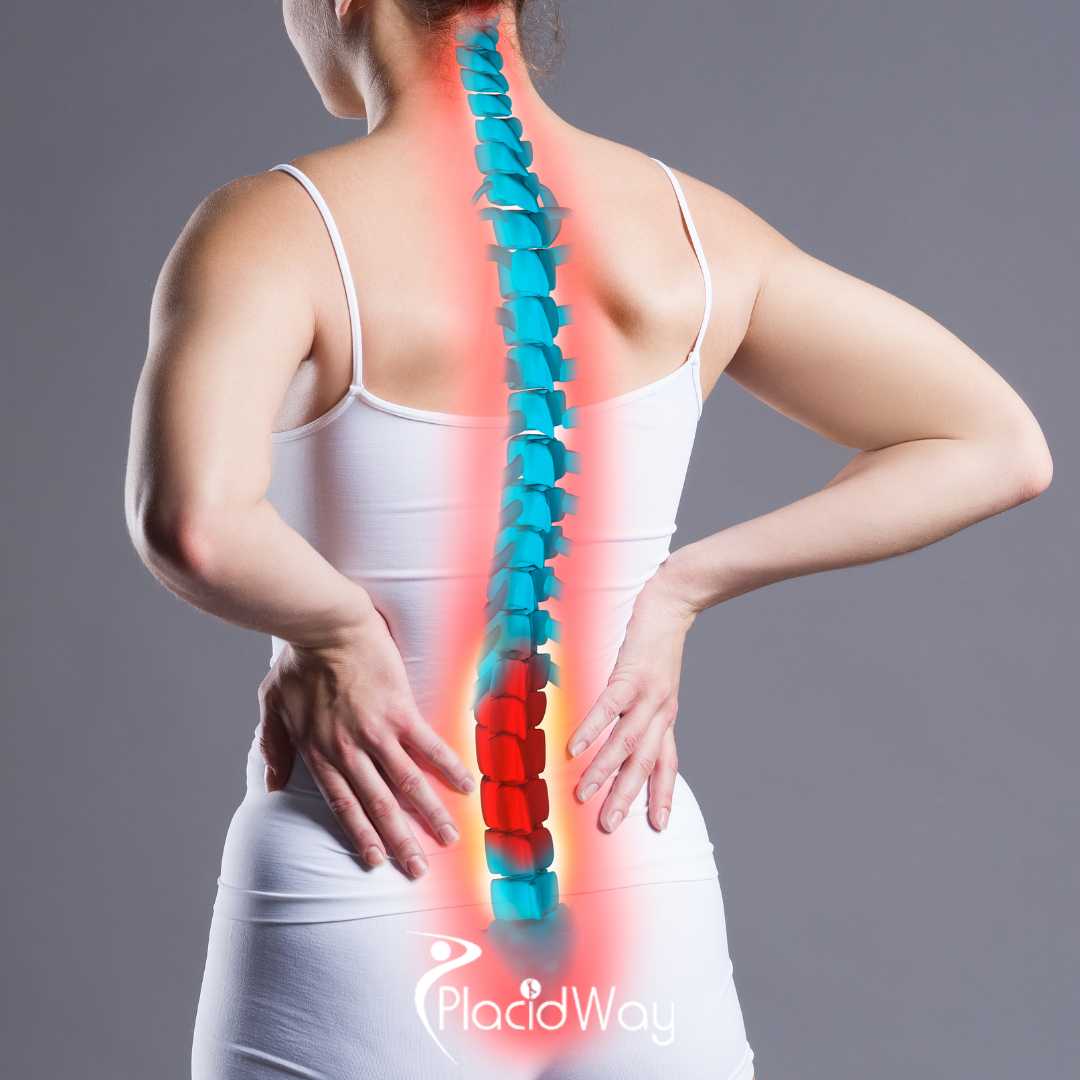
The human spine is a complex structure, and the ailments affecting it require highly specialized interventions. Saudi patients frequently travel abroad for procedures that demand extensive surgical expertise and post-operative management. Among the most sought-after interventions are spinal fusion, artificial disc replacement, and severe scoliosis correction.
In addition to these, many individuals seek treatment for spinal stenosis, herniated discs, and spinal tumors. These procedures are intricate and typically require a multidisciplinary approach involving neurosurgeons, orthopedic specialists, and pain management teams. The availability of comprehensive teams proficient in innovative spine surgery techniques is a major draw for medical travelers.
Before traveling, obtain high-resolution digital copies of all your recent MRI and CT scans. Having these ready ensures your international surgical team can formulate an accurate preliminary treatment plan.
Cost Comparison for Complex Spinal Surgery in Turkey vs. Saudi Arabia
One of the most compelling reasons individuals choose medical travel is the financial advantage, without compromising on the quality of healthcare. Affordable spinal surgery in Turkey allows patients to access premium medical services at a fraction of the cost they might incur in domestic private facilities or Western countries. This financial accessibility opens doors for patients who require life-altering procedures but face prohibitive costs at home.
While the exact complex spinal surgery cost in Turkey varies depending on the specific procedure, the patient's health status, and hospital choice, the savings are consistently notable. The table below illustrates a general comparison of average costs for various spinal operations between Turkey and Saudi Arabia. Please note that these figures are estimates and results may vary based on individual medical needs.
| Procedure Name | Average Cost in Turkey (USD) | Average Cost in Saudi Arabia (USD) |
|---|---|---|
| Spinal Fusion (1-2 Levels) | $9,000 - $14,000 | $25,000 - $40,000 |
| Artificial Disc Replacement | $10,000 - $15,000 | $28,000 - $45,000 |
| Scoliosis Correction Surgery | $15,000 - $25,000 | $40,000 - $70,000 |
| Laminectomy / Decompression | $5,000 - $8,000 | $15,000 - $25,000 |
Understanding the Qualifications of Turkish Spine Surgeons
A major factor driving trust among Middle Eastern patients is the exceptional caliber of medical professionals available. Many specialists handling spine treatments in Turkey have undergone rigorous training, often completing fellowships in Europe or the United States. They maintain active memberships in prestigious international societies, ensuring they remain at the forefront of global surgical advancements.
Patients are reassured by the transparency regarding physician credentials. Surgeons are well-versed in handling complex, high-risk cases, utilizing their extensive experience to minimize complications. This dedication to continuous education and global standards fosters a profound sense of trustworthiness among medical tourists.
Testimonial: Finding Relief After Years of Pain
"I suffered from severe spinal stenosis for years in Riyadh. Traveling for my operation was intimidating, but the professionalism of my surgical team put me at ease. The procedure went smoothly, and while my recovery took time, I am finally regaining my mobility. The care I received was nothing short of excellent." – Omar, Saudi Arabia
The Medical Tourism Experience for Saudi Arabians in Turkey
Medical travel is about more than just the surgical procedure; the overall environment plays a critical role in patient healing and comfort. For Saudi Arabians, cultural similarities make the transition much smoother. Availability of halal food, understanding of Islamic customs, and accessible prayer facilities create a culturally sensitive atmosphere that reduces the stress of being away from home.
Hospitals catering to international patients have dedicated departments specifically designed to manage the unique needs of medical travelers. From the moment patients arrive, they are guided through every step, ensuring that language barriers and logistical hurdles do not interfere with their primary focus: health and recovery.
Many international hospitals in major Turkish cities have distinct International Patient Centers designed entirely around creating a culturally familiar, stress-free environment for Middle Eastern guests.
Comprehensive Diagnostics and Pre-Operative Care in Turkish Facilities
A successful surgery begins long before the patient enters the operating room. Comprehensive diagnostics are paramount, especially when addressing intricate spinal conditions. Medical centers offering top spine surgery clinics in Turkey employ advanced imaging techniques, including high-tesla MRI, specialized CT myelography, and dynamic X-rays, to create a precise surgical roadmap.
During the pre-operative phase, patients undergo extensive medical evaluations. This typically includes cardiovascular checks, blood work, and consultations with anesthesiologists to ensure they are fit for surgery. This meticulous preparation is designed to identify and mitigate potential risks, ensuring the patient's body is ready for the intervention.
Testimonial: Thorough and Reassuring Care
"Before my scoliosis surgery, the medical team ran more tests than I had ever experienced back home. They created a 3D model of my spine to explain the surgery to me. That level of detail gave my family and me the peace of mind we desperately needed." – Fatima, Saudi Arabia
Innovative Minimally Invasive Techniques in Turkish Spine Surgery
The evolution of surgical techniques has profoundly changed the landscape of orthopedic care. Whenever medically appropriate, specialists lean towards minimally invasive spine surgery (MISS). By utilizing specialized tubular retractors and microscopic cameras, surgeons can access the spine through very small incisions, reducing the trauma to surrounding muscles and tissues.
For patients, the benefits of these innovative approaches are significant. Generally, minimally invasive procedures lead to less post-operative pain, reduced blood loss, and a faster return to daily activities. While not every complex case is suitable for MISS, its widespread adoption highlights the progressive nature of the medical care provided to international patients.
Minimally invasive spine surgery is associated with shorter hospital stays—often just 1 to 3 days compared to the 4 to 7 days typically required for traditional open spine surgeries.
Navigating Post-Operative Rehabilitation and Follow-Up Care
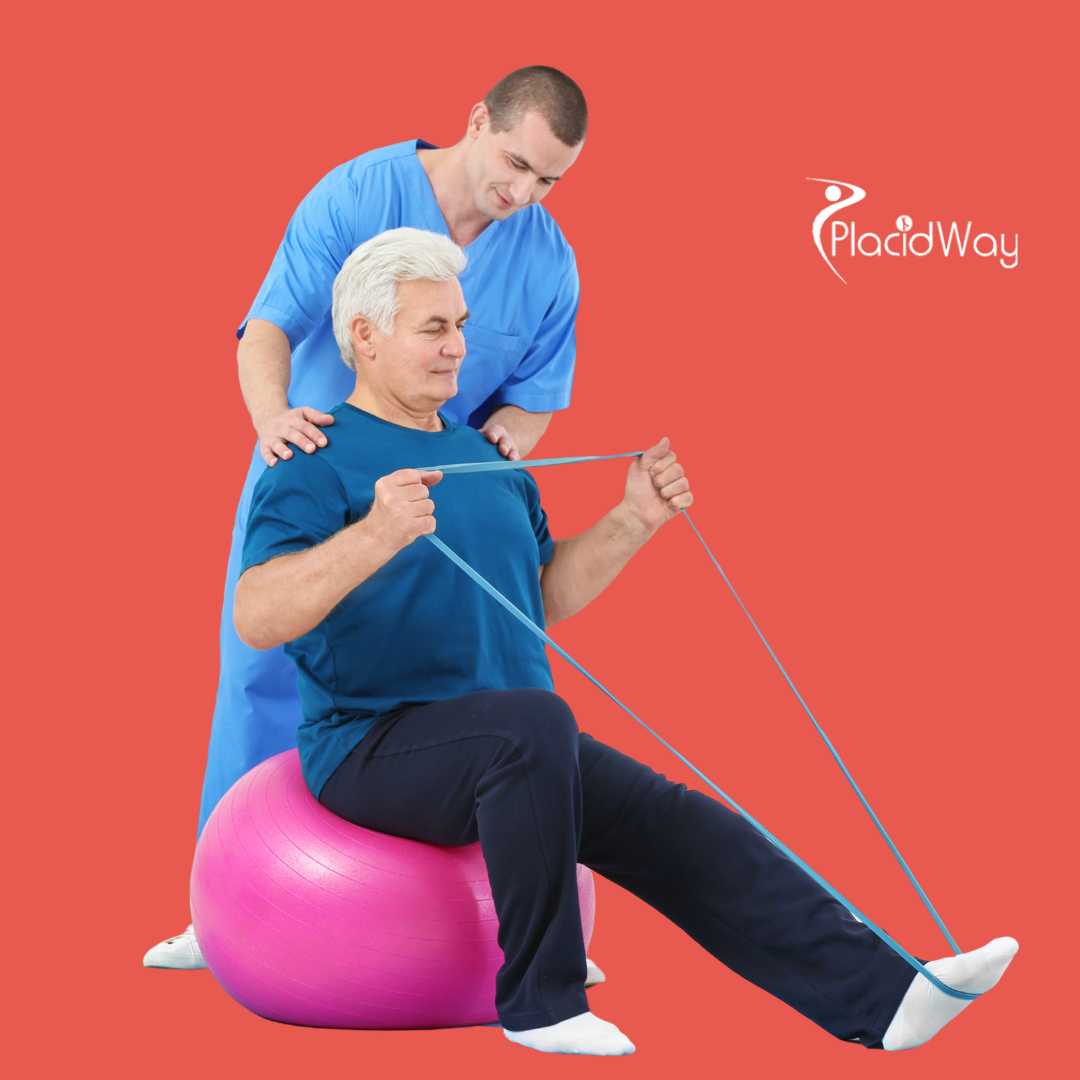
Surgery is only the first step in the journey toward a healthy spine; rehabilitation is equally crucial. Following complex spinal surgery in Turkey, patients begin a structured, personalized physical therapy program. Early mobilization, under the strict guidance of physiotherapists, helps to strengthen the core muscles, improve flexibility, and enhance the healing of the surgical site.
Before returning to Saudi Arabia, patients receive detailed post-operative guidelines. This comprehensive exit planning usually includes instructions on wound care, pain management, and activity restrictions. Continued communication via telemedicine allows surgeons to monitor the patient's progress even after they have returned to their home country.
Flying too soon after major spine surgery can increase the risk of deep vein thrombosis (DVT). Always wait for formal medical clearance from your surgeon before booking your return flight to Saudi Arabia.
Language Support and Cultural Alignment for Middle Eastern Patients
Clear communication is a fundamental pillar of patient safety and satisfaction. Recognizing the influx of Saudi patients, top medical facilities have heavily integrated Arabic language support into their daily operations. From translating complex medical jargon to facilitating daily interactions with nurses, dedicated interpreters ensure nothing is lost in translation.
Beyond language, there is a deep cultural alignment that helps patients feel respected. The understanding of family dynamics—where medical decisions are often made collectively—is acknowledged by healthcare providers. Doctors take the time to answer questions from family members, fostering a collaborative and trusting environment.
Testimonial: Feeling Understood and Respected
"Language was my biggest worry when I decided to travel for my disc replacement. However, my hospital provided a dedicated Arabic translator who was with me 24/7. It felt like I never left home, and the cultural respect shown by the staff was incredible." – Tariq, Saudi Arabia
Assessing the Risks and Realistic Outcomes of Spinal Operations
Any medical intervention, particularly one involving the central nervous system, carries inherent risks. It is imperative for patients seeking spinal treatments in Turkey to have realistic expectations. Potential complications, though mitigated by advanced techniques and skilled surgeons, can include infection, hardware failure, or incomplete pain relief.
Ethical medical professionals will always prioritize transparent risk disclosure during the consultation phase. They emphasize that while most patients experience significant improvements in mobility and pain reduction, results vary based on age, lifestyle, and the severity of the initial condition. A cautious, informed approach empowers patients to make the best decisions for their health.
Write down a list of questions regarding potential risks and recovery timelines before your initial virtual consultation. An informed patient is an empowered patient.
Success Rates and Patient Satisfaction in Turkish Spine Centers
Global confidence in Turkish healthcare is largely driven by empirical outcomes and high patient satisfaction rates. Hospitals frequently audit their surgical outcomes, adhering to international quality metrics. The focus on evidence-based medicine means that patients typically benefit from protocols designed to maximize success and minimize readmission rates.
Patient testimonials and international accreditations highlight the consistent quality delivered by these institutions. Saudi patients, in particular, frequently share positive reviews regarding both the clinical success of their spinal surgeries and the compassionate bedside manner of the clinical staff, reinforcing the country's status as a top medical tourism hub.
Many Turkish hospitals proudly hold Joint Commission International (JCI) accreditation, a global gold standard signifying rigorous patient safety and quality of care protocols.
Testimonial: A Journey Worth Taking
"After my spinal fusion, the physical therapy was tough, but the dedication of the clinical team kept me going. Today, I am back to enjoying life with my grandchildren without the constant, debilitating back pain. I am deeply grateful for the honest and skilled care I received." – Hassan, Saudi Arabia
Preparing for Your Medical Journey and Spine Surgery Timeline
Organizing medical tourism in Turkey requires careful planning and coordination. The journey usually begins with a remote consultation, where patients submit their medical files for review. Once a preliminary treatment plan is established, patients can plan their travel, understanding that they will need to arrive a few days before surgery for in-person evaluations.
The timeline typically involves the initial diagnostics, the surgery day, a few days in the intensive care or recovery ward, and a subsequent stay in a standard room or nearby accommodation for follow-up appointments. Knowing this step-by-step timeline allows Saudi patients and their families to manage their personal and professional commitments effectively.
Electronic health records (EHR) make it incredibly easy for your domestic doctor in Saudi Arabia and your international surgeon to coordinate care safely and securely across borders.
How PlacidWay Assists Your Spinal Surgery Medical Tourism Journey in Turkey
Embarking on a medical journey abroad can feel overwhelming, but utilizing professional medical tourism facilitation ensures a streamlined, supportive experience. PlacidWay connects international patients with globally recognized medical facilities, providing value-based assistance throughout the entire process.
- Expert Provider Matching: Connecting you with highly accredited medical centers and experienced spine specialists that fit your specific medical needs.
- Transparent Information Access: Providing detailed facility profiles, doctor credentials, and comprehensive overviews to help you make informed decisions.
- Medical Record Coordination: Assisting in the secure transfer of your imaging and medical files to international specialists for accurate preliminary assessments.
- Direct Communication Facilitation: Arranging initial tele-consultations between you and your prospective surgical team to discuss risks, expectations, and treatment plans.
- Patient Support Services: Offering continuous guidance, answering your procedural questions, and acting as your patient advocate before, during, and after your medical journey.
Frequently Asked Questions (FAQ)
Do I need a visa to travel from Saudi Arabia to Turkey for medical treatment?
Saudi Arabian citizens typically need an e-Visa to enter Turkey for medical tourism. The process is generally quick and can be completed online prior to your departure.
How long do I typically need to stay in Turkey after spinal fusion?
Most patients are advised to stay in Turkey for 10 to 14 days following complex spinal surgery. This allows your surgical team to closely monitor your initial recovery and remove any sutures.
Are Arabic-speaking interpreters available in Turkish hospitals?
Yes, facilities catering to international patients typically provide dedicated Arabic-speaking interpreters. This ensures clear communication between Saudi patients and their medical teams.
What is the average recovery time for minimally invasive spine surgery?
Recovery varies, but minimally invasive procedures generally allow patients to return to light activities within 4 to 6 weeks. Full recovery for complex cases may take several months.
Is complex spinal surgery in Turkey covered by Saudi health insurance?
Coverage depends entirely on your specific insurance provider and policy. Patients should contact their Saudi insurer directly to inquire about international medical coverage or out-of-network reimbursement.
How do I transfer my medical records to a Turkish specialist?
Medical records, including MRI and CT scans, are usually transferred via secure, encrypted digital portals. Medical tourism facilitators can assist in ensuring your documents reach the specialist safely.
What are the common risks associated with complex spinal surgery?
As with any major operation, risks include infection, bleeding, blood clots, and potential nerve damage. Your surgeon will discuss these specific risks with you during your consultation.
Can I bring a companion with me during my hospital stay?
Yes, most international patient rooms in Turkish hospitals are designed as private suites that accommodate a family member or companion comfortably.
How soon can I fly back to Saudi Arabia after a spine operation?
Patients are generally cleared to fly 10 to 14 days post-surgery, depending on their healing progress. Surgeons will provide a fit-to-fly certificate once it is deemed safe.
What kind of follow-up care will I receive once I return home?
Many Turkish specialists offer tele-consultations for international patients to monitor progress. You will also be advised to coordinate with a local orthopedic specialist in Saudi Arabia for physical therapy.
Ready to take the next step towards a healthier spine? Let PlacidWay guide your medical tourism journey safely and professionally.
Medical Disclaimer: This article is for informational purposes only and is not medical advice. Always consult a qualified healthcare provider before any medical decisions. Results may vary. Read Full Disclaimer here.
References
- Joint Commission International (JCI). JCI-Accredited Organizations. https://www.jointcommissioninternational.org/about-jci/jci-accredited-organizations/
- Spine-Health. Understanding Minimally Invasive Spine Surgery. https://www.spine-health.com/treatment/back-surgery/minimally-invasive-spine-surgery
- World Health Organization (WHO). Quality of Care and Patient Safety. https://www.who.int/health-topics/patient-safety





.png)









Share this listing