
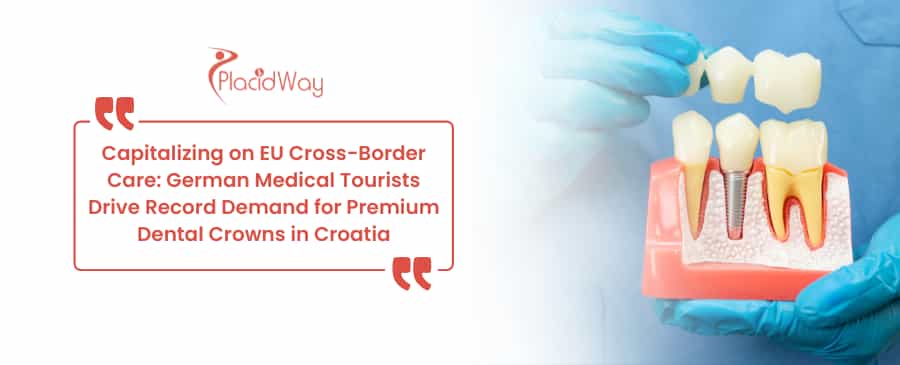
The landscape of European healthcare is rapidly evolving, with patients increasingly crossing international borders to secure high-quality medical and dental treatments. For many German citizens, seeking dental crowns in Croatia has become a highly attractive alternative to the escalating costs of domestic dental care. By leveraging the framework of EU cross-border healthcare directives, these patients can access world-class restorations without compromising on safety or clinical outcomes. Croatia has strategically positioned itself as a premier destination by combining advanced medical technology with highly skilled specialists who train extensively across Europe.
This surge in demand is largely driven by a growing awareness that geographic borders no longer dictate access to premium healthcare. Medical tourists are discovering that they can receive top-tier restorative dentistry, including customized crowns and bridges, at a fraction of the cost they would pay at home. As this trend accelerates, it highlights a significant shift in patient decision-making, where comprehensive value, European Union standards, and state-of-the-art facilities guide the modern medical traveler. The combination of exceptional clinical care and stringent regulatory oversight ensures a dependable patient experience.
- Strict EU Compliance: Facilities adhere to the same rigorous European healthcare regulations found in Western Europe.
- Advanced Technology: Clinics utilize cutting-edge CAD/CAM systems and 3D imaging for precise crown fabrication.
- Language Accessibility: Medical staff frequently speak fluent German and English, ensuring clear communication.
- Specialized Expertise: Prosthodontists undergo rigorous training, often holding international certifications.
Croatia has a deeply rooted history in medical tourism, dating back to the 19th century when European nobility would visit the region's coastal towns for health and wellness retreats.
Understanding the Appeal of Dental Crowns in Croatia for German Patients
The primary motivation for German patients exploring medical tourism in Croatia stems from the significant financial advantages coupled with uncompromising clinical quality. Dental insurance in Germany often leaves patients with substantial out-of-pocket expenses for major restorative work like crowns and implants. By traveling abroad within the EU, individuals can dramatically reduce these co-payments while still receiving restorations crafted from industry-leading materials. This financial relief allows patients to opt for premium materials, such as zirconia, that they might have otherwise found cost-prohibitive.
Furthermore, the logistical ease of traveling from Germany to Croatia adds to the destination's appeal. Short flight times, well-connected highways, and shared EU border protocols make the journey virtually seamless for international travelers. Beyond the clinical and financial benefits, the opportunity to recover in a serene, culturally rich Mediterranean environment plays a vital role in patient satisfaction. This holistic approach to healthcare, blending top-tier dental treatments with an enhanced recovery setting, perfectly caters to the expectations of discerning medical tourists.
Recent industry reports indicate that cross-border healthcare within the EU has grown by over 15% annually, with dental care making up a significant portion of this medical travel.
- Geographic Proximity: Flight times from major German cities typically range from just one to two hours.
- No Visa Requirements: Free movement within the Schengen Area eliminates bureaucratic travel hurdles.
- Reimbursement Potential: EU directives allow for partial or full reimbursement from German state health insurances.
Types of Premium Dental Crowns Available for Medical Tourists in Croatia
When seeking premium dental crowns abroad, patients expect access to the latest advancements in dental materials, and Croatian dental facilities consistently deliver on this front. The choice of material is crucial for both aesthetic appeal and functional durability, and specialists work closely with patients to select the ideal option. Zirconia has emerged as a leading choice due to its exceptional strength and natural appearance, making it suitable for both front and back teeth. These materials are sourced from globally recognized manufacturers, ensuring international quality standards are met.
In addition to zirconia, patients can choose from an array of modern ceramics that mimic the natural translucency of human enamel. E-max crowns, crafted from lithium disilicate, are highly sought after for visible anterior teeth due to their superior aesthetic qualities. For patients requiring a balance of strength and affordability, traditional porcelain-fused-to-metal (PFM) crowns remain a reliable and widely available option. The extensive variety of materials ensures that dental crowns clinics in Croatia can tailor treatments to exact clinical needs and budget requirements.
- Full Zirconia Crowns: Highly durable, biocompatible, and completely metal-free, offering a natural aesthetic.
- E-max (Lithium Disilicate) Crowns: Known for their outstanding translucency, ideal for front-tooth restorations.
- Porcelain-Fused-to-Metal (PFM) Crowns: A classic, sturdy option combining a strong metal base with a tooth-colored exterior.
- Composite Resin Crowns: Generally utilized as highly aesthetic temporary solutions during the fabrication phase.
Analyzing the Affordable Dental Crowns Cost in Croatia Compared to Germany
Understanding the financial implications is central to the decision-making process for anyone considering cross-border healthcare. The affordable dental crowns cost in Croatia is a direct result of lower operational overhead, favorable exchange rates, and a lower cost of living, rather than a reduction in material or clinical quality. Patients frequently report saving between 40% to 60% on their overall treatment plans, even when factoring in travel and leisure expenses. These substantial savings empower patients to address comprehensive dental issues simultaneously, such as multiple crowns or full-mouth rehabilitations.
Transparency in pricing is a hallmark of reputable international clinics catering to medical tourists. Detailed treatment plans generally outline all associated costs, preventing unexpected financial surprises upon arrival. It is essential for patients to review these estimates carefully, ensuring that consultations, diagnostic imaging, and temporary restorations are clearly itemized. The table below illustrates a typical comparison of procedure costs, demonstrating the financial viability of choosing cross-border dental care.
| Procedure / Treatment | Average Cost in Croatia (€) | Average Cost in Germany (€) |
|---|---|---|
| Zirconia Crown (per tooth) | €280 - €350 | €600 - €950 |
| E-max Crown (per tooth) | €300 - €380 | €700 - €1,000 |
| Porcelain-Fused-to-Metal Crown | €180 - €250 | €400 - €700 |
| Temporary Crown | €30 - €50 | €80 - €150 |
| Panoramic X-ray | €30 - €50 | €80 - €120 |
Always request a comprehensive, itemized quote before traveling. Ensure the estimate explicitly states the materials being used and includes the cost of temporary restorations and diagnostic x-rays.
The Consultation and Evaluation Process for Dental Treatments in Croatia
The foundation of any successful restorative dental procedure begins with a meticulous consultation and evaluation phase. International patients typically initiate this process remotely, securely transmitting their dental records, panoramic X-rays, and specific concerns to specialists abroad. This pre-arrival assessment allows the clinical team to determine patient candidacy, propose viable treatment alternatives, and formulate preliminary cost estimates. Clear communication during this phase establishes trust and ensures that the patient's aesthetic and functional expectations are fully understood.
Upon arriving at the destination, patients undergo a comprehensive in-person clinical examination to validate the preliminary plan. This on-site evaluation generally incorporates advanced diagnostic tools, such as 3D Cone Beam Computed Tomography (CBCT) and digital intraoral scanners. These modern technologies enable dentists to assess the health of the underlying tooth structure, roots, and surrounding gum tissue with remarkable precision. Based on these definitive findings, the final treatment roadmap for EU cross-border healthcare is confirmed.
- Remote Case Review: Initial evaluation utilizing digital X-rays and patient-submitted photos.
- In-Clinic 3D Imaging: High-resolution scans to detect hidden infections or structural weaknesses.
- Bite Analysis: Assessing occlusion to ensure the new crowns will not disrupt normal jaw function.
- Material Selection: Collaborative discussion to choose the most appropriate crown material based on lifestyle and budget.
Step-by-Step Procedure for Receiving High-Quality Dental Crowns in Croatia
The clinical execution of dental crowns in Croatia follows a highly structured, patient-centric protocol designed for efficiency and comfort. Initially, the targeted tooth is carefully reshaped under local anesthesia to create a stable foundation for the upcoming restoration. Any compromised or decayed enamel is meticulously removed, and the tooth is contoured to ensure a seamless fit for the final crown. During this visit, a high-precision digital or physical impression is captured and immediately sent to the dental laboratory.
While the permanent crown is being crafted by skilled ceramists, a temporary crown is securely placed to protect the prepared tooth and maintain aesthetics. The fabrication process typically takes a few days, during which patients can comfortably go about their daily activities. Once the final restoration is ready, the patient returns for a fitting; the dentist rigorously checks the margins, bite alignment, and color match. If everything meets clinical standards and patient approval, the premium crown is permanently bonded into place.
Patients should notify their dental provider immediately if they experience severe, throbbing pain or noticeable swelling after tooth preparation, as this typically indicates an underlying nerve issue that must be addressed before final placement.
Safety Protocols and Standards for Dental Procedures in Croatia
Patient safety and infection control are paramount priorities for clinics engaging in international health travel. Because the country operates within the European Union framework, its medical facilities are legally bound to uphold stringent sterilization and operational standards. Clinics utilize state-of-the-art autoclaves for instrument sterilization, employ rigorous cross-contamination prevention protocols, and adhere strictly to single-use item policies. These universal safety measures provide peace of mind to patients accustomed to the high healthcare standards of Western Europe.
Furthermore, specialists operating in dental crowns clinics in Croatia must maintain current licenses and often participate in continuous international medical education. Regulatory bodies regularly audit facilities to ensure compliance with both national health ministry guidelines and broader EU directives. This robust regulatory environment guarantees that the clinical environment is safe, ethical, and fully equipped to handle complex restorative procedures. Patients can confidently pursue treatments knowing their health is safeguarded by international protocols.
- Class B Autoclave Sterilization: Hospital-grade equipment used for sterilizing all non-disposable dental instruments.
- EU Health Regulations: Mandatory compliance with European Union medical safety and operational directives.
- Traceability Systems: Barcoding and tracking of sterilization cycles and dental implant/crown materials.
- Continuous Education: Dental professionals regularly update their skills through European dental boards and symposiums.
Timeline and Duration for Completing Dental Crowns in Croatia
One of the primary logistical considerations for medical tourists is the duration required to complete their restorative treatments. Generally, the entire process for receiving custom-crafted crowns can be accomplished within a single trip spanning five to seven working days. This expedited timeline is made possible through dedicated on-site or closely affiliated dental laboratories that prioritize international patient cases. Such efficiency allows patients to seamlessly integrate their clinical appointments with their travel itineraries.
The timeline typically starts with the initial consultation and tooth preparation on day one or two, followed by a brief waiting period. During this interim, patients wear temporary restorations while the final crowns are expertly milled and glazed. The final placement usually occurs toward the end of the week, allowing for a minor follow-up adjustment before the patient travels home. This condensed schedule is highly advantageous for busy professionals seeking comprehensive medical tourism in Croatia.
Many modern facilities now utilize CAD/CAM technology capable of designing and milling a dental crown in a single day, dramatically reducing wait times for eligible candidates.
Post-Procedure Care and Recovery Expectations for Dental Crowns in Croatia
The recovery period following crown placement is generally straightforward, but adherence to post-procedure guidelines is essential for optimal integration. Most patients experience mild sensitivity to temperature variations or slight gum tenderness immediately after the procedure, which typically subsides within a few days. During the first 48 hours, it is advisable to stick to a soft-food diet and avoid extremely hot or cold beverages. Proper oral hygiene, including gentle brushing and flossing, should be maintained to keep the surrounding gum tissue healthy and infection-free.
Long-term maintenance is critical for extending the lifespan of the restoration. Patients are encouraged to avoid using their new crowns as tools to open packages or bite down on exceptionally hard objects like ice or hard candies. A commitment to routine professional dental cleanings and annual check-ups back in the patient's home country is necessary to monitor the crown's integrity. By following these proactive steps, medical tourists can safeguard their investment in premium dental crowns.
- Immediate Aftercare: Utilize over-the-counter pain relievers if mild discomfort arises after the anesthesia wears off.
- Dietary Adjustments: Chew on the opposite side of the mouth for the first few days and avoid sticky or hard foods.
- Oral Hygiene Routine: Continue brushing twice a day and use a soft-bristled toothbrush around the newly treated area.
- Night Guards: Patients who suffer from bruxism (teeth grinding) are strongly advised to wear a protective night guard.
Risks and Contraindications for Dental Crowns in Croatia
While restorative dentistry is overwhelmingly successful, transparently discussing potential risks is a hallmark of ethical healthcare. Most patients experience smooth recoveries; however, complications such as heightened tooth sensitivity, minor nerve inflammation, or allergic reactions to base metals (in PFM crowns) can occasionally occur. In rare instances, if the underlying tooth structure is significantly compromised, root canal therapy might be required before or after the crown is placed. Thorough pre-operative diagnostics are designed specifically to mitigate and anticipate these scenarios.
There are also specific contraindications that may preclude a patient from immediately receiving a crown. Individuals with severe, untreated periodontal disease generally require comprehensive gum therapy before any restorative work can begin. Additionally, teeth with extensive vertical root fractures or insufficient remaining enamel may not be viable candidates for a crown and might require extraction and implant placement instead. A diligent clinical assessment is crucial to identifying these risk factors early in the EU cross-border healthcare journey.
Advancements in dental adhesives have significantly reduced the risk of crown decementation, meaning modern crowns are far less likely to accidentally fall out compared to older methods.
- Active Periodontal Disease: Must be managed and stabilized prior to initiating crown procedures.
- Insufficient Tooth Structure: Severely decayed teeth may require core build-ups or posts to support a crown.
- Severe Bruxism: Uncontrolled teeth grinding can prematurely wear down or fracture ceramic crowns.
- Inadequate Oral Hygiene: Poor daily care increases the risk of recurrent decay developing at the crown margin.
Assessing the Longevity and Durability of Premium Dental Crowns in Croatia
The long-term success of dental restorations is a primary concern for international patients investing in their oral health. Typically, high-quality restorations crafted from materials like zirconia or E-max boast an impressive lifespan of 10 to 15 years, and frequently last much longer with optimal care. The durability of dental crowns in Croatia mirrors that of treatments received in Western Europe, as the fabrication techniques and raw materials adhere to identical global standards. The success rate is highly contingent upon the precision of the initial fit and the patient's ongoing commitment to oral hygiene.
Factors that can influence the longevity of a crown include the location of the tooth within the mouth, the biting forces applied, and lifestyle habits. Molars bear the brunt of chewing forces and thus benefit from robust materials like zirconia, whereas front teeth rely on the aesthetic properties of lithium disilicate. Routine dental visits allow practitioners to monitor the margins of the crown and address minor issues before they compromise the entire restoration. When properly maintained, these restorations offer enduring functionality and aesthetic confidence.
To maximize the lifespan of your new crowns, avoid abrasive whitening toothpastes, which can scratch the ceramic surface over time, and commit to twice-yearly professional dental cleanings.
Advantages of Utilizing EU Cross-Border Healthcare Directives in Croatia
The European Union's Cross-Border Healthcare Directive is a transformative policy that empowers German patients to seek elective treatments abroad. This regulatory framework stipulates that citizens have the right to receive medical and dental care in another EU member state and claim reimbursement from their national health insurance. The reimbursement is typically calculated up to the amount that the specific treatment would have cost within their home country. This policy significantly offsets the out-of-pocket expenses associated with obtaining affordable dental crowns cost in Croatia.
To successfully navigate this process, patients must generally acquire pre-authorization or closely consult with their health insurance providers before undertaking the journey. Detailed documentation, including official treatment plans, itemized invoices, and clinical x-rays, are required to facilitate the reimbursement claim upon returning home. Reputable international facilities are highly experienced in providing the necessary administrative paperwork formatted to meet the specific requirements of German health authorities, simplifying the process for the medical tourist.
The EU directive not only covers the cost of the medical procedure itself but also ensures that post-operative prescriptions written in one EU country are recognized and dispensable in another.
- Patient Mobility Rights: Legal backing to seek care across European borders safely.
- Financial Relief: The potential to recuperate a significant portion of treatment costs.
- Shorter Wait Times: Ability to bypass long domestic scheduling delays for elective procedures.
- Standardized Documentation: Clinics provide European-standard invoices (often in German/English) for insurance processing.
Real Patient Experiences Seeking Dental Crowns Clinics in Croatia
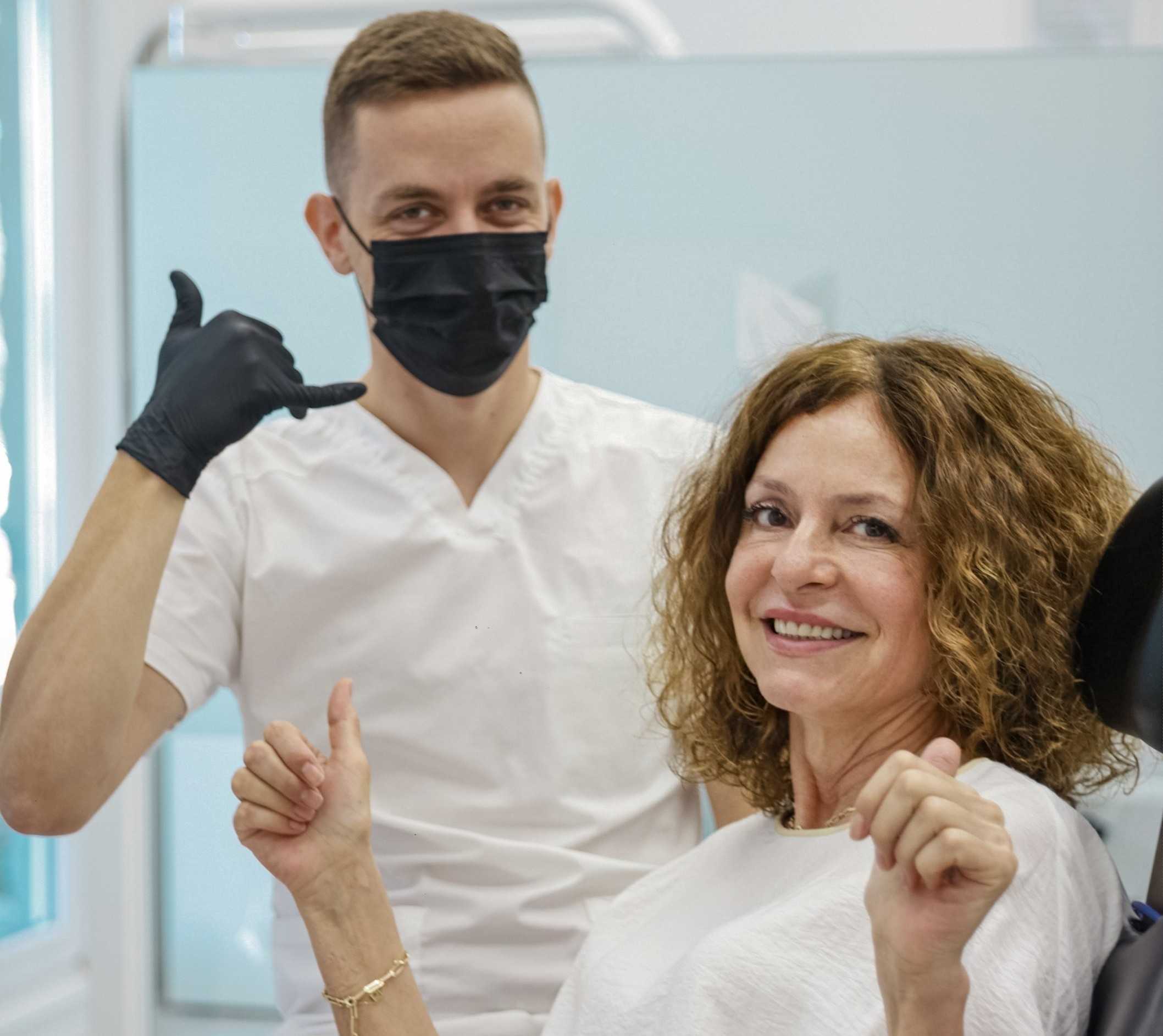
Hearing from individuals who have successfully navigated the cross-border healthcare journey provides invaluable insight for prospective patients. Real-life experiences often highlight not only the clinical competence but also the compassionate care and communicative approach of the medical staff. German patients consistently praise the seamless integration of advanced dentistry with a welcoming, stress-free environment. These narratives serve to demystify the process of seeking medical tourism in Croatia.
Below are brief summaries reflecting common sentiments shared by international patients who traveled for restorative treatments. These cases illustrate the typical outcomes and satisfaction levels experienced when leveraging cross-border healthcare solutions for premium restorations.
A Seamless Experience for Major Restorations
"I required multiple zirconia crowns and was overwhelmed by the domestic estimates. Traveling abroad allowed me to afford the highest quality materials. The communication was flawless, the facility was immaculate, and the final results look entirely natural. I recovered beautifully and felt completely supported throughout the week." – Patient from Munich
Overcoming Dental Anxiety
"Dentist visits have always caused me severe anxiety. The medical team took the time to explain every step of the crown preparation and made sure I felt no pain. The combination of professional care and a relaxing Mediterranean environment transformed a stressful necessity into a manageable and positive health journey." – Patient from Berlin
Insurance Reimbursement Success
"What initially seemed like a daunting bureaucratic process was made incredibly easy by the clinic. They provided all the necessary documentation in German for my insurance provider. I was able to claim a substantial portion of the cost back under the EU directive, making the premium E-max crowns highly affordable." – Patient from Hamburg
Efficiency and Precision
"As a busy professional, I couldn't afford weeks of dental appointments. The CAD/CAM technology used for my case meant my new crowns were designed and fitted within a few days. The precision of the bite alignment was perfect from day one, and the efficiency of the entire operation was highly commendable." – Patient from Frankfurt
How PlacidWay Assists Your Dental Crowns Medical Tourism Journey in Croatia
Navigating international healthcare requires reliable information and trusted facilitation. PlacidWay acts as a comprehensive resource, empowering patients to make informed, confident decisions regarding their cross-border dental treatments. By emphasizing transparency and quality, PlacidWay connects individuals with accredited resources tailored to their specific restorative needs.
Understanding the complexities of traveling for medical care, PlacidWay offers structured assistance that prioritizes patient education and smooth coordination. The focus remains strictly on delivering value-driven medical support, ensuring patients have the tools necessary to evaluate their options effectively.
- Connecting with Accredited Facilities: Assisting patients in discovering certified dental crowns clinics in Croatia that adhere to EU standards.
- Facilitating Medical Records Transfer: Streamlining the secure sharing of dental x-rays and histories for accurate pre-consultations.
- Providing Transparent Cost Estimates: Supplying clear, itemized pricing structures to help patients compare options accurately.
- Offering Patient Education: Delivering comprehensive guides on procedures, materials, and what to expect clinically.
- Coordinating Expert Consultations: Helping schedule initial video or remote consultations with specialized prosthodontists.
Frequently Asked Questions
Are dental crowns in Croatia of the same quality as in Germany?
Yes, dental facilities in Croatia adhere to strict European Union healthcare standards and utilize the same premium materials, such as zirconia and e-max, found in German clinics. The lower costs are primarily due to differences in living expenses and overhead, not a compromise in medical quality.
Can I get reimbursed by my German health insurance for treatment in Croatia?
Under the EU Cross-Border Healthcare Directive, German citizens are generally entitled to reimbursement for medical treatments received in another EU country, up to the amount the treatment would have cost in Germany. Patients should always consult their specific health insurance provider for pre-authorization before traveling.
How long does the dental crown procedure take for international patients?
The timeline typically involves a single trip lasting between five to seven days. This allows sufficient time for the initial consultation, tooth preparation, laboratory fabrication of the custom crown, and final placement.
What materials are best for dental crowns?
The best material depends on the location of the tooth and your aesthetic goals. Zirconia is highly durable and excellent for molars, while E-max offers superior translucency, making it a popular choice for front teeth.
Do I need a visa to travel from Germany to Croatia for dental work?
No, German citizens do not need a visa to travel to Croatia. Because both nations are members of the European Union and the Schengen Area, crossing borders is seamless and requires only a valid ID card or passport.
Is it safe to get dental work done abroad?
Seeking dental care abroad is generally safe when selecting internationally accredited facilities that follow rigorous hygiene and sterilization protocols. Medical tourists should thoroughly research their destination and rely on trusted health tourism facilitators for guidance.
How long do premium dental crowns typically last?
With proper oral hygiene and regular check-ups, premium dental crowns crafted from zirconia or porcelain can last between 10 to 15 years, and in many cases, even longer. Their longevity is heavily dependent on the patient's lifestyle and dental care habits.
Will I experience pain during the dental crown procedure?
The procedure is typically performed under local anesthesia, ensuring the patient remains comfortable and pain-free while the tooth is being prepared. Some mild sensitivity may occur after the anesthesia wears off, but this is generally manageable with over-the-counter pain relievers.
Can I combine my dental treatment with a vacation in Croatia?
Absolutely. Many medical tourists choose to enjoy the beautiful coastal cities and historic landmarks of Croatia during the waiting period between their initial preparation and the final placement of the crowns.
What happens if there is an issue with my dental crown after I return home?
Reputable facilities typically offer transparent warranties on their restorative work. Should an issue arise, patients can often contact their provider for a resolution, though it is important to clarify warranty terms and follow-up care policies before beginning treatment.
Ready to plan your dental treatment abroad? Let PlacidWay help you take the next step.
Medical Disclaimer: This article is for informational purposes only and is not medical advice. Always consult a qualified healthcare provider before making any medical decisions. Results may vary. Read Full Disclaimer here.
References
- European Commission. Cross-border Healthcare - Patients' Rights. https://health.ec.europa.eu/cross-border-healthcare/overview_en
- WebMD. Dental Crowns: Purpose, Procedure, Complications, Care. https://www.webmd.com/oral-health/guide/dental-crowns
- Wikipedia. Medical Tourism in Europe. https://en.wikipedia.org/wiki/Medical_tourism


.png)

.png)
.png)
.png)

.png)
.png)

.jpg)








Share this listing