

Gastrointestinal disorders have become increasingly prevalent, pushing patients to seek advanced therapeutic solutions beyond conventional medication. For many individuals traveling from Southeast Asia, stem cell therapy for gut health in Japan represents a significant leap forward in medical science. This innovative approach focuses on the body's intrinsic ability to heal damaged tissues, offering an alternative for those whose digestive issues have not responded well to standard dietary changes or pharmaceutical interventions.
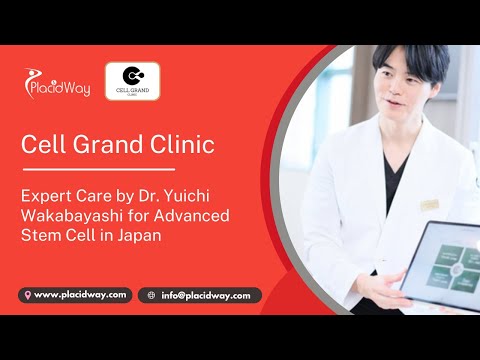
Japan has established itself as a global pioneer in regenerative medicine, fostering rigorous clinical standards and state-of-the-art facilities. Many patients seeking advanced care often explore options at top facilities such as Cell Grand Clinic in Osaka, Japan, known for integrating cutting-edge cellular science with personalized patient care. The country's commitment to medical innovation allows international patients to access highly regulated therapies designed to target chronic inflammation directly at the cellular level.
Japan was the first country to establish a fast-track approval system specifically for regenerative medicine, ensuring patients get access to safe, innovative therapies faster than in many other nations.
Why Indonesians Choose Stem Cells in Osaka for Digestive Issues
In recent years, an increasing number of Indonesian patients have turned to medical tourism in Japan to address chronic digestive ailments. While Indonesia boasts a growing healthcare sector, advanced regenerative therapies are still in developmental stages locally. Osaka provides a compelling destination, combining world-class medical expertise with a geographically accessible location just a few hours away by flight.
Patients dealing with persistent gastrointestinal distress often experience a profound impact on their quality of life. The decision to pursue digestive health treatments in Osaka is largely driven by Japan's stellar reputation for patient safety, ethical medical practices, and comprehensive care protocols. The cultural emphasis on precision and cleanliness in Japanese clinics provides an added layer of reassurance for international travelers.
- Access to specialized gastroenterologists trained in regenerative therapies.
- Strict governmental oversight ensuring ethical stem cell cultivation.
- Advanced diagnostic imaging not widely available in developing medical markets.
- High standards of patient privacy and tailored, concierge-level healthcare.
Common Digestive Conditions Treated with Stem Cells in Japan
Cellular therapies are typically utilized for inflammatory and autoimmune conditions affecting the digestive tract. By leveraging the immunomodulatory properties of specialized cells, specialists in Osaka aim to calm the immune system's overactive response. Patients suffering from Inflammatory Bowel Disease (IBD), including Crohn's disease and Ulcerative Colitis, frequently seek out these treatments when traditional immunosuppressants fail to maintain remission.
Additionally, conditions like "leaky gut syndrome" (increased intestinal permeability) and severe Irritable Bowel Syndrome (IBS) are increasingly being evaluated for regenerative intervention. The goal of regenerative medicine for gut health is not merely to mask symptoms but to assist in the repair of the mucosal lining of the intestines. Most patients explore this avenue hoping to restore a functional and balanced digestive ecosystem.
Mesenchymal Stem Cells (MSCs) are heavily utilized in gut therapies because they have a unique ability to migrate to areas of inflammation and secrete healing proteins.
Analyzing Stem Cell Therapy Cost in Osaka Compared to Indonesia
Understanding the financial commitment is crucial for anyone considering medical travel. The cost of stem cells in Japan is a reflection of the intensive laboratory processes, stringent safety testing, and the high caliber of medical professionals involved. While it represents a significant investment, many patients find the potential for improved health and reduced long-term medication costs to be a compelling justification.
When evaluating affordable stem cell clinics in Osaka, it is important to compare the comprehensive value. In Indonesia, true regenerative cellular therapies for gastrointestinal conditions are largely unavailable or highly restricted. Therefore, patients often compare Japanese prices with those in other advanced hubs like the United States or Western Europe, where costs can be nearly double.
| Procedure Name | Average Cost in Osaka, Japan | Cost Comparison (Proxy: Singapore/Regional Hubs) |
|---|---|---|
| IV Mesenchymal Stem Cell Therapy | $15,000 - $22,000 | $25,000 - $35,000+ |
| Exosome Therapy for Gut Inflammation | $8,000 - $12,000 | $15,000 - $20,000 |
| Comprehensive GI Regenerative Program | $20,000 - $28,000 | Generally Unavailable |
The Science Behind Regenerative Medicine for Gastrointestinal Healing
At the core of this medical advancement is the biology of stem cells, specifically their role in tissue homeostasis and repair. The human gastrointestinal tract has a rapid turnover rate, constantly shedding and regenerating its cellular lining. However, chronic inflammation severely disrupts this natural cycle. Medical professionals utilizing regenerative treatments in Japan rely on the introduction of healthy, potent stem cells to reboot this stalled healing mechanism.
Once administered, these cells release cytokines and growth factors that directly communicate with the body's immune system. This paracrine effect helps to downregulate aggressive autoimmune responses that cause ulcers, strictures, and malabsorption. By fostering angiogenesis (the creation of new blood vessels), stem cells also improve blood flow to the damaged intestinal walls, which is a critical step in long-term digestive recovery.
Research indicates that the intestinal epithelium regenerates entirely every 3 to 5 days in healthy individuals, a process that stem cell therapy aims to restore in patients with chronic digestive diseases.
What to Expect During Your Stem Cell Treatment in Osaka
Embarking on a medical journey requires clear expectations. The process of receiving stem cell therapy in Osaka is highly structured, beginning with an exhaustive preliminary consultation. During this phase, Japanese specialists will review your medical history from Indonesia, conduct advanced blood panels, and potentially perform localized imaging to map the extent of gastrointestinal damage.
If you are deemed a suitable candidate, the actual procedure typically involves intravenous (IV) infusion of cultured cells, allowing them to circulate systemically and home in on areas of inflammation. The administration itself is generally painless and takes only a few hours. Patients are closely monitored in a comfortable, sterile environment, ensuring immediate response to any rare adverse reactions before being discharged to rest at their accommodation.
Keep a detailed log of your daily symptoms, diet, and bowel movements for at least one month prior to your trip. Providing this data to your Japanese specialist ensures a highly customized treatment plan.
Safety Protocols and Medical Standards for Stem Cells in Japan
Safety is the cornerstone of Japan's healthcare system, particularly in the realm of advanced cellular therapies. The Japanese government strictly regulates the cultivation, handling, and administration of stem cells through the Act on the Safety of Regenerative Medicine (ASRM). This comprehensive legal framework guarantees that any clinic offering digestive health treatments in Osaka adheres to the highest global ethical and safety standards.
Laboratories where cells are cultured are legally required to operate under rigorous Good Gene, Cellular, and Tissue-based Products Manufacturing Practice (GCTP) guidelines. This virtually eliminates the risk of contamination and ensures cell viability. For international patients, this transparent, highly monitored environment provides profound peace of mind when undertaking complex biological therapies abroad.
Under Japanese law, regenerative medicine facilities undergo routine unannounced government inspections, making the country one of the safest jurisdictions in the world for stem cell procedures.
Preparing for Your Medical Journey to Osaka from Indonesia
Thorough preparation is vital to ensuring a seamless and stress-free experience when participating in medical tourism in Japan. Translating your Indonesian medical records into English or Japanese is the crucial first step. Comprehensive documentation, including past colonoscopy results, biopsy reports, and current medication lists, allows the Osaka-based medical team to evaluate your case accurately before you even board a flight.
Additionally, understanding visa requirements is essential. While Indonesian passport holders with e-passports may benefit from visa waivers for short-term tourism, entering for specialized medical treatments might require a specific Medical Stay Visa, depending on the length of your therapy. Proper coordination regarding travel logistics and clinical schedules ensures that your focus remains entirely on healing.
Preparation Checklist for International Patients
Before flying to Osaka, ensure you have:
- High-resolution digital copies of all recent GI imaging.
- A certified translation of your medical history.
- Clearance from your local gastroenterologist in Indonesia.
- A list of specific questions regarding your post-treatment care.
Recovery and Post-Treatment Care for Digestive Stem Cell Therapy
The period immediately following stem cell therapy for gut health in Japan requires patience and attentiveness. Most patients experience minimal physical downtime and are able to resume light activities within a day or two. However, the cellular repair process occurring within the gastrointestinal tract is a slow, methodical journey that demands energy from your body.
Proper post-treatment care involves staying hydrated, resting adequately, and adhering strictly to the guidelines provided by your medical team in Osaka. Follow-up consultations, often conducted via telehealth once the patient returns to Indonesia, are typically scheduled to track clinical progress, assess symptom reduction, and modify any ongoing conventional treatments appropriately.
Long-Term Dietary Habits to Support Stem Cell Healing in the Gut
While regenerative medicine offers profound biological support, the longevity of its benefits relies heavily on the patient's lifestyle choices. Returning home to Indonesia—a country known for its rich, spicy, and heavily spiced culinary traditions—requires careful dietary management. Protecting your newly regenerating gut lining means temporarily, and sometimes permanently, altering how you eat.
Specialists generally recommend an anti-inflammatory diet rich in easily digestible proteins, bone broths, and prebiotics to support the new cellular environment. Avoiding common irritants such as excessive chili, deep-fried foods, and refined sugars is vital. Fostering a healthy microbiome through diet creates the optimal foundation for your regenerative treatments in Japan to achieve maximum efficacy.
Gradually reintroduce traditional Indonesian dishes into your diet over several months. Start with mild, boiled local vegetables and lean proteins before progressing to more complex, spiced regional foods.
Assessing the Risks of Regenerative Treatments in Japan
No medical procedure is entirely devoid of risk, and transparent disclosure is critical for any patient considering international healthcare. While the safety profile of mesenchymal stem cells is highly favorable, stem cell therapy in Osaka carries standard risks associated with intravenous infusions. These can include minor bruising at the injection site, transient fatigue, or a mild, low-grade fever as the body's immune system responds to the biological material.
Furthermore, it is imperative to understand that medical outcomes are never guaranteed. While many patients generally observe significant improvements in their digestive symptoms, individual biology varies wildly. The extent of preexisting tissue damage, age, and co-morbidities all play a role in how effectively the body accepts and utilizes the therapy. Always consult with a qualified healthcare provider to weigh these risks against potential benefits.
Beware of any medical facility that guarantees a "100% cure" for chronic digestive diseases. Ethical regenerative medicine clinics prioritize symptom management and tissue repair, providing realistic expectations based on clinical evidence.
Real Experiences of Indonesian Patients Healing Gut Issues in Osaka
Hearing from individuals who have successfully navigated this journey provides invaluable insight and emotional support. Many Indonesians have taken the step to explore affordable stem cell clinics in Osaka, returning home with renewed vitality and reduced reliance on daily medications. These narratives highlight the human element of international medical travel.
The following case summaries illustrate the varied, yet consistently monitored, experiences of Southeast Asian patients who sought out advanced regenerative gastroenterology in Japan.
Budi's Battle with Ulcerative Colitis
After years of battling severe flare-ups that left him hospitalized in Jakarta, Budi pursued IV stem cell therapy in Osaka. Within four months post-treatment, he experienced a drastic reduction in intestinal bleeding and was able to taper down his steroid usage under his doctor's supervision.
Sari's Journey to Manage Leaky Gut
Suffering from chronic fatigue and severe food intolerances, Sari found that traditional medicine offered little relief. She traveled to Japan for targeted exosome and stem cell therapy. Today, she generally enjoys a broader diet and reports significantly higher daily energy levels.
Arif's Crohn's Disease Remission
Arif struggled with painful abdominal strictures due to Crohn's disease. Seeking alternatives to recurrent surgeries, he opted for regenerative treatments in Osaka. While he still maintains a strict diet, his latest imaging showed a marked decrease in active mucosal inflammation.
Maya's Relief from Severe IBS
Debilitating IBS-D severely restricted Maya's ability to work and travel. After receiving cellular therapy in Japan, she noted a stabilization in her digestive rhythm. She credits the meticulous care and post-treatment dietary advice from her Japanese doctors for her ongoing improvement.
Medical tourism to Japan has increased significantly in the post-pandemic era, with regenerative medicine being one of the top three specialties requested by international patients.
How PlacidWay Assists Your Stem Cell Medical Tourism Journey in Osaka
Navigating the complexities of international healthcare can be daunting, especially when dealing with advanced treatments like regenerative medicine. PlacidWay acts as a vital bridge, connecting Indonesian patients with top-tier medical expertise in Japan while ensuring a streamlined and transparent process.
Our goal is to empower patients with the information and connections they need to make educated healthcare decisions regarding digestive health treatments in Osaka.
- Connecting patients with globally accredited and government-regulated regenerative medicine facilities.
- Facilitating the secure transfer of medical records for comprehensive preliminary evaluations by specialists.
- Providing clear, detailed breakdowns of treatment costs and clinical options available in Japan.
- Assisting in coordinating multilingual clinical liaisons to ensure clear medical communication.
- Offering access to a network of vetted healthcare providers with proven expertise in gastrointestinal regenerative therapies.
Frequently Asked Questions About Stem Cells in Osaka for Gut Health
Making an informed decision about pursuing medical treatments abroad requires answering critical questions. Below are the most common inquiries Indonesian patients have regarding stem cell therapy in Japan for digestive disorders.
These answers are designed to provide clarity on safety, logistics, and expected clinical outcomes.
Is stem cell therapy for digestive issues safe in Japan?
Yes, Japan has some of the strictest regulations globally under the Act on the Safety of Regenerative Medicine. Facilities are heavily monitored to ensure patient safety and ethical treatment standards.
How much does stem cell therapy for gut health cost in Osaka?
The cost typically ranges from $15,000 to $25,000, depending on the specific type of cellular therapy and the number of treatment sessions required.
Do Indonesians need a special medical visa for treatment in Japan?
For short treatments, a standard tourist visa is generally sufficient. However, for extended stays or multiple visits, patients may apply for a specific Medical Stay Visa with the help of their chosen clinic.
What type of stem cells are used for gastrointestinal treatments?
Clinics predominantly use Mesenchymal Stem Cells (MSCs) derived from either the patient's own body (autologous) or ethically sourced umbilical cord tissue, due to their powerful anti-inflammatory properties.
How long does the regenerative treatment process take?
The actual infusion process usually takes a few hours. However, patients should plan to stay in Osaka for at least 5 to 7 days for preliminary consultations, treatment, and immediate follow-up.
Can stem cell therapy cure Crohn's disease?
Stem cell therapy is not a guaranteed cure for Crohn's disease. However, it typically helps manage symptoms, reduce severe intestinal inflammation, and promote tissue repair, potentially leading to prolonged remission.
Are there any side effects after receiving stem cells?
Most patients experience minimal side effects. Some may temporarily experience mild fatigue, a low-grade fever, or slight soreness at the injection site, which generally subsides within a few days.
How soon will I see improvements in my digestive health?
Results vary significantly from person to person. While some patients report feeling better within a few weeks, cellular regeneration is a gradual process, often taking three to six months for optimal outcomes.
Is post-treatment care required once I return to Indonesia?
Yes, maintaining a gut-friendly diet and undergoing periodic health evaluations with a local gastroenterologist are crucial. Telehealth follow-ups with your Japanese medical team are also generally scheduled.
Why do Indonesians choose Osaka over other Asian medical hubs?
Osaka offers a unique combination of globally recognized regenerative medicine research, highly regulated safety protocols, and advanced clinical infrastructure that many neighboring countries are still developing.
Ready to explore advanced regenerative options for your digestive health? Connect with specialized clinics in Japan through PlacidWay.
References
- Mayo Clinic. Stem cells: What they are and what they do. https://www.mayoclinic.org/tests-procedures/bone-marrow-transplant/in-depth/stem-cells/art-20048117
- Cleveland Clinic. Crohn's Disease: Management and Treatment. https://my.clevelandclinic.org/health/diseases/9357-crohns-disease
- World Health Organization (WHO). Digestive diseases and global health. https://www.who.int/news-room/fact-sheets

.png)





.png)

-(2).png)
.png)




.png)

.png)








Share this listing