
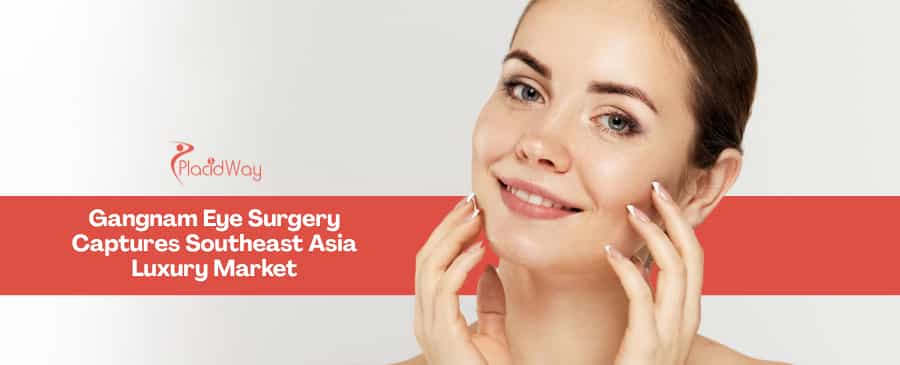
Over the past decade, the landscape of cosmetic procedures has shifted dramatically, positioning advanced eyelid surgery in South Korea as a global standard for aesthetic excellence. The medical hub of Gangnam has spearheaded a revolutionary technique known as "natural adhesion," which emphasizes minimal intervention and exceptionally refined aesthetics. This sophisticated approach has rapidly captured the attention of international patients, particularly those seeking high-end cosmetic solutions in the dynamic Southeast Asian luxury market.
The transition from traditional, highly invasive surgical methods to this modern approach reflects a growing patient demand for subtlety and reduced downtime. By utilizing microscopic punctures rather than full incisions, top-tier medical providers can typically create a more organic-looking crease. Consequently, medical tourism in South Korea has seen unprecedented growth as discerning patients travel specifically to access these highly specialized, meticulous techniques.
Market data indicates that Gangnam's specialized eye clinics are currently capturing up to 40% of the luxury aesthetic market from Southeast Asian medical tourists seeking premium, minimally invasive cosmetic enhancements.
Understanding the Double Eyelid Procedure in Gangnam
The double eyelid procedure in Gangnam has evolved far beyond basic suturing, integrating anatomical precision to achieve seamless results. The natural adhesion method involves creating tiny micro-holes along the eyelid, allowing the surgeon to gently remove excess fat and connect the levator muscle directly to the skin. This sophisticated internal mapping encourages the eyelid tissues to heal together naturally, forming a durable and highly realistic crease without the need for a scalpel.
Unlike older non-incisional techniques that merely tied the skin and muscle together—often resulting in the crease loosening over time—natural adhesion fosters actual tissue fusion. This means most patients experience a stronger, longer-lasting fold that moves naturally with the eye's dynamic expressions. It represents the pinnacle of cosmetic eye procedures in South Korea, offering a refined solution for patients who desire enhancement without the telltale signs of surgical intervention.
The term "natural adhesion" literally refers to the physiological process where the body's natural healing response is harnessed to permanently bond the inner eye tissues, creating a fold that is essentially native to the patient's anatomy.
Why Southeast Asian Patients Choose Eyelid Surgery in South Korea
Patients from Singapore, Thailand, Indonesia, and Malaysia are increasingly turning to Seoul cosmetic clinics for their aesthetic needs, driven by the unmatched expertise found in the country. South Korean surgeons perform thousands of eyelid procedures annually, granting them an unparalleled understanding of diverse Asian eyelid anatomies. This vast experience allows them to customize the height, depth, and arch of the crease to perfectly complement individual facial structures.
Furthermore, the allure of luxury medical tourism in South Korea goes beyond surgical skill, encompassing state-of-the-art facilities, VIP patient care, and comprehensive recovery programs. The integration of advanced preoperative imaging and meticulous postoperative care generally ensures a smoother, more predictable experience for international visitors. These combined factors make the journey highly appealing for those who view aesthetic enhancement as a premium investment.
- Unrivaled Specialization: Surgeons dedicate their entire practice to refining Asian eyelid aesthetics.
- Advanced Medical Technology: Access to cutting-edge 3D imaging and specialized micro-surgical instruments.
- Luxury Concierge Care: Clinics often provide dedicated translators and comprehensive recovery support.
- Subtle Aesthetic Philosophy: A cultural emphasis on results that enhance beauty without looking artificially altered.
Cost of Natural Adhesion Eyelid Surgery in South Korea
Understanding the cost of eyelid surgery in South Korea requires looking at the comprehensive value provided rather than just the base surgical fee. While the prices in premium Gangnam districts reflect the high demand and exceptional skill level of top-tier surgeons, they often remain highly competitive when compared to equivalent luxury procedures in Western countries or high-cost Asian financial hubs. Patients are typically investing in advanced safety protocols, board-certified expertise, and premium aftercare.
The total financial commitment can vary significantly depending on the complexity of the patient's anatomy, whether concurrent procedures (like epicanthoplasty) are performed, and the reputation of the chosen medical facility. Most medical tourists find that the transparent pricing structures—which generally include consultations, medications, and follow-up care—offer a reassuring, all-inclusive approach to their aesthetic journey.
| Procedure Name | Average Cost in South Korea (USD) | Average Cost in Singapore/USA (USD) |
|---|---|---|
| Basic Natural Adhesion Eyelid Surgery | $1,500 - $2,500 | $3,500 - $5,500 |
| Natural Adhesion + Epicanthoplasty | $2,500 - $3,500 | $5,000 - $7,500 |
| Complex Revision Natural Adhesion | $3,000 - $5,000 | $6,000 - $9,000 |
Traditional Blepharoplasty vs. Natural Adhesion in South Korea
When evaluating blepharoplasty options in South Korea, patients must weigh the benefits of traditional incisional techniques against the modern natural adhesion method. Traditional blepharoplasty involves a continuous incision along the eyelid, which allows for the removal of significant amounts of excess skin and thick fat pads. While highly effective for older patients or those with severely hooded eyes, it typically requires a longer recovery period and leaves a faint, but permanent, scar.
Conversely, the natural adhesion technique relies on a series of tiny punctures to weave specialized sutures through the tissue, completely avoiding a continuous scalpel cut. This minimally invasive approach drastically reduces tissue trauma, resulting in significantly less bruising and a much faster return to normal activities. However, it is generally recommended only for patients with relatively thin eyelid skin and minimal drooping.
Not all patients are candidates for natural adhesion. Individuals with severe skin laxity, significant ptosis (muscle weakness), or extremely thick upper eyelid fat may experience suboptimal results or early suture failure if they bypass traditional incisional surgery.
Top Advanced Techniques for Eyelid Surgery in Gangnam
The competitive nature of premium aesthetic procedures in Gangnam drives constant innovation, leading to highly sophisticated variations of the natural adhesion method. Modern surgeons often utilize a 7-point or 9-point continuous suture technique, which distributes tension more evenly across the eyelid compared to older 3-point methods. This intricate weaving pattern ensures a smoother, more continuous arch that closely mimics a naturally occurring crease.
Additionally, advanced fat-repositioning techniques are sometimes combined with natural adhesion through the same micro-punctures. Surgeons can delicately remove or redistribute orbital fat to reduce puffiness without needing a large incision. This comprehensive approach ensures that the final result of the Korean eyelid surgery is harmonious, balanced, and precisely tailored to the patient's unique facial proportions.
During your consultation, ask your surgeon to demonstrate the expected crease height using a specialized surgical wand. This temporary manual folding allows you to visualize and agree upon the exact shape before the procedure begins.
Preparing for Your Cosmetic Eye Procedure in South Korea
Thorough preparation is vital for international patients traveling for cosmetic eye surgery in South Korea to ensure optimal safety and results. Preoperative protocols generally involve a comprehensive medical evaluation, including a review of all current medications, allergies, and underlying health conditions. Patients are typically instructed to cease taking blood-thinning medications, specific herbal supplements, and vitamins at least two weeks prior to the scheduled surgery date to minimize bleeding risks.
In addition to medical preparations, logistics play a crucial role in a stress-free medical tourism experience. Patients should arrange their accommodation to be relatively close to their chosen medical facility for easy access to follow-up appointments. Securing transportation and understanding basic postoperative care instructions before arriving in Seoul can significantly reduce anxiety and contribute to a smoother overall recovery.
Essential Pre-Surgery Checklist for International Patients
- Confirm passport validity and necessary travel visas for South Korea.
- Cease alcohol consumption and smoking at least two weeks prior.
- Pack comfortable, button-down clothing to avoid pulling over the head.
- Bring UV-protective sunglasses to shield sensitive eyes post-surgery.
The Step-by-Step Eyelid Surgery Process in South Korea
The journey through natural adhesion eyelid surgery in South Korea is meticulously structured to prioritize patient comfort and clinical precision. On the day of the procedure, the surgeon conducts a final facial mapping, using a surgical pen to mark the precise micro-puncture locations along the eyelid. The surgery is then typically performed under local anesthesia with light sedation, ensuring the patient remains relaxed and entirely pain-free while still able to open and close their eyes upon the surgeon's request to check symmetry.
Once the area is numbed, the surgeon creates the microscopic holes and carefully weaves a highly durable, medical-grade thread through the skin, muscle, and levator aponeurosis. If necessary, a minuscule amount of fat is extracted through these same pinholes. The entire procedure is remarkably efficient, usually taking less than an hour, after which the patient rests in a recovery suite before being cleared to return to their hotel.
Typical Procedure Timeline
- 0-30 Minutes: Final consultation, precise eyelid mapping, and administration of local anesthesia/sedation.
- 30-75 Minutes: Creation of micro-punctures, fat removal (if needed), and strategic suture weaving.
- 75-120 Minutes: Cooling therapy in the recovery room and postoperative instruction review.
Recovery After Natural Adhesion Eye Surgery in South Korea
One of the primary reasons patients prefer minimally invasive eyelid surgery in South Korea is the remarkably swift and manageable recovery process. Because no scalpel is used to create a continuous incision, tissue trauma is minimized, resulting in significantly less postoperative bruising and swelling compared to traditional methods. Most patients experience mild puffiness that peaks within the first 48 hours and then rapidly subsides, allowing them to appear presentable in public within a week.
Long-term healing requires diligent adherence to aftercare protocols, including the application of cold compresses, keeping the head elevated, and avoiding strenuous physical activities. While the initial swelling resolves quickly, it generally takes a few months for the tissues to completely soften and for the crease to settle into its final, most natural-looking position. Following the specific guidance of your South Korean medical team is essential for an optimal outcome.
To accelerate the healing process, many top-tier clinics in South Korea incorporate advanced post-op deswelling treatments into their packages, such as specialized LED light therapy and medical-grade pumpkin extract supplements.
Testimonial: Rapid Recovery
"I traveled from Jakarta for natural adhesion. I couldn't believe how little it bruised! By day five, I was comfortably exploring Seoul with just a light pair of glasses. The minimal downtime was exactly what I needed for my busy schedule." – Patient from Indonesia
Testimonial: Undetectable Results
"My biggest fear was looking 'done.' The natural adhesion method gave me a defined crease that looks like I was born with it. When I blink, there are no harsh lines or visible scars." – Patient from Singapore
Potential Risks of Double Eyelid Surgery in South Korea
While aesthetic eye enhancements in South Korea are performed with exacting standards, it is vital to acknowledge that any medical procedure carries inherent risks. With the natural adhesion method, patients must understand that complications, though relatively rare, can occur. Potential risks typically include temporary dry eyes, mild postoperative infection, or an allergic reaction to the localized anesthesia.
A specific concern related to non-incisional techniques is the possibility of the sutures loosening or the crease becoming less defined over many years, particularly if the patient frequently rubs their eyes or experiences significant skin aging. There is also a risk of mild asymmetry, as the human face naturally heals at different rates on each side. Discussing these possibilities transparently with a qualified provider helps ensure realistic expectations and a safer surgical journey.
- Suture Loosening: The crease may fade over time, requiring a potential touch-up procedure.
- Asymmetry: Minor differences in crease height or shape between the left and right eye.
- Temporary Swelling: Expected puffiness that generally resolves but can persist in rare cases.
- Infection: A minimal risk mitigated by strict adherence to postoperative hygiene instructions.
Success Rates of Cosmetic Eyelid Surgery in South Korea
The statistical outcomes for advanced blepharoplasty in South Korea are overwhelmingly positive, driven by the specialized focus of the country's medical professionals. Because natural adhesion relies on the body's intrinsic healing capabilities combined with strategic suturing, the long-term success of forming a permanent crease is significantly higher than older, basic threading methods. Most patients report a high degree of satisfaction with both the aesthetic subtlety and the functional comfort of their new eyelids.
Success, however, is deeply tied to proper patient selection and the skill level of the operating provider. When individuals with appropriate anatomical profiles—specifically those without excessive skin laxity—undergo this specific technique, the results are typically highly predictable and enduring. Continuous advancements in surgical materials and 3D pre-surgical planning further elevate these already impressive success margins.
Clinical observations suggest that modern natural adhesion techniques executed by highly experienced board-certified surgeons yield a patient satisfaction rate exceeding 90%, with instances of suture unraveling drastically reduced compared to historical methods.
Testimonial: Long-Term Satisfaction
"It has been three years since my procedure in Seoul, and the fold is as strong and natural as the day it fully healed. The investment was absolutely worth the long-term confidence it gave me." – Patient from Malaysia
Testimonial: Overcoming Hesitation
"I was terrified of surgical complications, but researching the natural adhesion success rates gave me peace of mind. The results exceeded my expectations without completely changing my ethnic features." – Patient from Thailand
Choosing the Right Clinic for Eyelid Surgery in South Korea
Navigating the vast sea of medical providers requires diligence to ensure you are selecting a reputable clinic in Gangnam that adheres to stringent international safety standards. It is critical to verify that your chosen facility is accredited and that the operating surgeon is a recognized, board-certified specialist with extensive, verifiable experience specifically in Asian eyelid anatomy. An accredited clinic generally maintains higher standards for emergency protocols, sterilization, and patient monitoring, significantly mitigating surgical risks.
Furthermore, evaluating a provider’s extensive portfolio of before-and-after cases can offer invaluable insight into their specific aesthetic style. Look for consistent, natural-looking outcomes in patients who share a similar baseline anatomy to yours. For those seeking , utilizing trusted medical tourism facilitators can streamline this complex vetting process.
When reviewing a surgeon's portfolio, focus specifically on the "eyes closed" after photos. This is the best way to verify the true subtlety of the natural adhesion technique and ensure there are no visible dimples or scarring along the crease line.
How PlacidWay Assists Your Eye Surgery Medical Tourism Journey in South Korea
Planning international medical travel can feel overwhelming, but utilizing a dedicated platform transforms the experience into a structured, highly manageable process. PlacidWay serves as an essential bridge, connecting international patients with extensively vetted, board-certified medical providers who specialize in advanced aesthetic enhancements. Our comprehensive approach is designed to empower patients with transparent information and direct access to global healthcare excellence.
By leveraging our specialized facilitation services, patients bypass the confusion of international medical research and gain clarity on their available options. We focus entirely on the medical value and coordination of your care, ensuring your journey to a top-tier medical facility is backed by reliable data and steadfast support.
- Direct Access to Vetted Providers: Connect seamlessly with highly accredited medical facilities specializing in advanced cosmetic techniques.
- Comprehensive Medical Quotes: Receive transparent, detailed cost estimates directly from the healthcare providers to make informed financial decisions.
- Facilitated Consultations: Easily arrange preliminary virtual consultations with international specialists prior to making travel commitments.
- Dedicated Patient Support: Benefit from a knowledgeable team focused on coordinating the clinical aspects of your international healthcare journey.
Frequently Asked Questions About Eyelid Surgery in South Korea
When preparing for double eyelid procedures in South Korea, prospective patients naturally have numerous logistical and medical inquiries. Addressing these questions is a crucial step in ensuring peace of mind and establishing realistic expectations for both the surgical process and the ensuing recovery. Comprehensive knowledge empowers individuals to navigate their medical tourism journey with confidence.
Below are ten frequently asked questions covering essential topics ranging from surgical mechanics and recovery timelines to international travel considerations. This information serves as a foundational guide, though it should always be supplemented by personalized advice from a qualified healthcare professional.
How long does natural adhesion eyelid surgery take?
The procedure is relatively quick, generally taking between 30 to 45 minutes to complete. Patients are typically allowed to return to their accommodation on the same day after a brief observation period.
Is the natural adhesion method reversible?
Because it primarily utilizes strategically placed sutures rather than extensive tissue removal, the natural adhesion method is generally considered easier to revise than traditional incisional blepharoplasty. However, any revision surgery carries inherent risks and requires a specialist's evaluation.
Will there be visible scarring after the procedure?
Most patients experience virtually no visible scarring, as the technique relies on microscopic punctures rather than a full incision. Any minor marks typically fade completely within a few weeks of the healing process.
How soon can I wear makeup after eyelid surgery in South Korea?
Surgeons typically advise waiting at least one to two weeks before applying eye makeup to prevent infection and irritation. Following your specific surgeon's postoperative timeline is crucial for optimal healing.
Do I need a special visa for medical tourism in South Korea?
Many international patients can travel to South Korea for short-term procedures using standard tourist visas or visa waivers, depending on their country of origin. For longer stays or extensive treatments, a specialized medical visa (C-3-3 or G-1-10) may be required.
Is natural adhesion surgery painful?
The procedure is usually performed under local anesthesia with light sedation, meaning patients generally do not feel pain during the surgery. Postoperative discomfort is typically mild and manageable with prescribed oral pain relievers.
How long do the results of natural adhesion last?
While traditional suture methods had a higher rate of loosening, the modern natural adhesion technique creates a much stronger bond that can last many years, often permanently. However, natural aging and skin elasticity changes can affect the longevity of the results.
Can natural adhesion fix severe eyelid drooping (ptosis)?
Natural adhesion is generally best suited for patients with relatively thin eyelid skin and minimal fat. Individuals with severe ptosis or excess sagging skin typically require traditional incisional methods to achieve functional and aesthetic improvement.
When can I fly back home after eye surgery in Gangnam?
Most surgeons recommend staying in South Korea for at least 5 to 7 days post-surgery to allow for an initial follow-up and ensure no immediate complications arise. Flying too soon can exacerbate swelling due to changes in cabin pressure.
Are follow-up appointments necessary if I travel from abroad?
Yes, an initial in-person follow-up before leaving the country is standard practice to assess healing and remove any external stitches if used. Subsequent follow-ups can often be managed through virtual consultations with your South Korean clinic.
Ready to explore your options for natural adhesion eye surgery in South Korea? Let PlacidWay connect you with world-class medical facilities and accredited surgeons for a safe, transparent medical tourism experience.
Medical Disclaimer: This article is for informational purposes only and is not medical advice. Always consult a qualified healthcare provider before any medical decisions. Results may vary. Read Full Disclaimer here.
References:
- International Society of Aesthetic Plastic Surgery (ISAPS). Global Statistics on Cosmetic Procedures. https://www.isaps.org/discover/about-isaps/global-statistics/
- American Society of Plastic Surgeons (ASPS). Eyelid Surgery (Blepharoplasty) Information. https://www.plasticsurgery.org/cosmetic-procedures/eyelid-surgery
- Mayo Clinic. Blepharoplasty: Risks, Preparation, and Recovery. https://www.mayoclinic.org/tests-procedures/blepharoplasty/about/pac-20385174
- Wikipedia. Medical Tourism in South Korea. https://en.wikipedia.org/wiki/Medical_tourism_in_South_Korea
.png)


.jpg)
.png)
.png)
.jpg)


.jpg)
.jpg)
.jpg)
.jpg)









Share this listing