



Over the past decade, weight loss surgery has transformed millions of lives, but some patients face late-term challenges requiring specialized intervention. High-acuity bariatric revision in Istanbul is emerging as a critical solution for those experiencing inadequate weight loss, anatomical shifts, or functional complications. This advanced branch of metabolic surgery demands exceptional surgical precision, specialized diagnostic tools, and profound clinical expertise. Most patients require a highly personalized approach to successfully reconstruct their altered gastrointestinal tract.
By 2026, Istanbul is poised to lead the global medical travel sector for these complex secondary interventions. Top-tier medical institutions across the city are expanding their dedicated units to handle the unique demands of post-op bariatric complication management. Patients from North America, Europe, and the Middle East are increasingly turning to a specialized clinic in the region to correct past surgeries and restore their metabolic health. This influx highlights the growing trust in Turkey's advanced healthcare infrastructure.
Revision surgeries are classified as high-acuity procedures because surgeons must navigate through preexisting scar tissue (adhesions) from previous operations. This requires advanced laparoscopic skills and highly specialized surgical instruments.
Understanding Post-Op Complication Management for Weight Loss Surgery
Weight loss surgery generally yields positive long-term outcomes, yet physiological changes over time can sometimes lead to complications requiring clinical attention. Issues such as chronic acid reflux, marginal ulcers, strictures, or severe nutritional deficiencies typically necessitate a comprehensive post-op management strategy. Medical professionals must carefully map the altered anatomy to identify the root cause before planning any secondary procedure. A deep understanding of these late-term complications is essential for restoring digestive function.
Managing these complications is inherently more complex than a primary bariatric procedure, requiring an expert multidisciplinary team. Treatment protocols often involve advanced endoscopic evaluations, nutritional rehabilitation, and targeted surgical revisions tailored to the individual’s current physiological state. Most patients experience significant symptom relief when these high-acuity interventions are performed by experienced metabolic specialists. A structured clinical pathway ensures that all physiological variables are managed appropriately.
According to global bariatric registries, approximately 10% to 20% of patients who undergo an initial bariatric surgery may eventually require a secondary intervention due to weight regain or functional complications.
Why Choose Medical Tourism in Istanbul for Bariatric Revisions
The global rise of medical tourism in Istanbul is deeply rooted in the city's strategic investments in robust healthcare infrastructure and international accreditation. Bariatric patients seeking secondary surgeries often face exorbitant out-of-pocket costs and extended wait times in their home countries. Istanbul offers a compelling alternative by providing immediate access to specialized surgeons who focus exclusively on correcting previous bariatric failures. This accessibility is a primary driver for the modern international patient seeking bariatric revision surgery in Istanbul.
Beyond the rigorous clinical standards, the city’s geographic location bridges Europe and Asia, making it highly accessible for medical travelers globally. Patients benefit from seamless healthcare pathways, integrated foreign language support, and comprehensive preoperative protocols designed specifically for cross-border care. This supportive ecosystem ensures that patients undergoing high-risk procedures are guided effectively throughout their entire clinical journey. Such organized care models generally result in smoother recovery transitions for international visitors.
Always verify that the hospital managing your revision holds international credentials such as Joint Commission International (JCI). This certification generally indicates that the facility meets stringent global standards for patient safety and clinical quality.
Cost of High-Acuity Bariatric Revision in Istanbul
Affordability remains a driving factor for patients seeking an affordable bariatric revision in Turkey, especially when secondary procedures are categorized as elective by domestic insurance policies. While revision surgeries are naturally more resource-intensive than primary operations, Istanbul offers these life-changing procedures at a significantly lower cost compared to Western healthcare pricing. These competitive rates generally do not compromise the quality of medical technology or clinical oversight provided. Patients typically gain access to top-tier care without insurmountable financial burdens.
The total weight loss surgery cost in Istanbul typically encompasses surgeon fees, hospital stay, intensive care unit readiness, and extensive preoperative diagnostics. Patients must carefully evaluate estimates, as high-acuity cases may require individualized resources like prolonged monitoring or specialized endoscopic materials. A detailed financial breakdown empowers international patients to make informed, secure healthcare decisions. Understanding the cost spectrum is vital for adequate travel planning.
| Procedure Name | Average Cost in Istanbul | Cost Comparison (US/UK Average) |
|---|---|---|
| Band to Bypass Conversion | $4,500 - $6,500 | $18,000 - $28,000 |
| Sleeve to Bypass Conversion | $5,000 - $7,500 | $20,000 - $32,000 |
| Pouch Resizing / Revision | $4,000 - $6,000 | $15,000 - $25,000 |
| Endoscopic Suture Revisions | $3,500 - $5,500 | $12,000 - $18,000 |
Diagnostic Protocols for Bariatric Revision Clinics in Istanbul
Precision diagnostics are the vital foundation of successful secondary metabolic interventions. When evaluating patients at a prominent bariatric revision clinic in Istanbul, medical teams generally deploy advanced imaging and endoscopic tools to accurately map the altered gastrointestinal anatomy. These thorough assessments are critical for identifying staple line failures, fistulas, or anatomical dilations that contribute to weight regain or systemic complications. Without this rigorous blueprint, secondary operations carry unacceptable levels of risk.
A meticulous diagnostic phase significantly minimizes operative risks and helps surgeons craft a highly individualized surgical plan. Patients typically undergo comprehensive upper endoscopies, barium swallows, detailed metabolic panels, and psychological evaluations before being cleared for revision surgery. This rigorous vetting process ensures that the chosen corrective procedure is the safest and most effective option for the patient’s specific anatomical challenges. Medical professionals rely on this data to forecast potential intraoperative challenges.
A Barium Swallow is a specialized X-ray test commonly used during revision diagnostics. It allows the clinical team to see exactly how liquids travel down the esophagus and through the reconstructed stomach, easily spotting leaks or strictures.
Types of Bariatric Revision Procedures Offered in Istanbul
The surgical approach to correcting a previous weight loss procedure depends entirely on the original surgery type and the patient's current physiological state. For example, converting a problematic Laparoscopic Adjustable Gastric Band to a Roux-en-Y Gastric Bypass is a commonly requested intervention. Other complex cases may involve resizing a dilated gastric sleeve or modifying the intestinal limb length to enhance malabsorption safely. Each unique anatomical failure demands a distinct surgical remedy.
Bariatric surgeons in Turkey are highly adept at performing minimally invasive laparoscopic or robotic revisions, which generally promote smoother recovery phases. While these procedures carry elevated technical demands due to existing scar tissue, advanced surgical techniques aim to mitigate intraoperative risks effectively. Most patients experience renewed metabolic control when the appropriate structural corrections are precisely executed. The variety of techniques available ensures broad applicability for complex cases.
Sometimes non-surgical endoscopic revisions are possible. Techniques using specialized suturing devices fed through an endoscope can tighten a stretched stomach pouch without making any external incisions, providing a less invasive option for suitable candidates.
Advanced Technologies Used for Complex Bariatric Cases in Turkey
To address the intricacies of high-acuity post-op bariatric complication management, specialized medical centers rely heavily on state-of-the-art surgical technologies. Robotic-assisted surgery platforms have become particularly valuable in revision procedures, offering surgeons enhanced three-dimensional visualization and superior dexterity to navigate dense adhesions. These innovations are crucial for executing delicate tissue dissections with minimal trauma to surrounding organs. Precision technology drastically enhances the safety profile of these surgeries.
Furthermore, the integration of advanced energy sealing devices and fluorescence imaging helps preserve vital blood supply to the stomach and intestines during reconstructive procedures. High-definition endoscopic tools allow for simultaneous internal visualization, ensuring the integrity of new anastomoses (surgical connections). The continuous adoption of such cutting-edge equipment underscores why international patients trust the clinical capabilities found in Turkish healthcare facilities. This technological superiority is a hallmark of global medical leadership.
Facilities utilizing 3D high-definition laparoscopic and robotic systems report enhanced operative precision, which generally correlates with a reduction in intraoperative complications during complex revision cases.
Selecting the Right Bariatric Surgery Clinic in Istanbul
Choosing an appropriate facility is the most critical decision an international patient will make when planning a complex medical trip. Not every hospital is equipped for high-acuity interventions; patients must look for specialized centers holding robust international endorsements. Verifiable markers of a facility's commitment to rigorous safety protocols are paramount for peace of mind. Patients should heavily prioritize clinical safety infrastructure over aesthetic luxury.
Patients should actively seek multidisciplinary centers that feature in-house intensive care units, specialized metabolic surgeons, and comprehensive diagnostic departments. Transparent communication regarding potential surgical outcomes, complication rates, and follow-up care is a hallmark of a trustworthy institution. Evaluating these structural factors helps ensure that the chosen medical provider is fully capable of managing unpredictable clinical scenarios effectively. Diligent research empowers you to secure the safest medical environment possible.
Request details about the multidisciplinary team before booking. A well-equipped clinic will have a dedicated bariatric dietitian, a psychologist, and an experienced anesthesiologist, all critical for high-acuity complication management.
Recovery Timeline for Post-Op Bariatric Complication Management
The recovery process following a secondary metabolic surgery is typically more demanding and protracted than that of a primary procedure. Patients generally spend several days in the hospital for close observation, allowing medical staff to monitor for potential immediate complications such as anastomotic leaks or internal bleeding. Early mobilization is strongly encouraged to promote circulation, though strenuous activities are strictly prohibited during the initial healing phases. Patience is vital during this sensitive recovery window.
Transitioning back to a solid diet follows a carefully structured, multi-week progression mandated by the clinical nutrition team. Most patients experience significant fatigue and gastrointestinal sensitivity as their bodies adapt to the newly revised anatomical structures. Adhering closely to the prescribed postoperative guidelines, including stringent hydration goals and specialized supplementation, is vital for long-term physiological stability. A disciplined approach to postoperative care usually dictates long-term success.
Postoperative compliance is non-negotiable in revision cases. Deviating from the strict dietary progression or failing to take prescribed malabsorptive supplements can trigger severe complications and jeopardize the structural integrity of the surgical site.
Risks and Contraindications for Bariatric Revisions
It is vital to explicitly acknowledge that any secondary surgical intervention carries an inherently higher risk profile due to preexisting scar tissue and altered blood supply. Potential complications typically include severe infection, bleeding, staple line leaks, intestinal strictures, and deep vein thrombosis. Surgeons must carefully balance the anticipated functional benefits of the revision against these elevated physiological risks before proceeding. Patients must enter this process with fully informed, realistic expectations regarding potential setbacks.
There are strict medical contraindications that may immediately disqualify a patient from undergoing surgical correction. Severe cardiopulmonary disease, active substance abuse, untreated psychiatric disorders, or severe unmanaged malnutrition often preclude individuals from safe surgical intervention. In such restrictive cases, non-surgical endoscopic therapies or intensive medical weight management programs are generally recommended to stabilize the patient's condition. Safety remains the uncompromising priority in complex bariatric care.
Medical literature clearly states that the mortality and morbidity rates of revisional bariatric surgery are statistically higher than those of primary interventions, underscoring the absolute necessity of selecting highly experienced surgical teams.
Psychological Support and Nutritional Counseling Post-Surgery
The long-term success of a secondary bariatric procedure relies as much on behavioral adaptation as it does on clinical excellence. High-acuity revisions often take a significant psychological toll on patients, who may be dealing with the complex emotional weight of a previous surgical failure. Integrating structured psychological support helps patients effectively navigate postoperative anxiety, body image adjustments, and complex relationships with food. Mental resilience is a core pillar of sustained recovery.
Concurrently, intensive nutritional counseling is non-negotiable for preventing severe malabsorption and ensuring sustainable weight management. Dietitians work closely with patients to develop highly customized meal plans and targeted supplementation regimens tailored to their specific malabsorptive profiles. This holistic, dual-pronged approach generally fosters clinical resilience and empowers patients to maintain lifelong improvements. Committing to behavioral changes ensures the surgical intervention yields permanent results.
Patients undergoing malabsorptive revisions, such as certain bypass procedures, typically require lifetime adherence to specialized chewable or liquid bariatric multivitamins to prevent profound vitamin B12, iron, and calcium deficiencies.
Patient Experiences with Bariatric Revision Surgery in Istanbul
Exploring real-world patient outcomes provides highly valuable insights into the actual clinical environment and standard of care provided abroad. International patients who travel for specialized post-op management often report high levels of satisfaction with the multidisciplinary care teams they encounter in Turkey. These experiences routinely highlight the vital importance of empathetic, patient-centered care during highly vulnerable medical journeys. Reading about others' trajectories can alleviate preoperative anxieties.
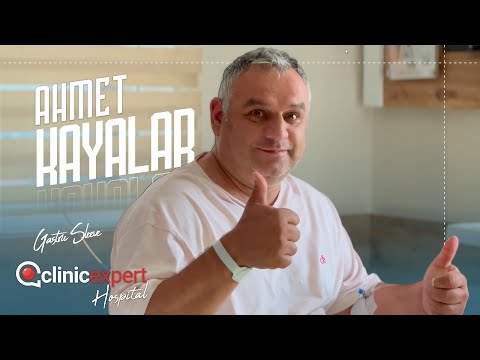
Case studies frequently emphasize the remarkably comprehensive nature of the treatment, from meticulous preoperative diagnostics to highly attentive postoperative nursing. While individual results inherently vary, the shared narrative often reflects a profound restoration of health and quality of life following complex structural corrections. These verified accounts serve as a clinical testament to the advanced surgical capabilities available within this global healthcare hub. Hearing direct perspectives aids in setting realistic expectations.
Testimonial: Relief from Severe Reflux
"Years after my gastric sleeve, I developed debilitating acid reflux that medication couldn't manage. The medical team in Istanbul performed a thorough diagnostic workup and safely converted my sleeve to a bypass. The clinical precision was outstanding, and I generally experienced relief almost immediately."
Testimonial: Addressing Weight Regain
"I was devastated by significant weight regain after my initial lap band surgery failed. The multidisciplinary clinic in Turkey removed the band and performed a complex bypass revision. Their intensive nutritional counseling was exactly what I needed to reset my metabolic health."
Testimonial: Managing Strictures
"I suffered from swallowing difficulties due to a stricture from a previous surgery in my home country. The advanced endoscopic team in Istanbul diagnosed the issue rapidly and corrected the anatomical flaw. Most patients fear revision, but the professionalism here made me feel entirely safe."
Testimonial: A Supportive Ecosystem
"Choosing to undergo high-acuity bariatric revision abroad was daunting, but the infrastructure in Turkey is built for international patients. From translating medical records to coordinating ICU readiness, the logistical and clinical support typically exceeded my expectations."
Preparing for Medical Travel to Turkey for Complex Bariatric Care
Logistical preparation is a remarkably crucial component of planning a high-acuity medical intervention far from home. Patients must coordinate extensively with their home healthcare providers to compile complete medical histories, precise previous surgical operative reports, and recent diagnostic imaging. This comprehensive data transfer ensures that the surgical team in Turkey has a complete, accurate clinical picture long before the patient boards their flight. Thorough preparation drastically minimizes last-minute medical surprises.
Additionally, patients should systematically account for the required recovery time in their host country before obtaining medical clearance to fly home. Most surgeons explicitly recommend staying near the hospital for at least ten to fourteen days post-discharge to manage any delayed complications effectively. Securing specialized medical travel insurance that explicitly covers international procedures and potential extended hospital stays is a critical safeguard for medical tourists. Proactive planning mitigates both clinical and financial risks.
How PlacidWay Assists Your Bariatric Revision Medical Tourism Journey in Istanbul
Navigating the complex intricacies of cross-border healthcare requires a highly reliable partner dedicated strictly to your safety and clinical success. PlacidWay serves as a premier facilitator, explicitly connecting patients worldwide with rigorously vetted, internationally accredited medical facilities. Our advanced platform is meticulously designed to empower patients with transparent, verifiable information and direct access to top-tier metabolic specialists. We prioritize clinical integrity above all else.
We deeply understand the unique, multifaceted challenges associated with planning a secondary, high-acuity medical procedure in a foreign country. By strategically bridging the gap between international patients and elite medical providers, we ensure a streamlined, deeply informative, and clinically supportive healthcare experience. Our comprehensive assistance model focuses strictly on optimizing your clinical journey and empowering your complex healthcare decisions. We are committed to facilitating access to the highest standard of care.
- Connecting patients exclusively with internationally accredited bariatric centers that specialize in complex, high-acuity revision cases.
- Facilitating the secure, organized transfer of sensitive medical records and previous surgical reports to specialized metabolic surgeons for preliminary review.
- Assisting in obtaining detailed, transparent cost estimates from multiple providers to aid in accurate financial planning.
- Providing comprehensive access to verified patient reviews and facility success metrics to support informed healthcare decisions.
- Coordinating direct, meaningful consultations between the patient and the multidisciplinary medical team before confirming the procedure.
Frequently Asked Questions
What typically causes a patient to need bariatric revision surgery in Istanbul?
Patients generally require revision surgery due to complications like severe acid reflux, anatomical changes, or inadequate weight loss. A specialized clinic will evaluate the existing anatomy to determine if further intervention is medically necessary.
Is post-op bariatric complication management covered by insurance abroad?
Most international insurance policies do not automatically cover elective secondary procedures abroad. Patients typically need to fund their own medical travel, though the overall cost in Turkey remains highly competitive compared to Western nations.
How long should I stay in Turkey after a bariatric revision?
Surgeons generally recommend staying in the country for 10 to 14 days after discharge from the hospital. This extended period allows the medical team to monitor your initial healing and address any immediate postoperative complications.
What are the common risks of secondary bariatric surgery?
Revision surgeries carry an elevated risk profile due to existing scar tissue and altered blood supply. Potential complications typically include anastomotic leaks, bleeding, strictures, and prolonged gastrointestinal sensitivity.
Can a gastric sleeve be converted to a gastric bypass in Turkey?
Yes, converting a sleeve gastrectomy to a Roux-en-Y gastric bypass is a common procedure to treat severe reflux or weight regain. This high-acuity bariatric revision is regularly performed by expert metabolic surgeons in Istanbul.
Are bariatric revision clinics in Istanbul internationally accredited?
Many specialized centers in the city hold prominent international accreditations such as JCI or SRC Center of Excellence. These designations generally reflect strict adherence to global safety and patient care standards.
Will I need to follow a special diet after my revision surgery?
Yes, most patients experience a mandatory return to a structured liquid-to-solid dietary progression. Intensive nutritional counseling is typically provided to ensure safe healing and prevent severe malabsorption.
Do surgeons in Istanbul use robotic technology for revision surgeries?
Many high-tier facilities deploy advanced robotic-assisted platforms to perform complex revisions. This technology generally provides superior 3D visualization and dexterity, helping surgeons navigate dense adhesions safely.
How do I transfer my medical records for treatment abroad?
Patients must securely compile their previous surgical operative reports, recent diagnostic imaging, and metabolic panels. Medical tourism facilitators generally assist in securely transmitting these critical documents to the surgical team in Turkey.
What psychological support is available for medical tourists?
Reputable clinics typically offer comprehensive pre- and post-operative psychological evaluations to help patients navigate the emotional complexities of a secondary surgery. Continuous counseling is generally advised upon returning home for sustained success.
Ready to explore high-acuity bariatric revision options in Istanbul? Let PlacidWay guide your journey to renewed health.
Medical Disclaimer: This article is for informational purposes only and is not medical advice. Always consult a qualified healthcare provider before any medical decisions. Results may vary. Read Full Disclaimer here.
References
- National Institute of Diabetes and Digestive and Kidney Diseases (NIDDK). Bariatric Surgery. https://www.niddk.nih.gov/health-information/weight-management/bariatric-surgery
- American Society for Metabolic and Bariatric Surgery (ASMBS). Bariatric Surgery Procedures. https://asmbs.org/patients/bariatric-surgery-procedures
- Mayo Clinic. Gastric bypass surgery - Risks. https://www.mayoclinic.org/tests-procedures/gastric-bypass-surgery/about/pac-20385189
- World Health Organization (WHO). Obesity and overweight facts. https://www.who.int/news-room/fact-sheets/detail/obesity-and-overweight
- Medical Tourism Association. Medical Tourism Guide and Statistics. https://www.medicaltourism.com/mti/home







.jpg)












Share this listing