


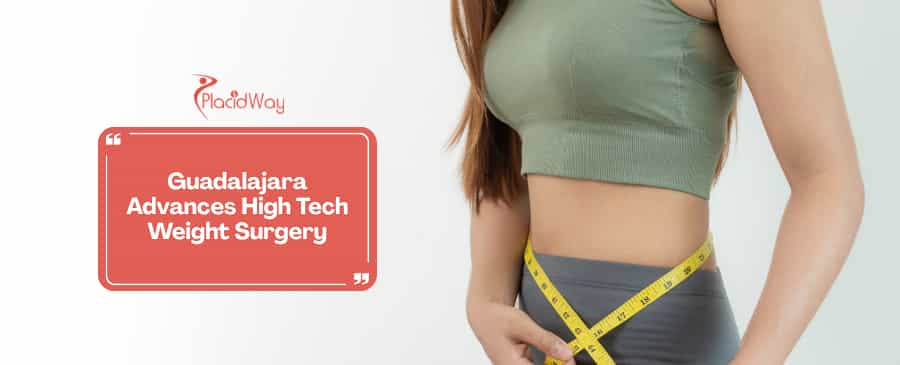
The medical landscape is evolving rapidly, and 3D-Laparoscopic Weight Loss Surgery in Guadalajara has emerged as a prime example of this technological advancement. Patients from around the world are increasingly looking toward this Mexican metropolis for high-quality bariatric care. By integrating advanced three-dimensional imaging with minimally invasive techniques, surgeons can navigate complex anatomical structures with enhanced precision. This approach generally leads to improved patient outcomes when compared to traditional open surgical methods.
As global healthcare standards shift, Guadalajara has consistently invested in upgrading its surgical infrastructure to meet international demands. Medical professionals in the region undergo rigorous training to master these sophisticated laparoscopic systems. Consequently, international patients find a comforting blend of modern technology and experienced surgical teams. This combination is precisely why medical tourism in Mexico continues to see significant growth year after year.
- Enhanced Precision: 3D visualization allows surgeons better depth perception during complex tissue manipulation.
- International Standards: Many facilities boast accreditation from renowned global healthcare organizations.
- Shorter Hospital Stays: Minimally invasive procedures generally lead to faster initial recovery times.
- Accessibility: The region is easily accessible via direct flights from major North American cities.
The introduction of 3D technology in laparoscopy has reduced surgical errors related to spatial orientation by providing a lifelike, stereoscopic view of the abdominal cavity.
Understanding How Advanced Bariatric Bypass Procedures Work
The core philosophy behind advanced bariatric bypass procedures revolves around altering the digestive system to facilitate significant weight loss. During a gastric bypass, the surgeon creates a small pouch from the upper section of the stomach. This newly formed pouch is then connected directly to the small intestine, effectively bypassing a large portion of the stomach and the first section of the bowel. This dual-action mechanism typically restricts food intake and reduces calorie absorption simultaneously.
By utilizing 3D laparoscopy for this intricate procedure, surgical teams can achieve remarkable accuracy while rerouting the digestive tract. The enhanced visualization helps in securing tight surgical connections, which is crucial for preventing leaks. Most patients experience substantial hormonal changes post-surgery that help suppress appetite and improve metabolic function. Understanding these physical and chemical shifts is vital for anyone considering this life-altering intervention.
- Restriction: The smaller stomach pouch limits the physical volume of food a patient can comfortably consume.
- Malabsorption: Bypassing the initial segment of the intestine limits the calories and nutrients absorbed into the body.
- Metabolic Shift: Hormonal changes often lead to reduced hunger and improved blood sugar regulation.
- Long-Term Efficacy: When combined with lifestyle changes, these procedures generally offer sustainable weight management.
Top Benefits of Choosing Medical Tourism for Bariatric Surgery in Mexico
Deciding to travel across borders for medical care is a significant step, but the benefits of seeking bariatric surgery in Mexico are increasingly compelling. Foremost among these advantages is the access to top-tier medical technology without enduring the notoriously long wait times found in some public healthcare systems. International patients are often treated with a level of personalized care and attentiveness that makes the daunting surgical process feel much more manageable. Furthermore, surgical teams in this region are highly accustomed to treating international visitors, smoothing out cultural and language barriers.
Beyond the immediate clinical benefits, the holistic approach to patient care in these destinations is highly attractive. Comprehensive packages often include pre-operative nutritional counseling, psychological evaluations, and detailed post-operative care plans. The environment allows patients to focus entirely on their healing process away from the stresses of their daily lives. For individuals looking for an encompassing healthcare experience, these tailored medical tourism programs provide immense value.
- No Waitlists: Patients can typically schedule their surgeries at their earliest convenience.
- Comprehensive Care: Treatment often includes multidisciplinary support from dietitians and psychologists.
- Modern Facilities: Healthcare centers are equipped with the latest 3D laparoscopic towers and ICU units.
- Bilingual Staff: Dedicated international patient coordinators ensure seamless communication.
Medical tourism in Latin America has grown at an estimated annual rate of 15%, driven heavily by the demand for high-quality, specialized bariatric interventions.
Comprehensive Cost of 3D-Laparoscopic Weight Loss Surgery in Guadalajara
One of the primary driving factors for patients seeking care internationally is the significantly lower bariatric surgery cost in Guadalajara compared to their home countries. In regions like the United States and Canada, weight loss surgeries can impose an overwhelming financial burden, especially if not fully covered by medical insurance. By traveling abroad, patients can access the exact same 3D laparoscopic technology and surgical expertise for a fraction of the price. These cost reductions are generally a result of lower administrative overhead and differences in regional living costs, rather than any compromise in medical quality.
When evaluating the financial aspect of an affordable gastric bypass in Mexico, it is crucial to look at comprehensive procedural ranges. Below is an estimated cost comparison table detailing common bariatric procedures. Keep in mind that prices generally fluctuate based on the patient's specific health condition and the technology utilized during the operation. Always request a detailed, personalized breakdown when researching your surgical options.
| Procedure Name | Average Cost in Guadalajara (USD) | Estimated Cost in US/Canada (USD) |
|---|---|---|
| 3D-Laparoscopic Gastric Bypass | $5,500 - $7,500 | $20,000 - $28,000 |
| 3D-Laparoscopic Mini Gastric Bypass | $5,000 - $6,500 | $18,000 - $24,000 |
| 3D-Laparoscopic Sleeve Gastrectomy | $4,500 - $5,500 | $15,000 - $22,000 |
Patient Candidacy for Advanced Gastric Bypass in Guadalajara
Not every individual struggling with obesity is an ideal candidate for 3D-Laparoscopic Weight Loss Surgery in Guadalajara. Medical professionals adhere to strict international guidelines to determine if a patient can safely undergo and benefit from the procedure. Typically, candidates must have a Body Mass Index (BMI) of 40 or higher, classifying them as severely obese. Alternatively, patients with a BMI of 35 or above who also suffer from obesity-related comorbidities—such as type 2 diabetes, sleep apnea, or severe hypertension—are generally considered eligible.
Beyond physical measurements, candidates must demonstrate a genuine psychological readiness to commit to lifelong lifestyle changes. Bariatric surgery is a powerful tool, but it requires strict adherence to dietary and exercise regimens to maintain long-term results. Patients with certain severe psychiatric disorders, untreated eating disorders, or substance abuse issues are typically disqualified to ensure their overall safety and well-being. A thorough medical evaluation is always the first step in this transformative journey.
- BMI Requirements: Usually a BMI > 40, or > 35 with significant obesity-related health conditions.
- Failed Previous Attempts: Candidates generally have a documented history of unsuccessful medically supervised weight loss.
- Psychological Readiness: Must be willing to embrace comprehensive, lifelong lifestyle and dietary modifications.
- Medical Clearance: Comprehensive cardiac and pulmonary evaluations are required prior to approval.
Active substance abuse, severe unmanaged psychological conditions, and certain blood clotting disorders represent strict contraindications for bariatric surgery. Always provide your complete medical history to your healthcare provider.
The Technology Behind 3D Laparoscopy in Mexican Healthcare Facilities
The transition from traditional 2D monitors to advanced bariatric bypass procedures utilizing 3D systems represents a monumental leap in surgical technology. In standard laparoscopy, the surgeon views the surgical field on a flat screen, which inherently lacks depth perception. The integration of 3D stereoscopic vision restores this lost dimension, allowing the surgeon to see the abdominal cavity almost exactly as they would in open surgery. This technological edge is particularly vital when dealing with the delicate tissues and complex suturing required in gastric bypass operations.
Healthcare facilities across the region have embraced these advanced imaging systems to elevate their standard of care. By wearing specialized polarized glasses, the surgical team can clearly identify crucial anatomical structures, blood vessels, and nerves. This enhanced visual feedback generally translates to shorter operation times, minimized blood loss, and a reduction in surgical fatigue. For the medical tourist, this means undergoing a major operation backed by some of the most sophisticated equipment available globally.
- Enhanced Depth Perception: Facilitates safer and faster suturing of the digestive tract.
- High-Definition Clarity: Magnifies tiny blood vessels and nerve endings to prevent inadvertent damage.
- Reduced Operative Time: Better spatial orientation generally allows surgeons to complete procedures more efficiently.
- Improved Ergonomics: Reduces visual and physical strain on the surgical team during lengthy operations.
3D laparoscopy uses dual-lens camera systems to capture two slightly different angles simultaneously, mimicking human binocular vision to create a true three-dimensional image.
Preparing for Your Bariatric Surgery Journey in Guadalajara
Preparation is a cornerstone of success when opting for medical tourism for weight loss in Mexico. Well before boarding a plane, patients must engage in a structured pre-operative protocol designed to optimize their health and shrink their liver. A fatty liver can obscure the surgical field and increase the risk of complications during a laparoscopic procedure. Therefore, patients are typically placed on a strict, high-protein, low-carbohydrate liquid diet for two to four weeks prior to their scheduled operation.
In addition to dietary changes, organizing the logistics of your medical travel requires careful attention to detail. Gathering all necessary medical records, adjusting current medications under a doctor's supervision, and setting up a comfortable recovery space at home are essential steps. It is also highly recommended to arrange for a companion to travel with you, as emotional and physical support during the initial post-operative days is invaluable. Proper preparation generally paves the way for a smoother, less stressful surgical experience.
- Pre-op Diet: Strict adherence to a liver-shrinking diet is vital for a safer surgical procedure.
- Medication Review: Certain medications, especially blood thinners, must typically be paused prior to surgery.
- Travel Documents: Ensure your passport is valid for at least six months beyond your planned travel dates.
- Mental Preparation: Engage with support groups to set realistic expectations for your post-surgery lifestyle.
Pack loose, comfortable clothing and slip-on shoes for your trip. After abdominal surgery, avoiding tight waistbands and bending over to tie laces will make your initial recovery much more comfortable.
The Surgical Process for 3D-Laparoscopic Gastric Bypass in Mexico
Entering the operating room for a 3D-Laparoscopic Weight Loss Surgery in Guadalajara follows a highly orchestrated protocol to ensure maximum patient safety. Once the patient is placed under general anesthesia, the surgical team begins by making several small incisions in the abdomen, typically ranging from a half-inch to an inch in length. Carbon dioxide gas is then gently pumped into the abdominal cavity to lift the abdominal wall, creating a clear and spacious workspace for the surgeon to navigate.
The specialized 3D camera and delicate laparoscopic instruments are introduced through these small ports. The surgeon first divides the stomach to create a small upper pouch, effectively restricting future food volume. Next, a section of the small intestine is carefully rerouted and connected to this new pouch, bypassing the larger stomach remnant and the initial intestinal tract. Once the connections are tested for leaks, the instruments are removed, and the small incisions are meticulously closed, marking the end of the procedure.
- Anesthesia: Administered by specialized bariatric anesthesiologists to ensure complete unconsciousness and pain management.
- Incision and Inflation: Small abdominal ports are created, and harmless gas expands the surgical area.
- Pouch Creation: The stomach is partitioned to form a much smaller digestive receptacle.
- Intestinal Rerouting: The bowel is connected to the new pouch to limit calorie and nutrient absorption.
The entire 3D-laparoscopic gastric bypass procedure typically takes between 1.5 to 3 hours to complete, depending on the patient's specific anatomy and prior surgical history.
Typical Recovery Timeline After Bariatric Surgery in Guadalajara
The recovery journey following affordable gastric bypass in Mexico begins the moment you wake up in the recovery room. Thanks to the minimally invasive nature of 3D laparoscopy, the immediate physical trauma to the body is significantly reduced compared to open surgery. Patients are typically encouraged to stand up and take short walks within hours of waking; this early mobilization is crucial for preventing blood clots and alleviating gas pain. A standard hospital stay generally lasts two to three nights for close monitoring.
Upon discharge from the facility, medical tourists usually remain in the destination city for an additional four to six days. This allows the medical team to conduct vital follow-up assessments and ensure the patient is healing appropriately before clearing them for international flight. For the first few weeks back home, energy levels are typically low as the body adjusts to rapid weight loss and a drastically reduced caloric intake. Full recovery and adaptation to the new digestive system generally take several months of dedicated effort.
- Days 1-3: Hospital monitoring, pain management, and initiation of a clear liquid diet.
- Days 4-10: Hotel recovery, gentle daily walking, and medical clearance for air travel.
- Weeks 2-4: Transitioning from full liquids to pureed foods, while managing fluctuating energy levels.
- Months 1-3: Gradual reintroduction of soft and solid foods, accompanied by noticeable initial weight loss.
Studies indicate that minimally invasive bariatric surgeries, including 3D laparoscopy, are associated with a hospital readmission rate of less than 5% within the first 30 days post-operation.
Potential Risks and Safety Protocols for Gastric Bypass Surgery
While advanced bariatric bypass procedures have a well-documented safety profile, they remain major surgical interventions carrying inherent risks. Complications can occur during or after the procedure, making informed consent a vital part of the process. Short-term risks generally include adverse reactions to anesthesia, minor bleeding, infection at the incision sites, or leaks from the gastrointestinal connections. Using 3D laparoscopic technology helps mitigate some of these surgical risks, but it does not eliminate them entirely.
Long-term risks are often related to the malabsorptive nature of the gastric bypass. Patients may experience nutritional deficiencies, such as anemia or osteoporosis, if they fail to adhere to their prescribed vitamin and mineral supplementation. Another common condition is "dumping syndrome," where food moves too quickly into the small bowel, causing nausea, dizziness, and cramping. Comprehensive safety protocols, extensive patient education, and rigorous follow-up care are typically employed to minimize these adverse outcomes.
- Surgical Leaks: A rare but serious complication requiring immediate medical intervention.
- Nutritional Deficiencies: Lifelong supplementation is mandatory to prevent vitamin and mineral shortages.
- Dumping Syndrome: Often triggered by consuming high-sugar or high-fat foods post-surgery.
- Gallstones: Rapid weight loss can lead to gallstone formation in a significant percentage of patients.
Real Patient Success Stories with Weight Loss Surgery in Guadalajara
Hearing about the firsthand experiences of others can be incredibly reassuring for those considering 3D-Laparoscopic Weight Loss Surgery in Guadalajara. The emotional and physical transformation that patients undergo often extends far beyond mere weight loss. For many, these procedures represent a reclaiming of their health, vitality, and overall quality of life. The narratives of those who have navigated the medical tourism journey provide valuable insights into what prospective patients might expect.
While every individual's physiological response and dedication to lifestyle changes vary, the overarching theme among success stories is one of empowerment. Patients frequently report significant improvements or total remission of weight-related health conditions. Below are summaries of experiences from individuals who chose to pursue their bariatric transformations abroad. Please remember that these stories illustrate personal journeys, and results generally vary based on medical history and compliance.
Michael’s Journey to Better Health
After struggling with severe sleep apnea and pre-diabetes for a decade, Michael sought an affordable gastric bypass. Post-surgery, he typically experienced rapid improvement in his metabolic markers and successfully lost 90 pounds within the first year.
Sarah’s Experience with 3D Laparoscopy
Sarah was apprehensive about traveling for surgery but was drawn by the advanced 3D technology. She reported minimal pain post-operation and praised the comprehensive nutritional guidance that helped her safely transition back to solid foods.
David Reclaiming His Mobility
Joint pain previously kept David from enjoying an active lifestyle. Following his bariatric bypass and a strict adherence to his rehabilitation plan, he shed over 100 pounds, dramatically reducing the stress on his knees and back.
Elena’s Transformation and Confidence
Elena felt overwhelmed by the high costs in her home country and chose medical tourism. She typically highlights the empathetic care she received abroad and celebrates reaching her target weight 18 months post-surgery.
Long-Term Nutritional Care Following Bariatric Surgery in Mexico
The success of bariatric surgery in Mexico does not end when you leave the hospital; in fact, the true work begins with your long-term nutritional care. Because procedures like the gastric bypass fundamentally alter how your body processes food, your relationship with eating must change permanently. The anatomical changes restrict portion sizes, meaning every bite must be nutrient-dense to sustain proper health. Patients must prioritize high-quality proteins to maintain muscle mass while rapidly losing body fat.
Furthermore, because a portion of the small intestine is bypassed, the body can no longer absorb essential vitamins and minerals as efficiently as before. Lifelong daily supplementation is typically non-negotiable. Patients are generally advised to consume specialized bariatric multivitamins, calcium citrate, iron, and vitamin B12. Regular blood tests, typically conducted annually or biannually, are essential to monitor nutritional levels and catch any potential deficiencies before they become severe medical issues.
- Protein Priority: Patients generally need to consume 60 to 80 grams of protein daily.
- Hydration: Sipping water constantly throughout the day is crucial, avoiding drinking during meals.
- Vitamin Regimen: Strict adherence to bariatric-specific supplements is required for life.
- Mindful Eating: Chewing food thoroughly and eating slowly helps prevent discomfort and dumping syndrome.
Start practicing the "30/30 rule" before your surgery: stop drinking fluids 30 minutes before a meal and wait 30 minutes after eating before drinking again. This habit is vital for post-surgery success.
How PlacidWay Assists Your Bariatric Medical Tourism Journey in Guadalajara
Navigating the complex landscape of medical tourism in Mexico can feel daunting, especially when coordinating a major surgical procedure from a different country. This is where dedicated medical tourism platforms step in to bridge the gap between international patients and top-tier healthcare providers. The objective is to alleviate the stress of researching, validating, and communicating with foreign medical facilities, allowing the patient to focus entirely on their health and preparation.
PlacidWay serves as a comprehensive resource, empowering patients to make informed, confident healthcare decisions. By offering access to detailed profiles of advanced medical facilities and experienced bariatric teams, the platform simplifies the evaluation process. Patients can easily request customized quotes and gather the vital information needed to embark on their weight loss journey. PlacidWay’s structured approach ensures transparency and dedicated support throughout the medical travel experience.
- Providing comprehensive access to highly vetted and accredited medical facilities specializing in bariatrics.
- Facilitating direct, clear communication between international patients and certified surgical teams.
- Assisting with the acquisition of detailed, customized treatment plans and transparent cost estimates.
- Offering extensive educational resources to help patients understand their procedure and expected recovery.
- Supplying ongoing support and guidance from the initial inquiry phase through to post-treatment follow-up.
PlacidWay connects thousands of patients annually with internationally accredited hospitals, ensuring they find the right medical expertise tailored to their specific bariatric needs.
Frequently Asked Questions About 3D-Laparoscopic Weight Loss Surgery in Guadalajara
When considering 3D-Laparoscopic Weight Loss Surgery in Guadalajara, it is completely normal to have a multitude of questions regarding the process, safety, and logistics. From determining patient candidacy to understanding international travel requirements, prospective patients need clear, concise information. Answering these common concerns helps set realistic expectations and alleviates the natural anxieties associated with seeking medical care abroad.
Below is a curated list of the most frequently asked questions regarding bariatric surgery and medical tourism in this region. Reviewing these queries can provide a solid foundational understanding of what your journey might entail. If your specific concerns are not addressed here, it is always best to consult directly with your chosen healthcare provider or a dedicated patient coordinator.
Ideal candidates typically have a BMI over 40, or a BMI over 35 coupled with severe obesity-related health conditions. A thorough medical evaluation is required to ensure you can safely undergo the procedure.
Most patients are advised to remain in Guadalajara for about 7 to 10 days post-surgery. This allows your medical team to monitor your initial recovery and clear you for safe international travel.
The 3D technology provides surgeons with enhanced depth perception and improved visual clarity during the operation. While both methods are safe, the three-dimensional view generally allows for greater precision and potentially fewer minor complications.
Citizens from the United States, Canada, and many European nations do not typically require a visa for short medical trips to Mexico. However, a valid passport and a completed tourist card are always necessary.
Weight loss results vary significantly from person to person based on adherence to post-operative guidelines. Most patients experience a loss of 60% to 80% of their excess body weight within the first 18 to 24 months.
The cost typically ranges between $4,500 and $7,000 depending on the specific type of bypass and the facility. This generally represents a saving of 60% to 70% compared to healthcare prices in the United States or Canada.
While it is possible to travel independently, it is highly recommended to bring a companion for emotional and physical support. Having someone assist you during the initial days of recovery generally makes the process much more comfortable.
Patients are encouraged to establish a relationship with a local primary care physician or bariatric specialist prior to traveling. Your surgical team in Mexico will typically provide detailed medical records and digital follow-up consultations.
Many patients experience a significant remission or improvement in their type 2 diabetes symptoms following a gastric bypass. However, it is not an absolute cure, and lifelong dietary management remains essential.
Immediately post-surgery, patients are placed on a strict clear liquid diet to allow the stomach to heal. Over several weeks, your nutritionist will gradually guide you through transitioning to pureed foods, soft foods, and eventually solid meals.
Ready to transform your life with advanced bariatric care? Contact PlacidWay today to explore your options for 3D-Laparoscopic Weight Loss Surgery in Guadalajara.
References:
- Mayo Clinic. Gastric bypass (Roux-en-Y). https://www.mayoclinic.org/tests-procedures/gastric-bypass-surgery/about/pac-20385189
- National Institutes of Health (NCBI). Advantages of 3D laparoscopy in bariatric surgery. https://pmc.ncbi.nlm.nih.gov/articles/PMC11127895/
- American Society for Metabolic and Bariatric Surgery (ASMBS). Bariatric Surgery Procedures. https://asmbs.org/patients/bariatric-surgery-procedures
- Centers for Disease Control and Prevention (CDC). Medical Tourism: Getting Medical Care in Another Country. https://wwwnc.cdc.gov/travel/page/medical-tourism
- World Health Organization (WHO). Obesity and overweight Fact Sheet. https://www.who.int/news-room/fact-sheets/detail/obesity-and-overweight






.jpg)



Share this listing