



For decades, individuals dealing with chronic back pain have faced insurmountable financial barriers when seeking specialized orthopedic interventions domestically. The prohibitive expense of domestic healthcare often forces patients to live with debilitating pain while waiting for insurance approvals that may never materialize. Consequently, medical tourism in Mexico has transformed from a niche alternative into a mainstream healthcare solution. The proximity of the border allows residents from the West Coast to access world-class medical infrastructure with mere minutes of travel time.
As out-of-pocket medical costs continue to skyrocket, discovering affordable spine surgery in Tijuana has become a beacon of hope for many. Patients are quickly realizing that crossing the international border does not mean compromising on medical quality or technological advancements. In fact, many facilities south of the border utilize the exact same state-of-the-art imaging and surgical equipment found in top-tier American hospitals. This seamless integration of quality and affordability explains the massive surge in cross-border medical migration.
The San Ysidro Port of Entry connecting California to Baja California is one of the busiest land borders in the world. Thousands of individuals cross this specific checkpoint daily strictly for medical, dental, and pharmaceutical purposes, creating a robust, streamlined healthcare ecosystem right at the border.
Common Indications for Back Operations Across the Border
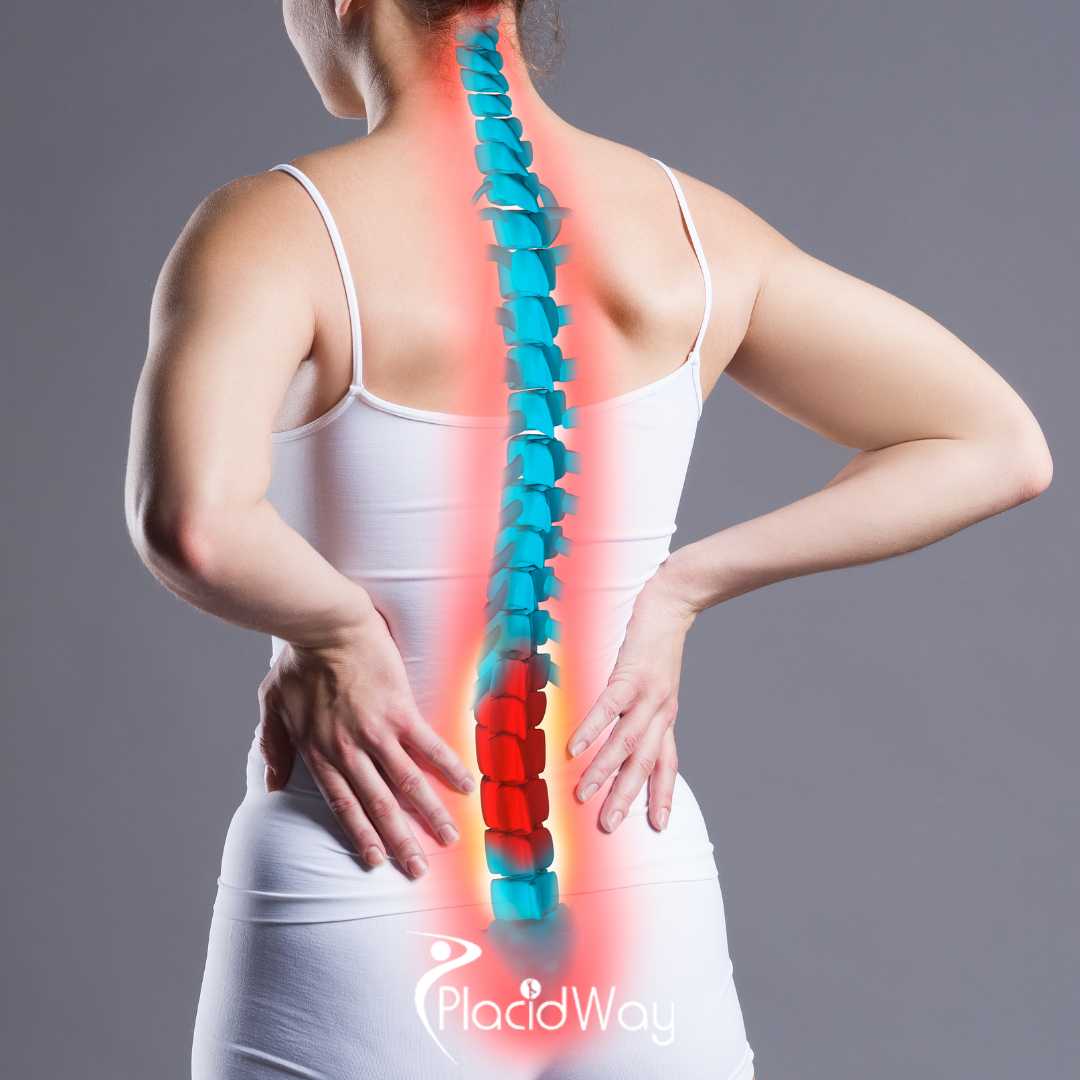
Chronic spinal conditions generally manifest through a complex array of symptoms that severely degrade a person's overall quality of life. Patients typically seek spine surgery in Tijuana when conservative treatments, such as physical therapy or epidural steroid injections, have ultimately failed to provide lasting relief. Structural abnormalities within the spinal column often compress delicate nerve roots, leading to radiating pain, numbness, and profound muscular weakness. When neurological deficits begin to actively interfere with basic daily functions, surgical intervention generally becomes a necessary consideration.
The decision to pursue operative treatment abroad is usually driven by specific degenerative or traumatic diagnoses that require precise anatomical correction. Surgeons catering to international visitors routinely perform complex interventions tailored to stabilize the spine and decompress neural pathways. Most patients experience significant functional improvements when their specific pathology is accurately matched with the appropriate surgical technique. Identifying the underlying anatomical issue is the crucial first step before committing to orthopedic care in Mexico.
- Herniated or Bulging Discs: Soft internal disc material extrudes through the tough exterior, pressing against spinal nerves.
- Spinal Stenosis: A gradual narrowing of the spinal canal that typically causes intense pressure on the spinal cord.
- Degenerative Disc Disease: Age-related wear and tear that compromises the shock-absorbing properties of spinal discs.
- Spondylolisthesis: A condition where a vertebra slips forward over the bone directly beneath it, causing instability.
Evaluating the Quality of Medical Tourism in Mexico
A common hesitation for prospective patients involves evaluating the genuine clinical standards maintained by international healthcare providers. Fortunately, the landscape of medical tourism in Mexico has evolved drastically, with modern facilities strictly adhering to rigorous global safety protocols. Many operating theaters are equipped with advanced robotic assistance, intraoperative neuromonitoring, and high-definition microscopic visualization tools. These technological investments demonstrate a profound commitment to achieving excellent clinical outcomes that rival domestic institutions.
Furthermore, the medical professionals operating within these specialized hubs are frequently recognized leaders in their respective surgical fields. It is incredibly common to find board-certified spine surgeons in Tijuana who have completed extensive fellowships in North America or Europe. This cross-pollination of medical education ensures that the surgical techniques utilized are both contemporary and meticulously refined. By demanding high standards of accreditation, patients can comfortably secure top-tier medical expertise.
According to industry estimates, nearly 1.2 million Americans travel to Mexico annually specifically for medical care. This staggering volume has driven massive infrastructure investments, resulting in healthcare environments that are specifically optimized for international patient safety and comfort.
Affordable Spine Surgery Cost in Tijuana Versus California
The primary catalyst for the international healthcare movement is undeniably the staggering disparity in surgical pricing across borders. Exploring the spine surgery cost in Tijuana reveals pricing models that are typically a fraction of the traditional out-of-pocket expenses found in the United States. Domestic hospital bills often contain heavily inflated administrative fees, complex insurance negotiations, and exorbitant facility charges that obscure the true cost of care. In stark contrast, international medical facilities generally provide transparent, bundled pricing that encompasses the surgeon's fee, anesthesia, and the operating room.
Many individuals find that they can obtain life-altering procedures for an accessible flat rate, often around the $8,000 threshold for specific interventions. This exceptional value proposition allows patients to reclaim their mobility without permanently devastating their financial stability. Securing affordable spine surgery in Tijuana also typically includes necessary pre-operative evaluations and immediate post-operative imaging. Understanding the exact cost differences for various sub-treatments is essential for making an informed, financially sound medical decision.
| Procedure Name | Average Cost in Tijuana | Estimated Cost in US/California |
|---|---|---|
| Microdiscectomy | $6,000 - $8,500 | $30,000 - $45,000 |
| Spinal Fusion (Single Level) | $12,000 - $16,000 | $80,000 - $120,000 |
| Artificial Disc Replacement | $11,000 - $14,000 | $45,000 - $65,000 |
| Laminectomy / Decompression | $7,000 - $9,500 | $35,000 - $55,000 |
Advanced Techniques for Minimally Invasive Spine Procedures
Traditional open back operations typically involve large incisions and significant disruption of the surrounding muscle tissue, which historically led to lengthy rehabilitation periods. Today, pursuing minimally invasive spine surgery in Mexico offers a highly sophisticated alternative that relies on specialized tubular retractors and endoscopic cameras. These refined techniques generally allow surgeons to access the compromised vertebrae through incisions barely larger than a postage stamp. Consequently, patients typically endure substantially less operative blood loss and experience a drastically accelerated return to basic mobility.
The implementation of advanced navigational software provides surgeons with real-time, three-dimensional mapping of the patient's unique spinal anatomy during the procedure. This high level of intraoperative precision is particularly crucial when executing complex treatments like laser spine surgery or microscopic decompression. By minimizing collateral tissue damage, the body's natural healing response is generally much faster and less painful. Ultimately, prioritizing these tissue-sparing methodologies is a core philosophy among premier international orthopedic specialists.
Minimally invasive approaches typically reduce hospital stay durations by up to 50% compared to traditional open surgeries. Because these techniques spare the critical paraspinal muscles from being severed, patients generally report significantly lower reliance on post-operative prescription pain medications.
The Reality of Crossing the Border for Spinal Care
Logistical anxiety is a completely normal reaction when initially considering traveling to Tijuana for surgery. However, the geographical layout of the region makes this specific international journey incredibly straightforward for North American residents. Visitors often fly directly into San Diego International Airport, which is located just a brief driving distance from the primary border crossings. From there, coordinated transit systems efficiently transport individuals directly to the waiting doors of their selected medical institution.
To further streamline the experience, many recognized surgical centers maintain dedicated access to specialized border crossing infrastructure. Utilizing coordinated medical lane passes significantly reduces wait times, ensuring that the return journey into the United States is swift and comfortable. This highly organized transportation network removes the stress of navigating foreign transit while recovering from a major surgical intervention. The entire crossing process is generally engineered to prioritize patient comfort above all else.
Always verify that your passport is current and will remain valid for at least six months beyond your planned travel dates. Additionally, consider packing loose, easy-to-button clothing and slip-on shoes to ensure you can dress comfortably without bending over during your return trip.
Preparing for Orthopedic and Neurological Surgery in Mexico
Thorough pre-operative preparation is the absolute cornerstone of a successful and safe surgical outcome, regardless of geographical location. Reputable spine surgery clinics in Tijuana will mandate an exhaustive review of your current medical history and recent diagnostic imaging before finalizing any treatment plans. This intensive screening process typically includes comprehensive blood panels, electrocardiograms, and updated magnetic resonance imaging (MRI) scans. By meticulously evaluating your baseline health, the medical team can accurately assess your physiological readiness for anesthesia.
During the final days leading up to your departure, adhering to specific dietary and pharmaceutical guidelines is critically important. Patients are generally instructed to cease taking non-steroidal anti-inflammatory drugs (NSAIDs) and certain herbal supplements to mitigate the risk of excessive operative bleeding. Engaging in a virtual consultation with your surgical team allows you to address any lingering questions regarding the impending procedure. Securing full medical clearance ensures that your international healthcare journey proceeds without unexpected clinical interruptions.
- Digitize all relevant MRI and X-ray reports onto a secure, easily accessible flash drive.
- Compile a comprehensive list of all current prescription medications and their exact dosages.
- Coordinate with your domestic primary care physician to establish a post-operative communication plan.
- Prepare your home environment by removing tripping hazards and placing essential items at waist level.
Standard Protocols During Your Back Surgery Experience
On the scheduled day of your operation, the medical facility will implement highly structured protocols designed to maximize both clinical efficiency and patient safety. Upon arrival, you will typically interface with the lead anesthesiologist, who will thoroughly explain the sedation process and address any immediate concerns. Whether you are undergoing a complex artificial disc replacement or a more routine microdiscectomy, the operative environment is strictly regulated to maintain absolute sterility. The surgical team generally operates with a synchronized rhythm, reflecting their extensive experience in managing orthopedic interventions.
The exact duration of the operation varies significantly depending on the complexity of the chosen surgical technique and the individual patient's anatomy. Following the successful completion of the procedure, you are carefully transitioned into a dedicated, closely monitored post-anesthesia care unit. Here, specialized nursing staff will continuously track your vital signs and initiate a customized pain management protocol to ensure early comfort. This critical transition phase ensures that your immediate recovery from spinal decompression surgery is both stable and highly controlled.
Intraoperative Neuromonitoring (IONM) is a highly advanced safety standard routinely used during complex back operations. This technology allows the surgical team to continuously track nerve function in real-time, drastically reducing the risk of accidental neurological damage during the procedure.
Navigating Post-Operative Recovery and Follow-Up Care
The immediate days following your discharge are a delicate period that requires absolute adherence to the surgeon's specialized rehabilitation instructions. A successful spine surgery recovery generally hinges on balancing necessary bodily rest with gentle, progressive mobilization techniques. Most patients are instructed to perform short, frequent walks to promote healthy blood circulation, while strictly avoiding any twisting or heavy lifting. Understanding these physical limitations is essential for allowing the newly manipulated spinal structures to heal correctly and robustly.
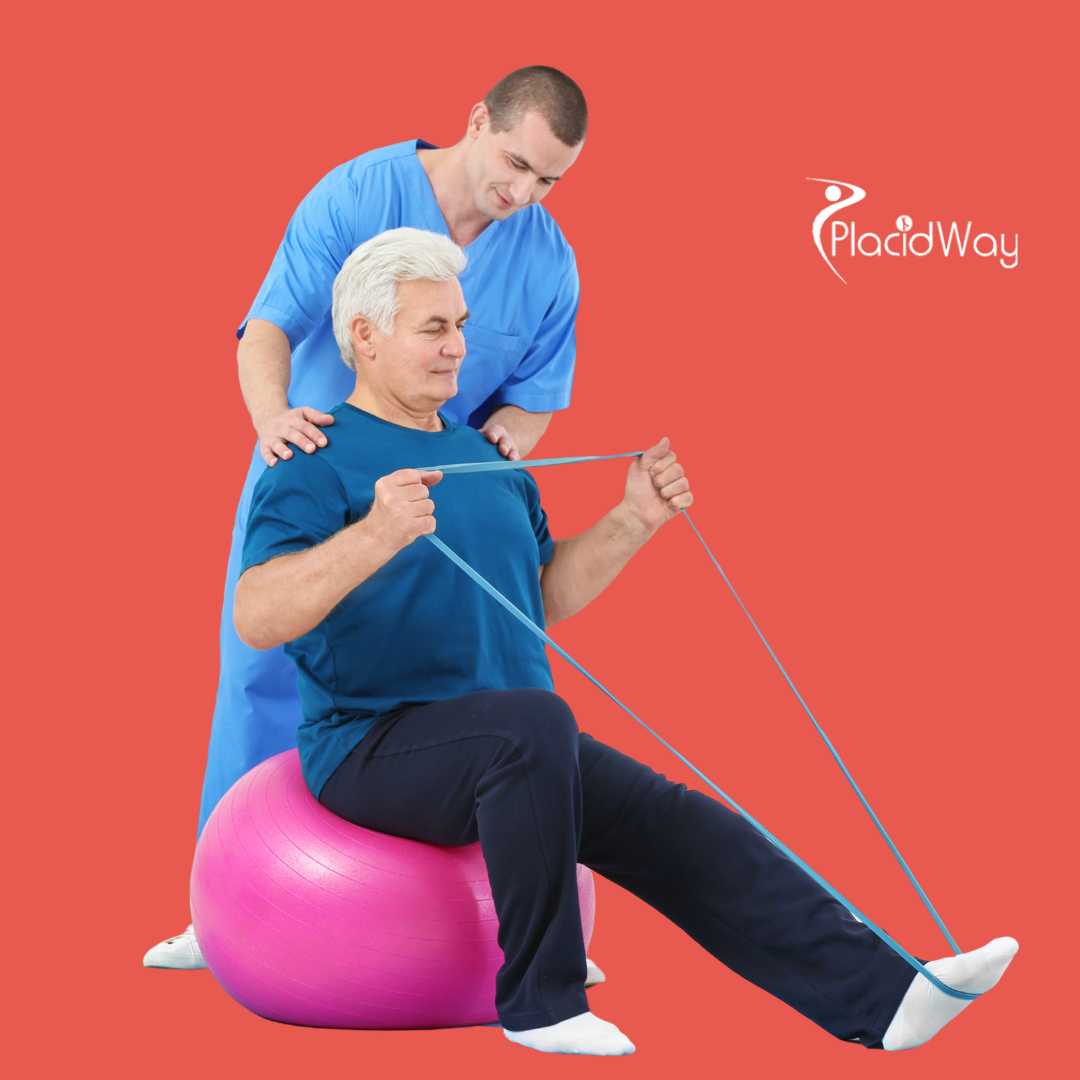
While the initial healing phase often occurs within a comfortable hotel or recovery boutique near the clinic, long-term rehabilitation continues at home. Establishing a relationship with a domestic physical therapist is generally recommended to help safely rebuild core strength and overall flexibility. Your international surgical team will typically provide comprehensive medical discharge papers outlining your specific physical therapy post-surgery requirements. Consistent follow-up communication through telemedicine portals ensures that your recovery trajectory remains safely on track.
Strictly follow the BLT protocol (No Bending, Lifting, or Twisting) during your early recovery phase. Violating these post-operative movement restrictions can severely compromise the surgical site, potentially leading to hardware failure or recurrent disc herniation.
Essential Safety Standards at Spine Surgery Clinics in Tijuana
When selecting a destination for invasive medical care, verifying institutional safety certifications is a non-negotiable step in the planning process. The premier safe medical tourism in Tijuana experiences are anchored by facilities that maintain rigorous international accreditations and transparent clinical guidelines. These distinguished hospitals routinely undergo comprehensive external audits to verify their adherence to strict infection control and equipment sterilization protocols. Such meticulous oversight ensures that the clinical environment operates on par with, or occasionally exceeds, recognized global healthcare benchmarks.
Moreover, top-tier surgical centers heavily invest in continuous medical education for their nursing staff and dedicated surgical technicians. Patient safety is further reinforced through the implementation of standardized pre-surgical checklists and robust emergency response capabilities within the facility. Choosing fully accredited Mexican hospitals provides invaluable peace of mind when undertaking a major health intervention abroad. Ultimately, verifiable safety standards serve as the foundation of trustworthy cross-border medical care.
Many prominent medical facilities in Baja California hold accreditations from organizations that mirror the Joint Commission International (JCI) standards. These stringent certifications mandate that the hospital maintains exceptionally high criteria regarding patient care, environmental safety, and measurable surgical outcomes.
Understanding the Risks of Traveling for Medical Procedures
It is fundamentally imperative to acknowledge that all invasive medical interventions carry inherent risks that cannot be entirely eliminated. The most common spine surgery complications include surgical site infections, adverse reactions to anesthesia, and unexpected post-operative bleeding. Patients generally face these baseline risks regardless of whether the operation is performed in California or across the international border. A thorough, candid discussion regarding these potential adverse events is a hallmark of responsible, ethical medical consultation.
Additionally, undertaking long-distance travel shortly after undergoing a major operation introduces its own unique set of physiological challenges. Sitting for prolonged periods during transit can theoretically increase the risk of developing deep vein thrombosis (DVT) or painful blood clots. To mitigate these specific medical tourism risks, surgeons typically prescribe prophylactic blood thinners or recommend wearing specialized compression garments. Being proactively informed about these potential hazards allows patients to make highly educated, risk-aware decisions.
To minimize the risk of blood clots during your travel back home, schedule frequent stops to stretch your legs if driving. If you are flying, practice seated calf raises and ensure you remain well-hydrated throughout the duration of the flight.
Patient Experiences with Cross-Border Spinal Treatments
Exploring authentic patient testimonials offers invaluable insights into the practical realities of the international healthcare experience. Analyzing verified spine surgery reviews Tijuana helps prospective patients understand the nuances of the facility's bedside manner and post-operative support structures. These personal narratives often highlight the profound relief experienced by individuals who had previously lost hope due to exorbitant domestic pricing. Reading about successful journeys can significantly alleviate the natural anxieties associated with seeking complex orthopedic care in a foreign setting.
The most compelling stories generally underscore the dramatic transformation from chronic, debilitating pain to a restored, active lifestyle. These medical tourism success stories frequently praise the highly personalized attention and compassionate care provided by the international nursing teams. While individual outcomes will always vary based on specific pathology, the overarching theme of these accounts reflects immense gratitude for accessible surgical options. Reviewing these lived experiences provides a balanced, realistic perspective on what to expect during your own journey.
Overcoming Sciatica After Years of Pain
After being quoted $40,000 in Los Angeles for a microdiscectomy, I felt completely defeated. Choosing to cross the border was intimidating initially, but the facility was immaculate, and the surgeon was incredibly knowledgeable. I woke up from surgery with my leg pain completely gone, and the entire experience cost me a fraction of my domestic quote.
A Seamless Fusion Experience
My single-level fusion was handled with the utmost professionalism from the initial virtual consultation to the final follow-up. The advanced imaging technology used in the operating room gave me immense confidence. My recovery has been steady, and I am finally returning to my favorite hobbies without agonizing back spasms.
Reclaiming Mobility with Artificial Disc Replacement
I required an artificial disc replacement but my insurance outright refused to cover the specific modern implant I needed. The team in Mexico not only utilized the exact brand of implant I requested, but the level of nursing care during my stay was phenomenal. It truly was a life-changing decision.
Exceptional Care and Communication
As someone who doesn't speak Spanish, I was worried about communication barriers during my laminectomy procedure. However, the patient coordinators and doctors spoke perfect English and walked me through every single step. The transparency regarding the risks and the comprehensive care I received exceeded my highest expectations.
How PlacidWay Assists Your Spine Surgery Medical Tourism Journey in Tijuana
Navigating the complex ecosystem of international healthcare requires access to reliable data and trusted institutional connections. When planning such a significant intervention, relying on an established PlacidWay medical tourism platform provides a structured, secure pathway to reputable providers. The goal is to entirely remove the guesswork from selecting appropriate medical facilities while ensuring your specific clinical needs are met. This comprehensive support framework generally allows patients to focus solely on their impending health and recovery.
By leveraging extensive global healthcare networks, robust spine surgery facilitation becomes a highly streamlined, transparent process. Patients are empowered to make critical health decisions armed with verified credentials, detailed procedural information, and direct clinical communication channels. Utilizing professional coordination services ensures that every medical and administrative detail is meticulously organized prior to your arrival. Here is how specialized facilitation platforms enhance your healthcare journey:
- Connecting patients directly with fully accredited, internationally recognized orthopedic facilities.
- Facilitating the secure transfer of digital medical records and diagnostic imaging files.
- Providing transparent clinic comparisons to help you select the most appropriate surgical team.
- Assisting with the scheduling of virtual pre-consultations to discuss your specific pathology.
- Offering access to verified patient reviews and detailed clinical outcomes data.
Utilizing a medical tourism facilitation platform generally significantly accelerates the process of obtaining secondary medical opinions. Instead of waiting weeks for a local specialist appointment, digital files can be reviewed by international experts within a matter of days.
Frequently Asked Questions About Spine Procedures in Mexico
Embarking on an international medical journey naturally generates a multitude of practical and clinical inquiries. Prospective patients must thoroughly investigate the logistical requirements, potential safety concerns, and anticipated recovery protocols before committing to a procedure. Understanding the specific nuances of Tijuana spine surgery FAQs ensures that you are mentally and physically prepared for the experience. Clear, concise answers to these common questions help demystify the entire cross-border healthcare process.
It is generally recommended to keep a personalized list of questions handy when engaging in your initial virtual consultations. Direct dialogue with your chosen surgical team will ultimately provide the most accurate information regarding your unique anatomical situation. However, reviewing these fundamental baseline queries provides an excellent starting point for your ongoing medical research. Below are answers to some of the most frequently asked questions regarding international orthopedic care.
Is spine surgery in Tijuana safe for international patients?
Yes, many modern clinics maintain rigorous international standards and employ highly trained medical staff. Patients generally experience safe outcomes when thoroughly researching and selecting accredited facilities.
What documentation is required to cross the border for medical care?
US residents typically need a valid passport or passport card to re-enter the United States. Your medical facility may also provide specific documentation to utilize fast-track medical crossing lanes.
How long do I typically need to stay in Mexico after my procedure?
Most patients are advised to stay locally for a few days to a week following their operation. This timeframe generally allows the medical team to monitor your initial recovery and remove any surgical drains.
Will my domestic health insurance cover treatments obtained abroad?
Domestic health insurance usually does not cover elective procedures performed outside the country. However, the significantly lower out-of-pocket costs often make self-paying a viable financial decision.
How do I manage the language barrier during my medical journey?
Reputable facilities catering to international patients typically employ bilingual staff and physicians fluent in English. Translation services are also generally available to ensure clear and accurate communication.
What happens if a complication occurs after returning home?
Patients are generally advised to establish a relationship with a local primary care physician or specialist prior to traveling. In the event of an emergency, you should immediately seek care at the nearest domestic emergency department.
When can I safely return to work after an orthopedic back procedure?
Return-to-work timelines vary drastically depending on the specific procedure and the physical demands of your job. Desk workers typically return within a few weeks, while strenuous occupations may require several months of recovery.
Can a family member accompany me during my medical journey?
Yes, bringing a companion is highly recommended to provide emotional support and assist with daily activities during your early recovery. Most modern facilities design their patient suites to comfortably accommodate a guest.
How are my medical records transferred internationally?
Patients typically gather their digital imaging files and translated medical records on a secure digital drive. These files are then sent directly to the destination surgical team through encrypted medical communication portals.
What type of physical therapy is necessary following back operations?
Post-operative physical therapy generally focuses on restoring core strength, flexibility, and mobility. Your surgical team will typically provide a detailed rehabilitation protocol for your local physical therapist to follow.
Ready to explore affordable spine surgery options with top international specialists? Let PlacidWay guide your medical tourism journey.
Medical Disclaimer: This article is for informational purposes only and is not medical advice. Always consult a qualified healthcare provider before any medical decisions. Results may vary. Read Full Disclaimer here.
References
- Mayo Clinic. Spinal Fusion - Mayo Clinic. https://www.mayoclinic.org/tests-procedures/spinal-fusion/about/pac-20384523
- Johns Hopkins Medicine. Minimally Invasive Spine Surgery. https://www.hopkinsmedicine.org/health/treatment-tests-and-therapies/minimally-invasive-spine-surgery
- Centers for Disease Control and Prevention (CDC). Medical Tourism: Travel to Another Country for Medical Care. https://wwwnc.cdc.gov/travel/page/medical-tourism
- Cleveland Clinic. Laminectomy: Procedure Details and Recovery. https://my.clevelandclinic.org/health/procedures/10895-laminectomy
- National Library of Medicine (NIH). The Globalization of Healthcare: Understanding Medical Tourism. https://www.ncbi.nlm.nih.gov/pmc/articles/PMC3469025/





.png)








Share this listing