
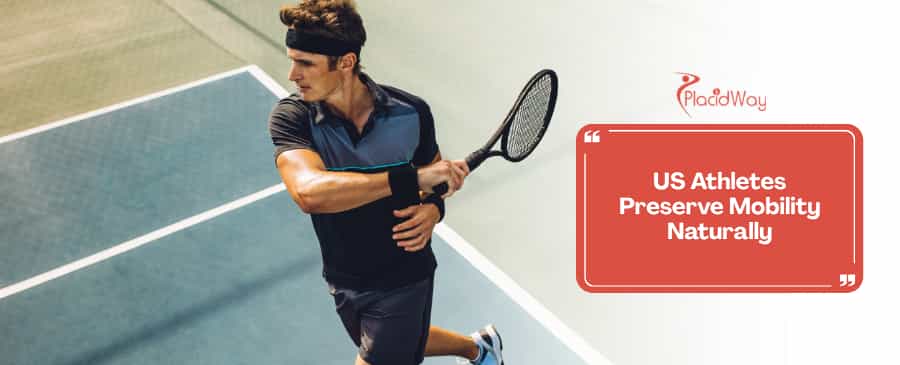
Professional athletes and active individuals in the United States are increasingly seeking alternatives to traditional knee surgeries that often lead to prolonged downtime and permanent tissue loss. The growing trend of pursuing orthopedic regenerative medicine in Colombia stems from the desire to heal naturally and avoid invasive meniscectomies. By targeting the root cause of joint deterioration, biological therapies offer a promising avenue for those looking to maintain high levels of physical performance.
As a leading hub for medical travel, the capital of Colombia has developed a robust infrastructure specifically catering to international sports professionals. Access to highly specialized stem cell injections for meniscus repair in Bogota allows patients to benefit from innovative techniques without the astronomical out-of-pocket expenses found in North America. This blend of medical excellence and accessible pricing is redefining how athletes approach career-threatening joint injuries.
Colombia ranks among the top destinations in Latin America for advanced healthcare, with its major cities hosting numerous facilities that operate under strict international quality standards.
- Non-Surgical Focus: Emphasizes tissue preservation over surgical removal.
- Rapid Biological Response: Harnesses the body's natural healing mechanisms to address localized joint inflammation.
- Elite Sports Pedigree: Colombian specialists frequently manage high-performance athletes from global soccer and cycling leagues.
- Comprehensive Care Protocols: Integrates advanced diagnostics, cellular therapy, and targeted physical rehabilitation.
Understanding Precision Stem Cell Therapy for Meniscus Tears
The meniscus is a vital piece of C-shaped cartilage in the knee that acts as a shock absorber between the shinbone and the thighbone. Because the inner portion of the meniscus lacks a direct blood supply, natural healing of tears in this "white zone" is notoriously difficult. Precision stem cell therapy introduces concentrated regenerative cells directly into these poorly vascularized areas to stimulate a biological healing response.
During advanced knee stem cell treatment in Bogota, orthopedic specialists utilize mesenchymal stem cells (MSCs) known for their potent anti-inflammatory and immunomodulatory properties. When injected precisely into the damaged meniscal tissue, these cells can orchestrate the repair environment, potentially slowing down cartilage degradation and promoting the formation of healthy, stable tissue.
Testimonial: Joint Preservation Over Surgery
"After my third minor meniscus tear, my doctor in the States suggested removing a portion of the cartilage. I opted for regenerative injections in Bogota instead. The thoroughness of the orthopedic team gave me confidence, and six months later, my joint stability has significantly improved without the need for invasive surgery." – Marcus, 34, US Marathon Runner
- Bone Marrow Aspirate Concentrate (BMAC): Cells harvested safely from the patient’s own pelvis, rich in growth factors.
- Adipose-Derived Stem Cells: Extracted from abdominal fat, offering a high yield of viable regenerative cells.
- Targeted Delivery: Cells are meticulously guided to the specific micro-tear locations within the knee joint.
Why US Athletes Choose Bogota for Orthopedic Regenerative Medicine
Navigating the healthcare system in the United States often involves battling insurance approvals, facing strict regulatory limitations on cell expansion, and enduring long waiting periods for specialized orthopedic appointments. Conversely, medical tourism in Bogota provides a streamlined, patient-centric experience. Athletes appreciate the efficiency of multidisciplinary clinics where orthopedists, cellular biologists, and physiotherapists collaborate seamlessly under one roof.
Furthermore, geographical proximity plays a significant role in this decision-making process. Direct flights from major US hubs make traveling to Colombia highly convenient for individuals managing a rigorous training schedule. The ability to access specialized meniscus repair clinics in Bogota without crossing multiple time zones minimizes travel fatigue and allows athletes to commence their recovery protocols almost immediately.
A nonstop flight from Miami to Bogota takes less than four hours, making it highly accessible for American patients seeking rapid medical intervention.
- Direct and affordable flights from Miami, New York, and Houston.
- Minimal jet lag, ensuring a comfortable immediate post-procedure recovery.
- Access to progressive cellular therapies that are strictly regulated but scientifically advanced in Colombia.
- Concierge-level healthcare services tailored to international patients.
Affordable Stem Cell Injections for Meniscus Repair Cost in Bogota
Financial considerations are often a driving factor for patients exploring healthcare options abroad, especially since regenerative orthopedic treatments are rarely covered by standard US health insurance plans. The cost of stem cell therapy for meniscus in Colombia represents a massive value proposition. Patients typically save thousands of dollars while receiving care that rivals or exceeds the standards of premium sports medicine facilities in North America.
When evaluating the affordable stem cell knee injections in Bogota, it is essential to look at the comprehensive nature of the packages. Unlike the fragmented billing structures common in the US, Colombian medical centers generally provide transparent pricing that includes pre-operative diagnostics, the cellular extraction and processing, the guided injection procedure, and initial post-treatment follow-ups.
Always ask for a detailed, itemized quote before traveling. Confirm whether follow-up imaging (like MRIs) or supportive treatments (like PRP) are included in your initial price estimate.
| Procedure Name | Average Cost in Bogota | Estimated Cost in US |
|---|---|---|
| Autologous Bone Marrow Stem Cell Injection (Single Knee) | $3,500 - $4,800 | $7,000 - $12,000 |
| Adipose-Derived Stem Cell Therapy (Single Knee) | $4,000 - $5,500 | $8,000 - $15,000 |
| Stem Cell Therapy + PRP Combo Treatment | $4,500 - $6,500 | $10,000 - $18,000 |
| Pre-Procedure Knee MRI & Diagnostics | $200 - $400 | $800 - $2,500 |
How Stem Cell Meniscus Repair Works in Colombian Clinics
The journey to joint repair begins with an exhaustive medical evaluation. Orthopedic specialists review existing MRI scans and may perform localized physical assessments to determine the exact nature and grade of the meniscus tear. Establishing an accurate baseline is critical, as it ensures that the orthopedic cell therapy procedure in Colombia is tailored to the unique anatomical needs of the patient.
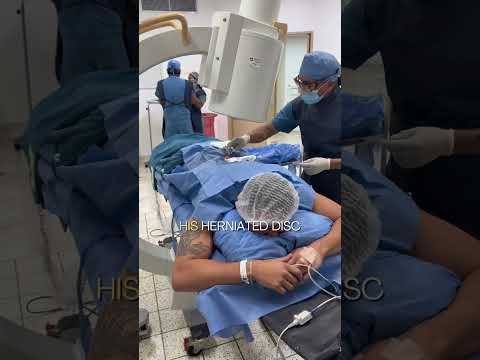
Once cleared for the procedure, the patient undergoes a minimally invasive cellular extraction, usually from the hip bone or abdominal adipose tissue, performed under local anesthesia. These cells are then swiftly transferred to a sterile on-site laboratory. Using a high-speed centrifuge, the medical team isolates and concentrates the regenerative cells before reinjecting them into the knee joint utilizing advanced real-time imaging guidance.
Testimonial: A Seamless Medical Experience
"I was nervous about having a medical procedure abroad, but the clinic in Bogota was pristine. The doctors walked me through the extraction and reinjection process step-by-step. The entire procedure was completed in just a few hours, and I was resting comfortably at my hotel by the afternoon." – David, 42, Recreational Cyclist
- Consultation & Imaging: Confirming the viability of the meniscus for regenerative repair.
- Cell Harvesting: Safe, precise extraction of autologous tissue under local anesthesia.
- Laboratory Processing: Isolating the most robust mesenchymal stem cells and growth factors.
- Precision Reinjection: Utilizing fluoroscopy to deliver the cells exactly into the meniscal lesion.
Comparing Traditional Knee Surgery vs Stem Cell Therapy in Bogota
For decades, arthroscopic meniscectomy—the surgical trimming or removal of torn meniscus cartilage—was the standard of care for athletic knee injuries. However, recent medical consensus highlights that removing part of the shock absorber drastically increases the long-term risk of developing bone-on-bone osteoarthritis. Patients are now seeking treatments that preserve their native anatomy.
Choosing regenerative knee therapy in Bogota provides an alternative pathway that focuses on healing rather than removal. While traditional surgery forces a patient into months of aggressive physical therapy to compensate for lost tissue, cellular therapy generally aims to fortify the existing cartilage, typically resulting in a more anatomically sound joint and potentially avoiding the eventual need for total knee replacement.
Studies indicate that patients who undergo partial meniscus removal are up to three times more likely to develop osteoarthritis in that knee over the following decade compared to those with intact menisci.
- Tissue Preservation: Stem cells aim to repair; surgery typically removes damaged tissue.
- Surgical Trauma: Injections are minimally invasive; arthroscopy involves joint penetration and surgical trauma.
- Anesthesia: Cell therapy generally utilizes local anesthesia; surgeries often require general or spinal anesthesia.
- Long-Term Joint Health: Regenerative approaches are designed to mitigate the onset of degenerative joint disease.
Ideal Candidates for Meniscus Stem Cell Injections in Colombia
While orthopedic regenerative medicine represents a breakthrough for many, it is not a magical cure-all for every knee ailment. Identifying the right candidate is crucial for achieving positive outcomes. Generally, the best candidates for stem cell treatments for knee injuries in Bogota are individuals suffering from Grade 1 or Grade 2 meniscus tears, degenerative meniscal fraying, or mild to moderate osteoarthritis associated with a prior injury.
Patients must undergo rigorous screening. Those with complete, complex, or mechanical "bucket-handle" tears that physically block the knee from moving usually require surgical intervention before any regenerative therapies can be considered. A reputable clinic will always prioritize patient safety and clinical viability over profit.
Stem cell injections are strictly contraindicated for patients with active systemic infections, certain blood disorders, active cancers, or completely ruptured ligaments that require immediate surgical reconstruction. Always provide a complete medical history to your chosen specialist.
- Patients experiencing persistent localized knee pain unresolved by standard physical therapy.
- Athletes looking to resolve minor to moderate non-displaced meniscus tears.
- Individuals seeking to delay or prevent partial knee replacement surgeries.
- Patients with a healthy immune system and realistic recovery expectations.
The Patient Journey for Orthopedic Medical Tourism in Bogota
Embarking on a medical journey abroad requires meticulous planning, but Colombia's specialized healthcare sector is well-equipped to support international patients. The medical tourism experience in Bogota usually begins weeks before arrival, with virtual consultations where doctors review translated medical records and digital MRI files. This pre-planning ensures that the patient is a viable candidate before booking any travel.
Upon arrival in the Colombian capital, patients are generally greeted by bilingual patient coordinators. The physical journey is structured and stress-free: Day one involves in-person diagnostics and lab work; Day two is typically the procedure day; and Days three and four are reserved for rest, follow-up evaluations, and the initiation of a personalized physiotherapy protocol to take back home.
Testimonial: Supported Every Step of the Way
"I traveled from Texas to Bogota alone, which initially terrified me. However, the patient care team handled all my clinical transfers and appointments. The coordination between my US physical therapist and the Colombian orthopedic doctor made my transition back home incredibly smooth." – Sarah, 29, College Soccer Coach
- Virtual Pre-Assessment: Secure review of international MRIs and clinical history.
- On-Site Consultation: Detailed physical examination upon arrival in Bogota.
- Treatment Day: Outpatient procedure spanning approximately 3 to 4 hours.
- Discharge & Post-Care: Final medical clearance and handover of rehabilitation guidelines before flying home.
Recovery Timeline After Stem Cell Knee Injections in Bogota
One of the most appealing aspects of cellular therapy is the abbreviated initial downtime compared to surgical meniscectomy. However, patients must understand that biological healing takes time. After receiving orthopedic stem cell therapy in Bogota, patients typically experience mild stiffness and localized swelling for the first 48 to 72 hours. This is a normal part of the acute inflammatory phase necessary to trigger tissue repair.
During the first month, low-impact activities like swimming or stationary cycling are generally encouraged to promote blood flow without overloading the joint. By the three-to-six-month mark, most patients experience the peak of their cellular regeneration, noting significant reductions in pain and improvements in joint mechanics. Strict adherence to a prescribed physical therapy regimen is universally recommended to optimize these results.
Clinical observations suggest that over 75% of properly selected candidates notice a significant improvement in knee function and pain reduction within 12 weeks of receiving autologous stem cell treatments.
- Weeks 1-2: Focus on rest, inflammation management (without NSAIDs), and gentle range-of-motion exercises.
- Weeks 3-6: Introduction of targeted physiotherapy focusing on strengthening the surrounding quadriceps and hamstrings.
- Months 2-3: Gradual return to moderate physical activities; cellular remodeling is actively occurring.
- Months 4-6: Return to higher-impact sports for athletes, pending physician clearance.
Advanced Technologies Used for Stem Cell Knee Treatment in Colombia
The success of regenerative joint therapy heavily relies on the precision of the delivery. Leading facilities providing meniscus repair clinics in Bogota are outfitted with state-of-the-art diagnostic and imaging equipment. Blind injections—where a doctor simply feels the joint and injects—are entirely inadequate for complex meniscal tears. Instead, Colombian specialists utilize advanced visualization tools.
High-resolution musculoskeletal ultrasound and digital fluoroscopy (live X-ray) are the gold standards used during these procedures. These technologies allow the orthopedic surgeon to visualize the exact topography of the knee joint in real-time, ensuring that the concentrated cellular matrix is deposited precisely into the microscopic fissures of the damaged meniscus, thereby maximizing the therapeutic potential.
When evaluating clinics abroad, always inquire about their injection delivery methods. Confirm that they utilize either ultrasound or fluoroscopic guidance to ensure the accuracy of the cell placement.
- Fluoroscopic Guidance: Provides real-time, moving X-ray images for pinpoint needle placement.
- High-Resolution Ultrasound: Offers detailed visualization of soft tissues, including the meniscal cartilage and ligaments.
- Closed-System Centrifuges: Ensures the harvesting and concentration of stem cells remain sterile and highly viable.
Assessing the Risks of Stem Cell Meniscus Repair in Bogota
While the prospect of avoiding surgery is highly attractive, international patients must approach medical treatments with realistic expectations. When pursuing medical tourism for orthopedic care in Bogota, understanding the clinical risks is paramount. Autologous stem cell injections (using your own cells) inherently carry a low risk of rejection or allergic reaction, but the procedure is not entirely without potential complications.
Most patients experience mild discomfort, bruising at the harvesting site (hip or abdomen), and temporary stiffness in the treated knee. More severe, though rare, risks include localized joint infections or nerve damage during the injection process. It is important to remember that medical outcomes can never be guaranteed, and a minority of patients may find that the cellular therapy does not provide the desired level of pain relief, eventually necessitating traditional surgery.
Because autologous stem cell therapy utilizes the patient’s own biological material, the risk of graft-versus-host disease (GVHD) or severe systemic rejection is virtually eliminated.
- Potential for injection site pain, swelling, and minor bleeding.
- Risk of infection, mitigated by strict adherence to sterile protocols in accredited clinics.
- The possibility of an incomplete response, requiring alternative or traditional surgical treatments later.
- Variability in healing response based on age, metabolism, and adherence to post-care physiotherapy.
Measuring Success Rates for Bogota Stem Cell Meniscus Procedures
Defining success in regenerative medicine is highly individualized. For a professional athlete, success might mean a return to competitive sports without ongoing pain; for an older adult, it might mean walking up a flight of stairs without structural knee buckling. Specialists evaluating the efficacy of knee joint restoration in Colombia typically measure success through functional mobility scores and patient-reported pain indices over a 6-to-12-month period.
While definitive clinical regeneration of large meniscal tears is difficult to capture completely on post-procedure MRIs, the symptomatic relief reported by patients is often profound. Many individuals who select high-quality clinics in Bogota report that the combination of cellular therapy, platelet-rich plasma (PRP), and dedicated rehabilitation results in a stable, functional knee that allows them to reclaim their active lifestyles.
Testimonial: Returning to the Court
"I track everything as a tennis player. Before my trip to Colombia, my pain level was consistently an 8/10 after a match. A year post-treatment, my knee feels completely different. I have minor stiffness on cold days, but the sharp, catching pain from my meniscus tear is entirely gone." – Elena, 38, US Amateur Tennis Player
- Pain Reduction: Generally noted within the first 8 to 12 weeks post-injection.
- Mobility Improvement: Enhanced range of motion without the "locking" sensation typical of meniscus tears.
- Surgical Deferment: Successfully delaying or completely avoiding the need for arthroscopic intervention.
Preparing for Your Medical Travel to Bogota for Joint Therapy
Thorough preparation is the key to a seamless medical tourism experience. Before heading to Colombia for specialized meniscus stem cell therapy, patients need to organize their medical files. Having recent, high-quality MRI scans (usually less than three months old) and detailed clinical reports ready for international transfer is essential for accurate pre-assessments by Bogota-based specialists.
Beyond medical documentation, patients must prepare physically and logistically. Physicians often require patients to stop taking Non-Steroidal Anti-Inflammatory Drugs (NSAIDs) like ibuprofen for at least a week prior to the procedure, as these medications can interfere with the biological inflammatory response necessary for stem cell activation. Ensuring you have a clear plan for your return flight, including requesting wheelchair assistance at the airport to avoid straining the newly treated joint, is also highly recommended.
Bogota is located at a high altitude (over 8,600 feet above sea level). Medical tourists are advised to arrive a day or two early to acclimatize, stay hydrated, and rest before their orthopedic procedure.
- Gather and digitally transfer all recent knee MRIs and X-rays.
- Discontinue the use of NSAIDs and specific supplements as directed by your Colombian medical team.
- Arrange for a travel companion or coordinate dedicated patient assistance for navigating airports post-procedure.
- Set up a local physical therapy appointment in the US for immediately after your return.
How PlacidWay Assists Your Stem Cell Therapy Journey in Bogota
Navigating the complexities of international healthcare requires a trusted partner to ensure your medical and logistical needs are met with precision. For athletes and patients seeking advanced regenerative care, streamlining the process is just as important as the clinical outcome itself.
When planning your trip for orthopedic cell therapy in Colombia, utilizing a dedicated medical facilitation platform ensures you are connecting with highly vetted, globally recognized specialists. Our goal is to empower your healthcare choices through transparency and structured support.
- Matching you with internationally accredited orthopedic and regenerative clinics in Bogota.
- Facilitating the secure transfer of your MRI scans and medical records for accurate remote assessments.
- Providing transparent, detailed cost estimates and treatment plans directly from the medical providers.
- Connecting you with specialized bilingual patient coordinators who guide your clinical journey.
- Assisting with securing virtual consultations with leading Colombian orthopedic specialists before you commit to travel.
How much do stem cell injections for meniscus repair cost in Bogota?
The cost of stem cell therapy for meniscus repair in Bogota typically ranges from $3,500 to $6,500. This is generally 50% to 70% less expensive than comparable regenerative treatments in the United States.
Are stem cell injections safe for knee injuries?
When performed by certified orthopedic specialists in accredited facilities, these injections are generally considered safe. However, like any medical procedure, they carry risks such as localized pain or infection.
Do I need a visa to travel to Colombia for medical treatment?
Citizens of the United States, Canada, and the European Union typically do not need a visa for short-term medical tourism trips to Colombia lasting under 90 days. Always verify current entry requirements before traveling.
How long should I stay in Bogota after the injection?
Most patients are advised to stay in Bogota for at least 3 to 5 days following the procedure. This allows the orthopedic team to monitor your initial recovery and perform necessary follow-up evaluations.
Will stem cell therapy completely heal a torn meniscus?
Results vary significantly among patients, and complete healing is never guaranteed. The therapy typically aims to reduce inflammation, alleviate pain, and promote natural tissue repair in mild to moderate tears.
Where do the stem cells used in Bogota clinics come from?
Top-tier clinics in Bogota generally utilize autologous stem cells harvested from the patient’s own bone marrow or adipose (fat) tissue. In some strictly regulated cases, ethically sourced Wharton’s Jelly (umbilical cord) derivatives may be utilized.
How soon can athletes return to sports after treatment?
Athletes typically begin light rehabilitation within a few weeks but may need to wait 3 to 6 months before returning to high-impact sports. A specialized physical therapy protocol is strictly required for optimal recovery.
Can stem cell therapy prevent the need for knee replacement?
For some patients with moderate joint degeneration and localized meniscus tears, regenerative therapy can delay or occasionally eliminate the immediate need for aggressive surgical interventions like partial knee replacements.
What type of imaging is used during the injection?
Specialists generally use advanced fluoroscopy or high-resolution ultrasound guidance during the procedure. This technology ensures the stem cells are delivered precisely into the damaged meniscal tissue.
Is orthopedic medical tourism in Bogota regulated?
Yes, regenerative medicine and medical tourism in Colombia are regulated by the Ministry of Health and Social Protection. Many top facilities catering to international patients also hold international accreditations.
Ready to explore regenerative solutions for your joint health? Connect with top orthopedic specialists in Bogota and get personalized treatment estimates today!
References
- • Mayo Clinic. Stem cells: What they are and what they do. https://www.mayoclinic.org/tests-procedures/bone-marrow-transplant/in-depth/stem-cells/art-20048117
- • National Institutes of Health (NIH). Regenerative Medicine and Meniscus Tears. https://pmc.ncbi.nlm.nih.gov/articles/PMC7016630/
- • Johns Hopkins Medicine. Meniscus Tear Overview. https://www.hopkinsmedicine.org/health/conditions-and-diseases/torn-meniscus
- • Wikipedia. Medical Tourism in Colombia. https://en.wikipedia.org/wiki/Medical_tourism_in_Colombia
- • OrthoInfo (AAOS). Orthobiologics in Joint Treatment. https://orthoinfo.aaos.org/en/treatment/orthobiologics-faq/











.png)
.jpg)
.jpg)
.png)








Share this listing